Data may be outdated
Last updated: 8 months ago — Click refresh to get the latest statistics.
It was only more than 50 years after his death in the Wülzburg concentration camp that Czech composer Erwin Schulhoff began to be recognized. One of many composers whose works the Nazi regime labeled as Entartete Musik (degenerate music), he was effectively silenced by the stark political and social workings of fascism in the 1930s and 1940s. Schulhoff was indeed possessed of radical ideas, both political and musical, and was a founding member of the Dresden-based Werkstatt der Zeit (Workshop of the Time), but he is now known to be a composer of remarkable variety and invention whose works spanned the aesthetic void between the late romanticism of <a href="spotify:artist:2qpchAUtJNY45rG7auwQgz">Max Reger</a> and <a href="spotify:artist:6nZiWg5ZB511S24WmB7TCV">Scriabin</a> and the experimental modernism of <a href="spotify:artist:1Z3fF5lZdCM0ZHugkGoH8s">John Cage</a>. During the 30 years of his active career he wrote sonatas, quartets, sextets, jazz piano pieces, stage music, an opera, eight symphonies, and at least one oratorio.
Schulhoff's works divide roughly into four periods that manifest wildly different stylistic and ideological principles. His early works, composed after his studies at the Prague Conservatory, betray a great debt to <a href="spotify:artist:2qpchAUtJNY45rG7auwQgz">Reger</a>, <a href="spotify:artist:6n7nd5iceYpXVwcx8VPpxF">Dvorák</a>, and <a href="spotify:artist:5wTAi7QkpP6kp8a54lmTOq">Brahms</a>, and are in a generally serious vein. Following his service in World War I, he found new resonance in the ideas of the Second Viennese School (<a href="spotify:artist:5U827e4jbYz6EjtN0fIDt9">Arnold Schoenberg</a> and his pupils), but soon embraced the emerging trend of dadaism as more representative of his philosophies. This "second period" in his creative development shows a dual allegiance to these two schools of thought, resulting in rather austere serial works -- such as the 10 Pieces for Piano, Op. 30 (1919) -- as well as more vigorously anti-establishment works that included experimental notation systems and an emerging sense of musical humor, such as the Fünf Pittoresken, Op. 31, of the same year. By 1923 Schulhoff moved into yet a third creative phase that was partly inspired by his exposure (in Dresden via recordings owned by the painter George Grosz) to American jazz. This new influence was incorporated into a maturing synthesis of European trends, combined with a renewed interest in the music of his native Czechoslovakia, influenced by <a href="spotify:artist:46xXzoOdtD7SL2PTRq5irp">Janácek</a>. The Five Pieces for String Quartet (1923) demonstrate this amalgamation of elements and the set has become one of his most often recorded works. During this time many of his works took on a straightforward, almost Neo-classical sound that left the complexity of serialism behind. Schulhoff's final creative phase began just before a visit to the Soviet Union in 1933 and his resulting political conversion to Stalinism. The year before, he had written a cantata based on Marx and Engels' manifesto. His late works betray a concerted effort to communicate in plain, unpretentious ways and to glorify the ideals of communism through the use of greatly simplified musical means. Ultimately these cannot be judged his most successful experiments. The German occupation of Czechoslovakia in 1939 resulted in Schulhoff's arrest and imprisonment in 1941. He died only months later of tuberculosis. ~ Peter Bates, Patsy Morita, Rovi
Schulhoff's works divide roughly into four periods that manifest wildly different stylistic and ideological principles. His early works, composed after his studies at the Prague Conservatory, betray a great debt to <a href="spotify:artist:2qpchAUtJNY45rG7auwQgz">Reger</a>, <a href="spotify:artist:6n7nd5iceYpXVwcx8VPpxF">Dvorák</a>, and <a href="spotify:artist:5wTAi7QkpP6kp8a54lmTOq">Brahms</a>, and are in a generally serious vein. Following his service in World War I, he found new resonance in the ideas of the Second Viennese School (<a href="spotify:artist:5U827e4jbYz6EjtN0fIDt9">Arnold Schoenberg</a> and his pupils), but soon embraced the emerging trend of dadaism as more representative of his philosophies. This "second period" in his creative development shows a dual allegiance to these two schools of thought, resulting in rather austere serial works -- such as the 10 Pieces for Piano, Op. 30 (1919) -- as well as more vigorously anti-establishment works that included experimental notation systems and an emerging sense of musical humor, such as the Fünf Pittoresken, Op. 31, of the same year. By 1923 Schulhoff moved into yet a third creative phase that was partly inspired by his exposure (in Dresden via recordings owned by the painter George Grosz) to American jazz. This new influence was incorporated into a maturing synthesis of European trends, combined with a renewed interest in the music of his native Czechoslovakia, influenced by <a href="spotify:artist:46xXzoOdtD7SL2PTRq5irp">Janácek</a>. The Five Pieces for String Quartet (1923) demonstrate this amalgamation of elements and the set has become one of his most often recorded works. During this time many of his works took on a straightforward, almost Neo-classical sound that left the complexity of serialism behind. Schulhoff's final creative phase began just before a visit to the Soviet Union in 1933 and his resulting political conversion to Stalinism. The year before, he had written a cantata based on Marx and Engels' manifesto. His late works betray a concerted effort to communicate in plain, unpretentious ways and to glorify the ideals of communism through the use of greatly simplified musical means. Ultimately these cannot be judged his most successful experiments. The German occupation of Czechoslovakia in 1939 resulted in Schulhoff's arrest and imprisonment in 1941. He died only months later of tuberculosis. ~ Peter Bates, Patsy Morita, Rovi
Monthly Listeners
3,711
Monthly Listeners History
Track the evolution of monthly listeners over the last 28 days.
Followers
3,569
Followers History
Track the evolution of followers over the last 28 days.
Top Cities




Related Artists
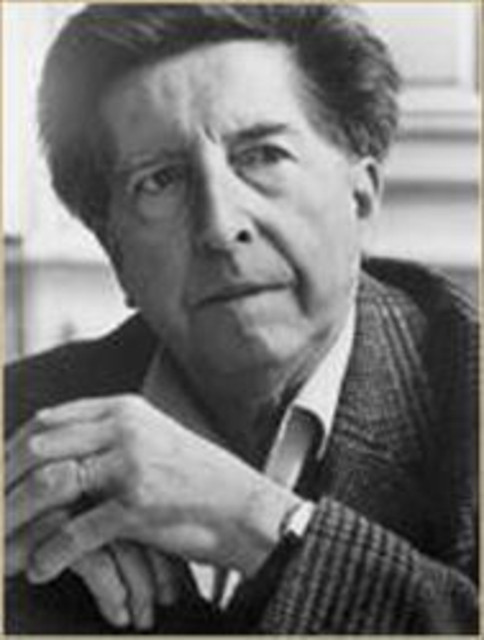
Henri Dutilleux

Pavel Haas
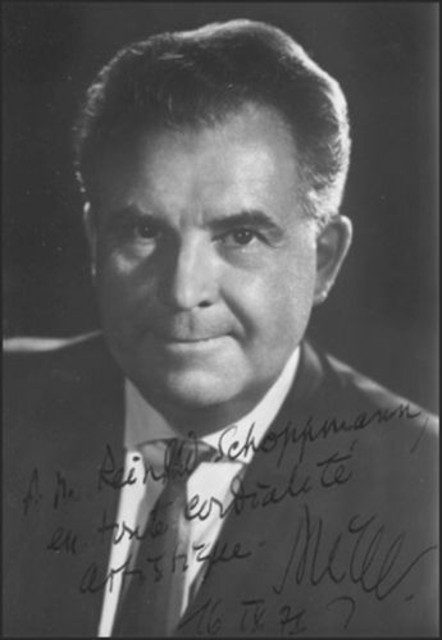
André Jolivet
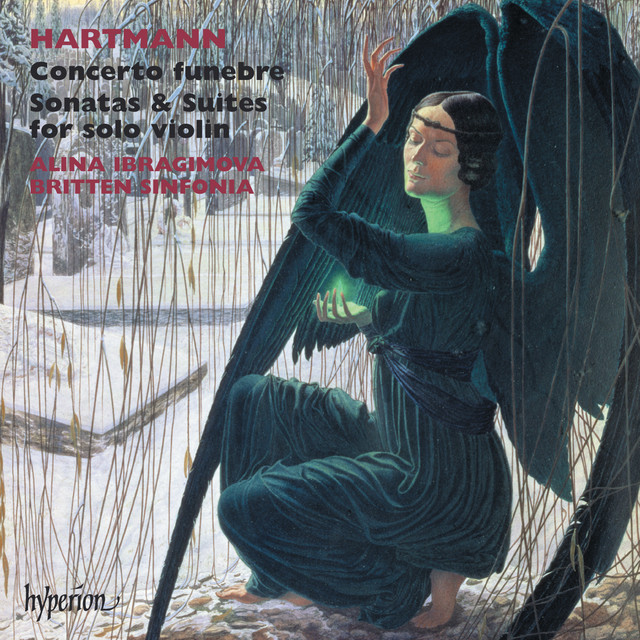
Karl Amadeus Hartmann


Aviv Quartet

Ernst Krenek

Mats Larsson

George Caird
Menachem Wiesenberg
Yuval Gotlibovich

Gideon Klein
Nikolai Myaskovsky
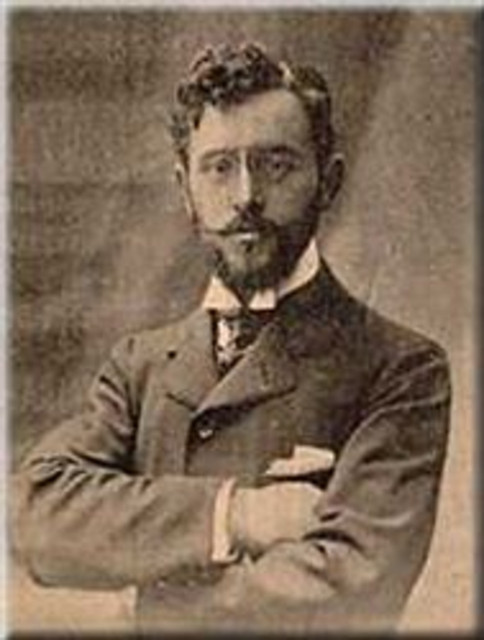
Florent Schmitt
Reto Bieri
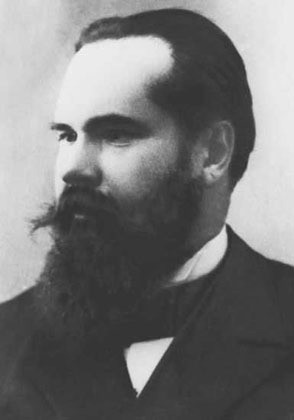
Mark Lubotsky
Michel Lethiec
Jan Michiels
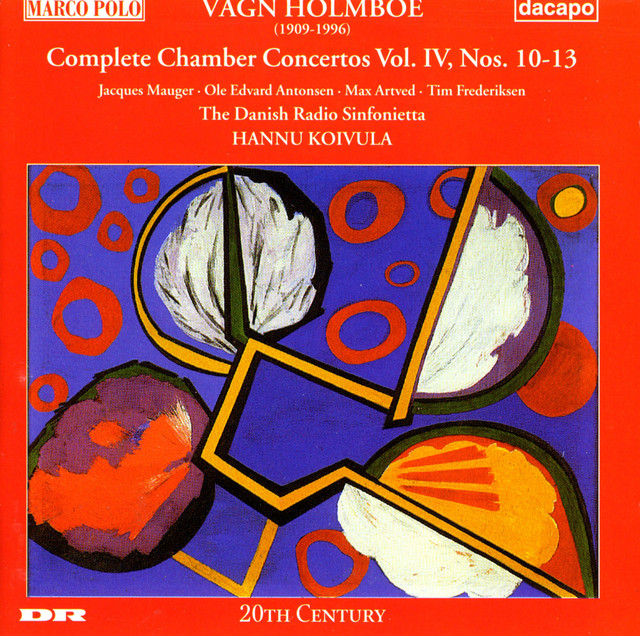
Vagn Holmboe
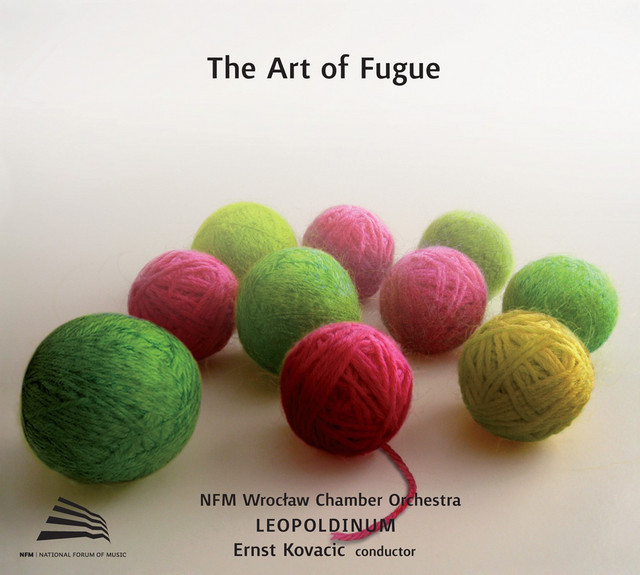
Ernst Kovacic