Artist
Wolfgang Rihm
Data may be outdated
Last updated: 7 months ago — Click refresh to get the latest statistics.
Wolfgang Rihm was a contemporary German composer and educator known for his unpredictable and spontaneous style, which incorporated both traditional and modern aesthetics. Possibly the most prolific composer of his generation, he wrote over 500 pieces in all secular genres.
Rihm was born in Karlsruhe on March 13, 1952, and he played the piano as a child and completed his first compositions by the age of 11. From 1968 to 1972, he studied composition and music theory with Eugen Werner Velte at the Hochschule für Musik Karlsruhe. After his graduation, he became a student of <a href="spotify:artist:5PkKmEWhfJ9jHVHXbZl0Ks">Karlheinz Stockhausen</a> until 1973, when he began teaching at the Hochschule für Musik Karlsruhe. He also continued his studies with <a href="spotify:artist:5hJwBP8tPrfvuIK1jE3emG">Klaus Huber</a> and Hans Eggebrecht. It was around this time when he composed Faust und Yorick and Jacob Lenz, which were both premiered in Hamburg in 1979. This performance brought recognition and numerous awards, and he became known for blending the tonalities of both the modern and romantic eras. Rihm was also inspired by the French avant-garde writer Antonin Artaud, and he became associated with the New Simplicity movement in the 1980s. This movement was a reaction to the experimental works of the 1950s and '60s and sought a return to the traditional forms and tonal language of the Classical and Romantic eras. Rihm was promoted to a full professorship in Karlsruhe in 1985, and he also taught Darmstadt Summer Courses beginning in 1978.
In addition to his theatrical contributions, Die Hamletmaschine and Oedipus, he also composed several large-scale orchestral pieces and instrumental cycles. Through the 1990s, Rihm explored the concept of "sound points," which employed the highest and lowest registers in harmonic clusters. He also avoided predictable patterns of musical development and used fragmented and spontaneous changes in dynamics, texture, and mood. He was the composer in residence at the 1997 Lucerne Festival, and in 1998, he was awarded an honorary doctorate from the Breie Universitat Berlin. He also served as composer in residence at festivals in both Salzburg and Strasbourg in 2000. He was honored with the Ernst von Siemens Music Prize in 2003, and the commissioned work Two Other Movements was premiered by the <a href="spotify:artist:3gacryguGmpmCvgPGt2CBI">New York Philharmonic</a> in 2004.
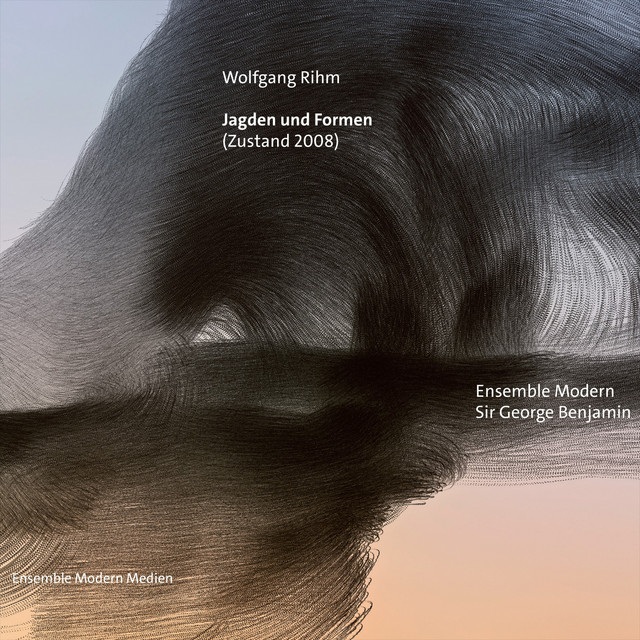
Rihm maintained his relentlessly productive pace as a composer into the 2010s, and he produced works for the festivals in Lucerne and countless commissions. In 2016, his Reminiszenz - Triptychon und Spruch in memoriam Hans Henny Jahnn was premiered in Hamburg, and his cantata Gebet der Hexe von Endor was premiered in Berlin in 2021. An album of his organ improvisations from the 1970s, Wolfgang Rihm improvisiert an der Orgel, was released in 2019. His music was also featured on the 2022 releases Wolfgang Rihm: Grat (Edge) - Works for and with Violoncello played by <a href="spotify:artist:4ETTChS2K3hlNiIk33ftJR">Friedrich Gauwerky</a>, and Musica Viva #40: Wolfgang Rihm - Jagden und Formen with Franck Ollu and the <a href="spotify:artist:74gWOpgM97HU3Mn8A8d0Vm">Bavarian Radio Symphony Orchestra</a>. Rihm remained active as a composer and educator and continued to work with the Lucerne Festival until he died on July 27, 2024, in Ettlingen, Germany. ~ RJ Lambert, Rovi
Rihm was born in Karlsruhe on March 13, 1952, and he played the piano as a child and completed his first compositions by the age of 11. From 1968 to 1972, he studied composition and music theory with Eugen Werner Velte at the Hochschule für Musik Karlsruhe. After his graduation, he became a student of <a href="spotify:artist:5PkKmEWhfJ9jHVHXbZl0Ks">Karlheinz Stockhausen</a> until 1973, when he began teaching at the Hochschule für Musik Karlsruhe. He also continued his studies with <a href="spotify:artist:5hJwBP8tPrfvuIK1jE3emG">Klaus Huber</a> and Hans Eggebrecht. It was around this time when he composed Faust und Yorick and Jacob Lenz, which were both premiered in Hamburg in 1979. This performance brought recognition and numerous awards, and he became known for blending the tonalities of both the modern and romantic eras. Rihm was also inspired by the French avant-garde writer Antonin Artaud, and he became associated with the New Simplicity movement in the 1980s. This movement was a reaction to the experimental works of the 1950s and '60s and sought a return to the traditional forms and tonal language of the Classical and Romantic eras. Rihm was promoted to a full professorship in Karlsruhe in 1985, and he also taught Darmstadt Summer Courses beginning in 1978.
In addition to his theatrical contributions, Die Hamletmaschine and Oedipus, he also composed several large-scale orchestral pieces and instrumental cycles. Through the 1990s, Rihm explored the concept of "sound points," which employed the highest and lowest registers in harmonic clusters. He also avoided predictable patterns of musical development and used fragmented and spontaneous changes in dynamics, texture, and mood. He was the composer in residence at the 1997 Lucerne Festival, and in 1998, he was awarded an honorary doctorate from the Breie Universitat Berlin. He also served as composer in residence at festivals in both Salzburg and Strasbourg in 2000. He was honored with the Ernst von Siemens Music Prize in 2003, and the commissioned work Two Other Movements was premiered by the <a href="spotify:artist:3gacryguGmpmCvgPGt2CBI">New York Philharmonic</a> in 2004.
Rihm maintained his relentlessly productive pace as a composer into the 2010s, and he produced works for the festivals in Lucerne and countless commissions. In 2016, his Reminiszenz - Triptychon und Spruch in memoriam Hans Henny Jahnn was premiered in Hamburg, and his cantata Gebet der Hexe von Endor was premiered in Berlin in 2021. An album of his organ improvisations from the 1970s, Wolfgang Rihm improvisiert an der Orgel, was released in 2019. His music was also featured on the 2022 releases Wolfgang Rihm: Grat (Edge) - Works for and with Violoncello played by <a href="spotify:artist:4ETTChS2K3hlNiIk33ftJR">Friedrich Gauwerky</a>, and Musica Viva #40: Wolfgang Rihm - Jagden und Formen with Franck Ollu and the <a href="spotify:artist:74gWOpgM97HU3Mn8A8d0Vm">Bavarian Radio Symphony Orchestra</a>. Rihm remained active as a composer and educator and continued to work with the Lucerne Festival until he died on July 27, 2024, in Ettlingen, Germany. ~ RJ Lambert, Rovi
Monthly Listeners
1,327
Monthly Listeners History
Track the evolution of monthly listeners over the last 28 days.
Followers
4,338
Followers History
Track the evolution of followers over the last 28 days.
Top Cities


Related Artists
Pascal Dusapin
Schoenberg Quartet
Reto Bieri
Roger Sessions
Friedrich Cerha
Christopher Oldfather


Franco Donatoni
Markus Bellheim
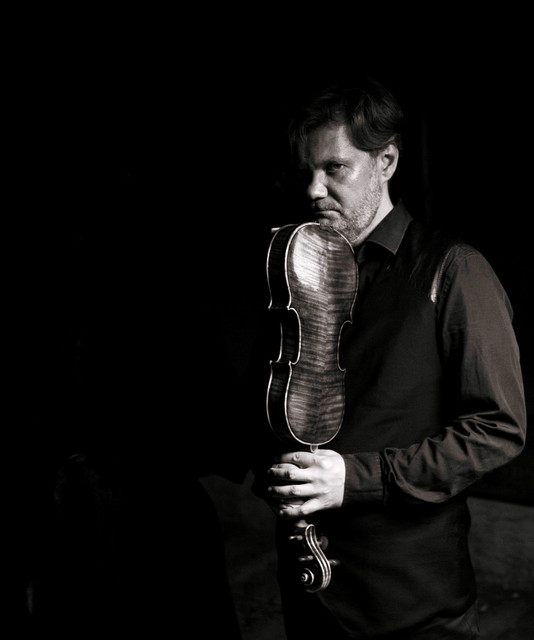
Milan Pala
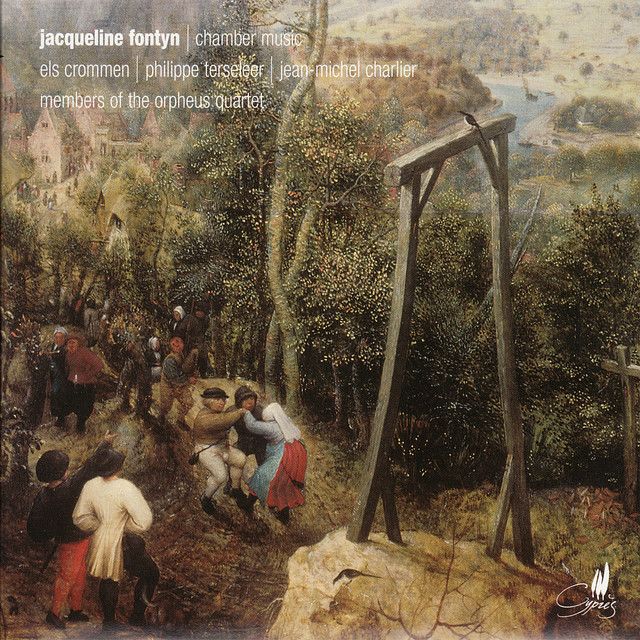
Jacqueline Fontyn


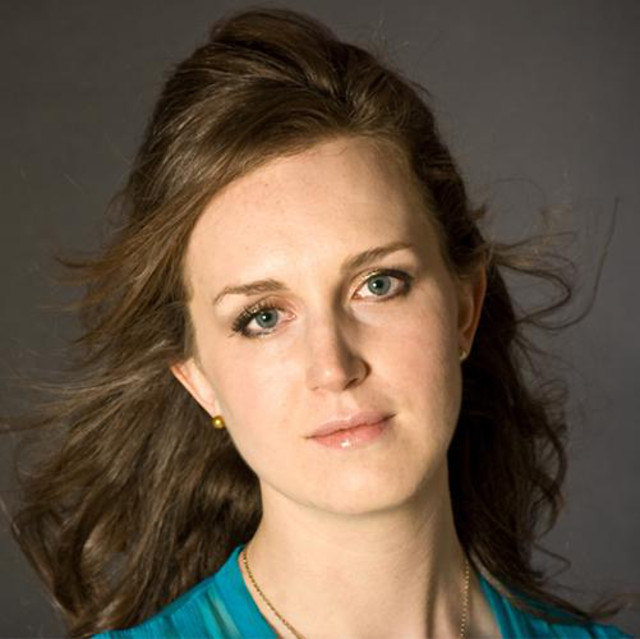
Helen Grime

Elena Firsova

Mats Larsson

Ernst Krenek

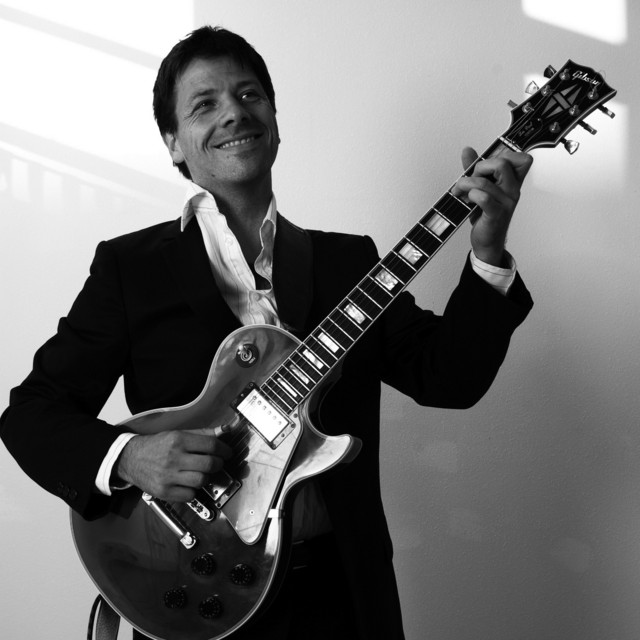
Tristan Murail
Theodor W. Adorno
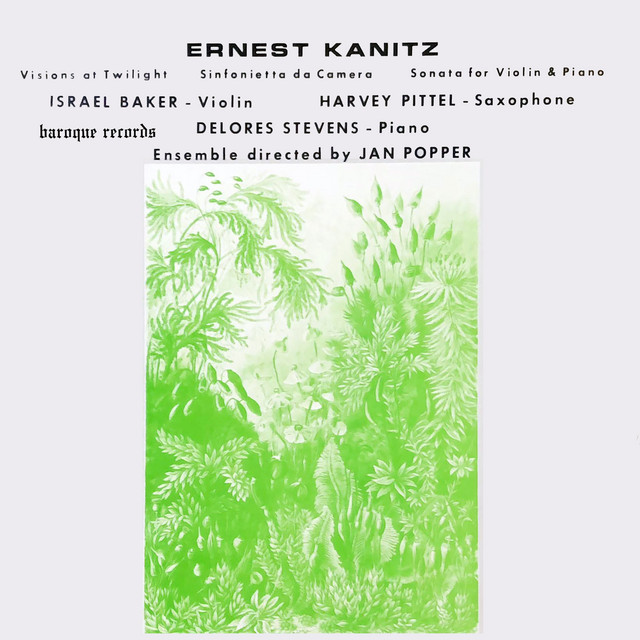
Ernest Kanitz
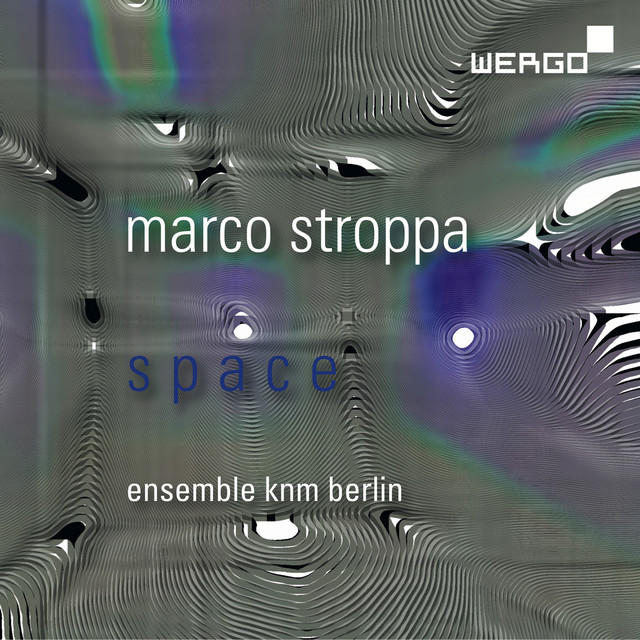
Marco Stroppa
Quatuor Diotima

Pavel Haas
Thomas Kaufmann

Robin de Raaff


Fabián Panisello
Karl Amadeus Hartmann