Artist
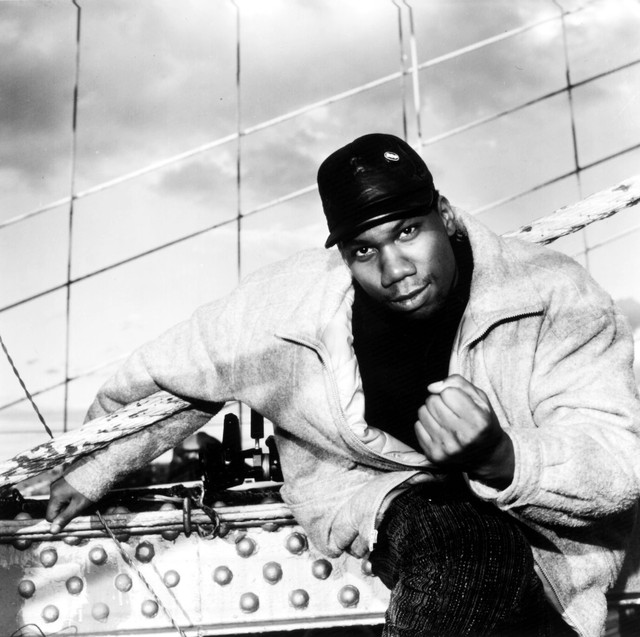
Big Daddy Kane
Data may be outdated
Last updated: 1 month ago — Click refresh to get the latest statistics.
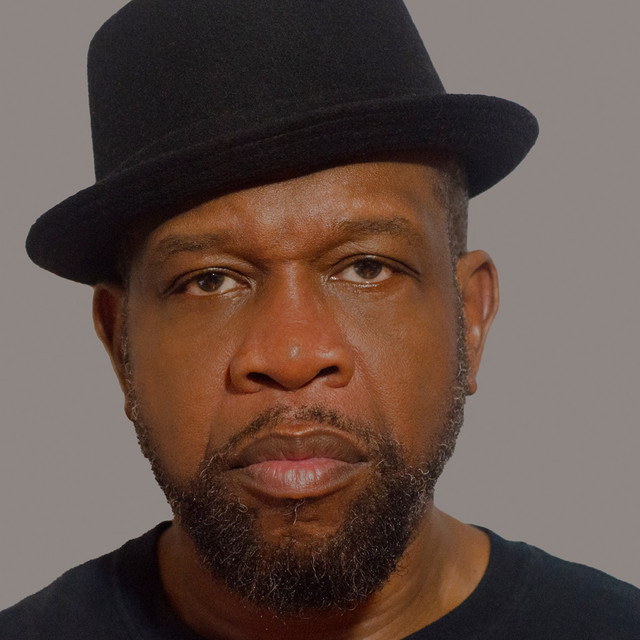
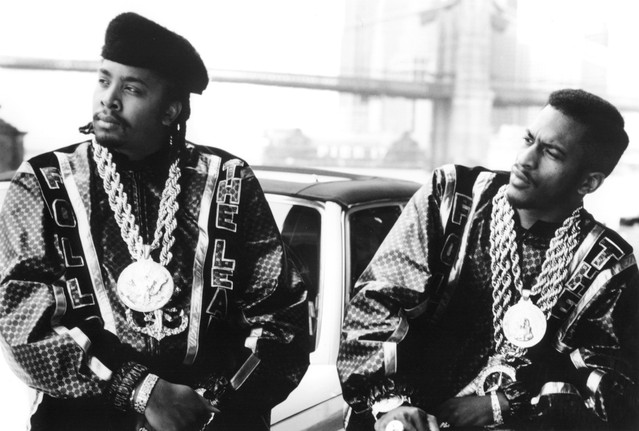
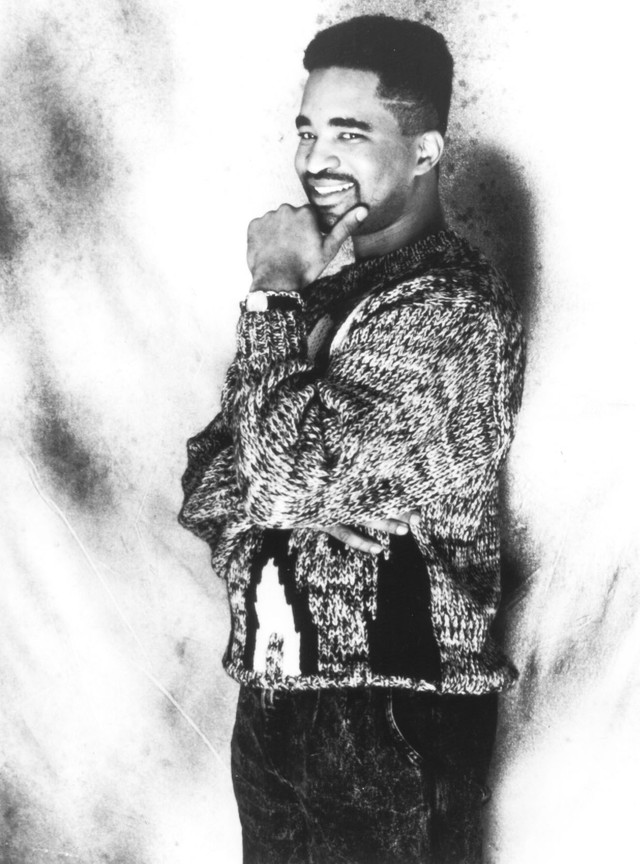
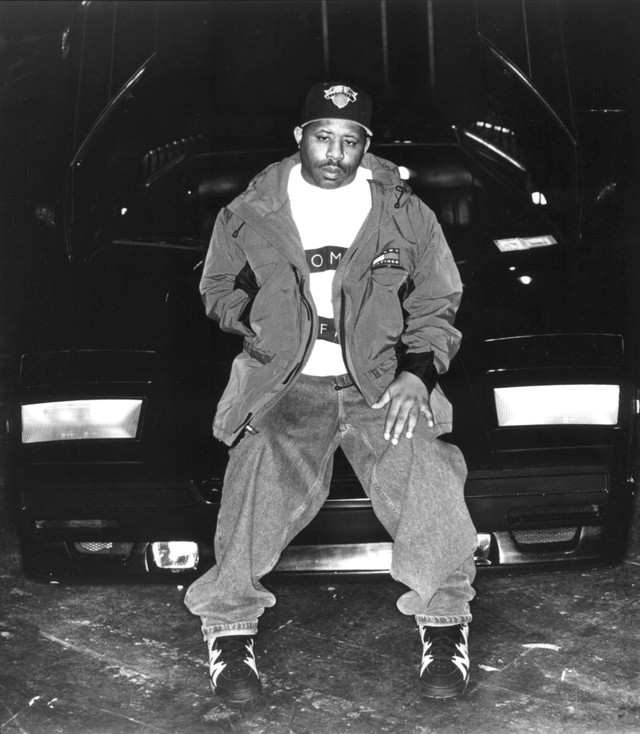
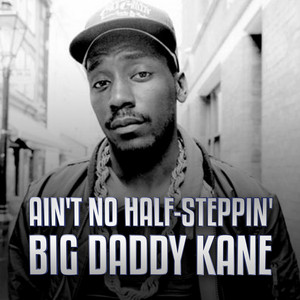
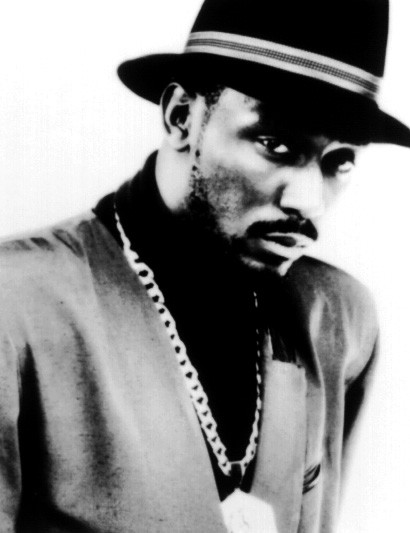
Big Daddy Kane was born Antonio Hardy in Brooklyn on September 10, 1968; the stage name "Kane" was an acronym for King Asiatic Nobody's Equal. In 1984, he met <a href="spotify:artist:22282KfMxDo2PMjnBc82I4">Biz Markie</a>, and the two struck up a friendship. Kane would go on to co-write some of <a href="spotify:artist:22282KfMxDo2PMjnBc82I4">the Biz</a>'s best-known raps, and both eventually became important members of the Queens-based Juice Crew, a collective headed by renowned producer <a href="spotify:artist:0AqfGv5Nifg1klh0iH4Nqs">Marley Marl</a>. Kane signed with <a href="spotify:artist:0AqfGv5Nifg1klh0iH4Nqs">Marl</a>'s <a href="spotify:search:label%3A%22Cold+Chillin%27%22">Cold Chillin'</a> label in 1987 and debuted the following year with the 12" single "Raw," which became an underground sensation. His first album, Long Live the Kane, followed not long after and was equally well-received, producing another underground classic in "Ain't No Half-Steppin'." Kane consolidated his success with 1989's It's a Big Daddy Thing, which spawned arguably his most effective love-man song in "Smooth Operator" (and also found him working with new jack producer <a href="spotify:artist:5VDmBevaLkMLnK0rLOjijw">Teddy Riley</a> on "I Get the Job Done"). 1990's A Taste of Chocolate was a wide-ranging effort, highlighted by Kane's duets with <a href="spotify:artist:3rfgbfpPSfXY40lzRK7Syt">Barry White</a> and comedian <a href="spotify:artist:04D6nPuCycr1pfTwXXqmDH">Rudy Ray Moore</a>, aka <a href="spotify:artist:04D6nPuCycr1pfTwXXqmDH">Dolemite</a>.
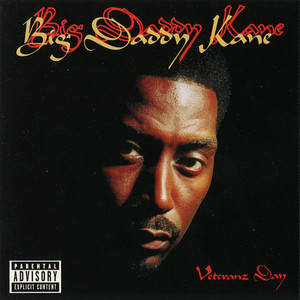
Kane's first major misstep came with the 1991 album Prince of Darkness, a mellower, more R&B-based collection that failed to play to the rapper's strong suits; however, he maintained his sex-symbol status by posing for <a href="spotify:artist:6tbjWDEIzxoDsBA1FuhfPW">Madonna</a>'s notorious 1992 photo book Sex, as well as Playgirl magazine. 1993's Looks Like a Job For... was something of an artistic comeback, but it failed to re-establish his status in the hip-hop community, which was in the midst of a <a href="spotify:artist:6DPYiyq5kWVQS4RGwxzPC7">Dr. Dre</a>-inspired love affair with gangsta rap. Kane moved to the <a href="spotify:search:label%3A%22MCA%22">MCA</a> label for 1994's Daddy's Home, and dabbled in an acting career with appearances in Mario Van Peebles' 1993 Black Western Posse and 1994's Gunmen. However, he largely retired from the scene over the next few years. Kane resurfaced in 1998 on <a href="spotify:search:label%3A%22Blackheart+Records%22">Blackheart Records</a>, releasing what was ostensibly his farewell album, Veteranz Day. ~ Steve Huey, Rovi
Monthly Listeners
475,424
Monthly Listeners History
Track the evolution of monthly listeners over the last 28 days.
Followers
607,131
Followers History
Track the evolution of followers over the last 28 days.
Total Streams
186.0 million
Total Streams History
Track the evolution of total streams over the last 28 days. This data is calculated from all tracks listed in the artist's discography.