Genre
hardcore hip hop
Top Hardcore hip hop Artists
Showing 25 of 1,041 artists

About Hardcore hip hop
Hardcore hip hop is a forceful, gritty subgenre of hip hop that foregrounds aggressive delivery, street-level realism, and rugged, sample-driven production. It crystallized in the late 1980s and took firm shape in New York City, where artists pushed back against party-focused trends and the smoother, radio-ready sounds that dominated the era. Rather than a single manifesto, it is best thought of as a continuum: a shared ethic of intensity, raw lyricism, and a drum‑heavy, often stripped-down sonic palette that leans on the boom‑bap foundation.
The sound is characterized by hard-edged rhymes, hard-hitting drums, and a willingness to address hardship, violence, poverty, and social struggle with unflinching candor. Lyrics can be confrontational and introspective in equal measure, blending street storytelling with political urgency. The production frequently relies on menacing bass lines, crisp breakbeats, and sparse yet relentless loops, sometimes sampled from funk or soul records, sometimes built from stark, modern textures. The result is a sonic atmosphere that can feel intimidating, intimate, or cathartic, depending on the track.
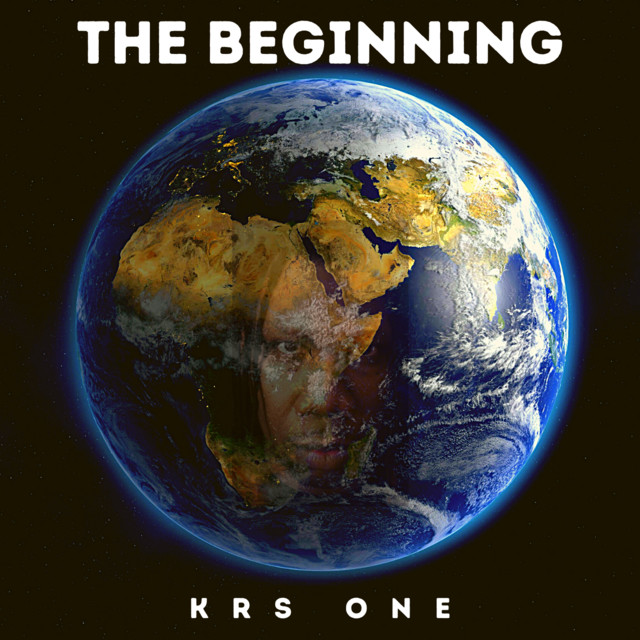
Within this space, several artists helped define the movement and served as ambassadors for its values. Early on, Boogie Down Productions frontman KRS‑ONE and Public Enemy set benchmarks for lyrical intensity and political engagement. On the production side, groups like Gang Starr, with DJ Premier’s crisp, visceral beats, became synonymous with the East Coast hardcore sound. As the 1990s progressed, Mobb Deep and Onyx delivered some of the most uncompromising street anthems of the era, while Wu-Tang Clan fused multi‑character storytelling and rugged production to create a sprawling, densely textured form of hardcore that felt both intimate and epic. Nas’s Illmatic, though often celebrated for its artistry, is widely regarded as a cornerstone for hardcore lyricism in its stark, unvarnished depictions of urban life. DMX represented a bruising late‑’90s voice, trading courtroom‑ready lines for primal energy and unfiltered emotion.
It’s important to recognize the movement’s relationship with other forms of street rap. Hardcore hip hop often overlaps with what some people call gangsta rap, sharing a shared emphasis on realism and an unflinching look at life in the streets, but hardcore hip hop tends to foreground a more aggressive, no‑frills ethos and a more “underground” or independent sensibility at various points in its history.
Countries where the sound has resonated beyond the United States include the United Kingdom and other parts of Europe, with France and Germany developing robust scenes, and Japan, Canada, and Australia sustaining their own devoted listener bases. In each region, local artists have adapted the core hardcore approach—keeping the intensity, speeding up or mutating the cadence, and pairing it with regional production flavors—while maintaining the lineage of the original East Coast surge.
Today, hardcore hip hop remains a touchstone for listeners who value honesty, grit, and craftsmanship. It’s less about fashion and more about the persistence of a hard‑edged, uncompromising voice in a genre that continues to evolve by pushing its own boundaries. If you chase music that sounds like a city at 2 a.m.—tense, heartfelt, and relentless—hardcore hip hop is, and has long been, a primary corridor.
The sound is characterized by hard-edged rhymes, hard-hitting drums, and a willingness to address hardship, violence, poverty, and social struggle with unflinching candor. Lyrics can be confrontational and introspective in equal measure, blending street storytelling with political urgency. The production frequently relies on menacing bass lines, crisp breakbeats, and sparse yet relentless loops, sometimes sampled from funk or soul records, sometimes built from stark, modern textures. The result is a sonic atmosphere that can feel intimidating, intimate, or cathartic, depending on the track.
Within this space, several artists helped define the movement and served as ambassadors for its values. Early on, Boogie Down Productions frontman KRS‑ONE and Public Enemy set benchmarks for lyrical intensity and political engagement. On the production side, groups like Gang Starr, with DJ Premier’s crisp, visceral beats, became synonymous with the East Coast hardcore sound. As the 1990s progressed, Mobb Deep and Onyx delivered some of the most uncompromising street anthems of the era, while Wu-Tang Clan fused multi‑character storytelling and rugged production to create a sprawling, densely textured form of hardcore that felt both intimate and epic. Nas’s Illmatic, though often celebrated for its artistry, is widely regarded as a cornerstone for hardcore lyricism in its stark, unvarnished depictions of urban life. DMX represented a bruising late‑’90s voice, trading courtroom‑ready lines for primal energy and unfiltered emotion.
It’s important to recognize the movement’s relationship with other forms of street rap. Hardcore hip hop often overlaps with what some people call gangsta rap, sharing a shared emphasis on realism and an unflinching look at life in the streets, but hardcore hip hop tends to foreground a more aggressive, no‑frills ethos and a more “underground” or independent sensibility at various points in its history.
Countries where the sound has resonated beyond the United States include the United Kingdom and other parts of Europe, with France and Germany developing robust scenes, and Japan, Canada, and Australia sustaining their own devoted listener bases. In each region, local artists have adapted the core hardcore approach—keeping the intensity, speeding up or mutating the cadence, and pairing it with regional production flavors—while maintaining the lineage of the original East Coast surge.
Today, hardcore hip hop remains a touchstone for listeners who value honesty, grit, and craftsmanship. It’s less about fashion and more about the persistence of a hard‑edged, uncompromising voice in a genre that continues to evolve by pushing its own boundaries. If you chase music that sounds like a city at 2 a.m.—tense, heartfelt, and relentless—hardcore hip hop is, and has long been, a primary corridor.