Last updated: 1 day ago
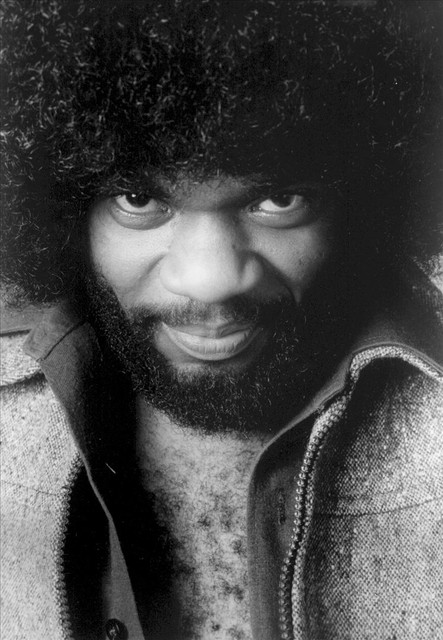
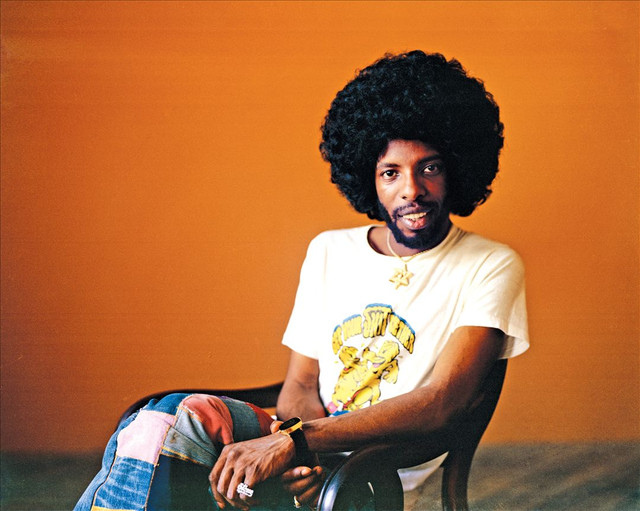
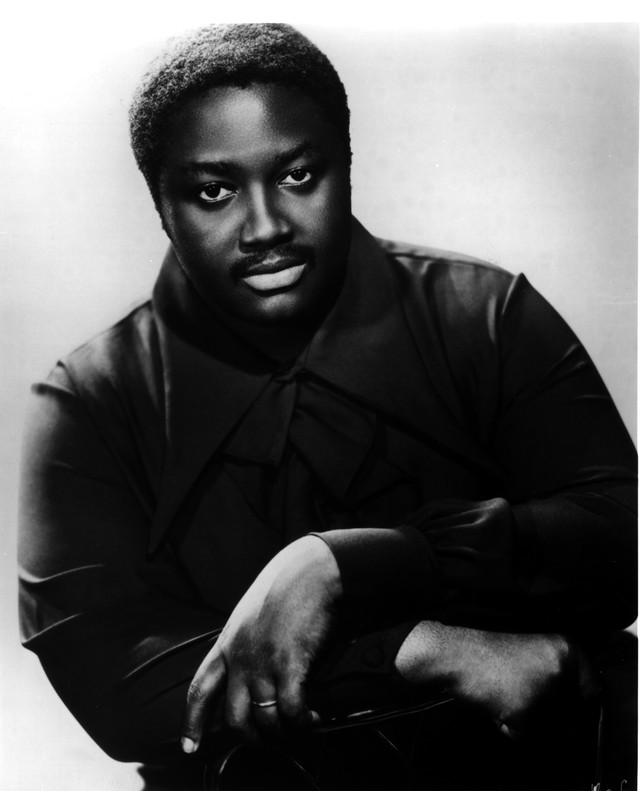
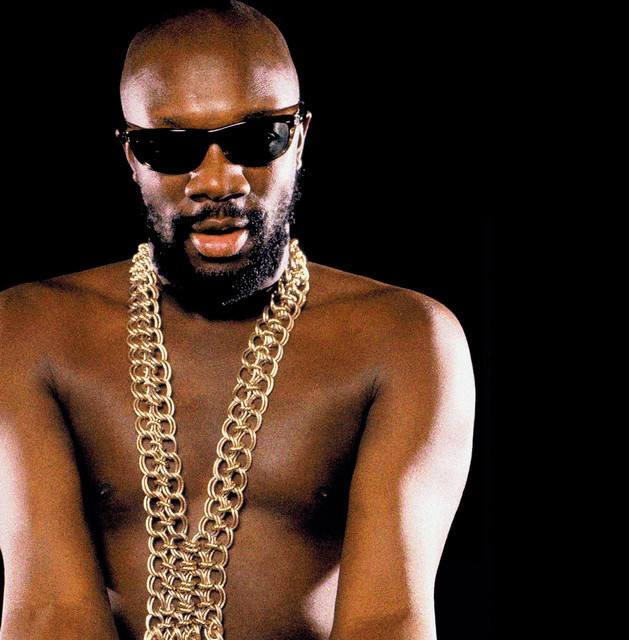
Although he enjoyed a period of solo success with 1970s soul smashes like "Will It Go Round in Circles," "Nothing from Nothing," and the Grammy-winning funk instrumental "Outa-Space," keyboardist, singer, and songwriter Billy Preston was best known for his prolific work as a sideman and collaborator throughout R&B, rock, soul, and gospel music. A self-taught child prodigy, the Houston native cut his teeth as a teenager in the late '50s and early '60s backing up <a href="spotify:artist:4xls23Ye9WR9yy3yYMpAMm">Little Richard</a>, <a href="spotify:artist:6hnWRPzGGKiapVX1UCdEAC">Sam Cooke</a>, and later, <a href="spotify:artist:1eYhYunlNJlDoQhtYBvPsi">Ray Charles</a>. In 1969, he was invited to join <a href="spotify:artist:3WrFJ7ztbogyGnTHbHJFl2">the Beatles</a> on their Let It Be sessions and their famous final rooftop concert. After this, Preston hit his commercial and creative stride as an artist, delivering a series of popular soul albums of his own and playing sideman to <a href="spotify:artist:22bE4uQ6baNwSHPVcDxLCe">the Rolling Stones</a> and <a href="spotify:artist:7FIoB5PHdrMZVC3q2HE5MS">George Harrison</a>, among many others. Struggles with addiction curtailed his career in the '80s and early '90s, though even after his solo career had dried up, Preston remained a popular session player, working with <a href="spotify:artist:6PAt558ZEZl0DmdXlnjMgD">Eric Clapton</a>, <a href="spotify:artist:7mEIug7XUlQHikrFxjTWes">Neil Diamond</a>, and <a href="spotify:artist:0L8ExT028jH3ddEcZwqJJ5">Red Hot Chili Peppers</a> in the early to mid-2000s.
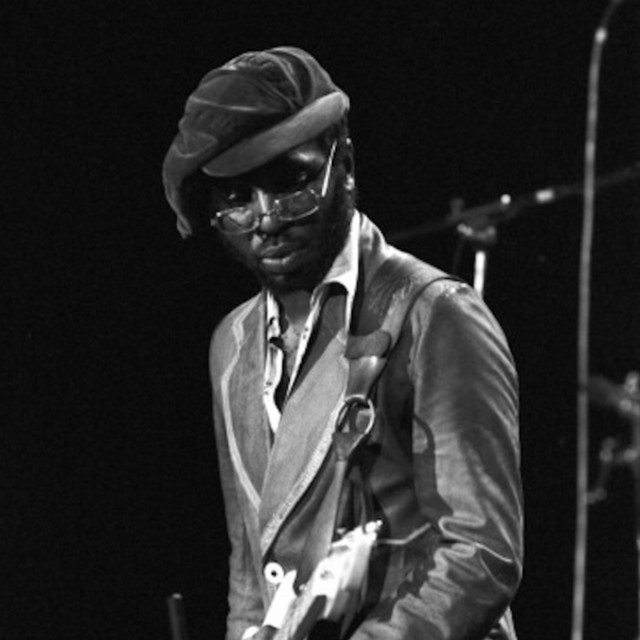
William Everett Preston was born in Houston, Texas, on September 2, 1946, eventually moving with his mother to Los Angeles, where he spent much of his childhood. Early on, his musical talent on piano and organ was abundant. By age 11, he had already backed up gospel diva <a href="spotify:artist:6QBUIuGCAJSAtefEY1EEdB">Mahalia Jackson</a> and sung on television with <a href="spotify:artist:7v4imS0moSyGdXyLgVTIV7">Nat King Cole</a>. In 1958, he was cast in St. Louis Blues, the Hollywood biopic of <a href="spotify:artist:7mDbAZV24eEmw5VJpKlCi9">W.C. Handy</a>, playing young <a href="spotify:artist:7mDbAZV24eEmw5VJpKlCi9">Handy</a> himself. Preston's musical tutelage continued with a teenage stint in <a href="spotify:artist:4xls23Ye9WR9yy3yYMpAMm">Little Richard</a>'s band; it was on a European tour with <a href="spotify:artist:4xls23Ye9WR9yy3yYMpAMm">Richard</a> in Hamburg, Germany, that he first befriended <a href="spotify:artist:3WrFJ7ztbogyGnTHbHJFl2">the Beatles</a>. Preston was still in high school when, in 1963, <a href="spotify:artist:6hnWRPzGGKiapVX1UCdEAC">Sam Cooke</a> signed him to record his debut album, 16 Yr. Old Soul. During the mid-'60s, he was a regular on the popular TV series Shindig! and cut moderately successful records for <a href="spotify:search:label%3A%22Vee-Jay%22">Vee-Jay</a>, <a href="spotify:search:label%3A%22Exodus%22">Exodus</a>, and Capitol Records, but it was his growing docket of session work that helped build his reputation within the industry.
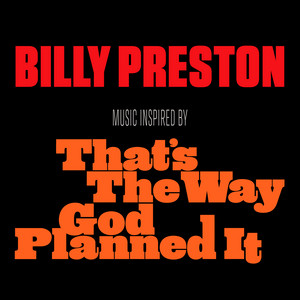
In January 1969, Preston was in London playing with <a href="spotify:artist:1eYhYunlNJlDoQhtYBvPsi">Ray Charles</a> when <a href="spotify:artist:7FIoB5PHdrMZVC3q2HE5MS">George Harrison</a> invited him to visit <a href="spotify:artist:3WrFJ7ztbogyGnTHbHJFl2">the Beatles</a>' newly built <a href="spotify:search:label%3A%22Apple+Records%22">Apple Records</a> rehearsal space. The band was in the midst of their Let It Be sessions, and the keyboardist's nimble electric piano and organ parts proved to be the glue that helped seal up songs like "Don't Let Me Down" and "Get Back." His effortless musicality and easygoing nature were widely appreciated by the band, but it was the fortuitous timing of his visit that allowed him to become part of history. Preston's contributions to the album were so significant that he became only the second artist to receive joint credit on a <a href="spotify:artist:3WrFJ7ztbogyGnTHbHJFl2">Beatles</a> single (for "Get Back") and he was immortalized on film playing alongside the group during their final rooftop performance. <a href="spotify:search:label%3A%22Apple%22">Apple</a> subsequently signed Preston as a solo artist, and his <a href="spotify:artist:7FIoB5PHdrMZVC3q2HE5MS">Harrison</a>-produced fourth album, That's the Way God Planned It, was released in August, yielding a U.K. hit in its title track. He joined <a href="spotify:artist:3WrFJ7ztbogyGnTHbHJFl2">the Beatles</a> one more time to play on their Abbey Road album, and even after their 1970 split remained a close ally, especially to <a href="spotify:artist:7FIoB5PHdrMZVC3q2HE5MS">Harrison</a>, whose solo albums frequently featured the keyboardist.
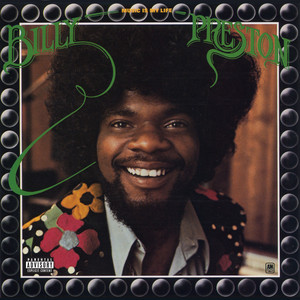
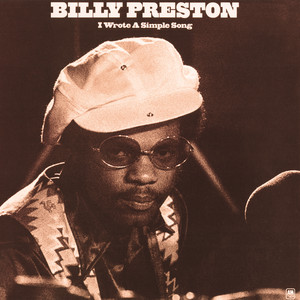
The early '70s were a peak era for Preston, who, after one more release on <a href="spotify:search:label%3A%22Apple%22">Apple</a>, signed a deal with <a href="spotify:search:label%3A%22A%26M%22">A&M</a> and released 1971's I Wrote a Simple Song. One of its singles, the clavinet-led psych-funk instrumental "Outa-Space" became a major hit and won a Grammy Award for Best Pop Instrumental Performance. His next album, 1972's Music Is My Life, benefitted from another hit single in "Will It Go Round in Circles," and 1973's Everybody Likes Some Kind of Music spawned the R&B chart-topper "Space Race." Meanwhile, Preston had forged a working relationship not only with ex-<a href="spotify:artist:3WrFJ7ztbogyGnTHbHJFl2">Beatles</a> <a href="spotify:artist:7FIoB5PHdrMZVC3q2HE5MS">Harrison</a> and <a href="spotify:artist:6DbJi8AcN5ANdtvJcwBSw8">Ringo Starr</a> but with <a href="spotify:artist:22bE4uQ6baNwSHPVcDxLCe">the Rolling Stones</a>, who featured his talents liberally throughout the '70s on albums like Sticky Fingers, Exile on Main Street, Goat's Head Soup, and It's Only Rock 'n Roll. He also benefited as a songwriter when <a href="spotify:artist:3pFCERyEiP5xeN2EsPXhjI">Joe Cocker</a> made a 1975 hit of his ballad "You Are So Beautiful." After wrapping up his <a href="spotify:search:label%3A%22A%26M%22">A&M</a> tenure with 1977's A Whole New Thing, Preston appeared alongside <a href="spotify:artist:0543y7yrvny4KymoaneT4W">Peter Frampton</a> and the <a href="spotify:artist:1LZEQNv7sE11VDY3SdxQeN">Bee Gees</a> in the much-maligned <a href="spotify:artist:3WrFJ7ztbogyGnTHbHJFl2">Beatles</a>-themed movie Sgt. Pepper's Lonely Hearts Club Band.
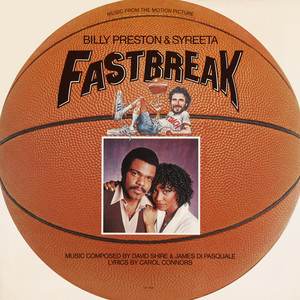
Though his star was waning as a solo artist, <a href="spotify:search:label%3A%22Motown%22">Motown</a> signed him, and he enjoyed a surprise hit in the Syreeta Wright duet "With You I'm Born Again" from his 1979 album Late at Night. After guesting on <a href="spotify:artist:594LqcHtMvKoR0URmSiYJB">Syreeta</a>'s 1980 release, the two paired up for a joint album of duets in 1981 titled Billy Preston & Syreeta. It would be his last solo album to chart.
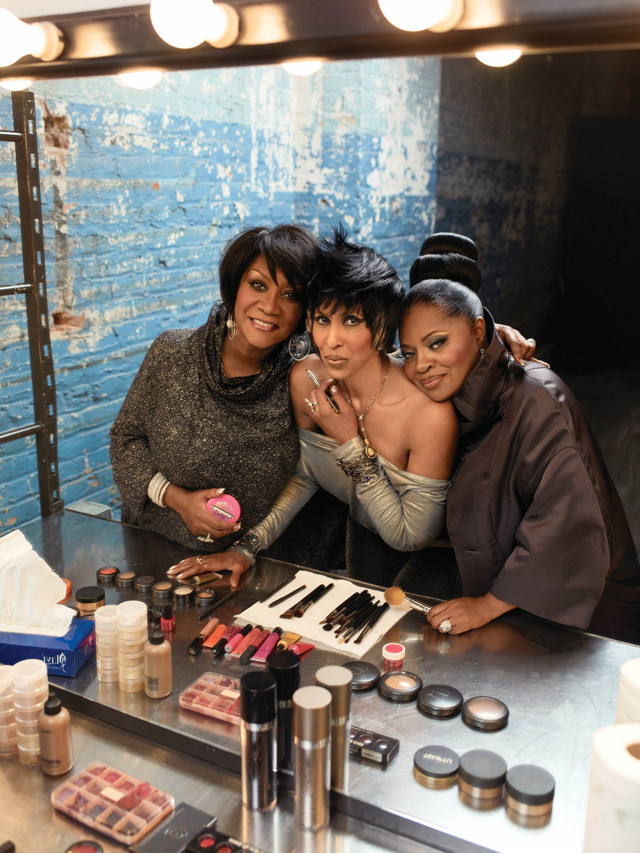
By the early-'80s, Preston's career as a recording artist had ebbed, and his ongoing struggles with drug and alcohol addiction killed what momentum he had left. His solo work became sporadic, and he shifted focus to doing session work with R&B artists like <a href="spotify:artist:19y5MFBH7gohEdGwKM7QsP">Luther Vandross</a>, <a href="spotify:artist:0ty0xha1dbprYIUAQufkFn">Patti Labelle</a>, and <a href="spotify:artist:6XpaIBNiVzIetEPCWDvAFP">Whitney Houston</a>. His <a href="spotify:artist:3WrFJ7ztbogyGnTHbHJFl2">Beatles</a> connection was revived when he joined the inaugural edition of Ringo Starr & His All-Starr Band in 1989. Preston continued to struggle in the '90s as years of drug abuse and subsequent legal troubles took their toll. He made a gospel album and briefly teamed up with Italian group Novocento for 1997's You & I.
Around the turn of the millennium, however, his prospects began to change. Preston made an appearance in the Blues Brothers 2000 film, joined <a href="spotify:artist:6PAt558ZEZl0DmdXlnjMgD">Eric Clapton</a>'s band, and, following <a href="spotify:artist:7FIoB5PHdrMZVC3q2HE5MS">George Harrison</a>'s death in late 2001, paid tribute to his friend at the 2002 Concert for George. The demand for Preston's session work also picked up, and he appeared on albums by <a href="spotify:artist:3PhoLpVuITZKcymswpck5b">Elton John</a>, <a href="spotify:artist:5hW4L92KnC6dX9t7tYM4Ve">Joni Mitchell</a>, <a href="spotify:artist:6kACVPfCOnqzgfEF5ryl0x">Johnny Cash</a>, and <a href="spotify:artist:7mEIug7XUlQHikrFxjTWes">Neil Diamond</a>. Hampering this career revival was a series of increasingly dire health issues. His ongoing battle with kidney disease and a subsequent kidney transplant failed to improve his situation. In spite of this, Preston continued to take work, making a guest appearance on American Idol and doing sessions with <a href="spotify:artist:1eYhYunlNJlDoQhtYBvPsi">Ray Charles</a>, <a href="spotify:artist:0L8ExT028jH3ddEcZwqJJ5">Red Hot Chili Peppers</a>, and a joint album by <a href="spotify:artist:6PAt558ZEZl0DmdXlnjMgD">Clapton</a> and <a href="spotify:artist:06nsZ3qSOYZ2hPVIMcr1IN">J.J. Cale</a>. Suffering from complications of pericarditis, Preston went into a coma in late 2005 and eventually died on June 6, 2006, in Scottsdale, Arizona. ~ Timothy Monger, Rovi
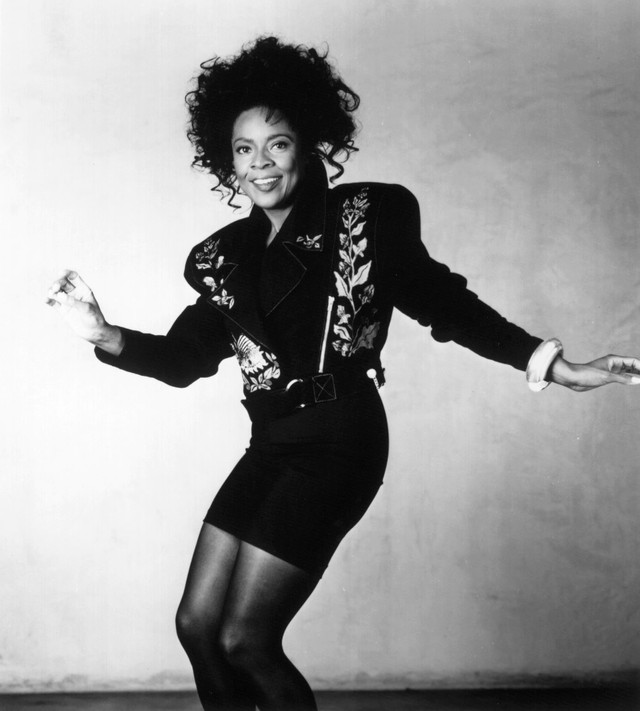
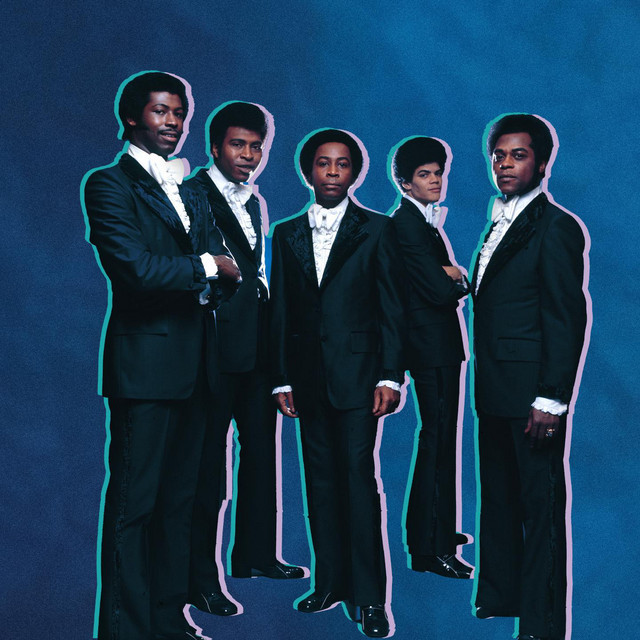
William Everett Preston was born in Houston, Texas, on September 2, 1946, eventually moving with his mother to Los Angeles, where he spent much of his childhood. Early on, his musical talent on piano and organ was abundant. By age 11, he had already backed up gospel diva <a href="spotify:artist:6QBUIuGCAJSAtefEY1EEdB">Mahalia Jackson</a> and sung on television with <a href="spotify:artist:7v4imS0moSyGdXyLgVTIV7">Nat King Cole</a>. In 1958, he was cast in St. Louis Blues, the Hollywood biopic of <a href="spotify:artist:7mDbAZV24eEmw5VJpKlCi9">W.C. Handy</a>, playing young <a href="spotify:artist:7mDbAZV24eEmw5VJpKlCi9">Handy</a> himself. Preston's musical tutelage continued with a teenage stint in <a href="spotify:artist:4xls23Ye9WR9yy3yYMpAMm">Little Richard</a>'s band; it was on a European tour with <a href="spotify:artist:4xls23Ye9WR9yy3yYMpAMm">Richard</a> in Hamburg, Germany, that he first befriended <a href="spotify:artist:3WrFJ7ztbogyGnTHbHJFl2">the Beatles</a>. Preston was still in high school when, in 1963, <a href="spotify:artist:6hnWRPzGGKiapVX1UCdEAC">Sam Cooke</a> signed him to record his debut album, 16 Yr. Old Soul. During the mid-'60s, he was a regular on the popular TV series Shindig! and cut moderately successful records for <a href="spotify:search:label%3A%22Vee-Jay%22">Vee-Jay</a>, <a href="spotify:search:label%3A%22Exodus%22">Exodus</a>, and Capitol Records, but it was his growing docket of session work that helped build his reputation within the industry.
In January 1969, Preston was in London playing with <a href="spotify:artist:1eYhYunlNJlDoQhtYBvPsi">Ray Charles</a> when <a href="spotify:artist:7FIoB5PHdrMZVC3q2HE5MS">George Harrison</a> invited him to visit <a href="spotify:artist:3WrFJ7ztbogyGnTHbHJFl2">the Beatles</a>' newly built <a href="spotify:search:label%3A%22Apple+Records%22">Apple Records</a> rehearsal space. The band was in the midst of their Let It Be sessions, and the keyboardist's nimble electric piano and organ parts proved to be the glue that helped seal up songs like "Don't Let Me Down" and "Get Back." His effortless musicality and easygoing nature were widely appreciated by the band, but it was the fortuitous timing of his visit that allowed him to become part of history. Preston's contributions to the album were so significant that he became only the second artist to receive joint credit on a <a href="spotify:artist:3WrFJ7ztbogyGnTHbHJFl2">Beatles</a> single (for "Get Back") and he was immortalized on film playing alongside the group during their final rooftop performance. <a href="spotify:search:label%3A%22Apple%22">Apple</a> subsequently signed Preston as a solo artist, and his <a href="spotify:artist:7FIoB5PHdrMZVC3q2HE5MS">Harrison</a>-produced fourth album, That's the Way God Planned It, was released in August, yielding a U.K. hit in its title track. He joined <a href="spotify:artist:3WrFJ7ztbogyGnTHbHJFl2">the Beatles</a> one more time to play on their Abbey Road album, and even after their 1970 split remained a close ally, especially to <a href="spotify:artist:7FIoB5PHdrMZVC3q2HE5MS">Harrison</a>, whose solo albums frequently featured the keyboardist.
The early '70s were a peak era for Preston, who, after one more release on <a href="spotify:search:label%3A%22Apple%22">Apple</a>, signed a deal with <a href="spotify:search:label%3A%22A%26M%22">A&M</a> and released 1971's I Wrote a Simple Song. One of its singles, the clavinet-led psych-funk instrumental "Outa-Space" became a major hit and won a Grammy Award for Best Pop Instrumental Performance. His next album, 1972's Music Is My Life, benefitted from another hit single in "Will It Go Round in Circles," and 1973's Everybody Likes Some Kind of Music spawned the R&B chart-topper "Space Race." Meanwhile, Preston had forged a working relationship not only with ex-<a href="spotify:artist:3WrFJ7ztbogyGnTHbHJFl2">Beatles</a> <a href="spotify:artist:7FIoB5PHdrMZVC3q2HE5MS">Harrison</a> and <a href="spotify:artist:6DbJi8AcN5ANdtvJcwBSw8">Ringo Starr</a> but with <a href="spotify:artist:22bE4uQ6baNwSHPVcDxLCe">the Rolling Stones</a>, who featured his talents liberally throughout the '70s on albums like Sticky Fingers, Exile on Main Street, Goat's Head Soup, and It's Only Rock 'n Roll. He also benefited as a songwriter when <a href="spotify:artist:3pFCERyEiP5xeN2EsPXhjI">Joe Cocker</a> made a 1975 hit of his ballad "You Are So Beautiful." After wrapping up his <a href="spotify:search:label%3A%22A%26M%22">A&M</a> tenure with 1977's A Whole New Thing, Preston appeared alongside <a href="spotify:artist:0543y7yrvny4KymoaneT4W">Peter Frampton</a> and the <a href="spotify:artist:1LZEQNv7sE11VDY3SdxQeN">Bee Gees</a> in the much-maligned <a href="spotify:artist:3WrFJ7ztbogyGnTHbHJFl2">Beatles</a>-themed movie Sgt. Pepper's Lonely Hearts Club Band.
Though his star was waning as a solo artist, <a href="spotify:search:label%3A%22Motown%22">Motown</a> signed him, and he enjoyed a surprise hit in the Syreeta Wright duet "With You I'm Born Again" from his 1979 album Late at Night. After guesting on <a href="spotify:artist:594LqcHtMvKoR0URmSiYJB">Syreeta</a>'s 1980 release, the two paired up for a joint album of duets in 1981 titled Billy Preston & Syreeta. It would be his last solo album to chart.
By the early-'80s, Preston's career as a recording artist had ebbed, and his ongoing struggles with drug and alcohol addiction killed what momentum he had left. His solo work became sporadic, and he shifted focus to doing session work with R&B artists like <a href="spotify:artist:19y5MFBH7gohEdGwKM7QsP">Luther Vandross</a>, <a href="spotify:artist:0ty0xha1dbprYIUAQufkFn">Patti Labelle</a>, and <a href="spotify:artist:6XpaIBNiVzIetEPCWDvAFP">Whitney Houston</a>. His <a href="spotify:artist:3WrFJ7ztbogyGnTHbHJFl2">Beatles</a> connection was revived when he joined the inaugural edition of Ringo Starr & His All-Starr Band in 1989. Preston continued to struggle in the '90s as years of drug abuse and subsequent legal troubles took their toll. He made a gospel album and briefly teamed up with Italian group Novocento for 1997's You & I.
Around the turn of the millennium, however, his prospects began to change. Preston made an appearance in the Blues Brothers 2000 film, joined <a href="spotify:artist:6PAt558ZEZl0DmdXlnjMgD">Eric Clapton</a>'s band, and, following <a href="spotify:artist:7FIoB5PHdrMZVC3q2HE5MS">George Harrison</a>'s death in late 2001, paid tribute to his friend at the 2002 Concert for George. The demand for Preston's session work also picked up, and he appeared on albums by <a href="spotify:artist:3PhoLpVuITZKcymswpck5b">Elton John</a>, <a href="spotify:artist:5hW4L92KnC6dX9t7tYM4Ve">Joni Mitchell</a>, <a href="spotify:artist:6kACVPfCOnqzgfEF5ryl0x">Johnny Cash</a>, and <a href="spotify:artist:7mEIug7XUlQHikrFxjTWes">Neil Diamond</a>. Hampering this career revival was a series of increasingly dire health issues. His ongoing battle with kidney disease and a subsequent kidney transplant failed to improve his situation. In spite of this, Preston continued to take work, making a guest appearance on American Idol and doing sessions with <a href="spotify:artist:1eYhYunlNJlDoQhtYBvPsi">Ray Charles</a>, <a href="spotify:artist:0L8ExT028jH3ddEcZwqJJ5">Red Hot Chili Peppers</a>, and a joint album by <a href="spotify:artist:6PAt558ZEZl0DmdXlnjMgD">Clapton</a> and <a href="spotify:artist:06nsZ3qSOYZ2hPVIMcr1IN">J.J. Cale</a>. Suffering from complications of pericarditis, Preston went into a coma in late 2005 and eventually died on June 6, 2006, in Scottsdale, Arizona. ~ Timothy Monger, Rovi
Monthly Listeners
1.2 million
Monthly Listeners History
Track the evolution of monthly listeners over the last 28 days.
Followers
169,950
Followers History
Track the evolution of followers over the last 28 days.
Total Streams
637.9 million
Total Streams History
Track the evolution of total streams over the last 28 days. This data is calculated from all tracks listed in the artist's discography.
Top Cities
21,448 listeners
19,070 listeners
13,797 listeners
13,233 listeners
13,293 listeners