Data may be outdated
Last updated: 9 months ago — Click refresh to get the latest statistics.
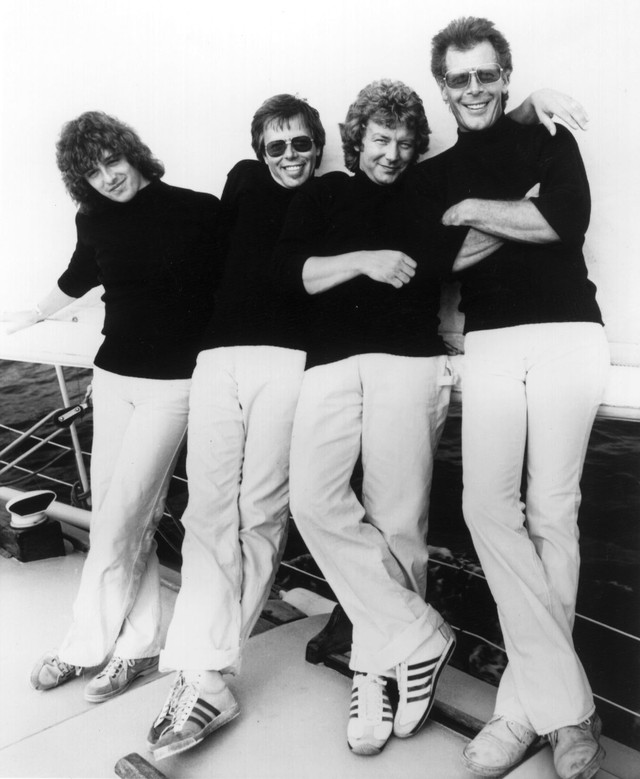
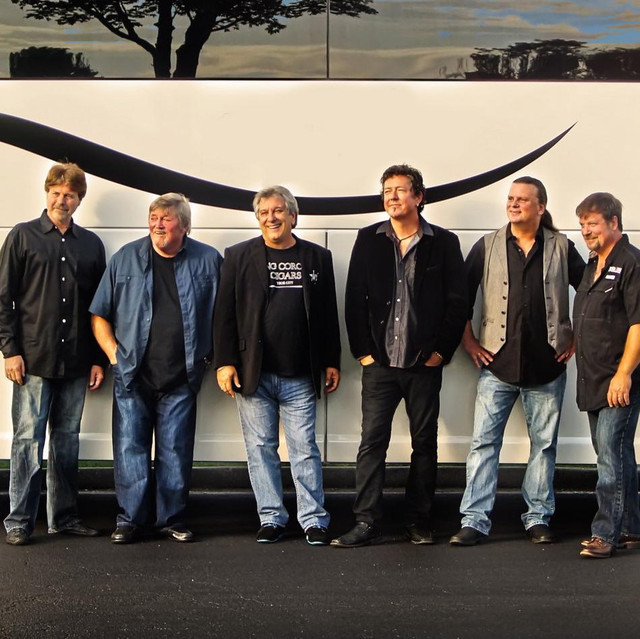
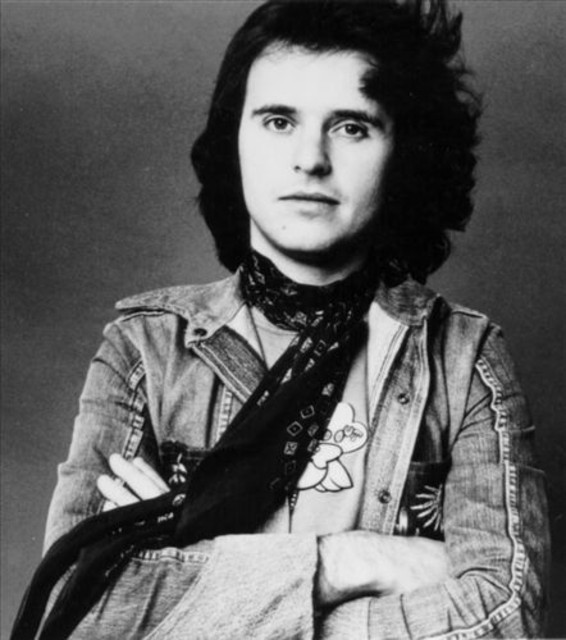
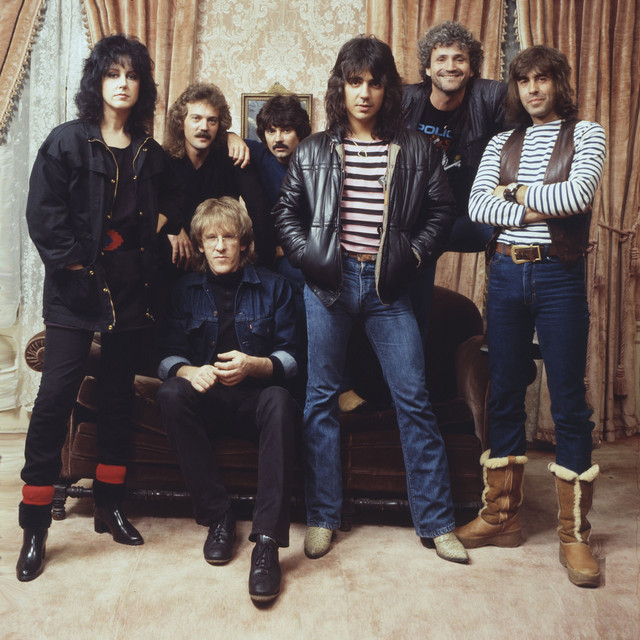
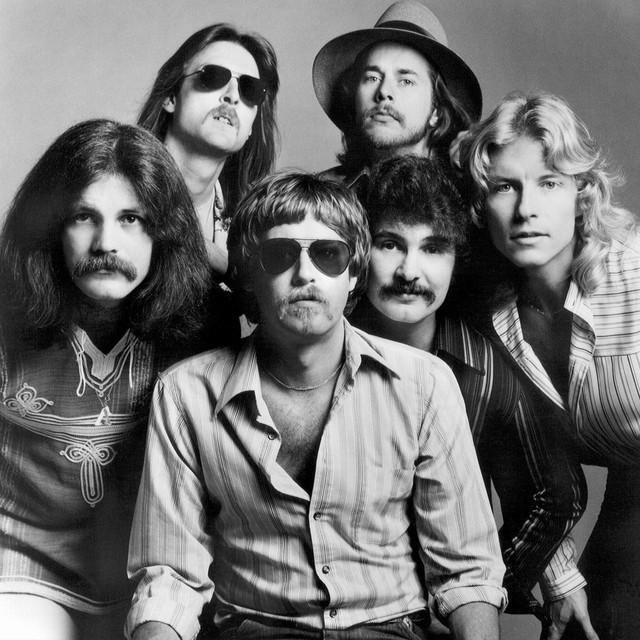
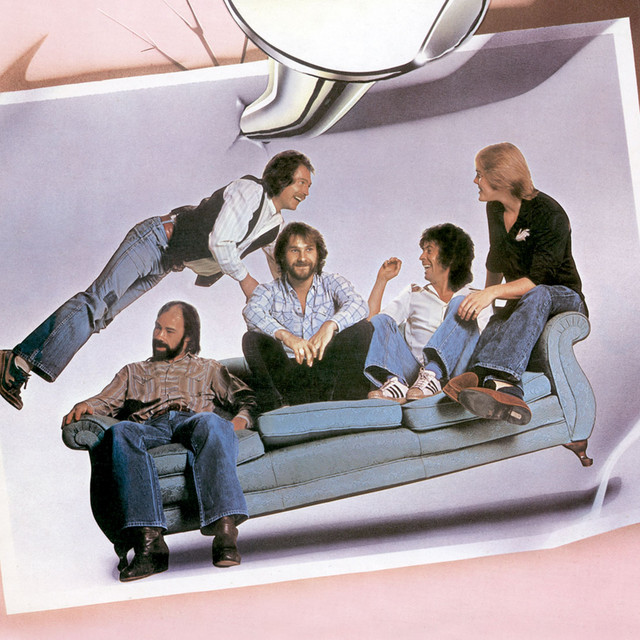
Ace were one of the few pub rock groups to enjoy success on the pop charts, largely due to the warm, soulful vocals of <a href="spotify:artist:0FFuvdY7fuiuTmHN9unYoz">Paul Carrack</a>. While <a href="spotify:artist:0FFuvdY7fuiuTmHN9unYoz">Carrack</a>'s voice certainly had crossover appeal -- as he would later prove with his own records, as well as his work with <a href="spotify:artist:6Jrj26oAY96EEC2lqC6fua">Squeeze</a> and <a href="spotify:artist:3fhOTtm0LBJ3Ojn4hIljLo">Roxy Music</a> -- the band was also less devoted to the three-chord boogie and country-rock that marked most pub rock bands, favoring soulful R&B. And while they did have hits, their time in the spotlight was brief, and they fell apart shortly after <a href="spotify:artist:0FFuvdY7fuiuTmHN9unYoz">Carrack</a> left for a solo career.
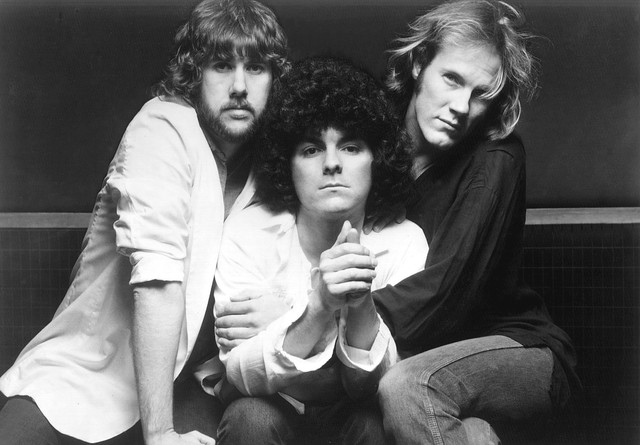
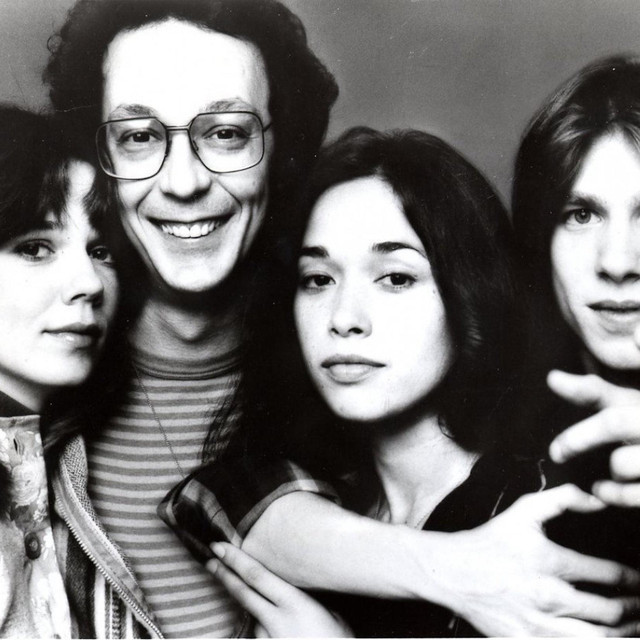
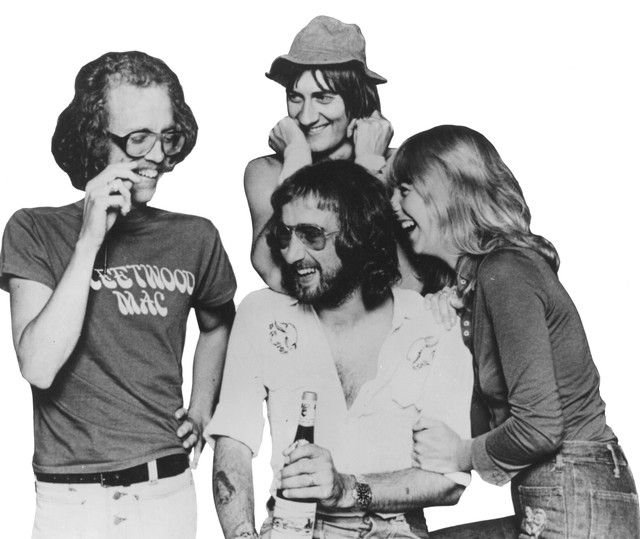
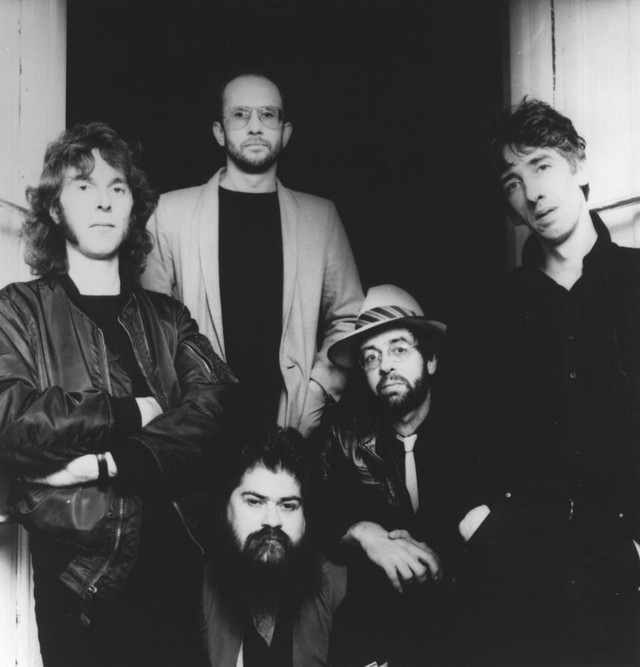
Phil Harris (guitar) and Alan "Bam" King (guitar, vocal) formed Ace in 1972, recruiting <a href="spotify:artist:0FFuvdY7fuiuTmHN9unYoz">Paul Carrack</a> (keyboards, vocals), Terry "Tex" Comer (bass), and Steve Witherington (drums) over the course of the next year. Before the group began recording, they went through several drummers -- Witherington was replaced by Chico Greenwood, who was later replaced by Fran Byrne in 1974. After developing a small but dedicated following on the pub rock circuit, Ace signed with Anchor Records and recorded Five-a-Side. "How Long" -- a song about Comer leaving the band briefly to play with <a href="spotify:artist:1Zc7TYayqzpDtjvXfNvPrL">the Sutherland Brothers</a> and <a href="spotify:artist:0vVxoKTyF3nIdUr2W84uIn">Quiver</a>, and his subsequent return -- was released as the first single. Most listeners interpreted the song as an ode to a crumbling love affair, and it became a fluke hit in both the U.K. and the U.S. Ace released Time for Another in 1975, but it was generally ignored, especially since the popularity of pub rock was declining rapidly.
Harris left the band in early 1976 and was replaced by John Woodhead. Later that year, Ace opened unsuccessfully for <a href="spotify:artist:7AC976RDJzL2asmZuz7qil">Yes</a>, and then moved to Los Angeles, hoping that the U.S. would prove more receptive to their music. It wasn't. Ace released a final album, No Strings, in 1977 and then disbanded. Comer, <a href="spotify:artist:0FFuvdY7fuiuTmHN9unYoz">Carrack</a>, and Byrne all joined <a href="spotify:artist:2BSGptj55ZjV9ss2D17Hj6">Frankie Miller</a>, but by 1979, <a href="spotify:artist:0FFuvdY7fuiuTmHN9unYoz">Carrack</a> had left to sing with <a href="spotify:artist:3fhOTtm0LBJ3Ojn4hIljLo">Roxy Music</a>. Following his time with <a href="spotify:artist:3fhOTtm0LBJ3Ojn4hIljLo">Roxy</a>, he launched a solo career, which he balanced with playing with artists like <a href="spotify:artist:6Jrj26oAY96EEC2lqC6fua">Squeeze</a>, <a href="spotify:artist:3BqaUtuQmqIHg7B5Bc7fP7">Nick Lowe</a>, and <a href="spotify:artist:2yTUYhIf8fxptTIy3KLuJD">Mike + the Mechanics</a>. ~ Stephen Thomas Erlewine, Rovi
Phil Harris (guitar) and Alan "Bam" King (guitar, vocal) formed Ace in 1972, recruiting <a href="spotify:artist:0FFuvdY7fuiuTmHN9unYoz">Paul Carrack</a> (keyboards, vocals), Terry "Tex" Comer (bass), and Steve Witherington (drums) over the course of the next year. Before the group began recording, they went through several drummers -- Witherington was replaced by Chico Greenwood, who was later replaced by Fran Byrne in 1974. After developing a small but dedicated following on the pub rock circuit, Ace signed with Anchor Records and recorded Five-a-Side. "How Long" -- a song about Comer leaving the band briefly to play with <a href="spotify:artist:1Zc7TYayqzpDtjvXfNvPrL">the Sutherland Brothers</a> and <a href="spotify:artist:0vVxoKTyF3nIdUr2W84uIn">Quiver</a>, and his subsequent return -- was released as the first single. Most listeners interpreted the song as an ode to a crumbling love affair, and it became a fluke hit in both the U.K. and the U.S. Ace released Time for Another in 1975, but it was generally ignored, especially since the popularity of pub rock was declining rapidly.
Harris left the band in early 1976 and was replaced by John Woodhead. Later that year, Ace opened unsuccessfully for <a href="spotify:artist:7AC976RDJzL2asmZuz7qil">Yes</a>, and then moved to Los Angeles, hoping that the U.S. would prove more receptive to their music. It wasn't. Ace released a final album, No Strings, in 1977 and then disbanded. Comer, <a href="spotify:artist:0FFuvdY7fuiuTmHN9unYoz">Carrack</a>, and Byrne all joined <a href="spotify:artist:2BSGptj55ZjV9ss2D17Hj6">Frankie Miller</a>, but by 1979, <a href="spotify:artist:0FFuvdY7fuiuTmHN9unYoz">Carrack</a> had left to sing with <a href="spotify:artist:3fhOTtm0LBJ3Ojn4hIljLo">Roxy Music</a>. Following his time with <a href="spotify:artist:3fhOTtm0LBJ3Ojn4hIljLo">Roxy</a>, he launched a solo career, which he balanced with playing with artists like <a href="spotify:artist:6Jrj26oAY96EEC2lqC6fua">Squeeze</a>, <a href="spotify:artist:3BqaUtuQmqIHg7B5Bc7fP7">Nick Lowe</a>, and <a href="spotify:artist:2yTUYhIf8fxptTIy3KLuJD">Mike + the Mechanics</a>. ~ Stephen Thomas Erlewine, Rovi
Monthly Listeners
855,549
Monthly Listeners History
Track the evolution of monthly listeners over the last 28 days.
Followers
32,473
Followers History
Track the evolution of followers over the last 28 days.
Top Cities
19,782 listeners

13,114 listeners

11,068 listeners
10,936 listeners
9,685 listeners
Related Artists