Data may be outdated
Last updated: 2 weeks ago — Click refresh to get the latest statistics.
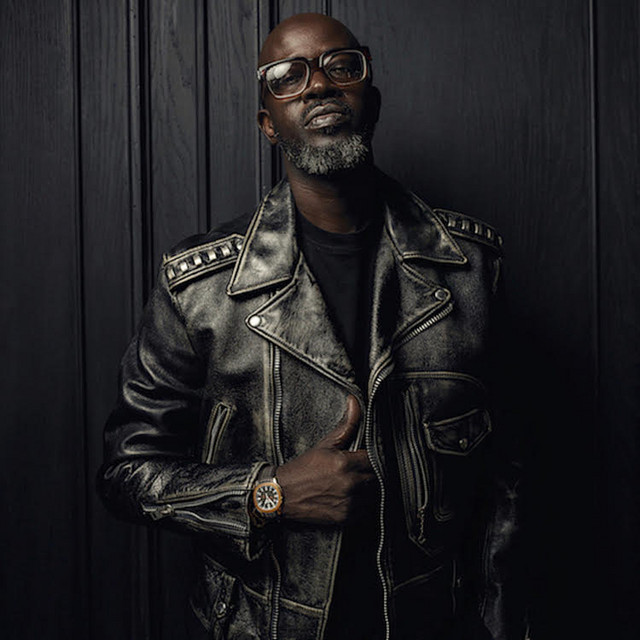
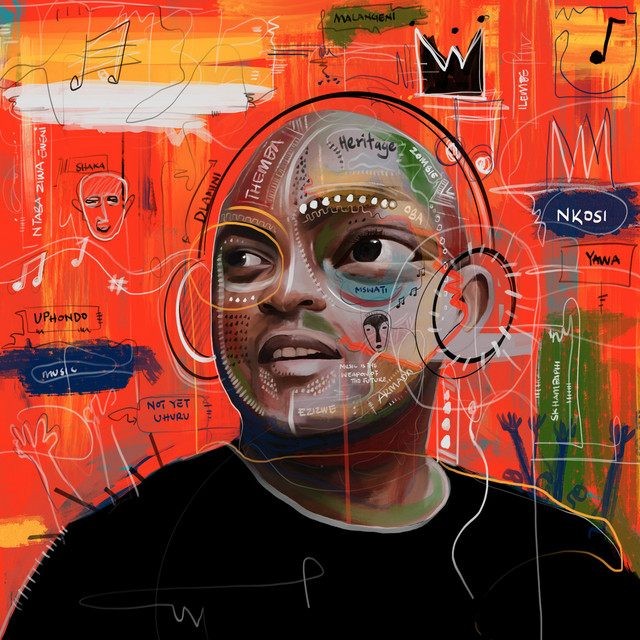
Reserved and intellectual, this unlikely superstar was born Nkosinathi Maphumulo on March 11, 1976, in Durban and grew up surrounded by music, particularly influenced by his uncle's extensive reggae collection. At the age of 12, after his parents' divorce, he moved with his mother to the poor township of Mthatha, Eastern Cape. Two years later, on the day of <a href="spotify:artist:7KbasPT1gklYjhLeD8AZIG">Nelson Mandela</a>'s release from Robben Island, Maphumulo lost the use of his left arm when he was one of dozens of people run down by a taxi driver in a politically motivated attack. Throwing himself into music even harder than before, he eventually went back to Durban to study music theory at Natal Tech, majoring in jazz. He dropped out before the completion of his course, though, and he and two friends, Thandukwazi "Demor" Sikhosana and Mnqobi "Shota" Mdabe, became backing singers for acclaimed folk-blues guitarist <a href="spotify:artist:1X3SghwLJ3KExhUsrZhM2S">Madala Kunene</a> before going on to form the soul-pop trio Shana. At the same time, he continued learning about electronic music production, and in 2003 was accepted into the Red Bull Music Academy, jump-starting his career.
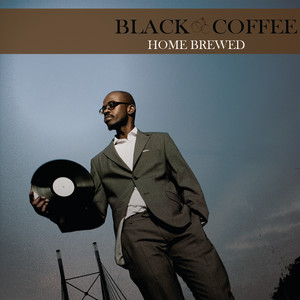
Black Coffee's 2005 eponymous debut album, recorded in his bedroom on cheap music software and released on his own <a href="spotify:search:label%3A%22Soulistic%22">Soulistic</a> label, introduced his tough deep house style, which incorporated jazz, R&B, and African influences without ever resorting to cheesy "soulful" or Afro-house clichés. The record, combined with his infectious DJ sets, made him a household name in South Africa. Over the next decade, he released four more albums: Have Another One (2007), Home Brewed (2009), the epic three-disc Africa Rising (2012), and Pieces of Me (2015). Each displayed an increasing level of production values and musical sophistication, and their international distribution through a deal with <a href="spotify:search:label%3A%22Universal%22">Universal</a>, combined with his numerous appearances at major clubs and festivals, led to increasing acclaim in the U.S. and Europe. At the same time, he became a bona fide megastar in his home country, beloved for his tireless promotion of local talent and charitable work.
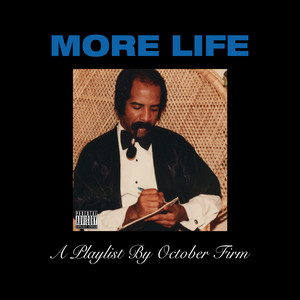
In 2010, Black Coffee attained the Guinness World Record for longest-ever DJ set when he played for 60 hours nonstop. His international success was confirmed when he won Breakthrough DJ of the Year at the 2015 DJ Awards in Ibiza and Best African Act at the 2016 BET Awards in Los Angeles. He broke through to a mainstream audience when he was sampled by <a href="spotify:artist:3TVXtAsR1Inumwj472S9r4">Drake</a> on the rapper's 2017 "playlist" More Life, leading to interest from other major U.S. R&B stars like <a href="spotify:artist:5y2Xq6xcjJb2jVM54GHK3t">John Legend</a> and <a href="spotify:artist:23zg3TcAtWQy7J6upgbUnj">Usher</a>. "Drive," Coffee's 2018 collaboration with <a href="spotify:artist:1Cs0zKBU1kc0i8ypK3B9ai">David Guetta</a> and <a href="spotify:artist:3WtrH1zNpzoPSz6XpwCh6y">Delilah Montagu</a>, became a major hit, and he ended that year with his own seven-song Music Is King EP. The following year, he teamed with <a href="spotify:artist:23zg3TcAtWQy7J6upgbUnj">Usher</a> for the single "LaLaLa," and in 2020 he collaborated with both <a href="spotify:artist:30DhU7BDmF4PH0JVhu8ZRg">Sabrina Claudio</a> ("SBCNCSLY") and <a href="spotify:artist:49HlOY4gkHqsYG9GCuhkcc">Celeste</a> ("Ready for You"). ~ John D. Buchanan, Rovi
Monthly Listeners
3.6 million
Monthly Listeners History
Track the evolution of monthly listeners over the last 28 days.
Followers
1.7 million
Followers History
Track the evolution of followers over the last 28 days.
Total Streams
1.3 billion
Total Streams History
Track the evolution of total streams over the last 28 days. This data is calculated from all tracks listed in the artist's discography.
Top Cities


Related Artists
Maz


&friends
Samm (BE)

Marten Lou
Ajna (BE)
chuala
Peace Control
WITH U
Wakyin

Thabza De Soul




![Deep In The Bottom (of Africa) [DBN Gogo & Ntwana_R Remix (Radio Edit)]](https://i.scdn.co/image/ab67616d00001e022e3623434407877ec16fa1a9)