Data may be outdated
Last updated: 9 months ago — Click refresh to get the latest statistics.
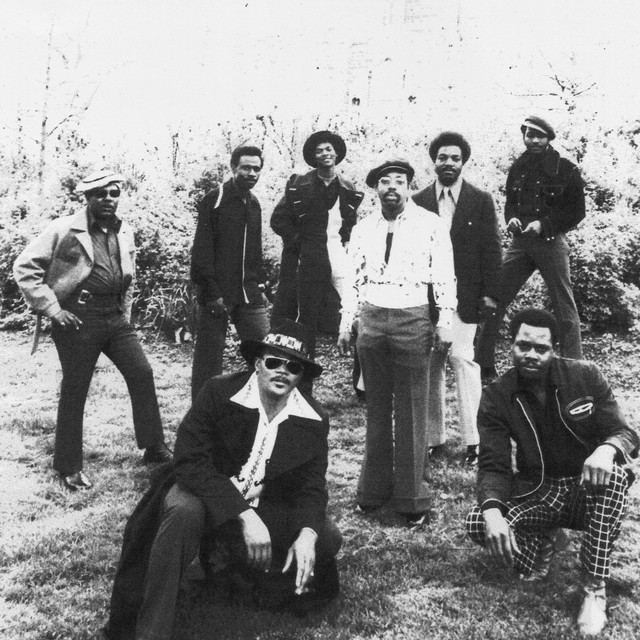
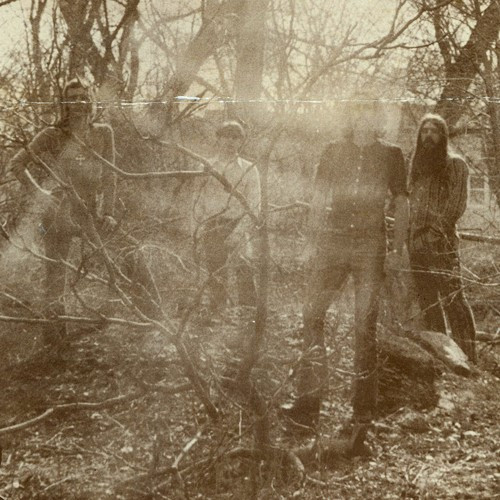
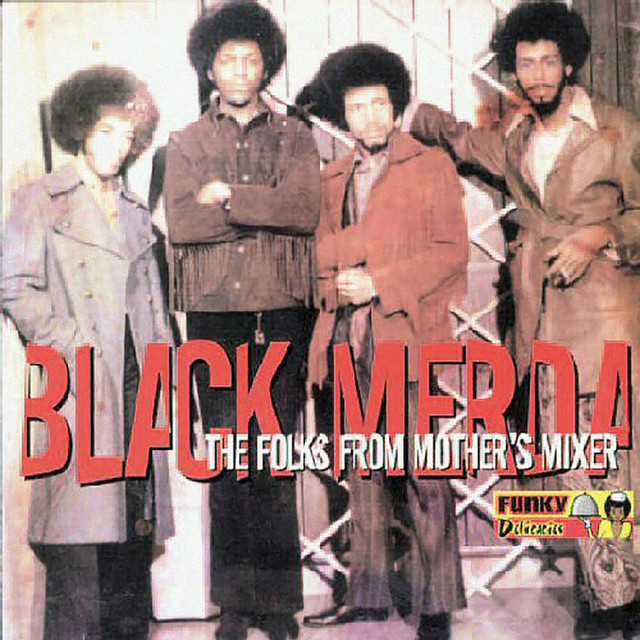
Black Merda were a funky rock combo with a significant debt to <a href="spotify:artist:776Uo845nYHJpNaStv1Ds4">Jimi Hendrix</a>, mixing fuzz-toned, psychedelic blues-rock with folky acoustic passages and contemporary late-'60s soul. Featuring guitarists Anthony and Charles Hawkins, bassist <a href="spotify:artist:2eyhKyzykyeEojVlWOxNzt">VC Veasey</a> (aka <a href="spotify:artist:2eyhKyzykyeEojVlWOxNzt">Veesee L. Veasey</a>), and drummer Tyrone Hite, the group got its start in the late '60s after <a href="spotify:artist:2eyhKyzykyeEojVlWOxNzt">Veasey</a>, Hite, and Anthony Hawkins had spent time in a band called the Soul Agents, backing <a href="spotify:artist:1B8AXU6gIIafpyLEpbcv1u">Edwin Starr</a> and <a href="spotify:artist:52uMkSFt2RVO6XxTEt5VeW">Gene Chandler</a>. Inspired by <a href="spotify:artist:776Uo845nYHJpNaStv1Ds4">Jimi Hendrix</a>'s Are You Experienced?, they added Anthony's younger brother Charles on second guitar and christened themselves Black Merda. Despite some interest around their Detroit base -- including <a href="spotify:artist:1EVNxK3nqJ9gy9BwAZ3w3Q">Norman Whitfield</a> and <a href="spotify:artist:2Uuon75BhnuuxdKLYn4wHn">Eddie Kendricks</a> -- Black Merda signed to Chess, thanks in part to the psychedelic soul eccentric <a href="spotify:artist:0pGr20E3bbDRhSg2omEmKn">Fugi</a> (aka <a href="spotify:artist:2VcdfdzCemU5ajyF0pj47Q">Ellington Jordan</a>), who they also backed on his Mary, Don't Take Me on No Bad Trip LP for Chess.
Black Merda's self-titled album sounded revolutionary enough, although the bandmembers were disappointed that it didn't reflect their heavy live shows. They then moved to the West Coast to continue playing with <a href="spotify:artist:0pGr20E3bbDRhSg2omEmKn">Fugi</a>, but returned to Chicago to record a second album. Shortening their name to Mer-Da, the group returned in 1971 with Long Burn the Fire, a funkier outing that bore a likeness to early <a href="spotify:artist:450o9jw6AtiQlQkHCdH6Ru">Funkadelic</a>. The band quickly fizzled out, but over the next three decades, continued record-collector interest in the group eventually resulted in a reunion with <a href="spotify:artist:2eyhKyzykyeEojVlWOxNzt">Veasey</a>, both Hawkins brothers, and <a href="spotify:artist:0pGr20E3bbDRhSg2omEmKn">Fugi</a>, although Hite had died in 2004. ~ Steve Huey & John Bush, Rovi
Black Merda's self-titled album sounded revolutionary enough, although the bandmembers were disappointed that it didn't reflect their heavy live shows. They then moved to the West Coast to continue playing with <a href="spotify:artist:0pGr20E3bbDRhSg2omEmKn">Fugi</a>, but returned to Chicago to record a second album. Shortening their name to Mer-Da, the group returned in 1971 with Long Burn the Fire, a funkier outing that bore a likeness to early <a href="spotify:artist:450o9jw6AtiQlQkHCdH6Ru">Funkadelic</a>. The band quickly fizzled out, but over the next three decades, continued record-collector interest in the group eventually resulted in a reunion with <a href="spotify:artist:2eyhKyzykyeEojVlWOxNzt">Veasey</a>, both Hawkins brothers, and <a href="spotify:artist:0pGr20E3bbDRhSg2omEmKn">Fugi</a>, although Hite had died in 2004. ~ Steve Huey & John Bush, Rovi
Monthly Listeners
15,574
Monthly Listeners History
Track the evolution of monthly listeners over the last 28 days.
Followers
16,080
Followers History
Track the evolution of followers over the last 28 days.
Top Cities
395 listeners

281 listeners

238 listeners

217 listeners
216 listeners