Data may be outdated
Last updated: 9 months ago — Click refresh to get the latest statistics.
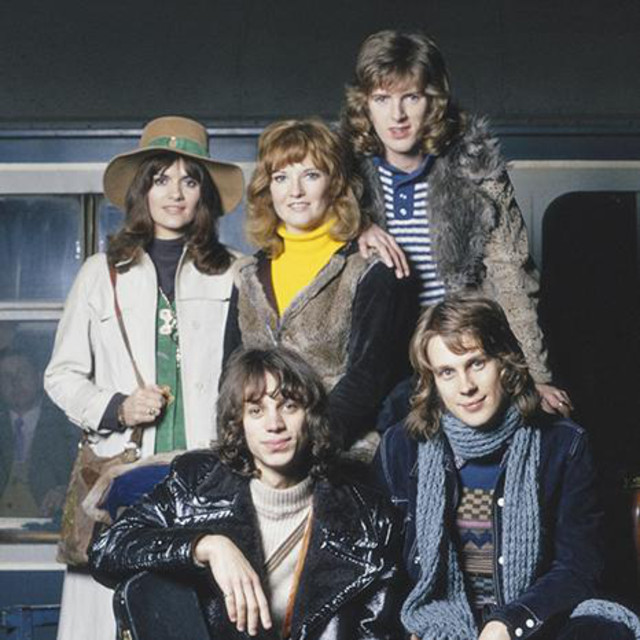
One of the giants of British pop in the early '70s, Blue Mink was formed in fall 1969 by keyboard player Roger Coulam, around a nucleus of musicians based at London's Morgan Studios -- bassist <a href="spotify:artist:1ong0iwoL36GtZWKEq7WBU">Herbie Flowers</a>, guitarist Allan Parker, and drummer <a href="spotify:artist:1KECBDaABbGge01XiNsiGZ">Barry Morgan</a> were also involved. Having already recorded a number of backing tracks, Coulam then approached soul singer <a href="spotify:artist:3Eiku2RFtR4xvfYi9kNO4D">Madeline Bell</a> and former <a href="spotify:artist:6wl2cTIa5bbrsXc36bm7E7">David & Jonathan</a> star <a href="spotify:artist:6bcrzGXhCvmu8e8UlacFr0">Roger Greenaway</a> as vocalists; <a href="spotify:artist:3Eiku2RFtR4xvfYi9kNO4D">Bell</a> accepted, <a href="spotify:artist:6bcrzGXhCvmu8e8UlacFr0">Greenaway</a> declined but recommended his songwriting partner (and fellow <a href="spotify:artist:6wl2cTIa5bbrsXc36bm7E7">David & Jonathan</a>-er) <a href="spotify:artist:08UXlaxE4lidrpiGWrhBAW">Roger Cook</a> in his stead.
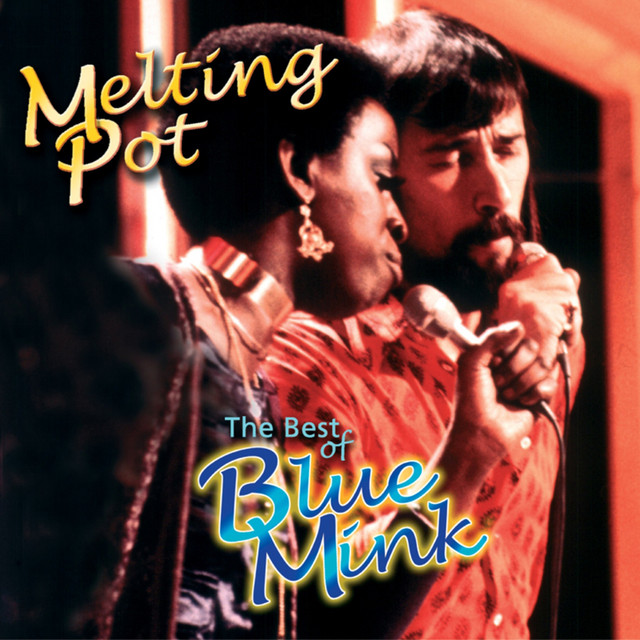
With this lineup, <a href="spotify:artist:08UXlaxE4lidrpiGWrhBAW">Cook</a> and <a href="spotify:artist:6bcrzGXhCvmu8e8UlacFr0">Greenaway</a>'s "Melting Pot" was released as Blue Mink's debut single, a plea for multi-racial harmony that reached number three in the U.K. that November. An album of the same title was released in the new year, alongside the single "Good Morning Freedom" -- for reasons unknown, the single did not originally appear on the LP. However, its swift rise into the U.K. Top Ten prompted a rethink, and subsequent pressings packed it on board.
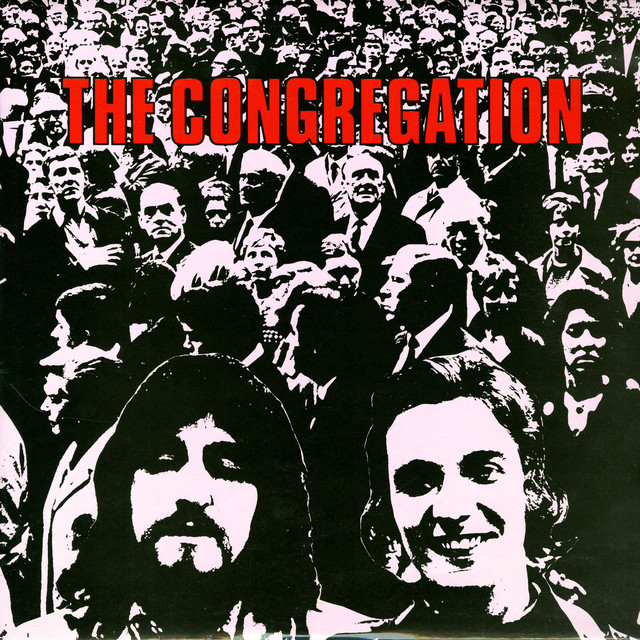
Throughout Blue Mink's career, the members maintained their high profile session careers -- in March 1970, <a href="spotify:artist:08UXlaxE4lidrpiGWrhBAW">Cook</a> and <a href="spotify:artist:3Eiku2RFtR4xvfYi9kNO4D">Bell</a> appeared on <a href="spotify:artist:3PhoLpVuITZKcymswpck5b">Elton John</a>'s eponymous album; John reciprocated by covering "Good Morning Freedom" on the compilation album Pick of the Pops (while waiting for his own career to take off, the pianist made ends meet by recording anonymous covers of top hits for the budget <a href="spotify:search:label%3A%22Deacon%22">Deacon</a> label). The following month, <a href="spotify:artist:08UXlaxE4lidrpiGWrhBAW">Cook</a> rejoined <a href="spotify:artist:6bcrzGXhCvmu8e8UlacFr0">Greenaway</a> briefly in a new band, Currant Kraze, while the pair maintained their songwriting career with such anthems as "You've Got Your Troubles," "I've Got You on My Mind," and "I'd Like to Teach the World to Sing." Other extracurricular activities over the next few years included <a href="spotify:artist:0ZpOIHGVsM7vMZqPt4i214">Alan Parker</a>'s the Congregation and <a href="spotify:artist:1ong0iwoL36GtZWKEq7WBU">Herbie Flowers</a>' pivotal involvement with <a href="spotify:artist:42TFhl7WlMRXiNqzSrnzPL">Lou Reed</a>'s Transformer album.
Titled for the group's third hit single, Blue Mink's second album, Our World (U.S. title Real Mink) was released in September 1970. The group then faded from view for some six months before resurfacing with "The Banner Man" in spring 1971. Their first release for the <a href="spotify:search:label%3A%22Regal+Zonophone%22">Regal Zonophone</a> label (earlier records were issued by Philips), "Banner Man" reached number three. However, close to another year elapsed before Blue Mink reconvened for a two-week-long engagement at London's Talk of the Town nightspot in January 1972, to be immortalized on the Live at the Talk of the Town album two months later. Oddly, Blue Mink's next studio album, A Time of Change, was released simultaneously with the live record (the set was originally to be titled "Harvest," but was changed to avoid confusion with <a href="spotify:artist:6v8FB84lnmJs434UJf2Mrm">Neil Young'</a>s latest release).
With the band now featuring percussionist <a href="spotify:artist:7cKlb63iLFs9kvJfa8ZFhi">Ray Cooper</a> and keyboardist Ann Odell, November 1972 brought another number three hit, "Stay with Me," their last for <a href="spotify:search:label%3A%22Regal+Zonophone%22">Regal Zonophone</a> before parent company <a href="spotify:search:label%3A%22EMI%22">EMI</a> merged the historic label into a new imprint, also named <a href="spotify:search:label%3A%22EMI%22">EMI</a>. Blue Mink's fourth album, Only When I Laugh, followed in March 1973. However, the group's appeal was clearly slipping, as glam rock elbowed Blue Mink's brand of light-hearted pop out of the way -- their latest single, "By the Devil (I Was Tempted)," struggled to break into the Top 30 and, while June 1973's "Randy" would return Blue Mink to the TopTen, it was to prove their final hit.
Blue Mink released one further album, January 1974's Fruity, together with the single "Quackers." Neither did anything, and the band broke up that fall, following one final American tour. <a href="spotify:artist:3PhoLpVuITZKcymswpck5b">Elton John</a> was among the celebrities present to say goodbye, introducing the band on-stage at the Troubadour in Los Angeles. Blue Mink's final single, "Get Up," was released in July 1974 -- it passed by completely unnoticed, but would resurface two years later, retitled "7-6-5-4-3-2-1 (Blow Your Whistle)" scoring a massive disco hit for <a href="spotify:artist:7tWblFqYVMt3f9QWRaaq7b">the Rimshots</a>.
Since the band's demise, each of the members maintained a loud presence in the world of sessions and songwriting. Blue Mink, meanwhile, have been immortalized on a string of compilations, each recounting the string of effervescent hits that established them among Britain's best-loved pop groups of the early decade. ~ Dave Thompson, Rovi
With this lineup, <a href="spotify:artist:08UXlaxE4lidrpiGWrhBAW">Cook</a> and <a href="spotify:artist:6bcrzGXhCvmu8e8UlacFr0">Greenaway</a>'s "Melting Pot" was released as Blue Mink's debut single, a plea for multi-racial harmony that reached number three in the U.K. that November. An album of the same title was released in the new year, alongside the single "Good Morning Freedom" -- for reasons unknown, the single did not originally appear on the LP. However, its swift rise into the U.K. Top Ten prompted a rethink, and subsequent pressings packed it on board.
Throughout Blue Mink's career, the members maintained their high profile session careers -- in March 1970, <a href="spotify:artist:08UXlaxE4lidrpiGWrhBAW">Cook</a> and <a href="spotify:artist:3Eiku2RFtR4xvfYi9kNO4D">Bell</a> appeared on <a href="spotify:artist:3PhoLpVuITZKcymswpck5b">Elton John</a>'s eponymous album; John reciprocated by covering "Good Morning Freedom" on the compilation album Pick of the Pops (while waiting for his own career to take off, the pianist made ends meet by recording anonymous covers of top hits for the budget <a href="spotify:search:label%3A%22Deacon%22">Deacon</a> label). The following month, <a href="spotify:artist:08UXlaxE4lidrpiGWrhBAW">Cook</a> rejoined <a href="spotify:artist:6bcrzGXhCvmu8e8UlacFr0">Greenaway</a> briefly in a new band, Currant Kraze, while the pair maintained their songwriting career with such anthems as "You've Got Your Troubles," "I've Got You on My Mind," and "I'd Like to Teach the World to Sing." Other extracurricular activities over the next few years included <a href="spotify:artist:0ZpOIHGVsM7vMZqPt4i214">Alan Parker</a>'s the Congregation and <a href="spotify:artist:1ong0iwoL36GtZWKEq7WBU">Herbie Flowers</a>' pivotal involvement with <a href="spotify:artist:42TFhl7WlMRXiNqzSrnzPL">Lou Reed</a>'s Transformer album.
Titled for the group's third hit single, Blue Mink's second album, Our World (U.S. title Real Mink) was released in September 1970. The group then faded from view for some six months before resurfacing with "The Banner Man" in spring 1971. Their first release for the <a href="spotify:search:label%3A%22Regal+Zonophone%22">Regal Zonophone</a> label (earlier records were issued by Philips), "Banner Man" reached number three. However, close to another year elapsed before Blue Mink reconvened for a two-week-long engagement at London's Talk of the Town nightspot in January 1972, to be immortalized on the Live at the Talk of the Town album two months later. Oddly, Blue Mink's next studio album, A Time of Change, was released simultaneously with the live record (the set was originally to be titled "Harvest," but was changed to avoid confusion with <a href="spotify:artist:6v8FB84lnmJs434UJf2Mrm">Neil Young'</a>s latest release).
With the band now featuring percussionist <a href="spotify:artist:7cKlb63iLFs9kvJfa8ZFhi">Ray Cooper</a> and keyboardist Ann Odell, November 1972 brought another number three hit, "Stay with Me," their last for <a href="spotify:search:label%3A%22Regal+Zonophone%22">Regal Zonophone</a> before parent company <a href="spotify:search:label%3A%22EMI%22">EMI</a> merged the historic label into a new imprint, also named <a href="spotify:search:label%3A%22EMI%22">EMI</a>. Blue Mink's fourth album, Only When I Laugh, followed in March 1973. However, the group's appeal was clearly slipping, as glam rock elbowed Blue Mink's brand of light-hearted pop out of the way -- their latest single, "By the Devil (I Was Tempted)," struggled to break into the Top 30 and, while June 1973's "Randy" would return Blue Mink to the TopTen, it was to prove their final hit.
Blue Mink released one further album, January 1974's Fruity, together with the single "Quackers." Neither did anything, and the band broke up that fall, following one final American tour. <a href="spotify:artist:3PhoLpVuITZKcymswpck5b">Elton John</a> was among the celebrities present to say goodbye, introducing the band on-stage at the Troubadour in Los Angeles. Blue Mink's final single, "Get Up," was released in July 1974 -- it passed by completely unnoticed, but would resurface two years later, retitled "7-6-5-4-3-2-1 (Blow Your Whistle)" scoring a massive disco hit for <a href="spotify:artist:7tWblFqYVMt3f9QWRaaq7b">the Rimshots</a>.
Since the band's demise, each of the members maintained a loud presence in the world of sessions and songwriting. Blue Mink, meanwhile, have been immortalized on a string of compilations, each recounting the string of effervescent hits that established them among Britain's best-loved pop groups of the early decade. ~ Dave Thompson, Rovi
Monthly Listeners
69,966
Monthly Listeners History
Track the evolution of monthly listeners over the last 28 days.
Followers
10,127
Followers History
Track the evolution of followers over the last 28 days.
Top Cities

Related Artists
Hurricane Smith
Marshall Hain




The Congregation