Data may be outdated
Last updated: 9 months ago — Click refresh to get the latest statistics.
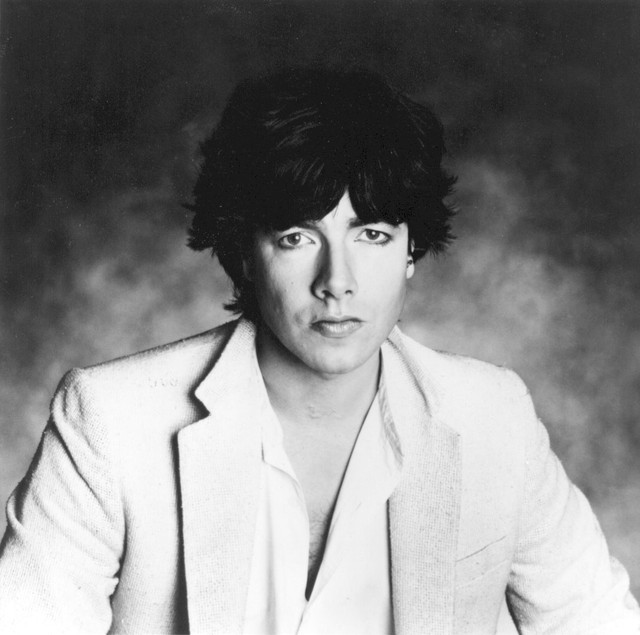
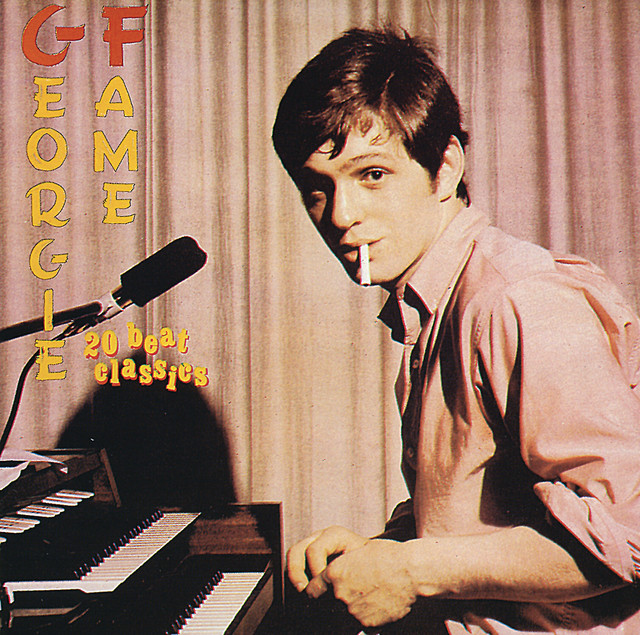
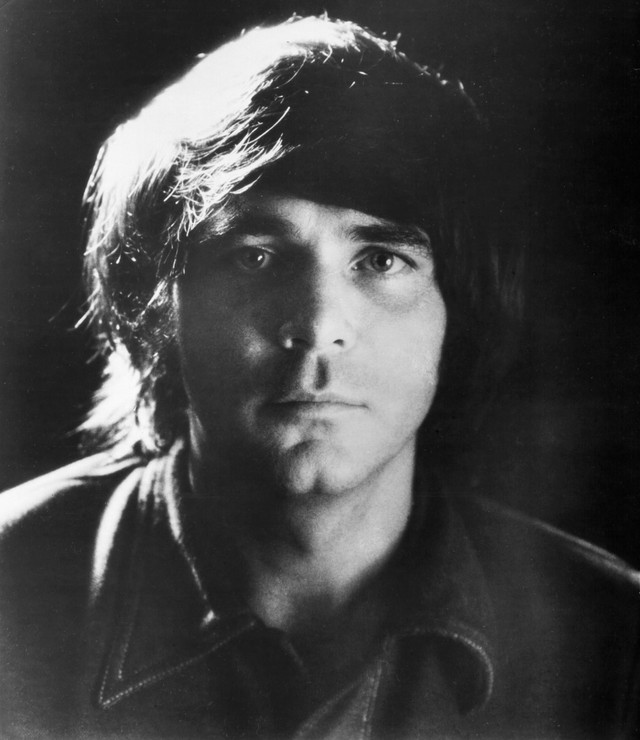
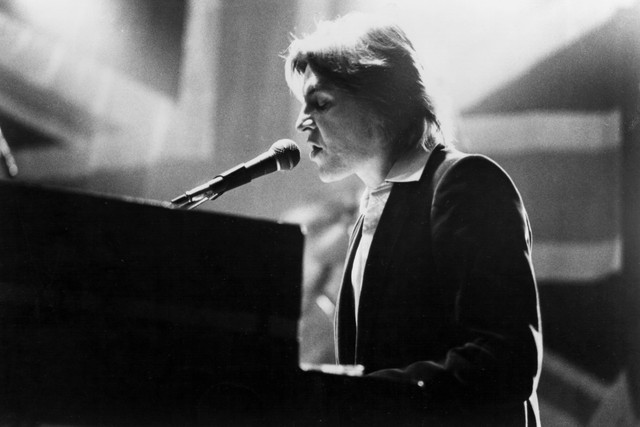
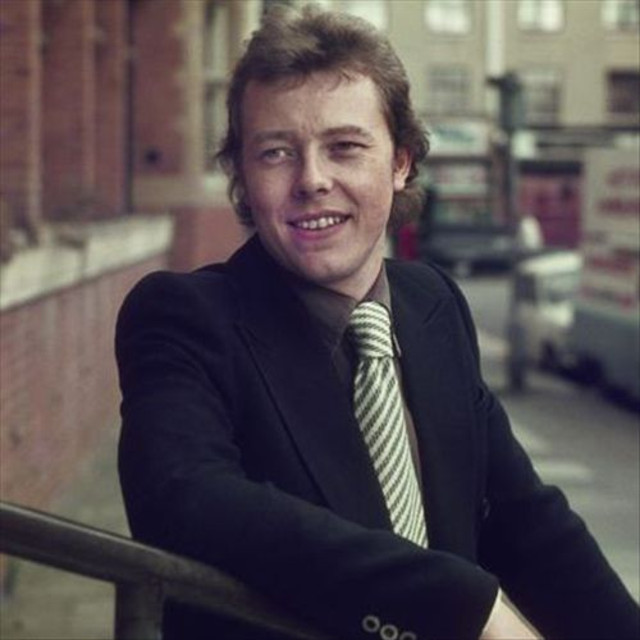
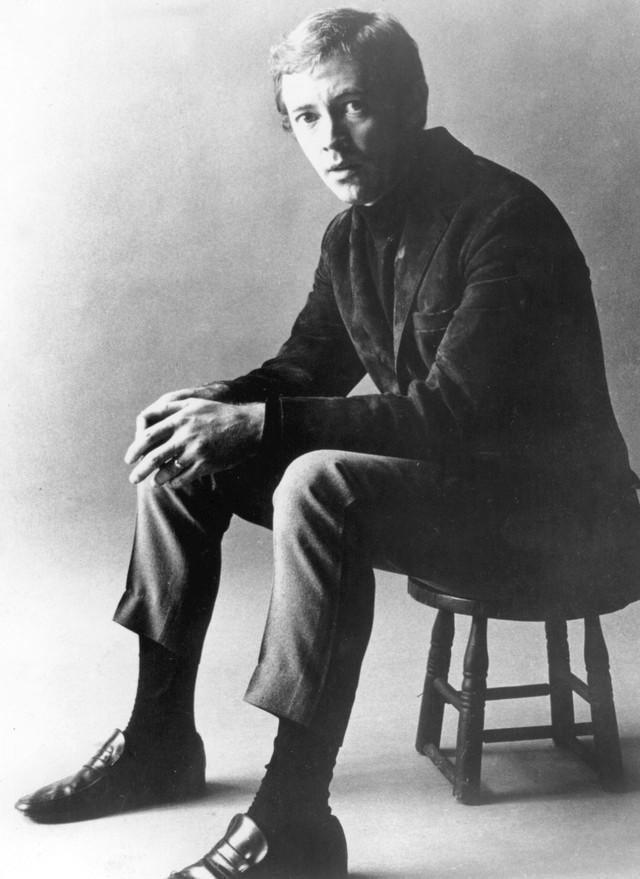
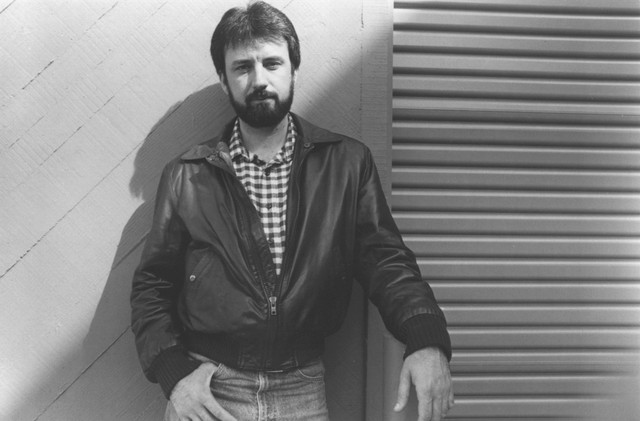
As the organist in the first <a href="spotify:artist:3ICflSq6ZgYAIrm2CTkfVP">Animals</a> lineup, Alan Price was perhaps the most important instrumental contributor to their early run of hits. He left the group in 1965 after only a year or so of international success (he can be seen talking about his departure with <a href="spotify:artist:74ASZWbe4lXaubB36ztrGX">Bob Dylan</a> in the rockumentary Don't Look Back) to work on a solo career. Leading the Alan Price Set, he had a Top Ten British hit in 1966 with a reworking of "I Put a Spell on You," complete with <a href="spotify:artist:3ICflSq6ZgYAIrm2CTkfVP">Animals-ish</a> organ breaks and bluesy vocals. His subsequent run of British hits between 1966 and 1968 -- "Hi-Lili-Hi-Lo," "Simon Smith and His Dancing Bear," "The House That Jack Built," and "Don't Stop the Carnival" -- were in a much lighter vein, drawing from British music hall influences. "Simon Smith and His Dancing Bear," from 1967, was one of the first <a href="spotify:artist:3HQyFCFFfJO3KKBlUfZsyW">Randy Newman</a> songs to gain international exposure, though Price's version -- like all his British hits -- went virtually unnoticed in the U.S. A versatile entertainer, Price collaborated with <a href="spotify:artist:5rWKAmlxinr3muqedXVIHa">Georgie Fame</a>, hosted TV shows, and scored plays in the years following the breakup of the Alan Price Set in 1968. He composed the score to Lindsay Anderson's O Lucky Man!, where his spare and droll songs served almost as a Greek chorus to the surreal, whimsical film (Price himself has a small role in the movie). His 1974 concept album Between Today and Yesterday was his most critically acclaimed work. ~ Richie Unterberger, Rovi
Monthly Listeners
31,772
Monthly Listeners History
Track the evolution of monthly listeners over the last 28 days.
Followers
10,797
Followers History
Track the evolution of followers over the last 28 days.
Top Cities
1,250 listeners

422 listeners

399 listeners
356 listeners
330 listeners

Related Artists
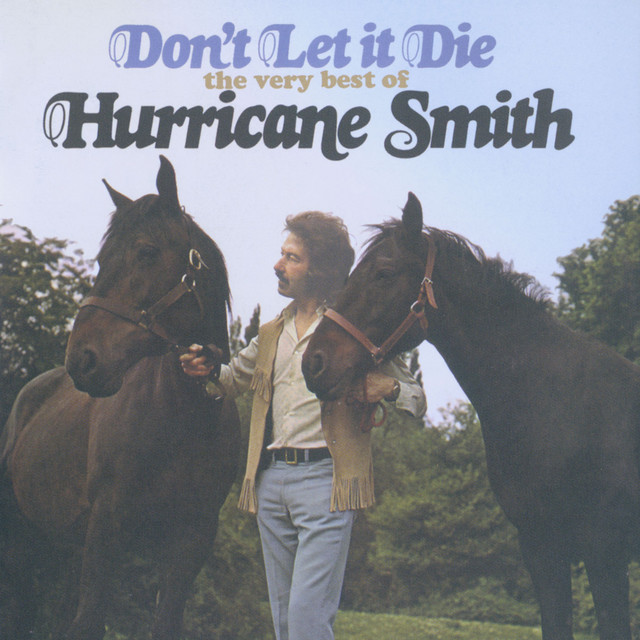
Hurricane Smith






Family