Data may be outdated
Last updated: 1 month ago — Click refresh to get the latest statistics.
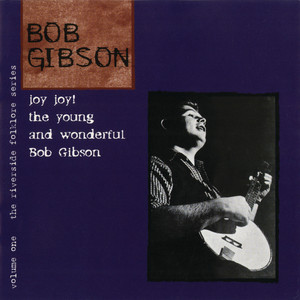
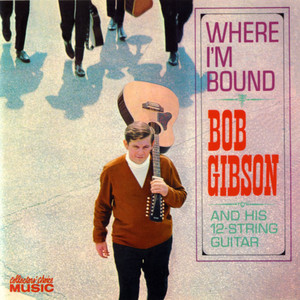
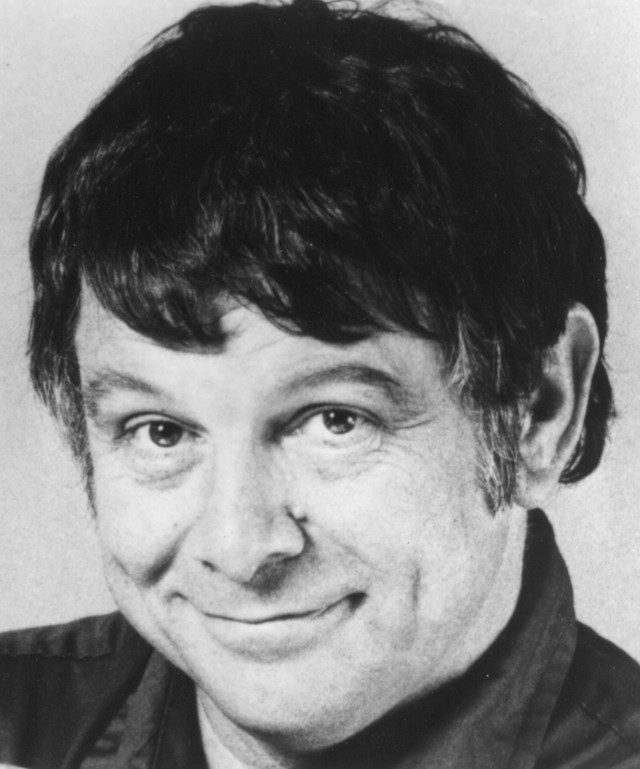
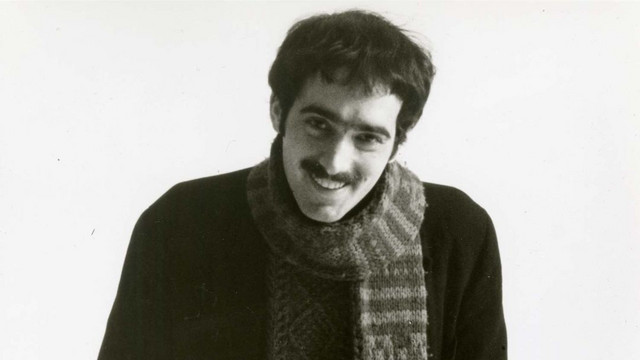
Gibson was a salesman for a developmental reading company before he was inspired by take up folk music in 1954, after hearing <a href="spotify:artist:1P9syEkl41IFowWIJN7ZBY">Pete Seeger</a> perform. He learned Jamaican music while working cruise boats off Florida, and taught some to <a href="spotify:artist:44ByB5FFQnNnFK3nYTZX7w">the Tarriers</a>, who recorded "Banana Boat Song" (made famous by <a href="spotify:artist:6Tw1ktF4xMmzaLLbe98I2z">Harry Belafonte</a>). On his first recordings for the <a href="spotify:search:label%3A%22Riverside%22">Riverside</a> label in the late '50s, he played banjo and 12-string guitar with light accompaniment, presenting a wide assortment of traditional folk tunes, as well as some originals.
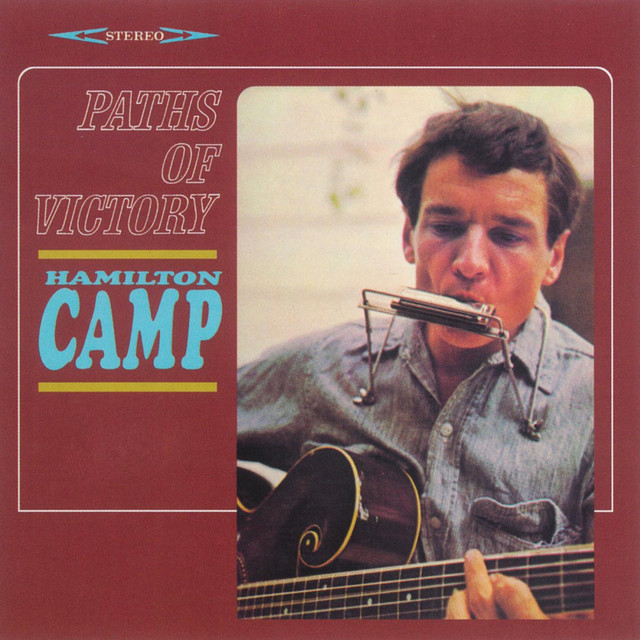
Gibson helped <a href="spotify:artist:1EevBGfUh3RSQSGpluxgBm">Joan Baez</a> and <a href="spotify:artist:3JhQGw54MOytJP3GZ8KNPo">Phil Ochs</a> in their early days, and was managed by Albert Grossman, who later handled the affairs of such giants as <a href="spotify:artist:74ASZWbe4lXaubB36ztrGX">Bob Dylan</a> and <a href="spotify:artist:6yrBBtqX2gKCHCrZOYBDrB">Peter, Paul and Mary</a>. In fact, Gibson has said that Grossman wanted to team Bob and <a href="spotify:artist:5ND1l6L0UQD7KoAnMupeYY">Hamilton Camp</a> up with a female singer before hitting upon the same type of trio approach with <a href="spotify:artist:6yrBBtqX2gKCHCrZOYBDrB">Peter, Paul and Mary</a>, although Gibson wasn't interested in the idea. But Gibson probably was a little too retro for big-time folk success in the '60s anyway. He was older than most of the performers on the scene, and his approach too tame and clean-cut, even though he and similar performers had helped created the sparks of the folk boom just by playing such material to begin with. In the latter period of his life he did continue to perform in Chicago, and help out with programs for that's city's Old Town School of Folk Music. He died in September 1996 at the age of 64. ~ Richie Unterberger, Rovi
Monthly Listeners
3,538
Monthly Listeners History
Track the evolution of monthly listeners over the last 28 days.
Followers
1,780
Followers History
Track the evolution of followers over the last 28 days.
Total Streams
2.2 million
Total Streams History
Track the evolution of total streams over the last 28 days. This data is calculated from all tracks listed in the artist's discography.
Top Cities



Related Artists


Len Chandler

Joe Gilbert
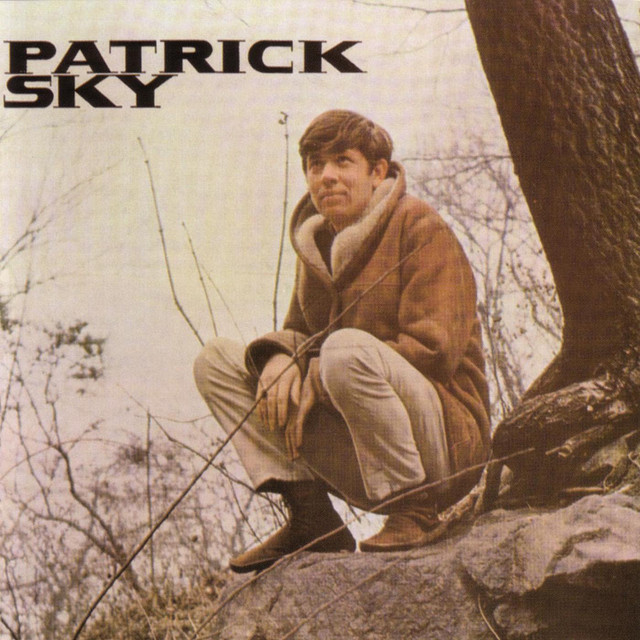
Patrick Sky

Bob Camp
Eddie Brown
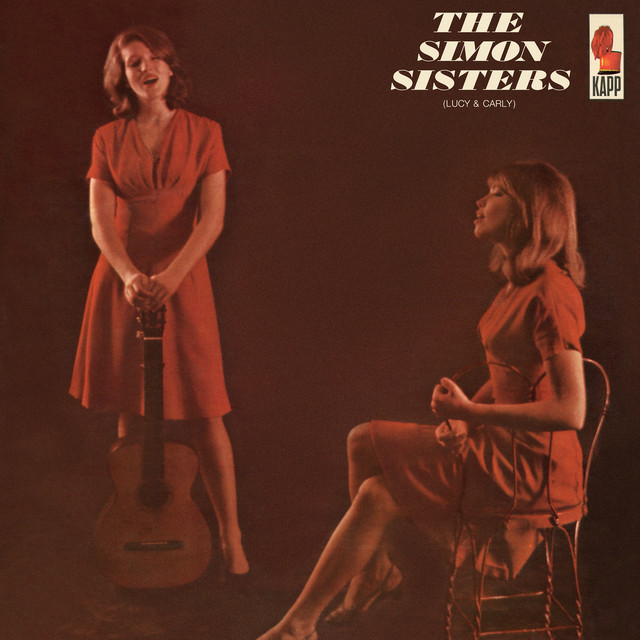
The Simon Sisters

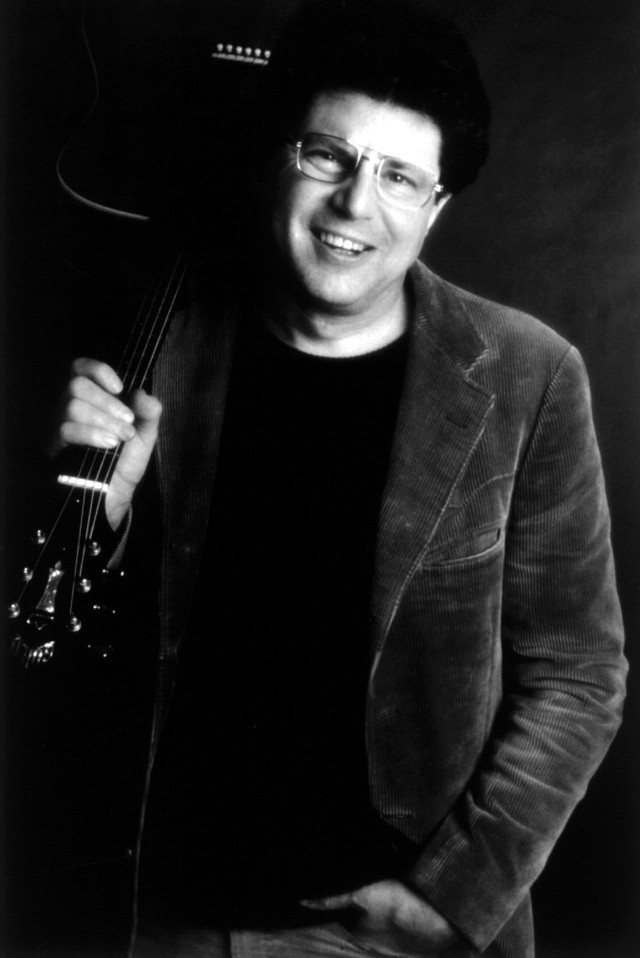

The Halifax Three

Mountain City Four

Ellen Stekert


The Harvesters

Peter Lafarge

The Tex-I-An Boys

Tedd Browne

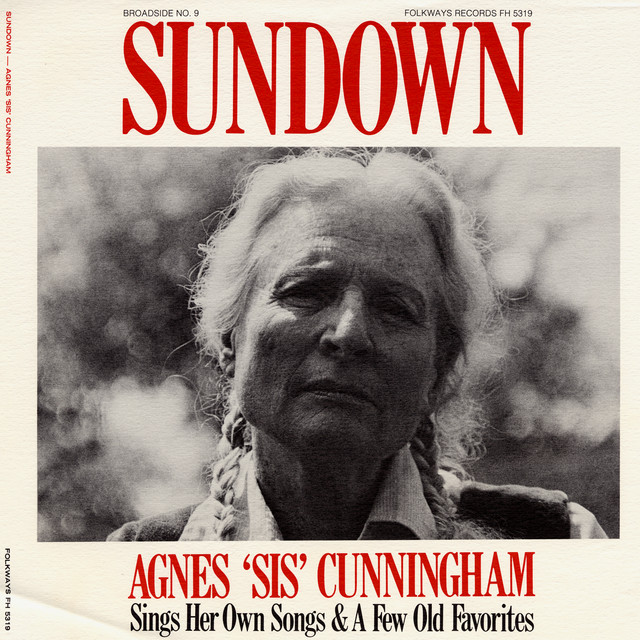
Sis Cunningham

Art Podell
Paul Sykes
Nick Navarro
T M Hanna

Hedy West

Lorenz Graham

Charlie King