Data may be outdated
Last updated: 9 months ago — Click refresh to get the latest statistics.
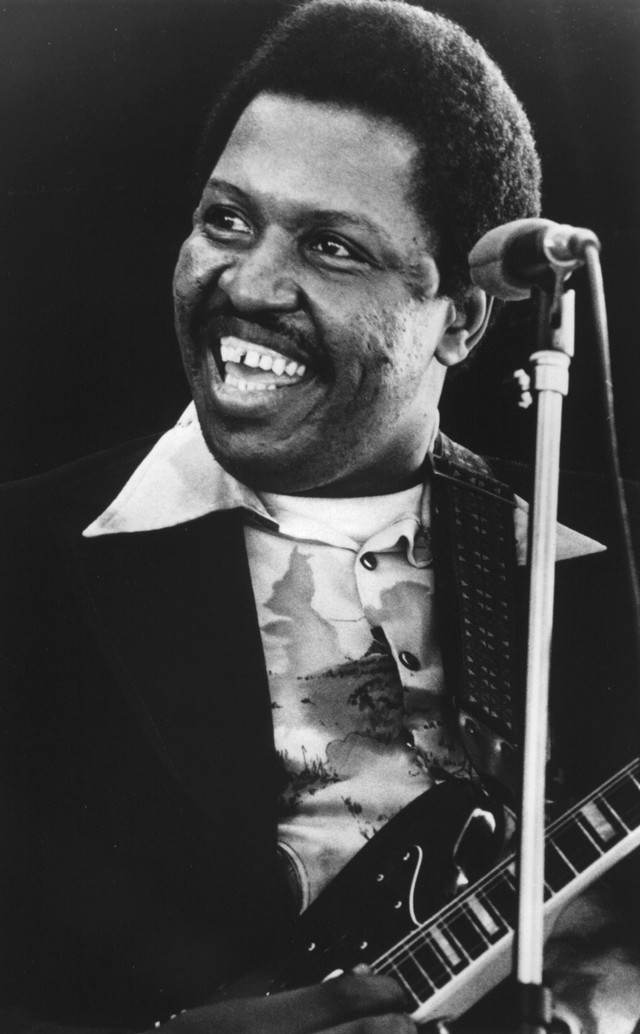
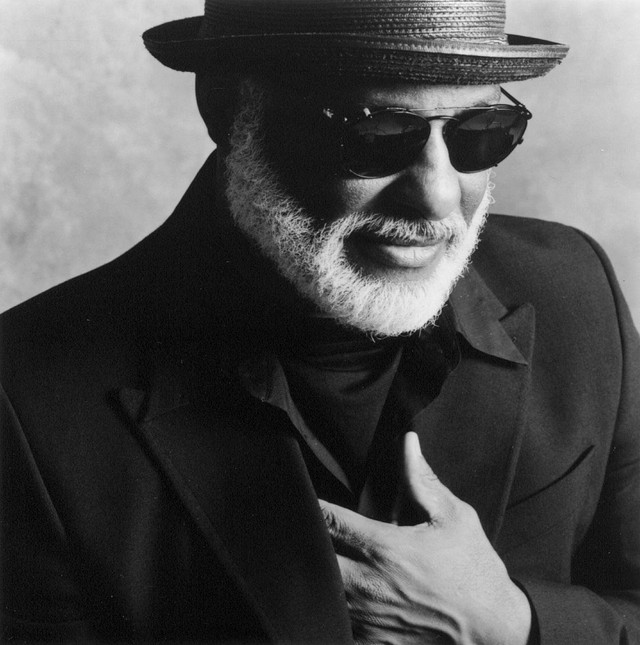
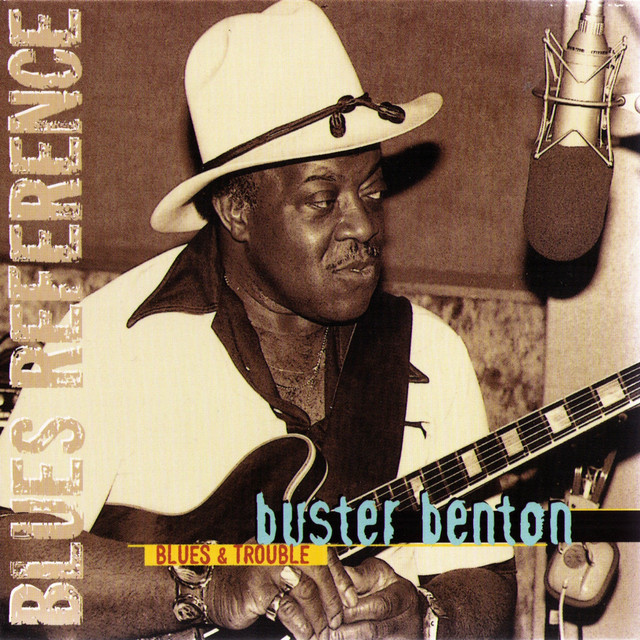
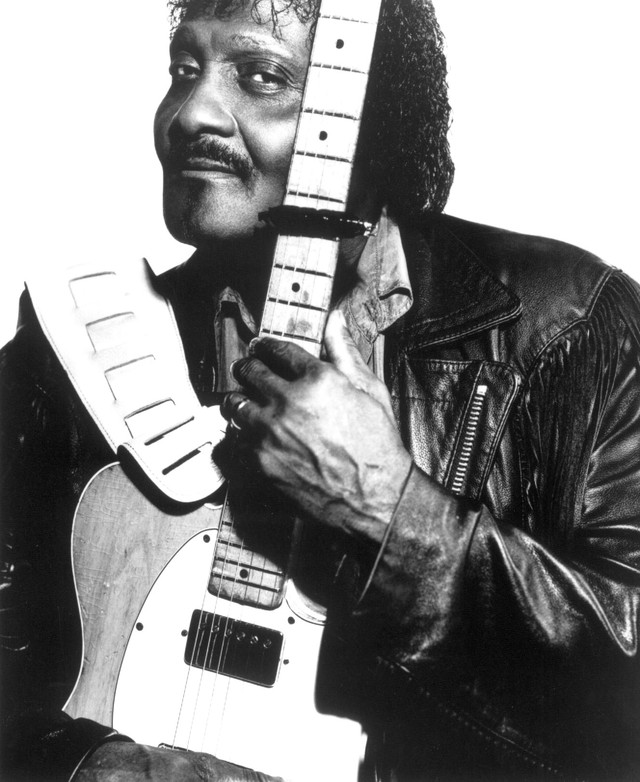
Despite the amputation of parts of both his legs during the course of his career, Chicago guitarist Buster Benton never gave up playing his music -- an infectious hybrid of blues and soul that he dubbed at one point "disco blues" (an unfortunate appellation in retrospect, but useful in describing its danceability). In the late '70s, when blues was at low ebb, Benton's waxings for <a href="spotify:search:label%3A%22Ronn+Records%22">Ronn Records</a> were a breath of fresh air.
Inspired by the music of <a href="spotify:artist:6hnWRPzGGKiapVX1UCdEAC">Sam Cooke</a> and <a href="spotify:artist:5xLSa7l4IV1gsQfhAMvl0U">B.B. King</a>, the gospel-bred Benton began playing the blues during the mid-'50s while living in Toledo, Ohio. By 1959, he was leading his own band in Chicago. During the '60s, he cut a series of soul-slanted singles for local concerns (Melloway, Alteen, Sonic, <a href="spotify:search:label%3A%22Twinight%22">Twinight</a>) before hooking up with the great <a href="spotify:artist:5v8WPpMk60cqZbuZLdXjKY">Willie Dixon</a> in 1971.
Benton was a member of <a href="spotify:artist:5v8WPpMk60cqZbuZLdXjKY">Dixon</a>'s Blues All-Stars for a while, and <a href="spotify:artist:5v8WPpMk60cqZbuZLdXjKY">Dixon</a> is credited as songwriter of Benton's best-known song, the agonized slow blues "Spider in My Stew." Its release on Stan Lewis' Shreveport-based Jewel Records gave Benton a taste of fame; its follow-up, "Money Is the Name of the Game," solidified his reputation. A 1979 LP for Jewel's <a href="spotify:search:label%3A%22Ronn%22">Ronn</a> subsidiary (logically titled Spider in My Stew) stands as one of the most engaging Chicago blues LPs of its era, its contemporary grooves abetting Benton's tasty guitar work and soulful vocals.
Benton cut three albums later on for <a href="spotify:search:label%3A%22Ichiban%22">Ichiban</a>, but compared to his <a href="spotify:search:label%3A%22Ronn%22">Ronn</a> output, they were disappointing. On the Chicago circuit, Benton's extreme courage in the face of physical adversity will long be cited. He was on kidney dialysis for the last few years of his life as a result of diabetes, and a portion of his right leg was amputated in 1993 due to poor circulation (he had already lost part of the other a decade earlier). Still, he continued to play his brand of uplifting blues until the end. ~ Bill Dahl, Rovi
Inspired by the music of <a href="spotify:artist:6hnWRPzGGKiapVX1UCdEAC">Sam Cooke</a> and <a href="spotify:artist:5xLSa7l4IV1gsQfhAMvl0U">B.B. King</a>, the gospel-bred Benton began playing the blues during the mid-'50s while living in Toledo, Ohio. By 1959, he was leading his own band in Chicago. During the '60s, he cut a series of soul-slanted singles for local concerns (Melloway, Alteen, Sonic, <a href="spotify:search:label%3A%22Twinight%22">Twinight</a>) before hooking up with the great <a href="spotify:artist:5v8WPpMk60cqZbuZLdXjKY">Willie Dixon</a> in 1971.
Benton was a member of <a href="spotify:artist:5v8WPpMk60cqZbuZLdXjKY">Dixon</a>'s Blues All-Stars for a while, and <a href="spotify:artist:5v8WPpMk60cqZbuZLdXjKY">Dixon</a> is credited as songwriter of Benton's best-known song, the agonized slow blues "Spider in My Stew." Its release on Stan Lewis' Shreveport-based Jewel Records gave Benton a taste of fame; its follow-up, "Money Is the Name of the Game," solidified his reputation. A 1979 LP for Jewel's <a href="spotify:search:label%3A%22Ronn%22">Ronn</a> subsidiary (logically titled Spider in My Stew) stands as one of the most engaging Chicago blues LPs of its era, its contemporary grooves abetting Benton's tasty guitar work and soulful vocals.
Benton cut three albums later on for <a href="spotify:search:label%3A%22Ichiban%22">Ichiban</a>, but compared to his <a href="spotify:search:label%3A%22Ronn%22">Ronn</a> output, they were disappointing. On the Chicago circuit, Benton's extreme courage in the face of physical adversity will long be cited. He was on kidney dialysis for the last few years of his life as a result of diabetes, and a portion of his right leg was amputated in 1993 due to poor circulation (he had already lost part of the other a decade earlier). Still, he continued to play his brand of uplifting blues until the end. ~ Bill Dahl, Rovi
Monthly Listeners
308,345
Monthly Listeners History
Track the evolution of monthly listeners over the last 28 days.
Followers
21,436
Followers History
Track the evolution of followers over the last 28 days.
Top Cities
8,953 listeners

8,027 listeners

4,704 listeners

4,045 listeners

3,071 listeners
Related Artists


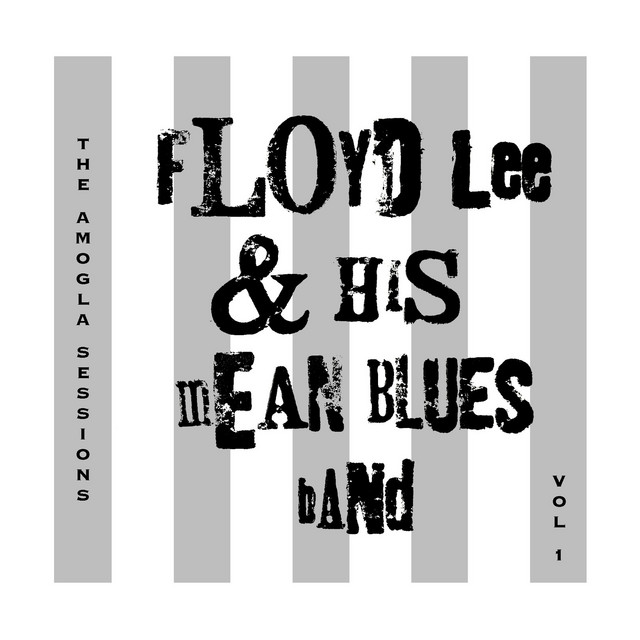
Floyd Lee & His Mean Blues Band


Gary Tunes
Lost in Blues

Blues Whiskey


BluesBiz


Eric Blues
Fenton Robinson

Shen Lab