Data may be outdated
Last updated: 2 months ago — Click refresh to get the latest statistics.
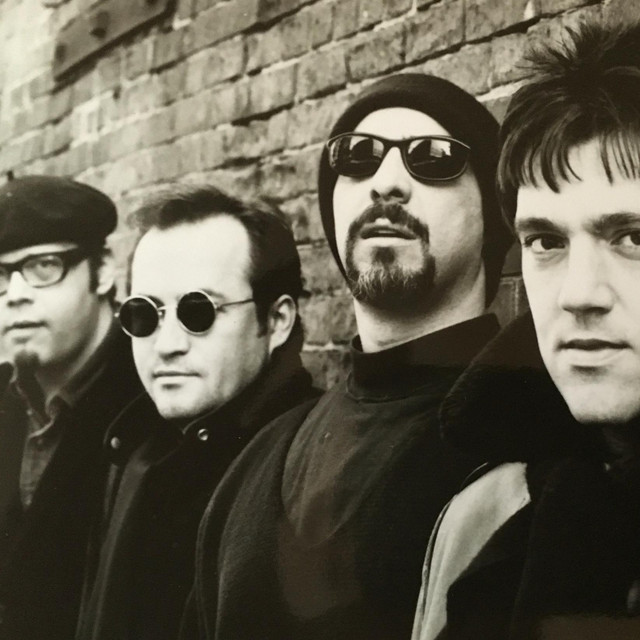
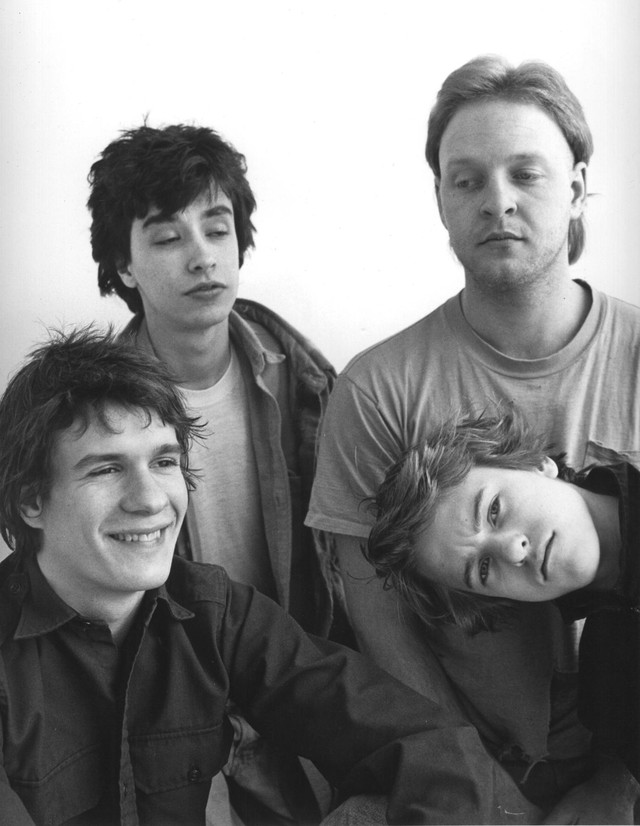
Self-described as "surrealist absurdist folk," the group had its beginnings in the summer of 1983 when <a href="spotify:artist:5V8GA6aqsyZizChn4Zj6st">Lowery</a> and boyhood friend <a href="spotify:artist:5CZIV0zvRz5au1NaWrqygR">Victor Krummenacher</a> (bass) started playing music together around Riverside and Redlands, California. Upon relocating to the Northern California college town of Santa Cruz, they enlisted friends Chris Pedersen (drums) and <a href="spotify:artist:3AwCLwR7OYuUcl7ybGt5hS">Chris Molla</a> (guitar) to join the fold; <a href="spotify:artist:2ox3ELJvKfqXLM6ZWCYLVk">Greg Lisher</a> (guitar) and <a href="spotify:artist:3FZxLiRG7M9JsLLy7Y0FjZ">Jonathan Segel</a> (violins, keyboards, mandolin) were added in 1985, and collectively they created a repertoire built on acoustic and electric, traditional and punky aesthetics. The band released their 1985 debut, Telephone Free Landslide Victory, on their own <a href="spotify:search:label%3A%22Pitch-A-Tent%22">Pitch-A-Tent</a> label; it was soon reissued by Independent Project Records, and thanks in part to the college radio success of the song "Take the Skinheads Bowling," it made the Top Ten in the 1986 <a href="spotify:search:label%3A%22Village+Voice%22">Village Voice</a> Pazz and Jop Poll, as did their second album, the confusingly titled II & III, along with their self-titled third album, both released in 1986. In addition to punk and ska, II & III dabbled in lo-fi sounds, with touches of country (as in the original "Sad Lovers Waltz" and the twangy cover of <a href="spotify:artist:5UqTO8smerMvxHYA5xsXb6">Sonic Youth</a>'s "I Love Her All the Time"). The band's forte was its ability to switch styles, from Balkan folk to psychedelic rock on alternate takes and sometimes even within the same song.
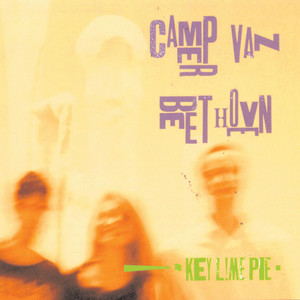
The third album, Camper Van Beethoven, continued the thread, as blueprint CVB tracks like "Joe Stalin's Cadillac" and "Good Guys and Bad Guys" fused punk-inspired looseness with more sophisticated melody and rhythm patterns. At the same time, they were blowing minds and ears with their prog rock leanings (check their nearly note-perfect version of <a href="spotify:artist:0k17h0D3J5VfsdmQ1iZtE9">Pink Floyd</a>'s "Interstellar Overdrive"). By the time of their <a href="spotify:search:label%3A%22Virgin+Records%22">Virgin Records</a> debut (coinciding with the label's U.S. relaunch in 1988), the band took a more serious tack for its fourth album, Our Beloved Revolutionary Sweetheart. With <a href="spotify:artist:3AwCLwR7OYuUcl7ybGt5hS">Molla</a> gone by then, the group was officially a five-piece, though a cadre of friends assisted them at recording sessions, including producer Dennis Herring (eventually, touring guitarist David Immerglück, later of <a href="spotify:artist:0vEsuISMWAKNctLlUAhSZC">Counting Crows</a>, became an honorary sixth member). Stretching out in larger studio facilities and experimenting with sound, Sweetheart was the first CVB release met with mixed critical response. Following the elegiac Key Lime Pie and amid creative and personal strife, the band (then featuring female fiddler Morgan Fichter in place of <a href="spotify:artist:3FZxLiRG7M9JsLLy7Y0FjZ">Segel</a>) called it a night in 1989.
In the '90s, <a href="spotify:artist:5CZIV0zvRz5au1NaWrqygR">Krummenacher</a>, Pedersen, and <a href="spotify:artist:2ox3ELJvKfqXLM6ZWCYLVk">Lisher</a> (with Immerglück) continued to play together in <a href="spotify:artist:4RXqLrmaH6CPVUEjhQLt3U">Monks of Doom</a>, a mostly instrumental prog rock concern, as well as in other formations that sometimes included <a href="spotify:artist:3FZxLiRG7M9JsLLy7Y0FjZ">Segel</a>. <a href="spotify:artist:3FZxLiRG7M9JsLLy7Y0FjZ">Segel</a> released three albums as <a href="spotify:artist:3FZxLiRG7M9JsLLy7Y0FjZ">Hieronymous Firebrain</a> from 1990-1994, and two with <a href="spotify:artist:6sohzomgR8WGDSOz6CJkd3">Jack & Jill</a> for the <a href="spotify:search:label%3A%22Magnetic%22">Magnetic</a> label. In 2005 he collaborated with Dina Emerson in <a href="spotify:artist:1jzAHIRbHREGgBtOer4jyQ">Chaos Butterfly</a>. <a href="spotify:artist:5CZIV0zvRz5au1NaWrqygR">Krummenacher</a> has released six solo albums and has collaborated with <a href="spotify:artist:3VWsCRWk23WloHRP9ilRsw">Eugene Chadbourne</a>, <a href="spotify:artist:456lEQuTMYTlfl2VtmbXUc">Bruce Kaphan</a>, and members of <a href="spotify:artist:5cVphcm0FP2N0GXVl9csxh">Tarnation</a>, among others, also released through <a href="spotify:search:label%3A%22Magnetic%22">Magnetic</a>. <a href="spotify:artist:2ox3ELJvKfqXLM6ZWCYLVk">Lisher</a> has two self-released solo albums to his credit. In the wake of the band's dissolution, <a href="spotify:artist:5V8GA6aqsyZizChn4Zj6st">Lowery</a> formed <a href="spotify:artist:0ODQJS4mk7rVBJXjdqByX6">Cracker</a>, by far the most successful of the post-Camper ventures; it served as a vehicle to keep him on the road as well as a way to keep Camper's name in circulation, though he kept a distance from his bandmates and left California for Richmond, Virginia.
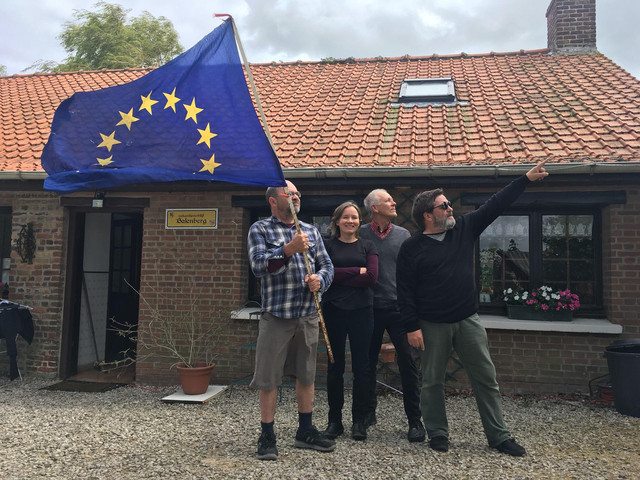
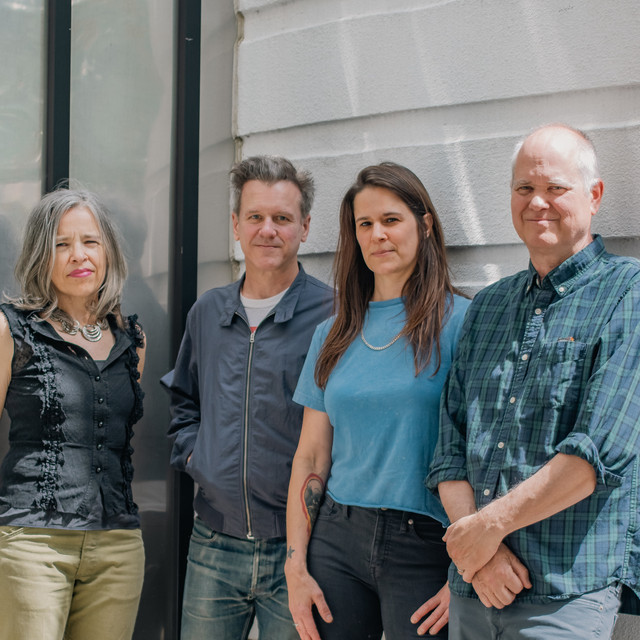
By 1999, <a href="spotify:artist:5CZIV0zvRz5au1NaWrqygR">Krummenacher</a>, <a href="spotify:artist:3FZxLiRG7M9JsLLy7Y0FjZ">Segel</a>, and <a href="spotify:artist:5V8GA6aqsyZizChn4Zj6st">Lowery</a> were reunited while compiling an unorthodox rarities collection, Camper Van Beethoven Is Dead: Long Live Camper Van Beethoven, a mash-up of rare cuts utilizing the band's back catalog. In 2002, they officially issued their song-for-song version of <a href="spotify:artist:08GQAI4eElDnROBrJRGE0X">Fleetwood Mac</a>'s Tusk, recorded on a lark in 1987. In the process of reissuing and archiving, the original members (sans Pedersen) quietly reunited for a handful of live shows and began work on a new batch of songs. In 2004 they released New Roman Times (a concept album about a Texas teen who joins the military, then leaves the ranks to join an anti-government militia), featuring all-original members including Pedersen on drums and original guitarist <a href="spotify:artist:3AwCLwR7OYuUcl7ybGt5hS">Molla</a> sitting in. In 2008 <a href="spotify:search:label%3A%22Cooking+Vinyl%22">Cooking Vinyl</a> released Popular Songs of Great Enduring Strength and Beauty, a collection of fan favorites, followed by an all-new studio album, a concept album about Northern California titled La Costa Perdida, in 2013. Its sister release, El Camino Real, which focused on Southern California life, appeared a few months later in 2014. CVB continue to tour, often in support of alternative acts that have followed in their groundbreaking indie rock footprints. ~ Denise Sullivan, Rovi
Monthly Listeners
90,542
Monthly Listeners History
Track the evolution of monthly listeners over the last 28 days.
Followers
53,279
Followers History
Track the evolution of followers over the last 28 days.
Total Streams
29.4 million
Total Streams History
Track the evolution of total streams over the last 28 days. This data is calculated from all tracks listed in the artist's discography.
Top Cities


Related Artists
Frank Black
The Feelies

Miracle Legion



Let's Active

Guadalcanal Diary


The Modern Lovers