Data may be outdated
Last updated: 9 months ago — Click refresh to get the latest statistics.
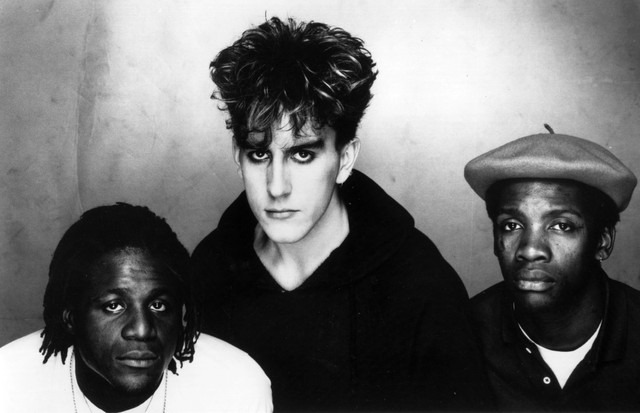
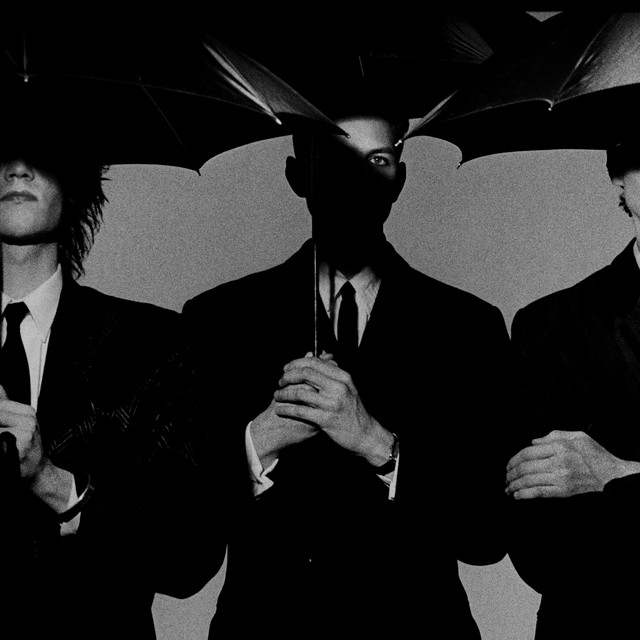
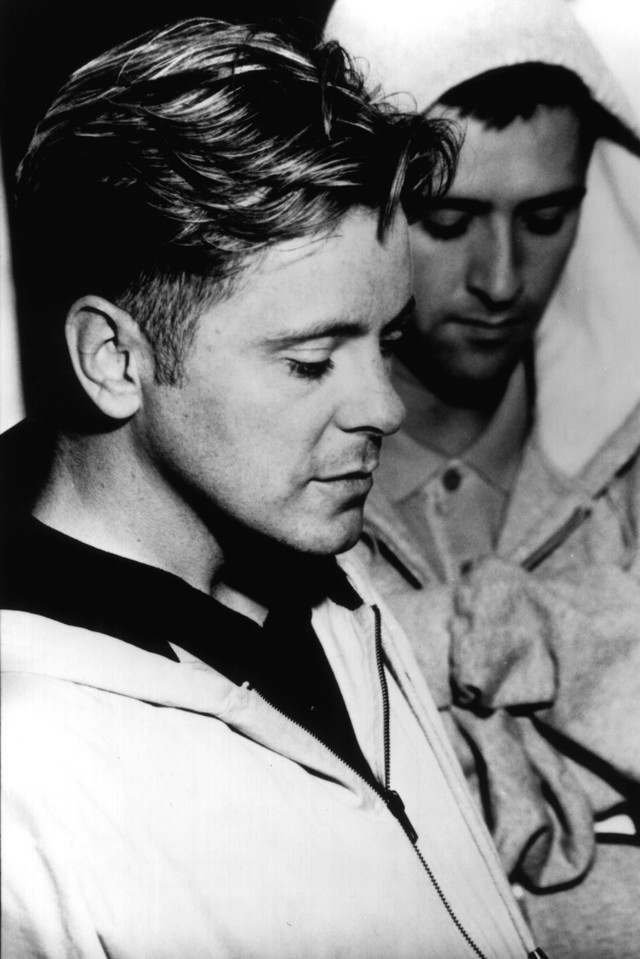
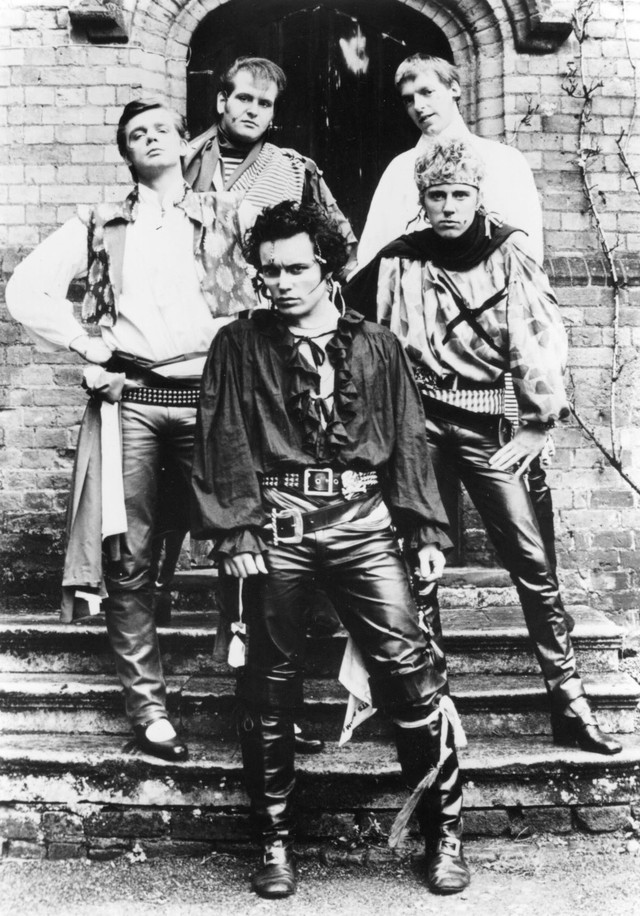
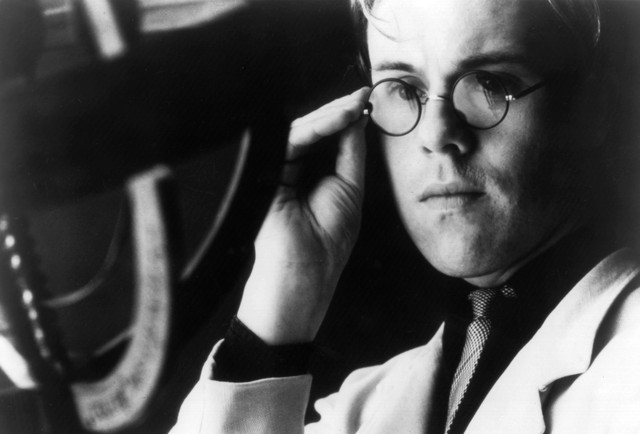
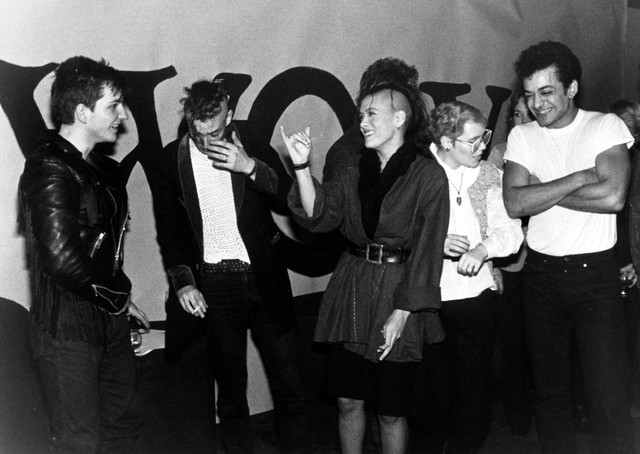
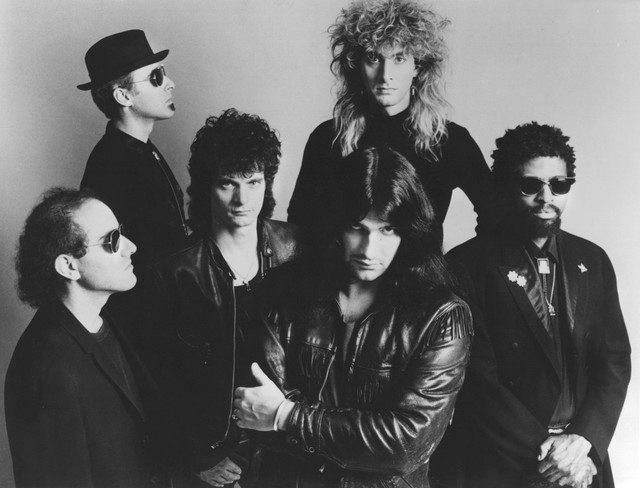
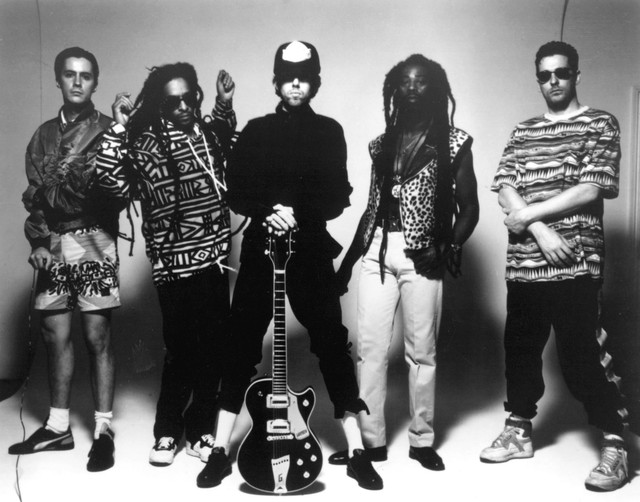
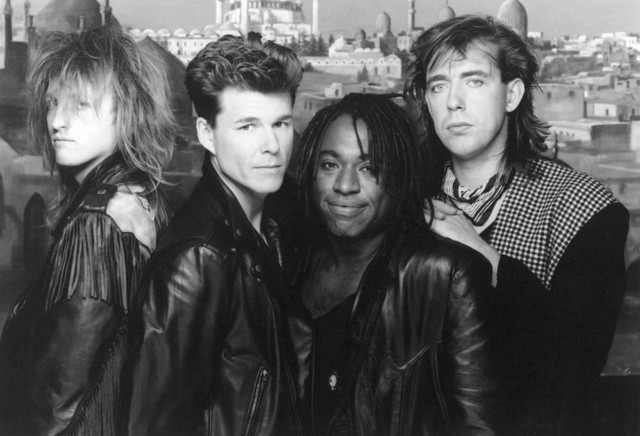
After <a href="spotify:artist:6QFIIkwi4R2erQsIp0TDSb">Mick Jones</a> was fired from <a href="spotify:artist:3RGLhK1IP9jnYFH4BRFJBS">the Clash</a> in 1983, he formed Big Audio Dynamite (B.A.D.) one year later to continue the more experimental funk elements of <a href="spotify:artist:3RGLhK1IP9jnYFH4BRFJBS">the Clash</a>'s Combat Rock. The group's original incarnation included <a href="spotify:artist:6QFIIkwi4R2erQsIp0TDSb">Jones</a>, video artist and <a href="spotify:artist:3RGLhK1IP9jnYFH4BRFJBS">Clash</a> associate Don Letts (effects and vocals), Greg Roberts (drums), Dan Donovan (keyboards), and Leo "E-Zee Kill" Williams (bass). Adding samplers, dance tracks, and found sounds to <a href="spotify:artist:6QFIIkwi4R2erQsIp0TDSb">Jones</a>' concise pop songwriting, B.A.D. debuted on record with the single "The Bottom Line" in September 1985 and the album This Is Big Audio Dynamite later that year. "E=MC2" and "Medicine Show" became sizable hits in England, and reached the dance charts in America.
When it arrived in late 1986, Big Audio Dynamite's second album, No. 10, Upping St., boasted co-production and co-writing from <a href="spotify:artist:2A09V0kHlETOFfT8Hz8oba">Joe Strummer</a>, <a href="spotify:artist:6QFIIkwi4R2erQsIp0TDSb">Jones</a>' former bandmate in <a href="spotify:artist:3RGLhK1IP9jnYFH4BRFJBS">the Clash</a>. It was a much better fusion of contemporary production techniques with <a href="spotify:artist:6QFIIkwi4R2erQsIp0TDSb">Jones</a>' songwriting, and the two biggest singles -- "C'mon Every Beatbox" and "V. Thirteen" -- performed well both on the British pop charts and American dance charts. After a two-year break, the band returned with a less free-form work, Tighten Up, Vol. 88, but righted the ship with 1989's Megatop Phoenix, their biggest performer in America (thanks to the singles "Contact" and "James Brown").
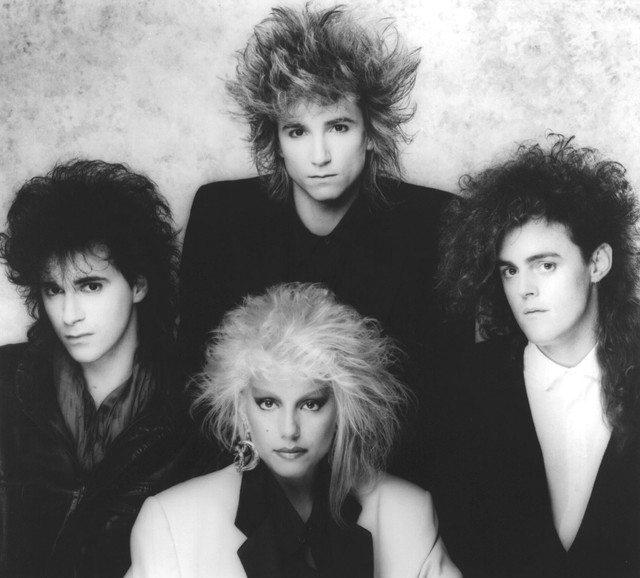
After Megatop Phoenix, the band split apart at the end of 1989. <a href="spotify:artist:6QFIIkwi4R2erQsIp0TDSb">Jones</a> quickly added Gary Stonadge (bass/vocals), Chris Kavanagh (drums/vocals), and Nick Hawkins (guitar/vocals) to form Big Audio Dynamite II, while Letts, Williams, and Roberts formed <a href="spotify:artist:0rLitAdHp7EKYx10bke6Im">Screaming Target</a> and Donovan joined <a href="spotify:artist:4HxBVyHaUa60eCSsJWxwWR">the Sisters of Mercy</a>. Releasing The Globe, the first full-length album with the new lineup, in 1991, B.A.D. II experienced their greatest success yet with the American Top 40 hit "Rush." In 1994, <a href="spotify:artist:6QFIIkwi4R2erQsIp0TDSb">Jones</a> truncated the band's name to <a href="spotify:artist:4iaOk7pyzBVgN9QPJ06kbg">Big Audio</a> and released Higher Power.
After Higher Power, <a href="spotify:artist:4iaOk7pyzBVgN9QPJ06kbg">Big Audio</a> parted ways with Epic, signing with Radioactive in early 1995 and releasing F-Punk. The single "I Turned Out a Punk" became a college radio hit, even when it was initially released anonymously (granted, <a href="spotify:artist:6QFIIkwi4R2erQsIp0TDSb">Jones</a>' voice was immediately recognizable). That conglomeration also split shortly afterward, <a href="spotify:artist:6QFIIkwi4R2erQsIp0TDSb">Jones</a> later appearing in the production chair of notable records including <a href="spotify:artist:4fSPtBgFPZzygkY6MehwQ7">the Libertines</a>' Up the Bracket. ~ Stephen Thomas Erlewine and John Bush, Rovi
When it arrived in late 1986, Big Audio Dynamite's second album, No. 10, Upping St., boasted co-production and co-writing from <a href="spotify:artist:2A09V0kHlETOFfT8Hz8oba">Joe Strummer</a>, <a href="spotify:artist:6QFIIkwi4R2erQsIp0TDSb">Jones</a>' former bandmate in <a href="spotify:artist:3RGLhK1IP9jnYFH4BRFJBS">the Clash</a>. It was a much better fusion of contemporary production techniques with <a href="spotify:artist:6QFIIkwi4R2erQsIp0TDSb">Jones</a>' songwriting, and the two biggest singles -- "C'mon Every Beatbox" and "V. Thirteen" -- performed well both on the British pop charts and American dance charts. After a two-year break, the band returned with a less free-form work, Tighten Up, Vol. 88, but righted the ship with 1989's Megatop Phoenix, their biggest performer in America (thanks to the singles "Contact" and "James Brown").
After Megatop Phoenix, the band split apart at the end of 1989. <a href="spotify:artist:6QFIIkwi4R2erQsIp0TDSb">Jones</a> quickly added Gary Stonadge (bass/vocals), Chris Kavanagh (drums/vocals), and Nick Hawkins (guitar/vocals) to form Big Audio Dynamite II, while Letts, Williams, and Roberts formed <a href="spotify:artist:0rLitAdHp7EKYx10bke6Im">Screaming Target</a> and Donovan joined <a href="spotify:artist:4HxBVyHaUa60eCSsJWxwWR">the Sisters of Mercy</a>. Releasing The Globe, the first full-length album with the new lineup, in 1991, B.A.D. II experienced their greatest success yet with the American Top 40 hit "Rush." In 1994, <a href="spotify:artist:6QFIIkwi4R2erQsIp0TDSb">Jones</a> truncated the band's name to <a href="spotify:artist:4iaOk7pyzBVgN9QPJ06kbg">Big Audio</a> and released Higher Power.
After Higher Power, <a href="spotify:artist:4iaOk7pyzBVgN9QPJ06kbg">Big Audio</a> parted ways with Epic, signing with Radioactive in early 1995 and releasing F-Punk. The single "I Turned Out a Punk" became a college radio hit, even when it was initially released anonymously (granted, <a href="spotify:artist:6QFIIkwi4R2erQsIp0TDSb">Jones</a>' voice was immediately recognizable). That conglomeration also split shortly afterward, <a href="spotify:artist:6QFIIkwi4R2erQsIp0TDSb">Jones</a> later appearing in the production chair of notable records including <a href="spotify:artist:4fSPtBgFPZzygkY6MehwQ7">the Libertines</a>' Up the Bracket. ~ Stephen Thomas Erlewine and John Bush, Rovi
Monthly Listeners
222,468
Monthly Listeners History
Track the evolution of monthly listeners over the last 28 days.
Followers
154,867
Followers History
Track the evolution of followers over the last 28 days.
Top Cities

Related Artists

The Icicle Works