Data may be outdated
Last updated: 9 months ago — Click refresh to get the latest statistics.
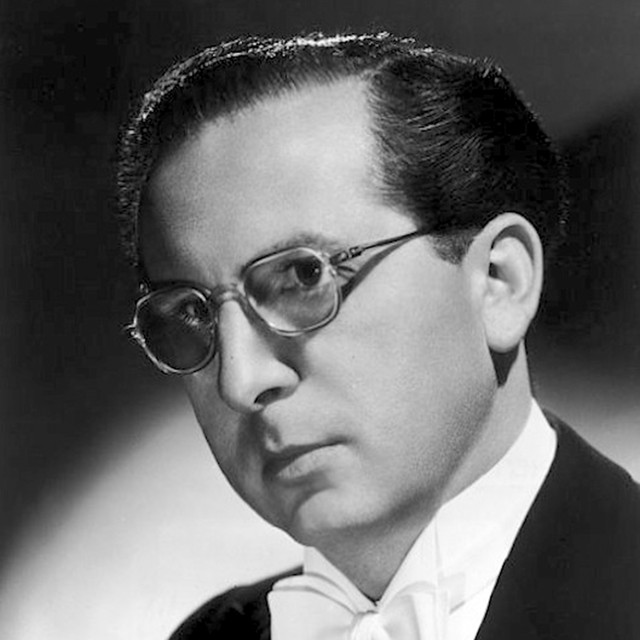
b. Isaac Cozerbreit, 8 May 1893, London, England, d. 7 September 1978, Findon Valley, Worthing, England. Williams was one of Britain’s most prolific composers of light music, and he was also responsible for numerous film scores, often uncredited on screen. During his early career as a violinist he led for Sir Landon Ronald, Sir Thomas Beecham and Sir Edward Elgar. Like many of his contemporaries, he accompanied silent films, and became conductor of the New Gallery Cinema in London’s Regent Street. He worked on the first British all-sound film, Alfred Hitchcock’s Blackmail, from which followed many commissions as composer or conductor:The Thirty Nine Steps (1935), Kipps (1941), The Night Has Eyes (1942), The Young Mr Pitt (1942), The Way To The Stars (1945- assisting Nicholas Brodszky who is reported to have written only four notes of the main theme, leaving the rest to Williams), The Noose (1946), While I Live (1947) from which came his famous ‘Dream Of Olwen’, The Romantic Age (1949), Flesh And Blood - from which came ‘Throughout The Years’ (1951) and the American movie The Apartment (1960) which used Williams’ ‘Jealous Lover’ (originally heard in the British film The Romantic Age) as the title theme, reaching number 1 in the US charts.
In total Williams is reputed to have worked on at least 100 films. London publishers Chappell established their recorded music library in 1942, using Williams as composer and conductor of the Queen’s Hall Light Orchestra. These 78s made exclusively for radio, television, newsreel and film use, contain many pieces that were to become familiar as themes, such as ‘Devil’s Gallop’ (signature tune of Dick Barton - Special Agent), ‘Girls In Grey’ (BBC Television Newsreel), ‘High Adventure’ (Friday Night Is Music Night) and ‘Majestic Fanfare’ (Australian Television News). In his conducting capacity at Chappells he made the first recordings of works by several composers who were later to achieve fame in their own right, such as Robert Farnon, Sidney Torch, Clive Richardson and Peter Yorke. Williams’ first recognition as a composer came in the early 30s for ‘The Blue Devils’ (which he had actually written in 1929 as ‘The Kensington March’), followed in the 40s and 50s by ‘Voice Of London’, ‘Rhythm On Rails’, ‘The Falcons’, ‘Heart O’ London’, ‘Model Railway’, ‘The Music Lesson’, ‘Dream Of Olwen’, ‘The Old Clockmaker’, ‘The Starlings’, ‘A Quiet Stroll’, ‘Sleepy Marionette’, ‘Side Walk’ and many more. For the Columbia Records label, with his own Concert Orchestra (as well as the Queen’s Hall Light Orchestra), he conducted over 30 78s of popular light and film music from 1946 onwards.
In total Williams is reputed to have worked on at least 100 films. London publishers Chappell established their recorded music library in 1942, using Williams as composer and conductor of the Queen’s Hall Light Orchestra. These 78s made exclusively for radio, television, newsreel and film use, contain many pieces that were to become familiar as themes, such as ‘Devil’s Gallop’ (signature tune of Dick Barton - Special Agent), ‘Girls In Grey’ (BBC Television Newsreel), ‘High Adventure’ (Friday Night Is Music Night) and ‘Majestic Fanfare’ (Australian Television News). In his conducting capacity at Chappells he made the first recordings of works by several composers who were later to achieve fame in their own right, such as Robert Farnon, Sidney Torch, Clive Richardson and Peter Yorke. Williams’ first recognition as a composer came in the early 30s for ‘The Blue Devils’ (which he had actually written in 1929 as ‘The Kensington March’), followed in the 40s and 50s by ‘Voice Of London’, ‘Rhythm On Rails’, ‘The Falcons’, ‘Heart O’ London’, ‘Model Railway’, ‘The Music Lesson’, ‘Dream Of Olwen’, ‘The Old Clockmaker’, ‘The Starlings’, ‘A Quiet Stroll’, ‘Sleepy Marionette’, ‘Side Walk’ and many more. For the Columbia Records label, with his own Concert Orchestra (as well as the Queen’s Hall Light Orchestra), he conducted over 30 78s of popular light and film music from 1946 onwards.
Monthly Listeners
8,314
Monthly Listeners History
Track the evolution of monthly listeners over the last 28 days.
Followers
1,174
Followers History
Track the evolution of followers over the last 28 days.
Top Cities
258 listeners

119 listeners

106 listeners

105 listeners
80 listeners

Related Artists
Haydn Wood

Bronisław Kaper
Pro Musica Symphony Orchestra

Ivor Novello
Peter Martin
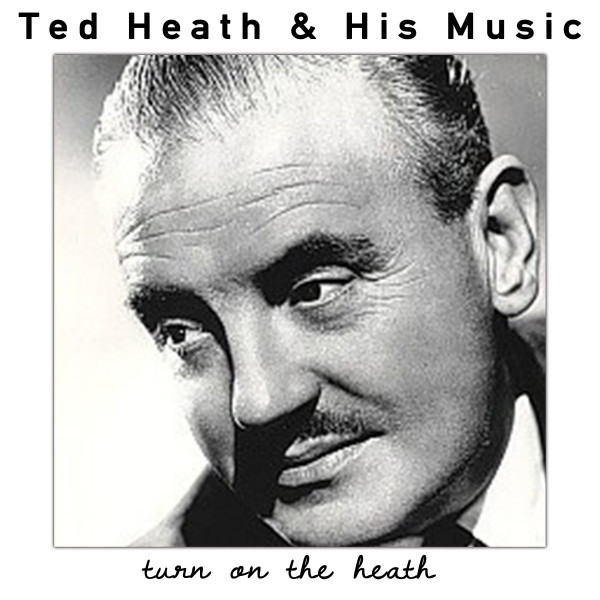

David Raksin
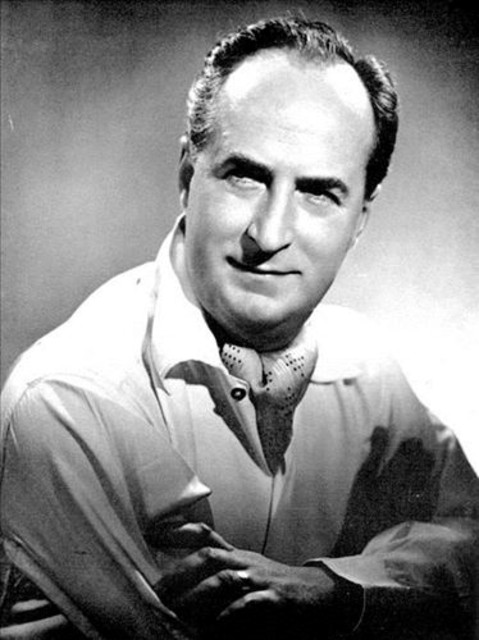
Eric Rogers

Edward Eliscu

William Perry


The City Lights Orchestra
Leighton Lucas

Frank De Vol And His Orchestra

Angela Morely
Dudley Moore

Frank Cordell And His Orchestra
Skitch Henderson
George Bassman
Harold Collins And His Orchestra
Steve Race

Clive Richardson