Genre
light music
Top Light music Artists
Showing 25 of 34 artists








About Light music
Light music, also known as light orchestral music or easy listening in broader usage, is a melodic, approachable strand of 20th-century orchestral writing. It favors tuneful themes, clear structures, and polished textures over the austere, developmental depth prized in some symphonic traditions. The result is music that aims to be entertaining, mood-enhancing, and instantly engaging, often suitable for background listening as well as for concert stages.
The genre’s birth is most closely tied to Britain in the early to mid-20th century. It grew out of salons, music halls, and the broader public desire for orchestral music that felt less “serious” than the great symphonic repertoire but still offered craftsmanship and orchestral color. By the 1920s through the 1950s, a distinct British light music scene had developed, aided by radio and record culture. It thrived under concert programs and on the airwaves, where orchestras could present compact, memorable pieces that could be enjoyed without requiring the audience to be steeped in complex academic tradition. The BBC’s Light Programme (and related broadcasts) played a pivotal role in shaping and circulating this repertoire, helping to codify the sound and its friendly, confident mood.
Key characteristics of light music include bright, singable melodies; clear, often jaunty rhythms; brisk or moderate tempi; and orchestration that emphasizes strings, woodwinds, and sometimes light brass or brass- and percussion-sculpted colors. Pieces are frequently compact in length, designed to be immediately accessible and memorable. The harmonic language remains tonal and often gently romantic or witty, with orchestras at times executing shimmering textures, elegant swells, and buoyant finales. While not aiming for technical display on par with virtuoso symphonic writing, light music rewards warm, precise ensemble playing and expressive balance.
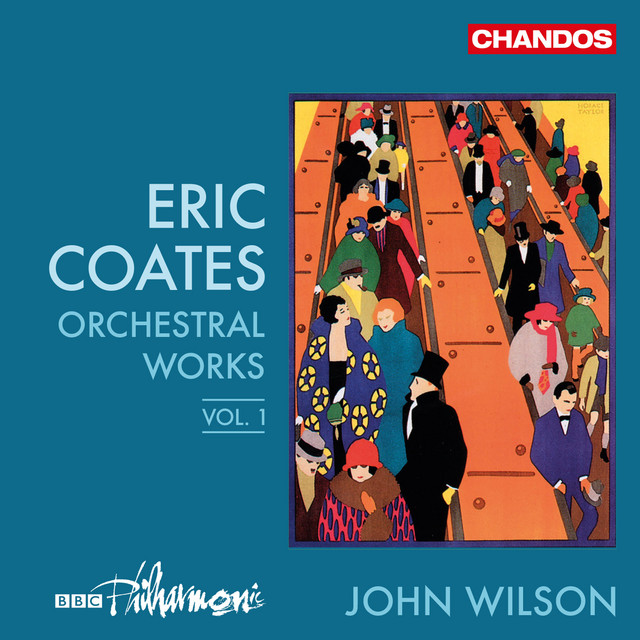
Among the genre’s most influential ambassadors are composers and conductors who made the light music idiom recognizable around the world. In Britain, Eric Coates stands as a towering figure, with a body of work that became emblematic of the genre’s easy charm and celebratory spirit. Other important British names include George Melachrino and, later, Ron Goodwin, who bridged light music sensibilities with filmic evoke and energy. From Canada and the UK came Robert Farnon, a masterful melodic orchestrator whose arrangements and originals helped popularize a refined, cosmopolitan strand of light music. Mantovani, the Italian-born conductor famed for lush, cascading strings, became the global ambassador of the “romantic light orchestra” sound, bringing it into homes worldwide from the 1950s onward. These figures—Coates, Farnon, Melachrino, Goodwin, Mantovani—define the lineage, while numerous orchestras and arrangers across Europe and the Commonwealth carried the torch.
Geographically, the genre remains most strongly associated with the United Kingdom, where it originated and where institutions and recording labels preserved and perpetuated the tradition. It found substantial followings in Ireland, Australia, Canada, and parts of continental Europe, with notable audiences in the United States during the mid-20th century’s easy listening era. Today, light music survives in revived interest on streaming platforms, compilations, and niche radio playlists, often recontextualized as a bridge between classical clarity and contemporary melodic sensibility. For enthusiasts, exploring the genre offers a window into an era when orchestral color and accessible, well-crafted tunes could be both artful and widely beloved.
The genre’s birth is most closely tied to Britain in the early to mid-20th century. It grew out of salons, music halls, and the broader public desire for orchestral music that felt less “serious” than the great symphonic repertoire but still offered craftsmanship and orchestral color. By the 1920s through the 1950s, a distinct British light music scene had developed, aided by radio and record culture. It thrived under concert programs and on the airwaves, where orchestras could present compact, memorable pieces that could be enjoyed without requiring the audience to be steeped in complex academic tradition. The BBC’s Light Programme (and related broadcasts) played a pivotal role in shaping and circulating this repertoire, helping to codify the sound and its friendly, confident mood.
Key characteristics of light music include bright, singable melodies; clear, often jaunty rhythms; brisk or moderate tempi; and orchestration that emphasizes strings, woodwinds, and sometimes light brass or brass- and percussion-sculpted colors. Pieces are frequently compact in length, designed to be immediately accessible and memorable. The harmonic language remains tonal and often gently romantic or witty, with orchestras at times executing shimmering textures, elegant swells, and buoyant finales. While not aiming for technical display on par with virtuoso symphonic writing, light music rewards warm, precise ensemble playing and expressive balance.
Among the genre’s most influential ambassadors are composers and conductors who made the light music idiom recognizable around the world. In Britain, Eric Coates stands as a towering figure, with a body of work that became emblematic of the genre’s easy charm and celebratory spirit. Other important British names include George Melachrino and, later, Ron Goodwin, who bridged light music sensibilities with filmic evoke and energy. From Canada and the UK came Robert Farnon, a masterful melodic orchestrator whose arrangements and originals helped popularize a refined, cosmopolitan strand of light music. Mantovani, the Italian-born conductor famed for lush, cascading strings, became the global ambassador of the “romantic light orchestra” sound, bringing it into homes worldwide from the 1950s onward. These figures—Coates, Farnon, Melachrino, Goodwin, Mantovani—define the lineage, while numerous orchestras and arrangers across Europe and the Commonwealth carried the torch.
Geographically, the genre remains most strongly associated with the United Kingdom, where it originated and where institutions and recording labels preserved and perpetuated the tradition. It found substantial followings in Ireland, Australia, Canada, and parts of continental Europe, with notable audiences in the United States during the mid-20th century’s easy listening era. Today, light music survives in revived interest on streaming platforms, compilations, and niche radio playlists, often recontextualized as a bridge between classical clarity and contemporary melodic sensibility. For enthusiasts, exploring the genre offers a window into an era when orchestral color and accessible, well-crafted tunes could be both artful and widely beloved.