Data may be outdated
Last updated: 9 months ago — Click refresh to get the latest statistics.
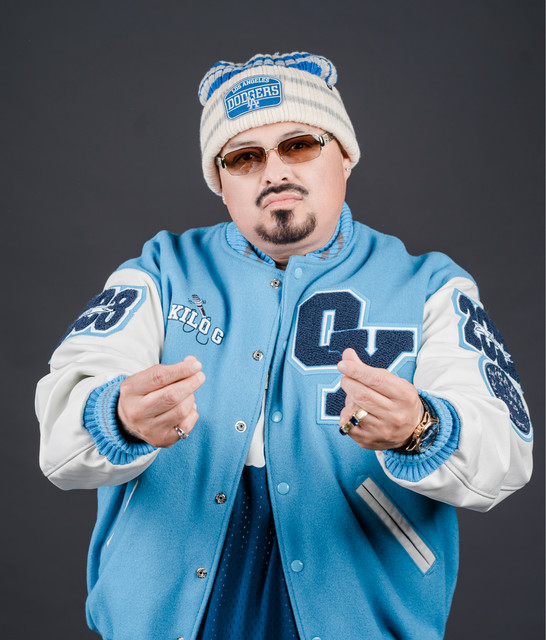
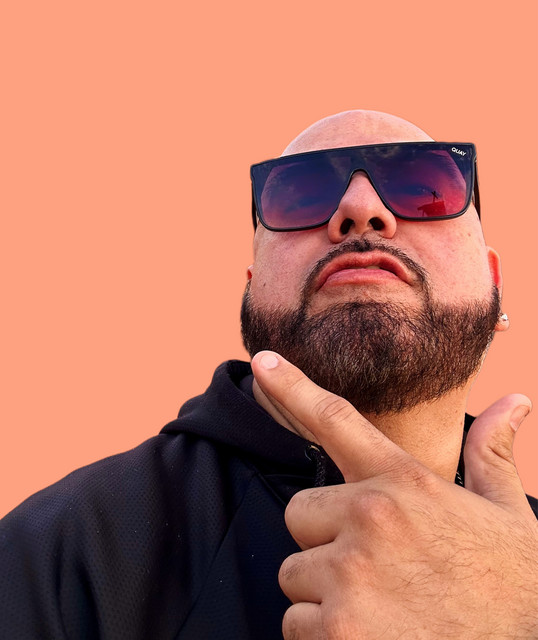
By selling mixtapes and CDs straight out the trunk of his car, Houston rapper Pedro Herrera III rose to prominence in the Southwest and among Latin rap fans, doubling as the Mexican/Chicano self-parodying alter ego Chingo Bling. Donning the stereotypical getup of a vaquero (Latino farmhand) -- cowboy ostrich boots and oversized belt buckles -- Chingo personifies his fun-filled, Spanglish lyrics and rap music jokes, sporting aliases like the Ghetto Vaquero and the Tamale Kingpin. Herrera's family emigrated from Valle Hermoso, Tamaulipas, Mexico, to Houston, Texas, where Herrera was born. To keep him away from the city's turbulent city life, his parents sent him away to the prestigious Peddie School, a private boarding school in New Jersey, on a scholarship. He returned to Texas to attend Trinity University in San Antonio, majoring in marketing and business administration. While at Trinity, he first concocted the Chingo Bling persona as part of an on-air routine for his disc jockey gig at the KRTU student radio station.
Herrera first began selling Chingo mixtapes around 2001 at local stores, flea markets, and wherever else in Texas he could find an audience. His big break came when he seized the opportunity to appear on Power 106's Pocos Pero Locos show in Los Angeles. The syndicated show got his music played throughout the Southwest on Chicano rap forums. Self-released on his own <a href="spotify:search:label%3A%22Big+Chile+Enterprises%22">Big Chile Enterprises</a> label, his first album, 2004's The Tamale Kingpin, was heavily anticipated, but by the release of his second album, the following year's 4 President, Chingo had become a regional star. His record sales did not measure up to breakthrough artists on major labels, but his comedic appeal garnered widespread attention, including features on MTV and Telemundo as well as in several hip-hop publications. Some of the attention, however, came from critics who thought of him as a racist caricature of Mexican/Chicano culture. And it didn't help that Herrera's <a href="spotify:search:label%3A%22Big+Chile%22">Big Chile</a> imprint was also producing products like Chingo bobblehead dolls and hot sauce. Nonetheless, the local hoopla over Chingo translated into a heated bidding war among major labels like <a href="spotify:search:label%3A%22Bad+Boy%22">Bad Boy</a>, <a href="spotify:search:label%3A%22Universal%22">Universal</a>, <a href="spotify:search:label%3A%22Capitol%22">Capitol</a>, and <a href="spotify:search:label%3A%22Atlantic%22">Atlantic</a>. <a href="spotify:search:label%3A%22Asylum%22">Asylum</a>/<a href="spotify:search:label%3A%22Warner%22">Warner</a> won out, signing <a href="spotify:search:label%3A%22Big+Chile%22">Big Chile</a> to an $80 million dollar distribution deal in 2006.
Amidst the rising tension concerning the influx of undocumented Latino and Latina immigrants in the late 2000s, Herrera switched the title of his 2007 <a href="spotify:search:label%3A%22Asylum%22">Asylum</a> debut from Welcome to the Border to They Can't Deport Us All. His concerted promotional effort (which included erecting a billboard of the album title in Houston) drew out all types of backlash from national conservative pundits and local citizens alike. In addition to receiving several death threats, his father's tamale truck, brandishing the album promotional ad, was vandalized, shot at, illegally towed, and then stolen. They Can't Deport Us All debuted at 11 on the rap charts, containing features from <a href="spotify:artist:12PSlydMSjEHzSCj9X5qv7">Baby Bash</a>, <a href="spotify:artist:0TnOYISbd1XYRBk9myaseg">Pitbull</a>, <a href="spotify:artist:0k7Xl1pqI3tu8sSEjo5oEg">Paul Wall</a>, and <a href="spotify:artist:55TH3aMMK1u2VsR8DPGC6D">Mistah F.A.B.</a> ~ Cyril Cordor
Herrera first began selling Chingo mixtapes around 2001 at local stores, flea markets, and wherever else in Texas he could find an audience. His big break came when he seized the opportunity to appear on Power 106's Pocos Pero Locos show in Los Angeles. The syndicated show got his music played throughout the Southwest on Chicano rap forums. Self-released on his own <a href="spotify:search:label%3A%22Big+Chile+Enterprises%22">Big Chile Enterprises</a> label, his first album, 2004's The Tamale Kingpin, was heavily anticipated, but by the release of his second album, the following year's 4 President, Chingo had become a regional star. His record sales did not measure up to breakthrough artists on major labels, but his comedic appeal garnered widespread attention, including features on MTV and Telemundo as well as in several hip-hop publications. Some of the attention, however, came from critics who thought of him as a racist caricature of Mexican/Chicano culture. And it didn't help that Herrera's <a href="spotify:search:label%3A%22Big+Chile%22">Big Chile</a> imprint was also producing products like Chingo bobblehead dolls and hot sauce. Nonetheless, the local hoopla over Chingo translated into a heated bidding war among major labels like <a href="spotify:search:label%3A%22Bad+Boy%22">Bad Boy</a>, <a href="spotify:search:label%3A%22Universal%22">Universal</a>, <a href="spotify:search:label%3A%22Capitol%22">Capitol</a>, and <a href="spotify:search:label%3A%22Atlantic%22">Atlantic</a>. <a href="spotify:search:label%3A%22Asylum%22">Asylum</a>/<a href="spotify:search:label%3A%22Warner%22">Warner</a> won out, signing <a href="spotify:search:label%3A%22Big+Chile%22">Big Chile</a> to an $80 million dollar distribution deal in 2006.
Amidst the rising tension concerning the influx of undocumented Latino and Latina immigrants in the late 2000s, Herrera switched the title of his 2007 <a href="spotify:search:label%3A%22Asylum%22">Asylum</a> debut from Welcome to the Border to They Can't Deport Us All. His concerted promotional effort (which included erecting a billboard of the album title in Houston) drew out all types of backlash from national conservative pundits and local citizens alike. In addition to receiving several death threats, his father's tamale truck, brandishing the album promotional ad, was vandalized, shot at, illegally towed, and then stolen. They Can't Deport Us All debuted at 11 on the rap charts, containing features from <a href="spotify:artist:12PSlydMSjEHzSCj9X5qv7">Baby Bash</a>, <a href="spotify:artist:0TnOYISbd1XYRBk9myaseg">Pitbull</a>, <a href="spotify:artist:0k7Xl1pqI3tu8sSEjo5oEg">Paul Wall</a>, and <a href="spotify:artist:55TH3aMMK1u2VsR8DPGC6D">Mistah F.A.B.</a> ~ Cyril Cordor
Monthly Listeners
54,511
Monthly Listeners History
Track the evolution of monthly listeners over the last 28 days.
Followers
99,293
Followers History
Track the evolution of followers over the last 28 days.
Top Cities
3,293 listeners

3,053 listeners
2,512 listeners
1,442 listeners
1,256 listeners
Related Artists


Low G