Artist
Chroma Key
Data may be outdated
Last updated: 9 months ago — Click refresh to get the latest statistics.
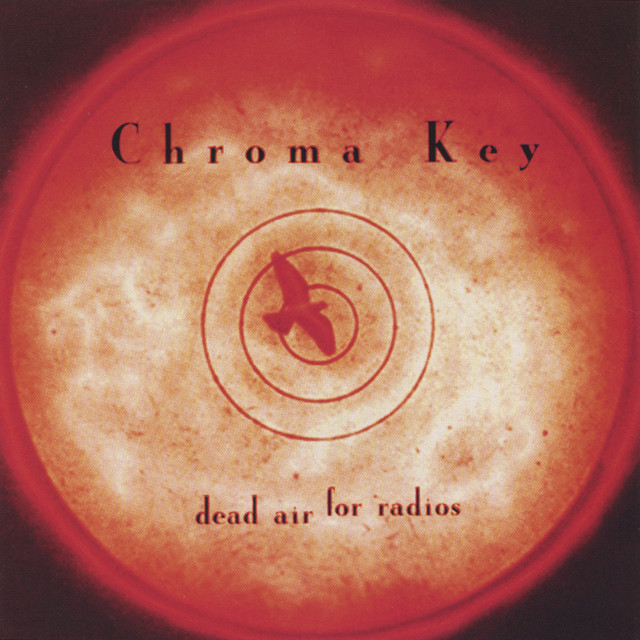
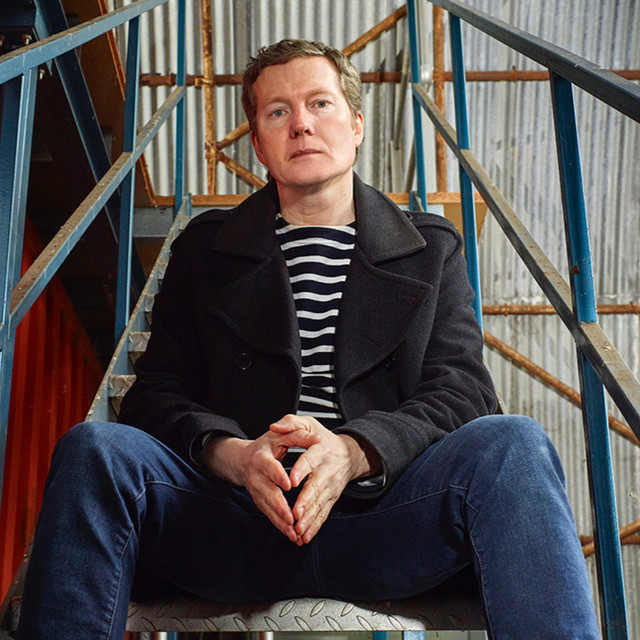
Onetime <a href="spotify:artist:2aaLAng2L2aWD2FClzwiep">Dream Theater</a> keyboardist <a href="spotify:artist:0gUhV0qB1VRZxCvqyKD3LA">Kevin Moore</a> left that band after three albums to pursue his own project, Chroma Key. Stripping away the metallic elements of <a href="spotify:artist:2aaLAng2L2aWD2FClzwiep">Dream Theater</a>'s sound, Chroma Key is more influenced by '70s prog-rock and early-'80s synth-pop, particularly the most ethereal, ambient-flavored components of each -- artists like <a href="spotify:artist:7MSUfLeTdDEoZiJPDSBXgi">Brian Eno</a>, <a href="spotify:artist:0k17h0D3J5VfsdmQ1iZtE9">Pink Floyd</a>, <a href="spotify:artist:7C4sUpWGlTy7IANjruj02I">Peter Gabriel</a>, and <a href="spotify:artist:7Fo8TAyGJr4VmhE68QamMf">Talk Talk</a>'s <a href="spotify:artist:1dKzjmxVJw8SSE0LVxW2Dp">Mark Hollis</a>. The first Chroma Key project was recorded with <a href="spotify:artist:4S6URhg3PMKnCv9clR4ejE">Fates Warning</a> rhythm section <a href="spotify:artist:3srOLMh3PQLdeUUfpQuXqW">Joey Vera</a> (bass) and Mark Zonder (drums), as well as guitarist <a href="spotify:artist:0023gZrVkCI92AFfuvghK7">Jason Anderson</a>; titled Dead Air for Radios, it was released in 1998 in Europe and the following year in the U.S. on Fight Evil Records. For his next record as Chroma Key, Moore enlisted programmer/co-producer Steve Tushar and <a href="spotify:artist:2FcC4sDMXme2ziI7tGKMK8">David Gilmour</a>-influenced guitarist Dave Iscove; the result, You Go Now, appeared in late 2000, after which Moore relocated to Costa Rica. ~ Steve Huey, Rovi
Monthly Listeners
20,596
Monthly Listeners History
Track the evolution of monthly listeners over the last 28 days.
Followers
27,885
Followers History
Track the evolution of followers over the last 28 days.
Top Cities
473 listeners

409 listeners

324 listeners

316 listeners

233 listeners

Related Artists














Wolverine