Data may be outdated
Last updated: 8 months ago — Click refresh to get the latest statistics.
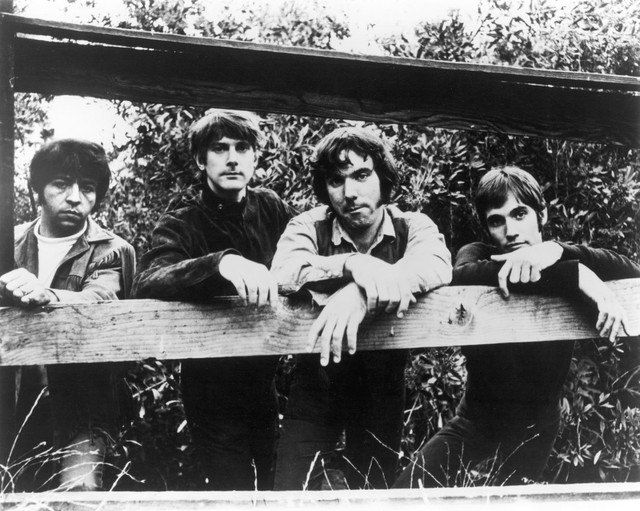
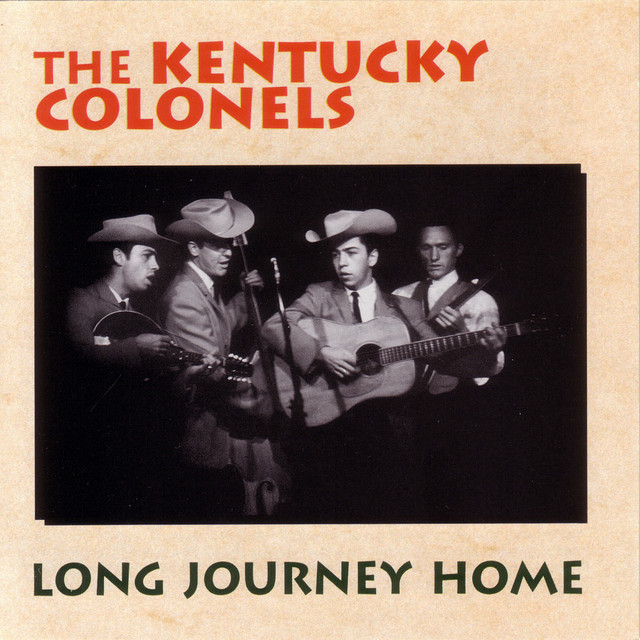
Clarence White was a gifted guitarist who was one of the pioneers of country-rock in the late '60s. Although died young, his work with <a href="spotify:artist:1PCZpxHJz7WAMF8EEq8bfc">the Byrds</a> and <a href="spotify:artist:5aV6tDnBgmezgCSTvL5HnV">the Kentucky Colonels</a>, among others, remained celebrated among country-rock and bluegrass aficionados in the decades following his death.
Born in Maine but raised in California, White began playing the guitar at an early age, joining his brothers' band, <a href="spotify:artist:4mE9J86AGGldqLRa4ymTgb">the Country Boys</a>, when he was just ten years old. The band eventually evolved into <a href="spotify:artist:5aV6tDnBgmezgCSTvL5HnV">the Kentucky Colonels</a>. Clarence left <a href="spotify:artist:5aV6tDnBgmezgCSTvL5HnV">the Colonels</a> in the mid-'60s, becoming a session musician; he played electric guitar on many rock and pop albums. He also began playing with the duo of Gib Gilbeau and <a href="spotify:artist:0rjpJb7rUMt806t6RCf8ch">Gene Parsons</a> in local California clubs. Gilbeau and <a href="spotify:artist:0rjpJb7rUMt806t6RCf8ch">Parsons</a> frequently worked with the Gosdin Brothers, so the duo was able to land a cameo appearance for White on the Gene Clark With the Gosdin Brothers album. Around the same time, Clarence recorded a solo album for Bakersfield International which the label didn't release.
In 1968, White joined <a href="spotify:artist:4DBaq6gaHqyxPCuuQSHou0">Nashville West</a>, which also featured <a href="spotify:artist:0rjpJb7rUMt806t6RCf8ch">Gene Parsons</a>, Gib Gilbeau, <a href="spotify:artist:5VJJqNy6l5zfX9LpLit5N0">Sneaky Pete Kleinow</a>, Glen D. Hardin, and <a href="spotify:artist:6mmDKCXWUg7tvB5UGjtNr7">Wayne Moore</a>. <a href="spotify:artist:4DBaq6gaHqyxPCuuQSHou0">Nashville West</a> recorded an album for Sierra Records, but the record didn't appear until 1978. White was invited to join <a href="spotify:artist:1PCZpxHJz7WAMF8EEq8bfc">the Byrds</a> in the fall of 1968. <a href="spotify:artist:3ExrAwcOqgGjt9kFRwdM76">Roger McGuinn</a> was rebuilding <a href="spotify:artist:1PCZpxHJz7WAMF8EEq8bfc">the Byrds</a>' lineup after the departure of <a href="spotify:artist:70FybmH2MMz9fHewhnLvjs">Chris Hillman</a> and <a href="spotify:artist:1KA3WXYMPLxomNuoE22LYd">Gram Parsons</a>, who went on to form <a href="spotify:artist:0rESpKEusFHxhW59MIf7eM">the Flying Burrito Brothers</a>. Clarence White fit into the revamped <a href="spotify:artist:1PCZpxHJz7WAMF8EEq8bfc">Byrds</a>' country-rock direction. He played on the group's untitled album, which spawned the single "Chestnut Mare." While he was with the band, he continued to work as a session musician, playing on <a href="spotify:artist:3HQyFCFFfJO3KKBlUfZsyW">Randy Newman</a>'s 12 Songs (1970), <a href="spotify:artist:3pFCERyEiP5xeN2EsPXhjI">Joe Cocker</a>'s eponymous 1969 album, and <a href="spotify:artist:4ACplpEqD6JIVgKrafauzs">the Everly Brothers</a>' Stories Would Could Tell (1971), among others.
Once <a href="spotify:artist:1PCZpxHJz7WAMF8EEq8bfc">the Byrds</a> disbanded in 1973, Clarence White continued his session work and joined <a href="spotify:artist:4bRCPEdQ8XgpBJwXv1WzgM">Muleskinner</a>, which also featured <a href="spotify:artist:5udgy2xk333j33hKnwDz8O">David Grisman</a>, <a href="spotify:artist:52FOkBVb83F2QduWKRqmhm">Peter Rowan</a>, <a href="spotify:artist:4FLaYc3rU0BbqJ3sD8zUvl">John Guerin</a>, <a href="spotify:artist:27ZRQw8IaAtWeQYacgnfDP">Bill Keith</a>, <a href="spotify:artist:78wcNdGPVbyg6gPtNjjNC3">John Kahn</a>, and <a href="spotify:artist:5tc9xcv0phfVRO4TT2yxs5">Richard Greene</a>. <a href="spotify:artist:4bRCPEdQ8XgpBJwXv1WzgM">Muleskinner</a> only released one album, which appeared later in 1973.
After the <a href="spotify:artist:4bRCPEdQ8XgpBJwXv1WzgM">Muleskinner</a> record was finished, White played a few dates with <a href="spotify:artist:5aV6tDnBgmezgCSTvL5HnV">the Kentucky Colonels</a> and began working on a solo album. He had only completed four tracks when he was killed by a drunken driver while he was loading equipment onto a van; he died on July 14, 1973. Following his death, several posthumous albums of his work with <a href="spotify:artist:5aV6tDnBgmezgCSTvL5HnV">the Kentucky Colonels</a> and <a href="spotify:artist:1PCZpxHJz7WAMF8EEq8bfc">the Byrds</a> appeared, as did various albums that featured his playing, including <a href="spotify:artist:5lkiCO9UQ8B23dZ1o0UV4m">Jackson Browne</a>'s Late for the Sky and <a href="spotify:artist:0rjpJb7rUMt806t6RCf8ch">Gene Parsons</a>' Kindling. ~ Stephen Thomas Erlewine, Rovi
Born in Maine but raised in California, White began playing the guitar at an early age, joining his brothers' band, <a href="spotify:artist:4mE9J86AGGldqLRa4ymTgb">the Country Boys</a>, when he was just ten years old. The band eventually evolved into <a href="spotify:artist:5aV6tDnBgmezgCSTvL5HnV">the Kentucky Colonels</a>. Clarence left <a href="spotify:artist:5aV6tDnBgmezgCSTvL5HnV">the Colonels</a> in the mid-'60s, becoming a session musician; he played electric guitar on many rock and pop albums. He also began playing with the duo of Gib Gilbeau and <a href="spotify:artist:0rjpJb7rUMt806t6RCf8ch">Gene Parsons</a> in local California clubs. Gilbeau and <a href="spotify:artist:0rjpJb7rUMt806t6RCf8ch">Parsons</a> frequently worked with the Gosdin Brothers, so the duo was able to land a cameo appearance for White on the Gene Clark With the Gosdin Brothers album. Around the same time, Clarence recorded a solo album for Bakersfield International which the label didn't release.
In 1968, White joined <a href="spotify:artist:4DBaq6gaHqyxPCuuQSHou0">Nashville West</a>, which also featured <a href="spotify:artist:0rjpJb7rUMt806t6RCf8ch">Gene Parsons</a>, Gib Gilbeau, <a href="spotify:artist:5VJJqNy6l5zfX9LpLit5N0">Sneaky Pete Kleinow</a>, Glen D. Hardin, and <a href="spotify:artist:6mmDKCXWUg7tvB5UGjtNr7">Wayne Moore</a>. <a href="spotify:artist:4DBaq6gaHqyxPCuuQSHou0">Nashville West</a> recorded an album for Sierra Records, but the record didn't appear until 1978. White was invited to join <a href="spotify:artist:1PCZpxHJz7WAMF8EEq8bfc">the Byrds</a> in the fall of 1968. <a href="spotify:artist:3ExrAwcOqgGjt9kFRwdM76">Roger McGuinn</a> was rebuilding <a href="spotify:artist:1PCZpxHJz7WAMF8EEq8bfc">the Byrds</a>' lineup after the departure of <a href="spotify:artist:70FybmH2MMz9fHewhnLvjs">Chris Hillman</a> and <a href="spotify:artist:1KA3WXYMPLxomNuoE22LYd">Gram Parsons</a>, who went on to form <a href="spotify:artist:0rESpKEusFHxhW59MIf7eM">the Flying Burrito Brothers</a>. Clarence White fit into the revamped <a href="spotify:artist:1PCZpxHJz7WAMF8EEq8bfc">Byrds</a>' country-rock direction. He played on the group's untitled album, which spawned the single "Chestnut Mare." While he was with the band, he continued to work as a session musician, playing on <a href="spotify:artist:3HQyFCFFfJO3KKBlUfZsyW">Randy Newman</a>'s 12 Songs (1970), <a href="spotify:artist:3pFCERyEiP5xeN2EsPXhjI">Joe Cocker</a>'s eponymous 1969 album, and <a href="spotify:artist:4ACplpEqD6JIVgKrafauzs">the Everly Brothers</a>' Stories Would Could Tell (1971), among others.
Once <a href="spotify:artist:1PCZpxHJz7WAMF8EEq8bfc">the Byrds</a> disbanded in 1973, Clarence White continued his session work and joined <a href="spotify:artist:4bRCPEdQ8XgpBJwXv1WzgM">Muleskinner</a>, which also featured <a href="spotify:artist:5udgy2xk333j33hKnwDz8O">David Grisman</a>, <a href="spotify:artist:52FOkBVb83F2QduWKRqmhm">Peter Rowan</a>, <a href="spotify:artist:4FLaYc3rU0BbqJ3sD8zUvl">John Guerin</a>, <a href="spotify:artist:27ZRQw8IaAtWeQYacgnfDP">Bill Keith</a>, <a href="spotify:artist:78wcNdGPVbyg6gPtNjjNC3">John Kahn</a>, and <a href="spotify:artist:5tc9xcv0phfVRO4TT2yxs5">Richard Greene</a>. <a href="spotify:artist:4bRCPEdQ8XgpBJwXv1WzgM">Muleskinner</a> only released one album, which appeared later in 1973.
After the <a href="spotify:artist:4bRCPEdQ8XgpBJwXv1WzgM">Muleskinner</a> record was finished, White played a few dates with <a href="spotify:artist:5aV6tDnBgmezgCSTvL5HnV">the Kentucky Colonels</a> and began working on a solo album. He had only completed four tracks when he was killed by a drunken driver while he was loading equipment onto a van; he died on July 14, 1973. Following his death, several posthumous albums of his work with <a href="spotify:artist:5aV6tDnBgmezgCSTvL5HnV">the Kentucky Colonels</a> and <a href="spotify:artist:1PCZpxHJz7WAMF8EEq8bfc">the Byrds</a> appeared, as did various albums that featured his playing, including <a href="spotify:artist:5lkiCO9UQ8B23dZ1o0UV4m">Jackson Browne</a>'s Late for the Sky and <a href="spotify:artist:0rjpJb7rUMt806t6RCf8ch">Gene Parsons</a>' Kindling. ~ Stephen Thomas Erlewine, Rovi
Monthly Listeners
10,796
Monthly Listeners History
Track the evolution of monthly listeners over the last 28 days.
Followers
7,729
Followers History
Track the evolution of followers over the last 28 days.
Top Cities
184 listeners
175 listeners
170 listeners
143 listeners
125 listeners
Related Artists
The Doc Watson Family
Clint Howard
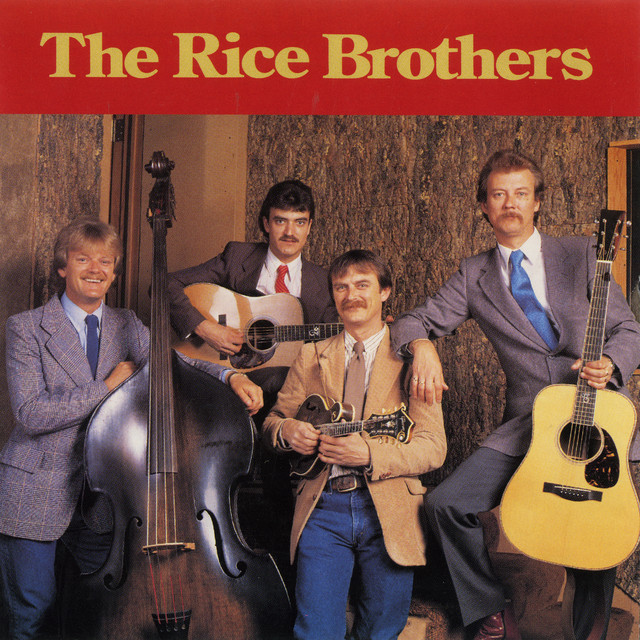
The Rice Brothers
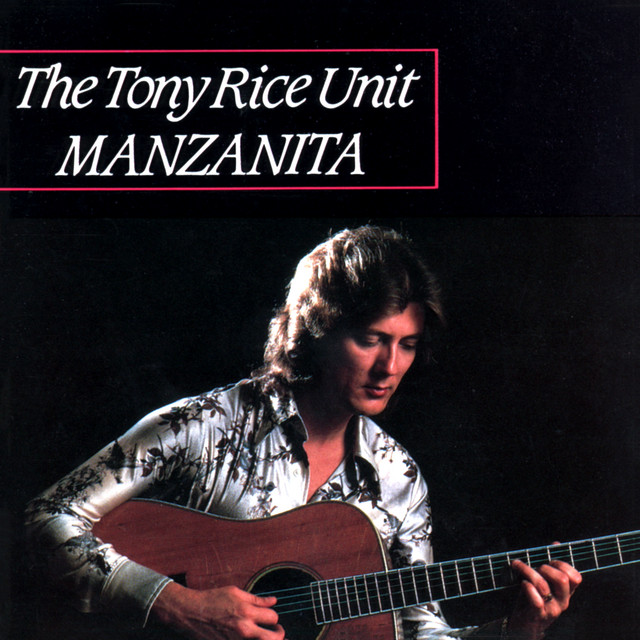
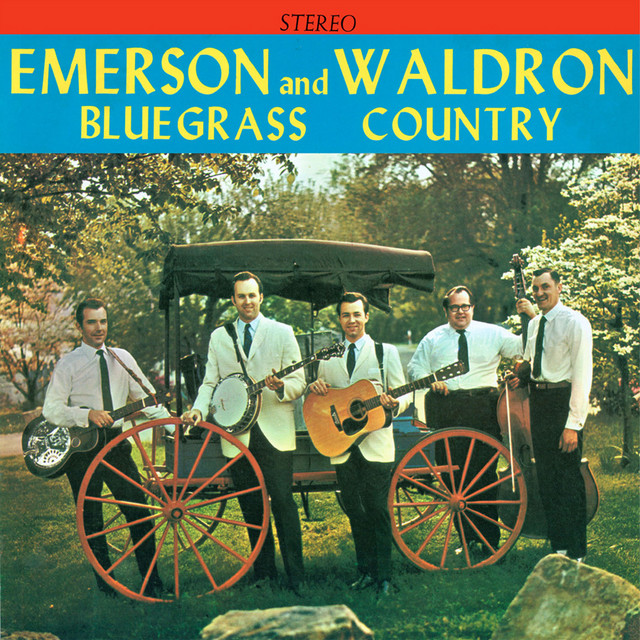
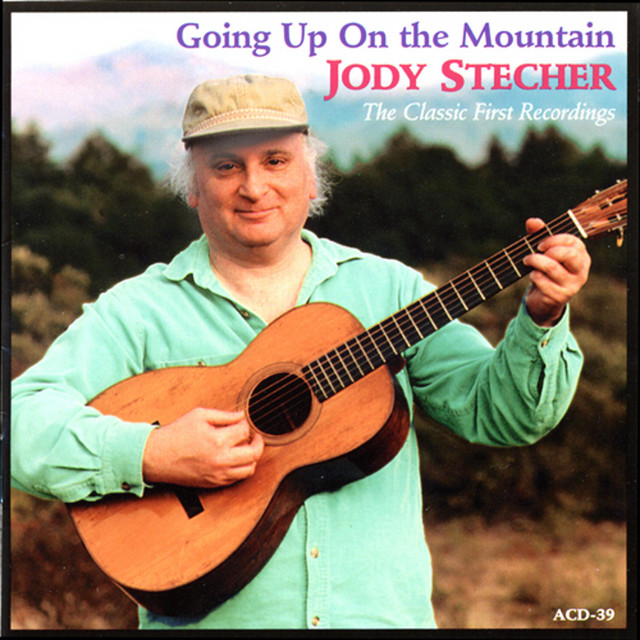
Tut Taylor
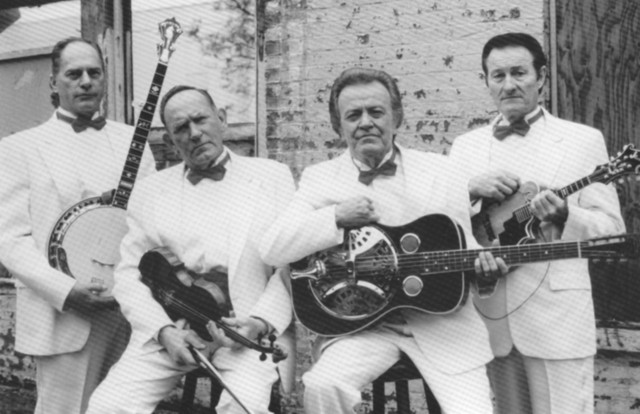
Josh Graves
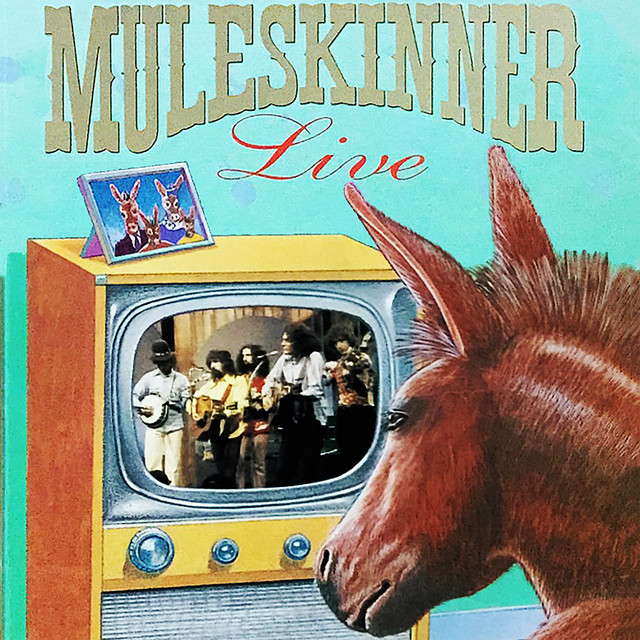
Muleskinner
John Hartford, Tony Rice & Vassar Clements

Norman And Nancy Blake
Red Rector
Doc Watson Family
Eddie Adcock

Jake Eddy