Artist
The New Lost City Ramblers
Data may be outdated
Last updated: 2 weeks ago — Click refresh to get the latest statistics.
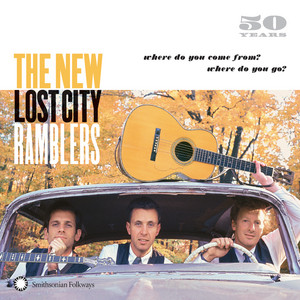
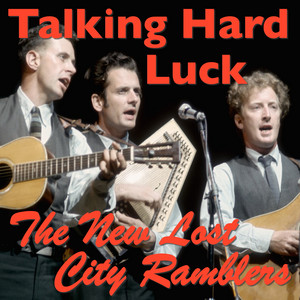
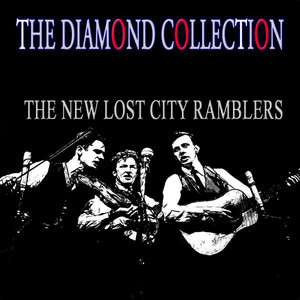
In 1958, <a href="spotify:artist:7kJfeECt6CmcCBM8uX1td8">Mike Seeger</a>, <a href="spotify:artist:4U2o01NctxOlSFeJrC1xBA">John Cohen</a>, and <a href="spotify:artist:1uJaXjjAObKF2aK7CJTtDx">Tom Paley</a> modeled their band after groups like the Skillet Lickers, the Fruit Jar Drinkers, and the Aristocratic Pigs, choosing a name in keeping with the past. When <a href="spotify:artist:0l3diHv1z3360yRMKuC11D">Tracy Schwarz</a> replaced <a href="spotify:artist:1uJaXjjAObKF2aK7CJTtDx">Paley</a> in 1962, the NLCR added solo songs from the Appalachian folk repertoire, religious and secular, educating a large segment of the American population about traditional music. <a href="spotify:search:label%3A%22Folkways%22">Folkways</a> recorded the NLCR on five albums in the early '60s, making the Ramblers famous and leading to TV appearances, successful tours, and appearances at the Newport Folk Festival. A songbook with 125 of their songs came out in 1964 and sold well.
The NLCR served at least three important purposes: they brought real folk music to a huge audience, they were highly entertaining, and they led their audience to rediscover the original music on which they had based their band. After the NLCR's heydays, <a href="spotify:artist:0l3diHv1z3360yRMKuC11D">Tracy Schwarz</a> went on the road with his wife and then his son, gradually leaning toward Cajun squeezebox music; <a href="spotify:artist:7kJfeECt6CmcCBM8uX1td8">Mike Seeger</a> toured with his wife, <a href="spotify:artist:3jw7tGSvkcf3nb1LWNnguT">Alice Gerrard</a>, and did many solo spots; and <a href="spotify:artist:4U2o01NctxOlSFeJrC1xBA">John Cohen</a> continued playing in another string band, while making award-winning documentaries about the old music. In the '90s -- over 20 years after they had last entered a studio -- <a href="spotify:artist:0l3diHv1z3360yRMKuC11D">Schwarz</a>, <a href="spotify:artist:7kJfeECt6CmcCBM8uX1td8">Seeger</a>, and <a href="spotify:artist:4U2o01NctxOlSFeJrC1xBA">Cohen</a> reunited as the New Lost City Ramblers to record There Ain't No Way Out, released in 1997. In 2009 the band celebrated its 50th anniversary; sadly however, <a href="spotify:artist:7kJfeECt6CmcCBM8uX1td8">Mike Seeger</a> died of cancer on August 7 of that year at his home in Lexington, Virginia; he was 75 years old. <a href="spotify:artist:1uJaXjjAObKF2aK7CJTtDx">Tom Paley</a> died at age 89 on September 30, 2017 in Brighton, England, and <a href="spotify:artist:4U2o01NctxOlSFeJrC1xBA">John Cohen</a> died in 2019. ~ David Vinopal, Rovi
Monthly Listeners
11,636
Monthly Listeners History
Track the evolution of monthly listeners over the last 28 days.
Followers
11,171
Followers History
Track the evolution of followers over the last 28 days.
Total Streams
9.1 million
Total Streams History
Track the evolution of total streams over the last 28 days. This data is calculated from all tracks listed in the artist's discography.
Top Cities

Related Artists
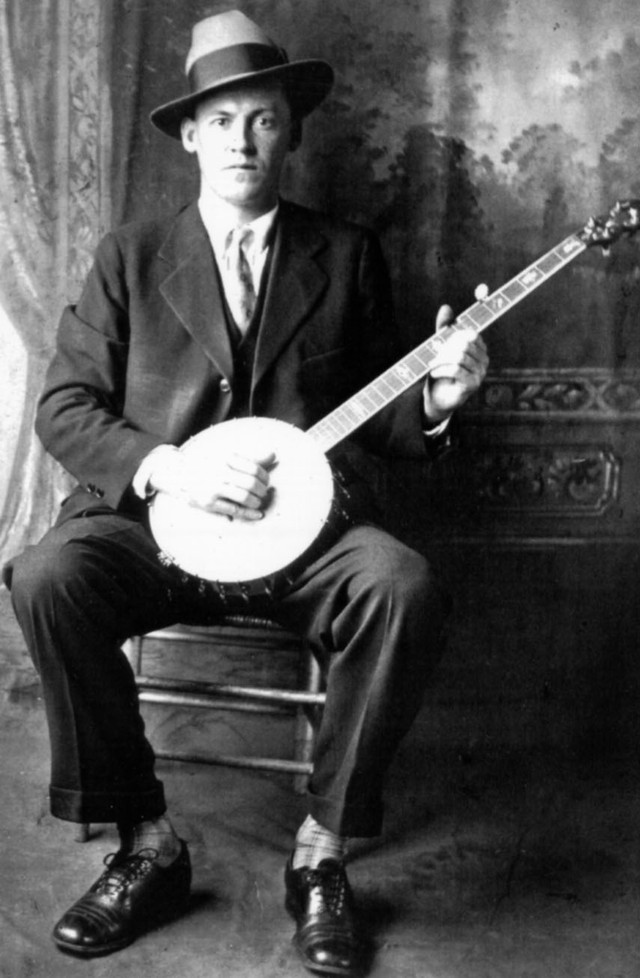

Frank Proffitt
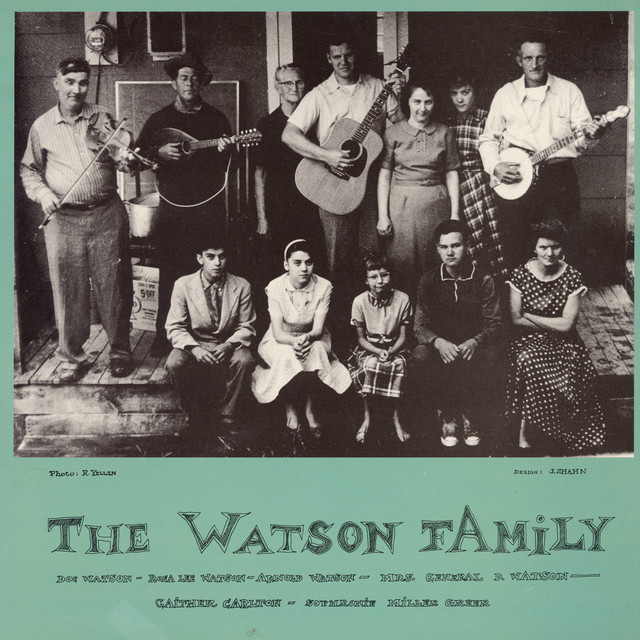
The Doc Watson Family
Cousin Emmy

Iron Mountain String Band



Any Old Time String Band
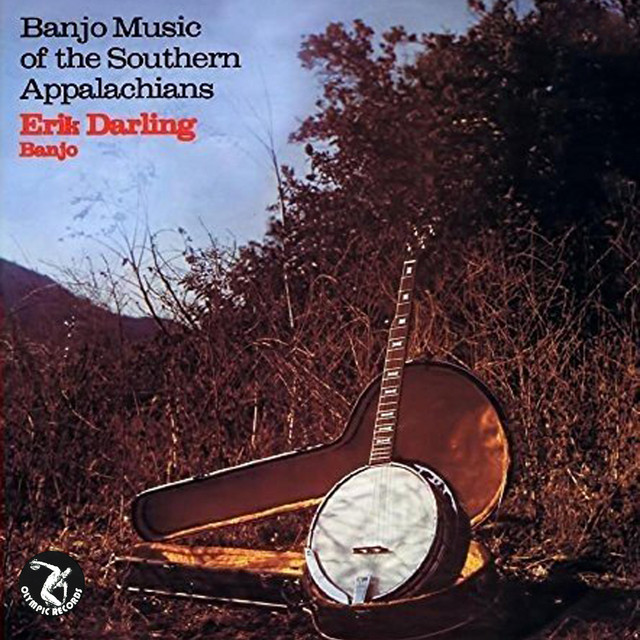
Erik Darling
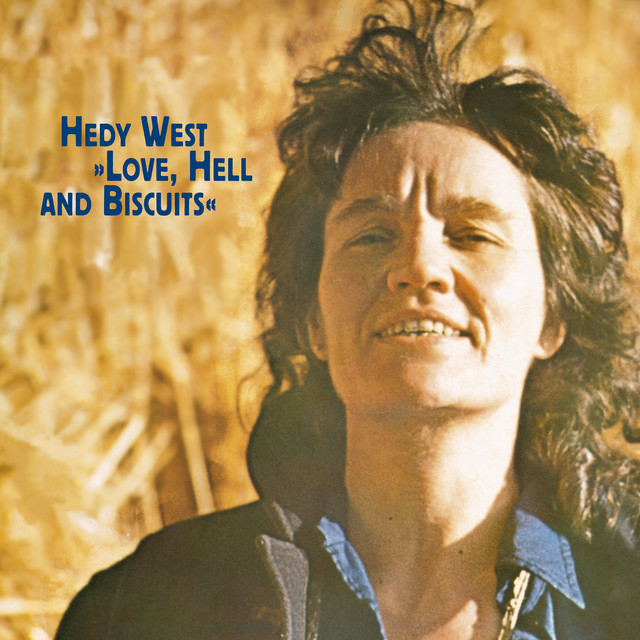
Hedy West

Buell Kazee
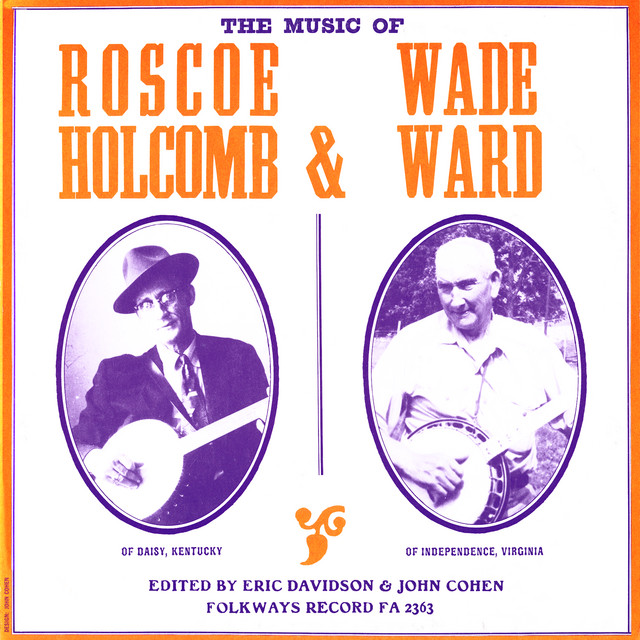
Wade Ward
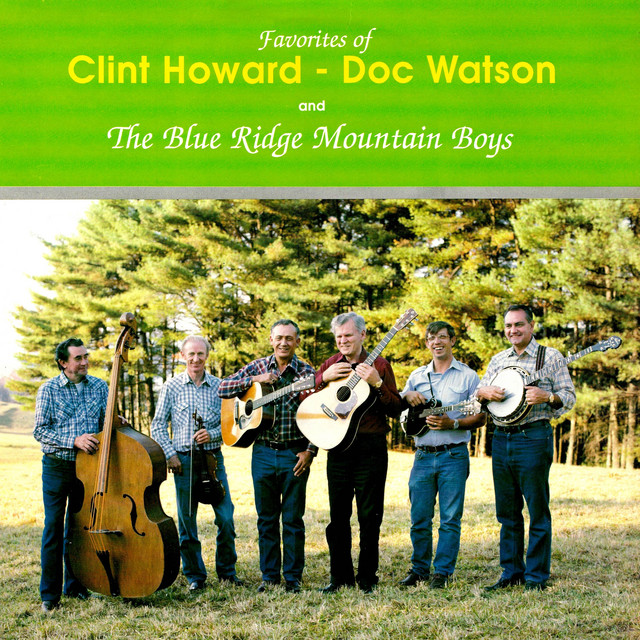
Clint Howard

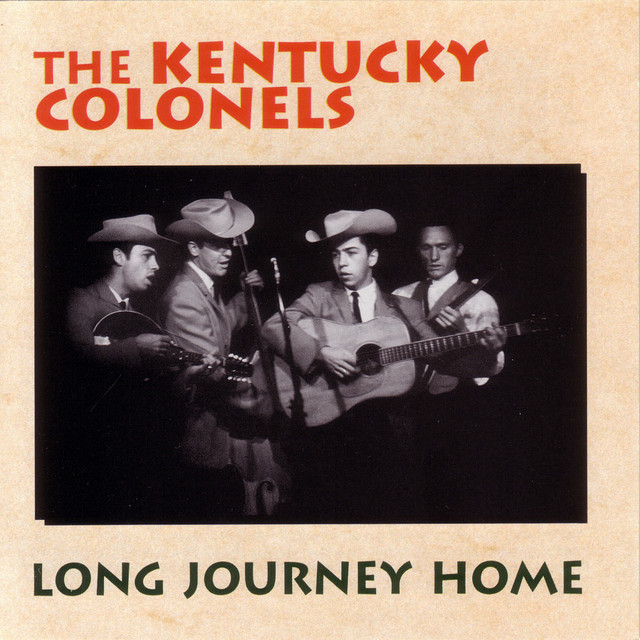
Morris Brothers
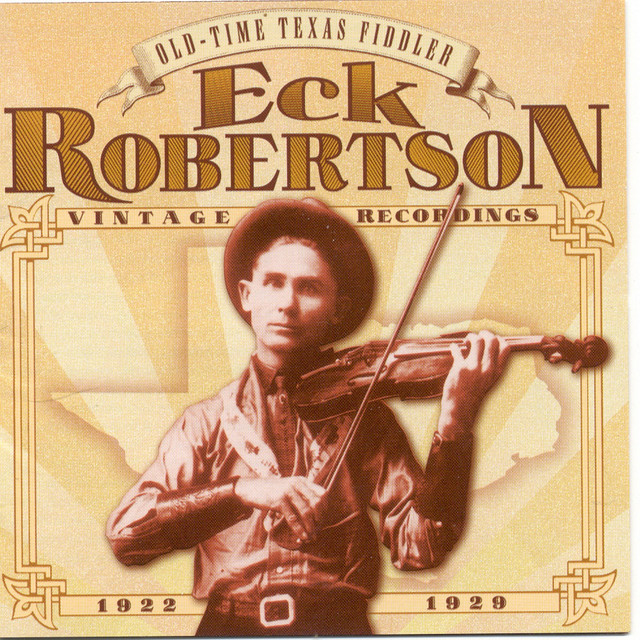
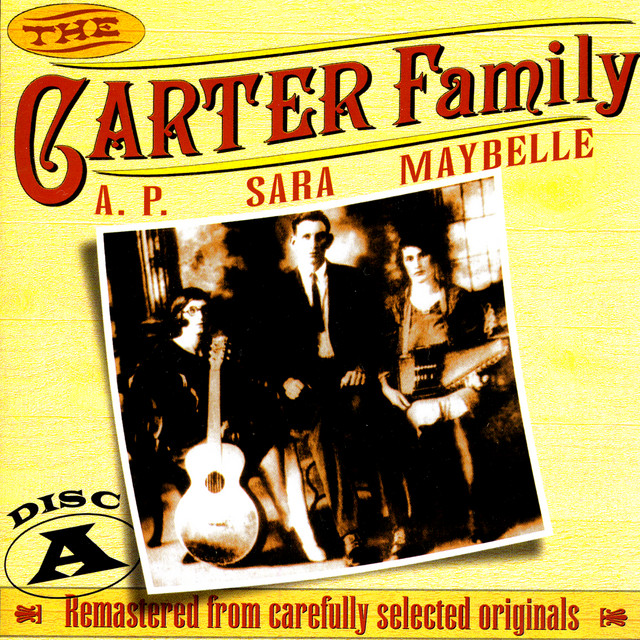


Earl Johnson
E.C. Ball


The Mountain Ramblers

Leroy Troy
Molly O'Day

The Poplin Family