Data may be outdated
Last updated: 9 months ago — Click refresh to get the latest statistics.
Once thought to have been <a href="spotify:artist:0BS8IrFmvK1tXenMULjwem">Palestrina</a>'s teacher, which he never was, some of the truths of Claude Goudimel's life have now been uncovered. The first solid evidence of his passage begins with his music; in 1549, a number of his chansons were published in Paris while he was studying at the university there. Fairly soon afterwards, in 1551, Goudimel published a book of psalm settings that he dedicated to Jean Brinon, through whom he had the opportunity to meet <a href="spotify:artist:1IKQUwKW4Q6iGMUPPyZ19N">Pierre de Ronsard</a>, and went on to set a number of the poet's works. At this time, Goudimel was also hired as a proofreader by the publisher Nicolas du Chemin and went on to a full business partnership with him between 1552 - 1555. His considerable importance as an editor, and his importance as a composer while he was working with du Chemin, is evident in many things. For example, a collection published by du Chemin's house in 1554, the Moduli undecim festorum, included numerous works by Goudimel, among others. The Latin poem Goudimel penned for the preface colorfully asked readers to "buy this book with money, you will see (believe me) no uncorrected work." In 1557, he took up residence in Mertz, a Huegenot city. He remained there for up to ten years, completing in that time a full psalter in collaboration with poet and dramatist Louis des Masures. Sometime after leaving Mertz, Goudimel made his way to Lyons, where he seems to have again taken on editorial work. It is from Lyons where his final records are from, in the form of a correspondence with humanist poet Paul Schede, also called Melissus, that continued until 1572. Goudimel's final letter from this correspondence, dated August 23, was from the hand of a dead man. The terrible massacres of St. Bartholomew's day occurred a week later; Goudimel perished in the bloody tide that took out all of the Huguenots in the city. Almost everything of Goudimel's was composed and published between the years of 1551 - 1558. Within this brief, energetic time, he made contributions to most of the musical genres current in that period, composing masses, odes, motets, psalms, and chansons. The masses show a conciseness of detail with a tight, consistent use of imitation and a clear-complexioned, attractive use of triadic lines. Over 70 chansons survive that are interesting in their reflection of older, French models of composition. But it is mostly for his psalm settings that Goudimel is remembered; 67 psalm settings survive by him, all in the form of motets, published in a number of volumes in the years 1551 - 1566. These show a variety of approaches and techniques and are generally separated into three distinct groups: the free motets, the strict cantis firmis settings, and note-to-note harmonizations of borrowed melodies. Goudimel is generally honored as the most important exponent of a French sacred style that contemporaneously emerged with him and died with the success of the counter re-formation.
Monthly Listeners
3,377
Monthly Listeners History
Track the evolution of monthly listeners over the last 28 days.
Followers
815
Followers History
Track the evolution of followers over the last 28 days.
Top Cities
53 listeners

46 listeners

29 listeners
28 listeners

27 listeners

Related Artists

William Cornysh

Red Byrd
Franco Radicchia

Eustache du Caurroy
Ludwig Senfl
Gregor Aichinger

Candace Smith
Juan Gutiérrez de Padilla

Cappella Artemisia
Ensemble Corund
Andrea Gabrieli

Stephen Smith

The New York Madrigal Singers
Early Music New York

Carl Unander-Scharin
Vasily Titov
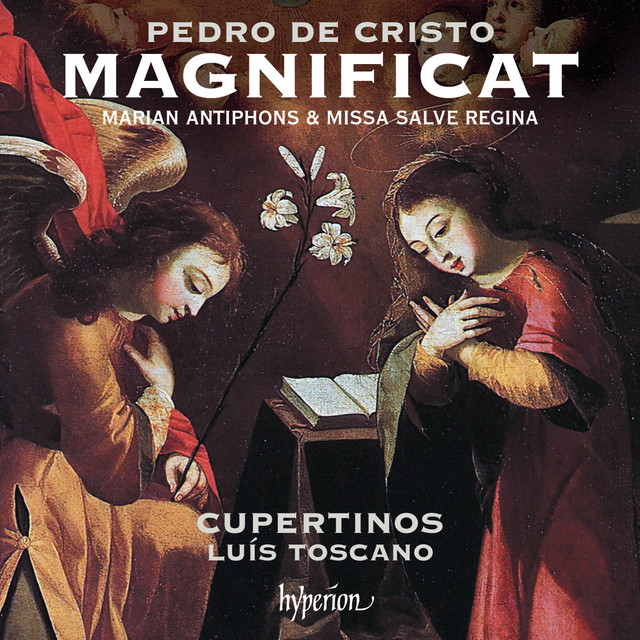
Pedro de Cristo
Raffaella Aleotti
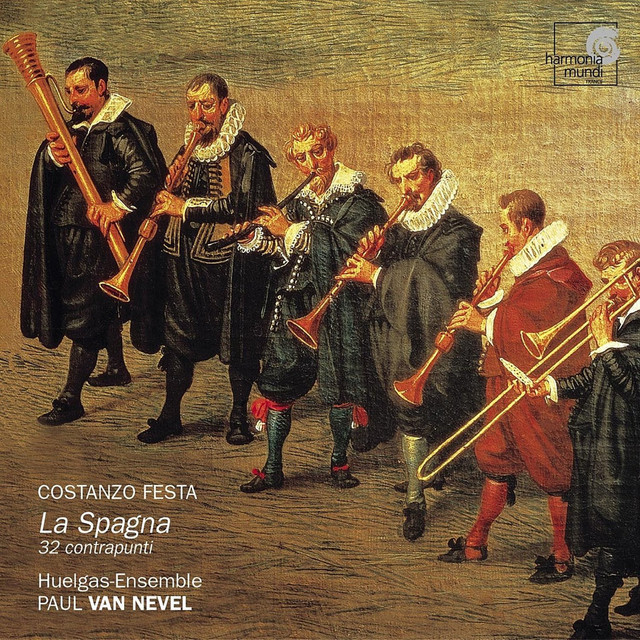
Costanzo Festa

The Toronto Consort

Thomas Stoltzer

Leonhard Päminger
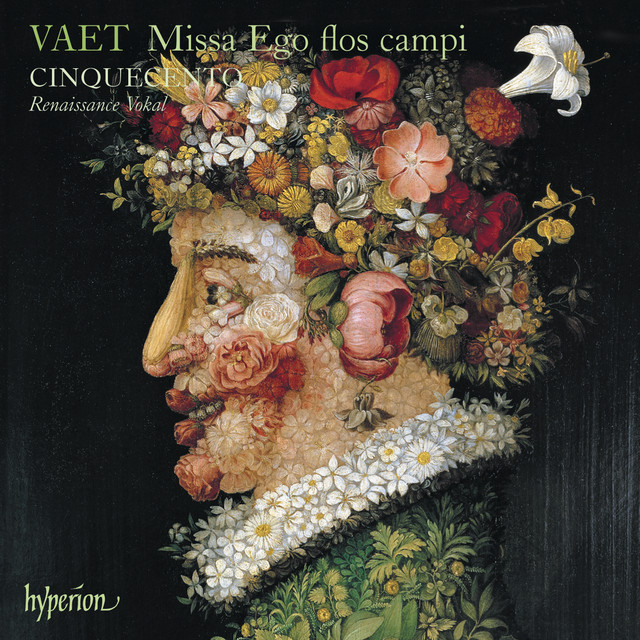
Jacobus Vaet
Adriano Banchieri
The Concord Ensemble

Capilla Peñaflorida
Pro Musica Antiqua
Erik van Nevel
Hamburger Bläserkreis für alte Musik

Heinrich Finck

Adrian Willaert
Armoniosoincanto