Data may be outdated
Last updated: 9 months ago — Click refresh to get the latest statistics.
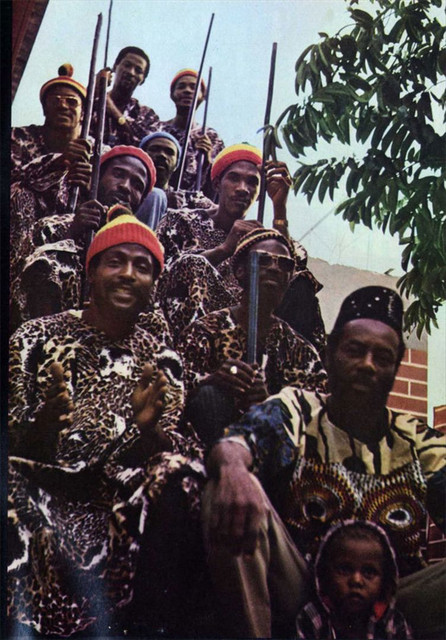
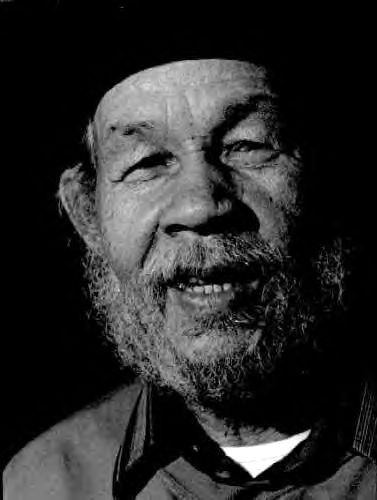
The foundations of reggae and its association with Rastafarianism were established by drummer, percussionist, and vocalist Count Ossie (born Oswald Williams). Together with his band, <a href="spotify:artist:3j0s4CbiJPy0D5iXNsscH9">the Mystic Revelation of Rastafari</a>, Count Ossie combined African-influenced music with the European hymnal tradition to create a unique sound that inspired everyone from <a href="spotify:artist:1vc9BdsxN00MpgIY1lifuB">Ras Michael & the Sons of Negus</a> and <a href="spotify:artist:4og9jrin5xH5JiFPbeGUPb">the Skatalites</a> to Bob Marley & the Wailers and <a href="spotify:artist:6ZFv3wQwwWPiVDWhv0mjQK">Toots & the Maytals</a>.
Count Ossie's earliest inspiration came from rasta elder Brother Job, who introduced him to the philosophies of Rastafarianism. A Nyabinghi drummer from the hills of Jamaica, Count Ossie cut his first singles, including "O'Carolina" and "Chubby," for <a href="spotify:artist:75S63f1AmZUa9gpQvlt5NB">Prince Buster</a> at the studios of RJR Radio. Beginning in 1959, Count Ossie recorded for Sir Coxsone Dodd at Studio One.
Together with music director, tenor saxophone, flute and clarinet player Cedric 'Im Brooks, Count Ossie formed the <a href="spotify:artist:3j0s4CbiJPy0D5iXNsscH9">Mystic Revelation of Rastafari</a>. Heavily percussive, the group featured philosopher/orator Samuel Clayton; double bass player, poet, and vocalist <a href="spotify:artist:7KFkrEBOPCkdZp6ymaNpcL">Ras Michael</a>, Little Bop and Count Ossie's son, <a href="spotify:artist:1EgGVV9cmmlLEsFlunjmvv">Time</a>, on fundae drum; bass drummer and percussionist King Royo; percussionist and vocalist Bunny; percussionist Moses; baritone saxophone and clarinet player Ras Sam II, and trombonist <a href="spotify:artist:4nhVSIw7wJQn4cgTDNER9E">Nambo</a>.
There has been some debate as to the cause of Count Ossie's death in 1976. While some sources claim that he was in an auto accident, others say that he was trampled to death when a crowd panicked at the National Arena. ~ Craig Harris, Rovi
Count Ossie's earliest inspiration came from rasta elder Brother Job, who introduced him to the philosophies of Rastafarianism. A Nyabinghi drummer from the hills of Jamaica, Count Ossie cut his first singles, including "O'Carolina" and "Chubby," for <a href="spotify:artist:75S63f1AmZUa9gpQvlt5NB">Prince Buster</a> at the studios of RJR Radio. Beginning in 1959, Count Ossie recorded for Sir Coxsone Dodd at Studio One.
Together with music director, tenor saxophone, flute and clarinet player Cedric 'Im Brooks, Count Ossie formed the <a href="spotify:artist:3j0s4CbiJPy0D5iXNsscH9">Mystic Revelation of Rastafari</a>. Heavily percussive, the group featured philosopher/orator Samuel Clayton; double bass player, poet, and vocalist <a href="spotify:artist:7KFkrEBOPCkdZp6ymaNpcL">Ras Michael</a>, Little Bop and Count Ossie's son, <a href="spotify:artist:1EgGVV9cmmlLEsFlunjmvv">Time</a>, on fundae drum; bass drummer and percussionist King Royo; percussionist and vocalist Bunny; percussionist Moses; baritone saxophone and clarinet player Ras Sam II, and trombonist <a href="spotify:artist:4nhVSIw7wJQn4cgTDNER9E">Nambo</a>.
There has been some debate as to the cause of Count Ossie's death in 1976. While some sources claim that he was in an auto accident, others say that he was trampled to death when a crowd panicked at the National Arena. ~ Craig Harris, Rovi
Monthly Listeners
9,802
Monthly Listeners History
Track the evolution of monthly listeners over the last 28 days.
Followers
5,126
Followers History
Track the evolution of followers over the last 28 days.