Genre
soul jazz
Top Soul jazz Artists
Showing 25 of 1,139 artists

About Soul jazz
Soul jazz is a sunlit crossbreed of jazz, gospel, and rhythm and blues that emerged on the American scene in the late 1950s and found its widest audiences through the 1960s. It grew out of hard bop’s improvisational drive but let groove and church-hall feeling steer the ship. The shared vocabulary is built from bluesy horn lines, gospel call-and-response, and pocketed, swinging rhythms that invite the listener to move while still inviting deep instrumental conversation. A central engine of the style was the Hammond organ, which gave many sessions a warm, circular groove and a bluesier, more immediate feel than piano-led bop. Chicago and New York were early laboratories, but the sound traveled quickly across clubs, studios, and radio, influencing a generation of players and producers.
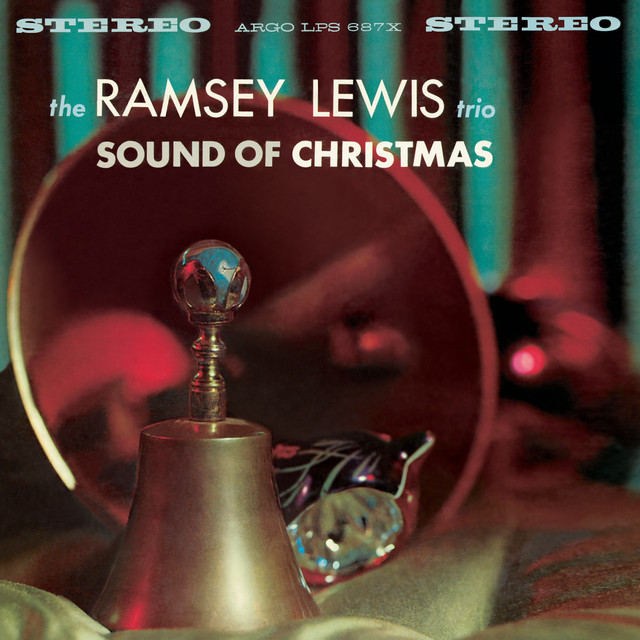
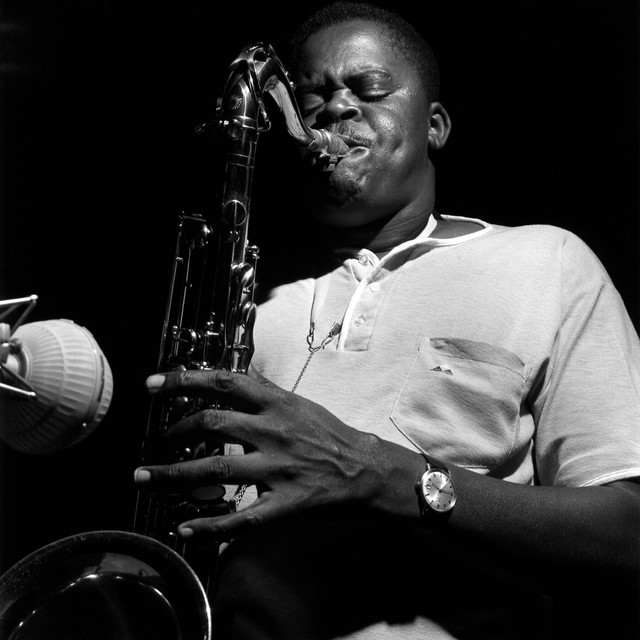
Pioneering figures include Jimmy Smith, whose organ trios redefined the trio format and brought a gospel-inflected power to the mainstream. His early Blue Note records, including The Sermon!, helped establish the blueprint of soul jazz: infectious swing, bluesy bawl, and long, expressive solos that never lost their pulse. In the 1960s, organists such as Brother Jack McDuff and Stanley Turrentine, often anchored by tight drummers and soulful guitarists, kept the style vibrant. The Ramsey Lewis Trio carried the movement into the pop sphere with The In Crowd (1965), a hit driven by crisp piano lines and a groove-drenched rhythm section that appealed far beyond jazz purists. Meanwhile Cannonball Adderley, with Joe Zawinul at the piano, topped the charts in the U.S. with Mercy, Mercy, Mercy (1966), a soulful modal groove that demonstrated how accessible, emotionally direct jazz could be.
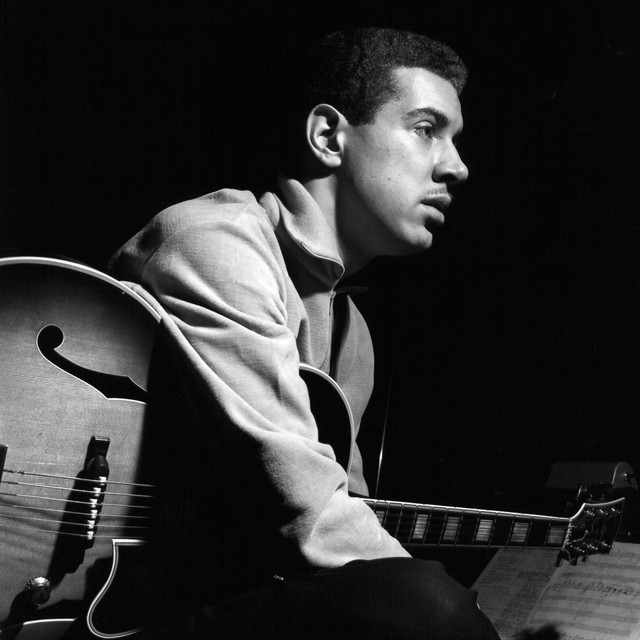
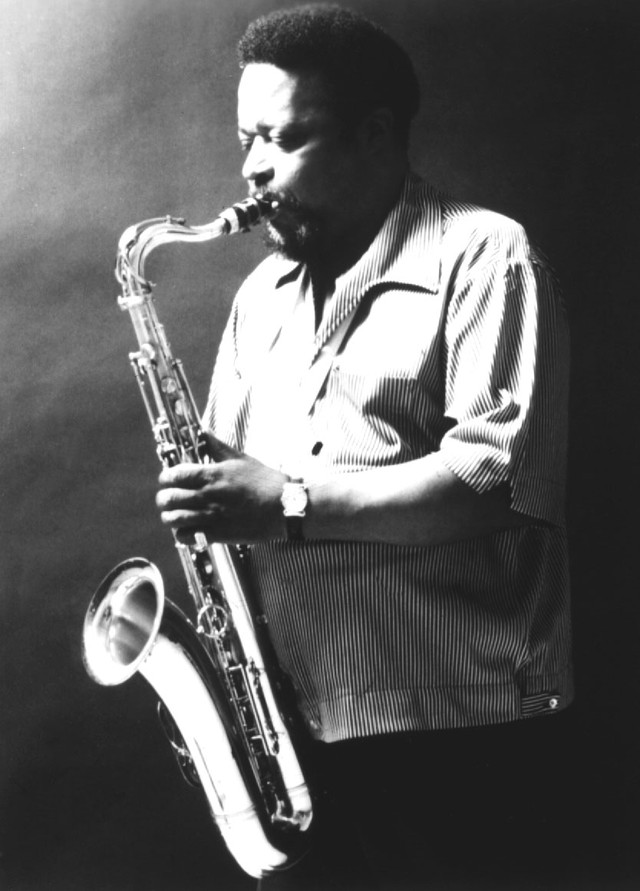
Across the Atlantic the sound found eager listeners and a fertile scene in Britain and mainland Europe, later feeding into the broader British jazz-funk and acid-jazz currents of the 1980s and 1990s. In Japan and Scandinavia, a deep admiration for groove-based jazz helped cement soul jazz as a global vocabulary, not merely an American one. Ambassadors of the period include not only the organists but also saxophonists like Stanley Turrentine and Grant Green, guitarists who could tell a story in one chorus, and a generation of producers who prized groove as much as virtuosity.
Today, soul jazz is admired for its tactile warmth, its sense of hymnal mystery when the mood calls for it, and its stubborn vitality as a living bridge between gospel, blues, and the improvisational spark of jazz. It anchors a lineage that fed into later jazz-funk, lounge-ready instrumental work, and contemporary grooves that retain a spiritual, church-hall energy. For listeners, it’s a doorway to the church, the street, and the studio, all in one swing.
Jazz historians often note that soul jazz laid groundwork for later fusions of jazz with funk and hip hop, a lineage whose energy still travels in clubs today. Labels like Blue Note, Prestige, and Cadet kept a steady stream of soul-jazz records, while the UK’s acid-jazz scene and Japan’s label culture helped bring groove to audiences with fresh sessions that honored tradition while inviting innovation.
Pioneering figures include Jimmy Smith, whose organ trios redefined the trio format and brought a gospel-inflected power to the mainstream. His early Blue Note records, including The Sermon!, helped establish the blueprint of soul jazz: infectious swing, bluesy bawl, and long, expressive solos that never lost their pulse. In the 1960s, organists such as Brother Jack McDuff and Stanley Turrentine, often anchored by tight drummers and soulful guitarists, kept the style vibrant. The Ramsey Lewis Trio carried the movement into the pop sphere with The In Crowd (1965), a hit driven by crisp piano lines and a groove-drenched rhythm section that appealed far beyond jazz purists. Meanwhile Cannonball Adderley, with Joe Zawinul at the piano, topped the charts in the U.S. with Mercy, Mercy, Mercy (1966), a soulful modal groove that demonstrated how accessible, emotionally direct jazz could be.
Across the Atlantic the sound found eager listeners and a fertile scene in Britain and mainland Europe, later feeding into the broader British jazz-funk and acid-jazz currents of the 1980s and 1990s. In Japan and Scandinavia, a deep admiration for groove-based jazz helped cement soul jazz as a global vocabulary, not merely an American one. Ambassadors of the period include not only the organists but also saxophonists like Stanley Turrentine and Grant Green, guitarists who could tell a story in one chorus, and a generation of producers who prized groove as much as virtuosity.
Today, soul jazz is admired for its tactile warmth, its sense of hymnal mystery when the mood calls for it, and its stubborn vitality as a living bridge between gospel, blues, and the improvisational spark of jazz. It anchors a lineage that fed into later jazz-funk, lounge-ready instrumental work, and contemporary grooves that retain a spiritual, church-hall energy. For listeners, it’s a doorway to the church, the street, and the studio, all in one swing.
Jazz historians often note that soul jazz laid groundwork for later fusions of jazz with funk and hip hop, a lineage whose energy still travels in clubs today. Labels like Blue Note, Prestige, and Cadet kept a steady stream of soul-jazz records, while the UK’s acid-jazz scene and Japan’s label culture helped bring groove to audiences with fresh sessions that honored tradition while inviting innovation.