Last updated: 8 hours ago
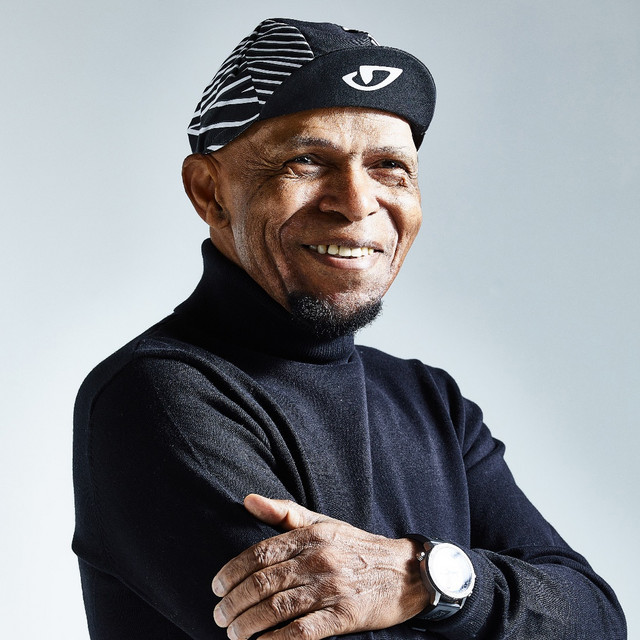
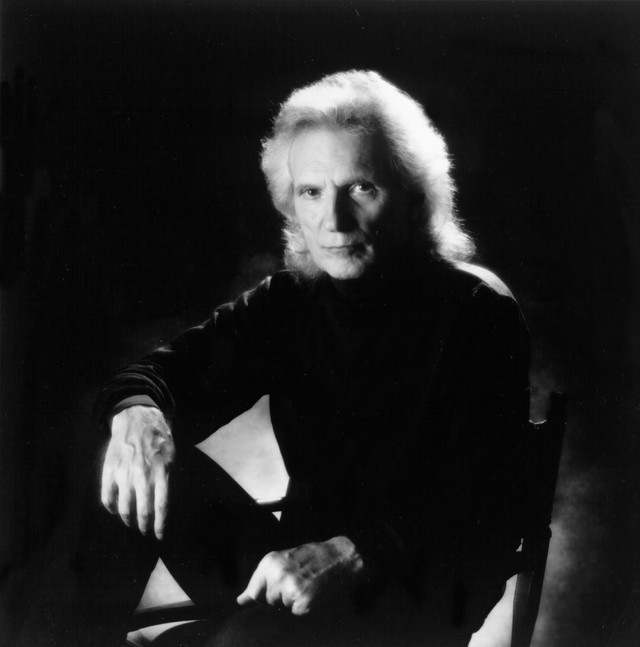
A Grammy Award-winning producer for <a href="spotify:search:label%3A%22Capitol+Records%22">Capitol Records</a> who helmed dozens of great jazz, funk, and soul records during the 1960s and '70s (by everyone from <a href="spotify:artist:27hSR8e34ZM5vj5fUFixyb">Stan Kenton</a> to <a href="spotify:artist:1zJBFCev9UwOMcrZsLi2od">Lou Rawls</a> to <a href="spotify:artist:1kkpNi8Ii5MhBMxmUhN5g9">the Electric Prunes</a> to <a href="spotify:artist:5v74mT11KGJqadf9sLw4dA">Cannonball Adderley</a>), David Axelrod also forged a distinctive musical style while recording several of the most eccentric albums of the '70s. His sound, as immediately recognizable as it was sparse, combined cavernous, heavily miked drums with baroque orchestration (just a step away from overblown) and ahead-of-his-time themes ranging from the environment to heightened mental awareness.
Born in Los Angeles in 1936, Axelrod learned about arrangement and production largely on his own. He began working as a staff producer for the cool jazz labels <a href="spotify:search:label%3A%22Specialty%22">Specialty</a> and <a href="spotify:search:label%3A%22Contemporary%22">Contemporary</a>, and led a pair of 1959 LPs -- Free for All by <a href="spotify:artist:45bXfbMv7GMzRuytlzeQbJ">Frank Rosolino</a> and The Fox by <a href="spotify:artist:1jcPgyzUoFrMSI5jloL3LD">Harold Land</a> -- that developed an earthy response to the trademarked light, airy sound of West Coast jazz.
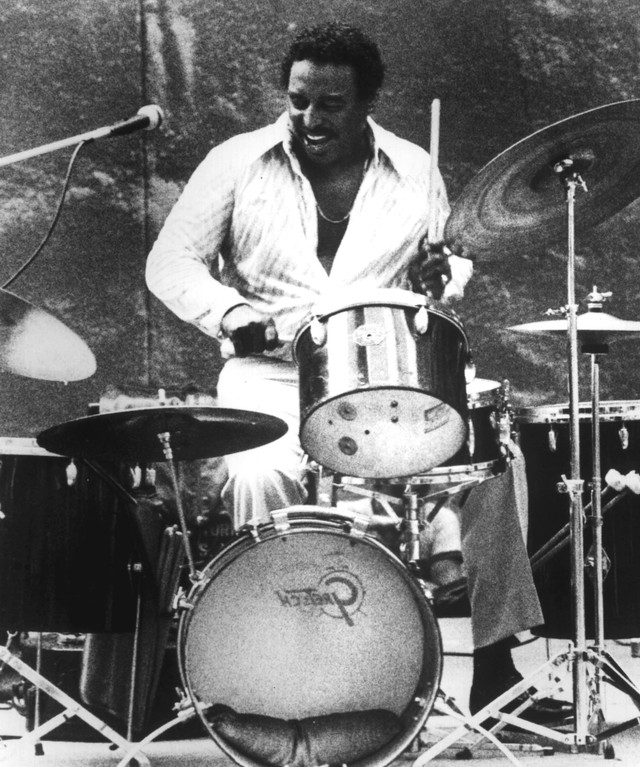
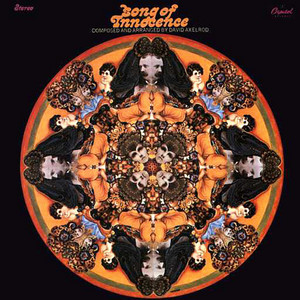
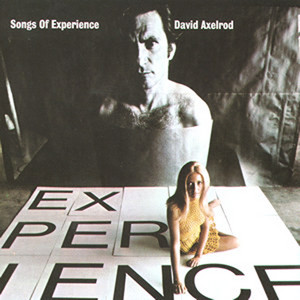
By the mid-'60s, Axelrod had grown famous in soul and jazz circles for his excellent recording skills, including two of the finest performance albums of the era, <a href="spotify:artist:1zJBFCev9UwOMcrZsLi2od">Lou Rawls</a>' Live! and <a href="spotify:artist:5v74mT11KGJqadf9sLw4dA">Cannonball Adderley</a>'s Mercy, Mercy, Mercy! Live at "The Club" (the latter was actually a studio date). Both artists tapped him for studio work as well, and <a href="spotify:artist:1zJBFCev9UwOMcrZsLi2od">Rawls</a> especially benefited by scoring no less than five pop hits during 1966-1967. <a href="spotify:search:label%3A%22Capitol%22">Capitol</a> rewarded one of its most successful producers just one year later, releasing Axelrod's solo debut, Song of Innocence. Based on the visionary, mystical poetry of William Blake (as was its follow-up, Songs of Experience), the album sounded like nothing else from its era, with melodramatic strings tied to heavy, echoed breakbeats -- often supplied by session drummer supremo <a href="spotify:artist:2zD75OCViPJTrIFeHCIRgM">Earl Palmer</a>. After Songs of Experience, Axelrod turned his attention to the growing plight of the environment with 1970's Earth Rot.
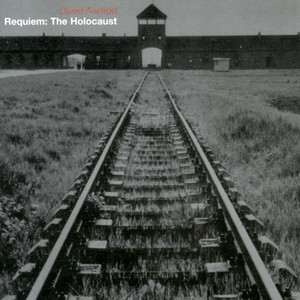
Even aside from his burgeoning solo career, Axelrod stayed busy as a producer during the '70s; he recorded several <a href="spotify:artist:5v74mT11KGJqadf9sLw4dA">Cannonball Adderley</a> LPs plus works by <a href="spotify:artist:338mC0yGyX0C9of8QMJ5hK">Gene Ammons</a> and <a href="spotify:artist:7FMGtucexJvUxVz7scydEL">Joe Williams</a>. He also started an association with Sesame Street, for which he co-wrote dozens of songs. After 1980's Marchin', he took an extended hiatus from recording. Axelrod returned in 1993 with Requiem: The Holocaust on <a href="spotify:search:label%3A%22Capitol%22">Capitol</a>'s <a href="spotify:search:label%3A%22Liberty%22">Liberty</a> subsidiary, and recorded a surprising tribute to roots music, The Big Country, two years later. In 1999, after several big dance and hip-hop producers (including <a href="spotify:artist:7ajUo7DyiAOYvCndGLoJ1u">Prince Paul</a> and <a href="spotify:artist:1Z8ODXyhEBi3WynYw0Rya6">De La Soul</a>, <a href="spotify:artist:5ynvmGwc83ZoRx2EIWHXLX">the Beatnuts</a>, and <a href="spotify:artist:5CE2IfdYZEQGIDsfiRm8SI">DJ Shadow</a>) made Axelrod a frequent sample source, <a href="spotify:search:label%3A%22Stateside%22">Stateside</a> released the retrospective 1968 to 1970: An Axelrod Anthology. Album reissues appeared the following year, and Axelrod even recorded a remix of "Rabbit in the Headlights," originally by the <a href="spotify:artist:5CE2IfdYZEQGIDsfiRm8SI">DJ Shadow</a> project <a href="spotify:artist:2nszamLjZFgu3Yx77mKxuC">UNKLE</a>.
Axelrod returned to his beloved Studio B for an eponymous album released in 2001 on the <a href="spotify:search:label%3A%22Mo+Wax%22">Mo Wax</a> label. Loosely based on <a href="spotify:artist:7wQj9SdON7gAR6M2VjpBrw">Goethe</a>'s Faust, it had begun production 30 years earlier and was completed with nods to some of the beat makers who had kept his music alive. Three years later, Axelrod conducted an orchestral performance of his work at London's Royal Festival Hall. A CD/DVD documentation of the concert arrived later in the decade, as did a handful of archival releases. The Edge (2005) compiled <a href="spotify:search:label%3A%22Capitol%22">Capitol</a>-era highlights from Axelrod's first three albums and productions for <a href="spotify:artist:6bRTEieKlIK6JMuPCjXiro">David McCallum</a>, <a href="spotify:artist:7iwwcDXXToUdUoDYP70EA0">Letta Mbulu</a>, <a href="spotify:artist:5Ypzt0gFlszNV2BpudKlOu">Don Randi</a>, <a href="spotify:artist:1zJBFCev9UwOMcrZsLi2od">Rawls</a>, and <a href="spotify:artist:5v74mT11KGJqadf9sLw4dA">Adderley</a>. The Edge of Music (2006), a two-disc set, widened the scope with later solo and collaborative cuts. Three albums and a disc of instrumental versions were bundled for The Warner/Reprise Sessions: The Electric Prunes & Pride (2007). On February 5, 2017, <a href="spotify:artist:5CE2IfdYZEQGIDsfiRm8SI">DJ Shadow</a> announced Axelrod's death and concluded a remembrance with gratitude: "You are a bonafide hero to an entire generation of hip-hop kids and musical dreamers." ~ John Bush & Andy Kellman
Born in Los Angeles in 1936, Axelrod learned about arrangement and production largely on his own. He began working as a staff producer for the cool jazz labels <a href="spotify:search:label%3A%22Specialty%22">Specialty</a> and <a href="spotify:search:label%3A%22Contemporary%22">Contemporary</a>, and led a pair of 1959 LPs -- Free for All by <a href="spotify:artist:45bXfbMv7GMzRuytlzeQbJ">Frank Rosolino</a> and The Fox by <a href="spotify:artist:1jcPgyzUoFrMSI5jloL3LD">Harold Land</a> -- that developed an earthy response to the trademarked light, airy sound of West Coast jazz.
By the mid-'60s, Axelrod had grown famous in soul and jazz circles for his excellent recording skills, including two of the finest performance albums of the era, <a href="spotify:artist:1zJBFCev9UwOMcrZsLi2od">Lou Rawls</a>' Live! and <a href="spotify:artist:5v74mT11KGJqadf9sLw4dA">Cannonball Adderley</a>'s Mercy, Mercy, Mercy! Live at "The Club" (the latter was actually a studio date). Both artists tapped him for studio work as well, and <a href="spotify:artist:1zJBFCev9UwOMcrZsLi2od">Rawls</a> especially benefited by scoring no less than five pop hits during 1966-1967. <a href="spotify:search:label%3A%22Capitol%22">Capitol</a> rewarded one of its most successful producers just one year later, releasing Axelrod's solo debut, Song of Innocence. Based on the visionary, mystical poetry of William Blake (as was its follow-up, Songs of Experience), the album sounded like nothing else from its era, with melodramatic strings tied to heavy, echoed breakbeats -- often supplied by session drummer supremo <a href="spotify:artist:2zD75OCViPJTrIFeHCIRgM">Earl Palmer</a>. After Songs of Experience, Axelrod turned his attention to the growing plight of the environment with 1970's Earth Rot.
Even aside from his burgeoning solo career, Axelrod stayed busy as a producer during the '70s; he recorded several <a href="spotify:artist:5v74mT11KGJqadf9sLw4dA">Cannonball Adderley</a> LPs plus works by <a href="spotify:artist:338mC0yGyX0C9of8QMJ5hK">Gene Ammons</a> and <a href="spotify:artist:7FMGtucexJvUxVz7scydEL">Joe Williams</a>. He also started an association with Sesame Street, for which he co-wrote dozens of songs. After 1980's Marchin', he took an extended hiatus from recording. Axelrod returned in 1993 with Requiem: The Holocaust on <a href="spotify:search:label%3A%22Capitol%22">Capitol</a>'s <a href="spotify:search:label%3A%22Liberty%22">Liberty</a> subsidiary, and recorded a surprising tribute to roots music, The Big Country, two years later. In 1999, after several big dance and hip-hop producers (including <a href="spotify:artist:7ajUo7DyiAOYvCndGLoJ1u">Prince Paul</a> and <a href="spotify:artist:1Z8ODXyhEBi3WynYw0Rya6">De La Soul</a>, <a href="spotify:artist:5ynvmGwc83ZoRx2EIWHXLX">the Beatnuts</a>, and <a href="spotify:artist:5CE2IfdYZEQGIDsfiRm8SI">DJ Shadow</a>) made Axelrod a frequent sample source, <a href="spotify:search:label%3A%22Stateside%22">Stateside</a> released the retrospective 1968 to 1970: An Axelrod Anthology. Album reissues appeared the following year, and Axelrod even recorded a remix of "Rabbit in the Headlights," originally by the <a href="spotify:artist:5CE2IfdYZEQGIDsfiRm8SI">DJ Shadow</a> project <a href="spotify:artist:2nszamLjZFgu3Yx77mKxuC">UNKLE</a>.
Axelrod returned to his beloved Studio B for an eponymous album released in 2001 on the <a href="spotify:search:label%3A%22Mo+Wax%22">Mo Wax</a> label. Loosely based on <a href="spotify:artist:7wQj9SdON7gAR6M2VjpBrw">Goethe</a>'s Faust, it had begun production 30 years earlier and was completed with nods to some of the beat makers who had kept his music alive. Three years later, Axelrod conducted an orchestral performance of his work at London's Royal Festival Hall. A CD/DVD documentation of the concert arrived later in the decade, as did a handful of archival releases. The Edge (2005) compiled <a href="spotify:search:label%3A%22Capitol%22">Capitol</a>-era highlights from Axelrod's first three albums and productions for <a href="spotify:artist:6bRTEieKlIK6JMuPCjXiro">David McCallum</a>, <a href="spotify:artist:7iwwcDXXToUdUoDYP70EA0">Letta Mbulu</a>, <a href="spotify:artist:5Ypzt0gFlszNV2BpudKlOu">Don Randi</a>, <a href="spotify:artist:1zJBFCev9UwOMcrZsLi2od">Rawls</a>, and <a href="spotify:artist:5v74mT11KGJqadf9sLw4dA">Adderley</a>. The Edge of Music (2006), a two-disc set, widened the scope with later solo and collaborative cuts. Three albums and a disc of instrumental versions were bundled for The Warner/Reprise Sessions: The Electric Prunes & Pride (2007). On February 5, 2017, <a href="spotify:artist:5CE2IfdYZEQGIDsfiRm8SI">DJ Shadow</a> announced Axelrod's death and concluded a remembrance with gratitude: "You are a bonafide hero to an entire generation of hip-hop kids and musical dreamers." ~ John Bush & Andy Kellman
Monthly Listeners
80,098
Monthly Listeners History
Track the evolution of monthly listeners over the last 28 days.
Followers
40,435
Followers History
Track the evolution of followers over the last 28 days.
Top Cities
2,773 listeners
1,709 listeners
1,158 listeners
1,154 listeners
1,013 listeners