Data may be outdated
Last updated: 9 months ago — Click refresh to get the latest statistics.
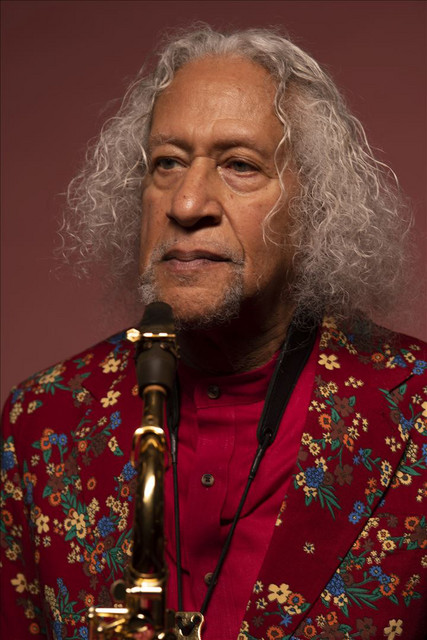
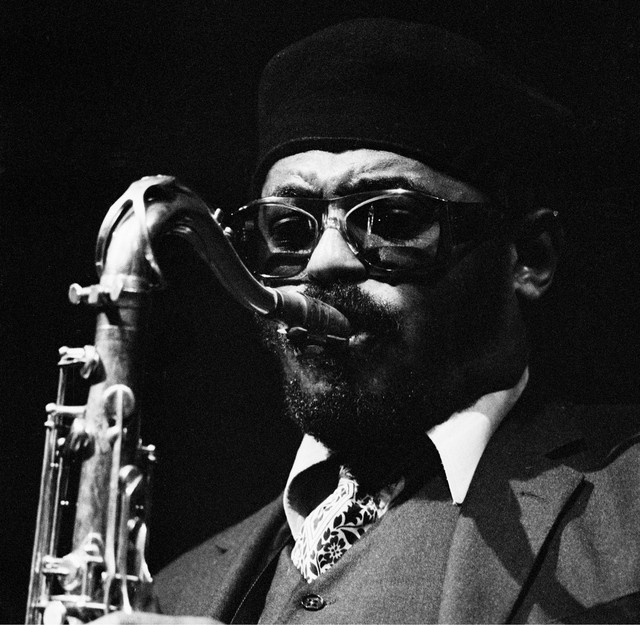
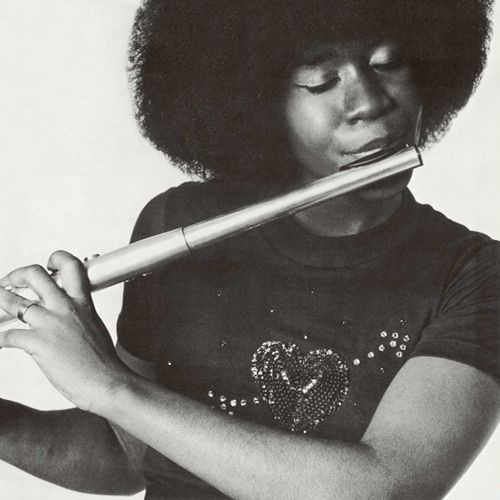
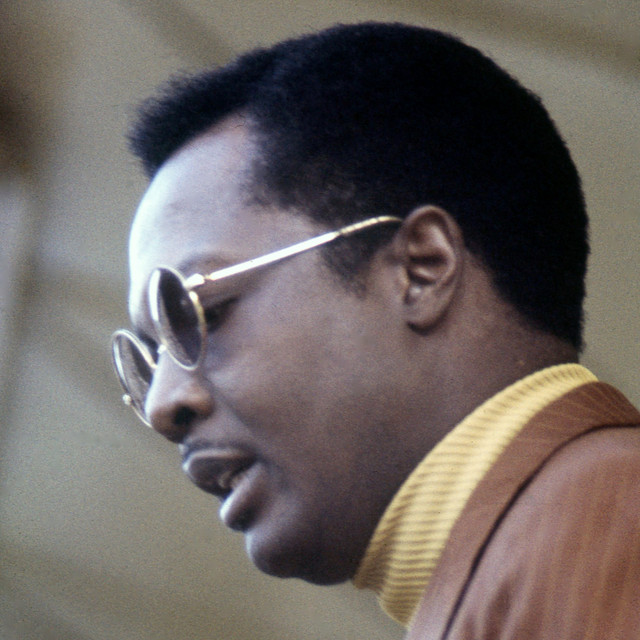
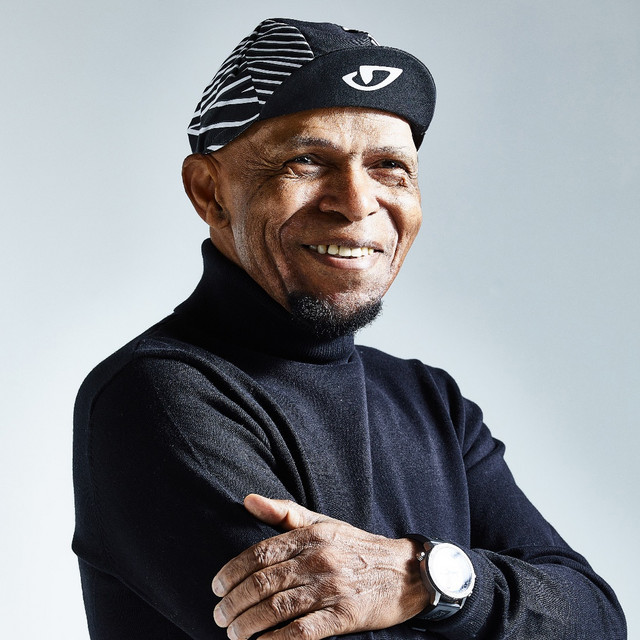
Bennie Maupin is an American jazz composer and multi-instrumentalist who performs on bass clarinet, saxophones, and flute. His harmonically advanced "outside" improvisation style is balanced by a folk-like melodic sensibility. While best-known for playing a key role on <a href="spotify:artist:0kbYTNQb4Pb1rPbbaF0pT4">Miles Davis</a>' seminal Bitches Brew, Maupin was also a founding member of <a href="spotify:artist:2ZvrvbQNrHKwjT7qfGFFUW">Herbie Hancock</a>'s Mwandishi and Head Hunters bands. A prolific sideman, his playing appears on hundreds of recordings. His leader debut, Jewel in the Lotus, appeared from <a href="spotify:search:label%3A%22ECM%22">ECM</a> in 1974, followed by the futurist jazz-funk dates Slow Traffic to the Right (1977) and Moonscapes (1978) for <a href="spotify:search:label%3A%22Mercury%22">Mercury</a>. Driving While Black, with <a href="spotify:artist:1wTO3GgEeh6GAJTmIXnZlW">Dr. Patrick Gleeson</a>, was issued in 1998. In 2006 he released Penumbra with an L.A.-based acoustic quartet and followed it with an all-Polish band on 2008's Early Reflections. In 2022, Maupin and percussionist <a href="spotify:artist:6YVERouhMxYJ18ZgeUJbRQ">Adam Rudolph</a> issued Symphonic Tone Poem for Brother Yusef in tribute to mentor and collaborator <a href="spotify:artist:33XkS6h90eeK7e6OJHw0mq">Yusef Lateef</a>.
Maupin was born in Detroit in 1940. He learned to play his parents' piano by ear. He began studying clarinet in middle school. Each afternoon, he'd go down the block and sit under an open window to listen to an elderly neighbor playing saxophone. He’d close his eyes and pretend to play a stick, fantasizing about playing the tenor. He took up the saxophone while attending the Detroit Institute for Musical Arts. He also studied piano, harmony, and theory. From the tenor he branched out into the alto, soprano, and flute. The bass clarinet came later.
While in school, he worked part-time and woodshedded with groups in Detroit. In the Motor City during the 1950s and early '60s, Maupin was exposed to the best of the best. The city had a thriving jazz scene that included <a href="spotify:artist:33XkS6h90eeK7e6OJHw0mq">Yusef Lateef</a>'s fine quintet with pianist <a href="spotify:artist:5IgSjABjN0VorY1Vo41ivX">Barry Harris</a>. <a href="spotify:artist:33XkS6h90eeK7e6OJHw0mq">Lateef</a> was an enormous early influence on Maupin becoming a multi-instrumentalist. He played gospel, blues, R&B, and soul in addition to jazz. One night, Maupin and some friends went to see <a href="spotify:artist:6rxxu32JCGDpKKMPHxnSJp">Eric Dolphy</a> at the Minor Key Lounge. After mentioning to the older musician that he also played flute, <a href="spotify:artist:6rxxu32JCGDpKKMPHxnSJp">Dolphy</a> gave him an intensive 45-minute study on the instrument. During his time haunting Detroit jazz rooms and clubs, the young musician also met and got to know <a href="spotify:artist:2hGh5VOeeqimQFxqXvfCUf">John Coltrane</a>, who encouraged him to go to N.Y.C.
In 1962, the <a href="spotify:artist:7fIvjotigTGWqjIz6EP1i4">Four Tops</a> heard him play and asked him to join them for some dates in New York. Maupin left Detroit for good the following week. After his stint with the <a href="spotify:artist:7fIvjotigTGWqjIz6EP1i4">Four Tops</a> ended, he took a room on the Lower East Side and began sitting in with various bands in the city. He met <a href="spotify:artist:1VEzN9lxvG6KPR3QQGsebR">Sonny Rollins</a>, <a href="spotify:artist:5RzjqfPS0Bu4bUMkyNNDpn">Dizzy Gillespie</a>, and other jazz greats. He made his recording debut in 1965 as a guest on saxophonist <a href="spotify:artist:5OKhN5AURco1pBqba3CbnS">Marion Brown</a>'s <a href="spotify:search:label%3A%22ESP-Disk%22">ESP-Disk</a> debut, playing on the track "Exhibition." The album -- and in particular the cut -- received positive reviews and Maupin joined <a href="spotify:artist:5OKhN5AURco1pBqba3CbnS">Brown</a>'s sextet. They released the vanguard classic Juba-Lee for <a href="spotify:search:label%3A%22Fontana%22">Fontana</a> in 1967. That year he also played on albums by <a href="spotify:artist:5ZATfKurLqflrBhv2FLht5">Horace Silver</a> (Serenade to a Soul Sister) and <a href="spotify:artist:0fTHKjepK5HWOrb2rkS5Em">Freddie Hubbard</a> (High Blues Pressure).
As Maupin's reputation spread among the jazz cognoscenti, so did his opportunities to tour and record. In 1968 he cut Caramba with <a href="spotify:artist:38C3okxv3fyyOIQUVPCdGX">Lee Morgan</a> (and Taru, which was released in 1980), and Tender Moments with <a href="spotify:artist:2EsmKkHsXK0WMNGOtIhbxr">McCoy Tyner</a> (the group also included future Mwandishi bandmate, trombonist <a href="spotify:artist:1xIC7zdokMyFfUiFOnDw4o">Julian Priester</a>). In late 1968 he met drummer/composer <a href="spotify:artist:7rDjbKTLlpNYJRWMm7QVxU">Jack DeJohnette</a> who had recently moved to New York from Chicago, and the pair became fast friends. The following year Maupin played on The DeJohnette Complex, worked with <a href="spotify:artist:1ZpPJRe9erwiWi548SKVyn">Lonnie Smith</a> on Turning Point, and with <a href="spotify:artist:5ZATfKurLqflrBhv2FLht5">Silver</a> on You Gotta Take a Little Love. He and <a href="spotify:artist:7rDjbKTLlpNYJRWMm7QVxU">DeJohnette</a> also played on <a href="spotify:artist:5olDKSsFhhmwh8UCWwKtpq">Chick Corea</a>'s seminal Is sessions. The drummer joined <a href="spotify:artist:0kbYTNQb4Pb1rPbbaF0pT4">Miles Davis</a>' new group and talked up Maupin. <a href="spotify:artist:0kbYTNQb4Pb1rPbbaF0pT4">Davis</a> heard him play a gig at Slug's Saloon and hired him to play a haunting, almost otherworldly bass clarinet on Bitches Brew. Maupin remained in <a href="spotify:artist:0kbYTNQb4Pb1rPbbaF0pT4">Davis</a>' employ and worked live and on the studio sessions that produced Tribute to Jack Johnson, On the Corner, and Big Fun. That same year, he played on <a href="spotify:artist:5OKhN5AURco1pBqba3CbnS">Brown</a>'s seminal <a href="spotify:search:label%3A%22ECM%22">ECM</a> debut Afternoon of a Georgia Faun.
Another of <a href="spotify:artist:7rDjbKTLlpNYJRWMm7QVxU">DeJohnette</a>'s close mates was <a href="spotify:artist:2ZvrvbQNrHKwjT7qfGFFUW">Herbie Hancock</a>, a veteran of <a href="spotify:artist:0kbYTNQb4Pb1rPbbaF0pT4">Davis</a>' second great quintet and a formidable bandleader and <a href="spotify:search:label%3A%22Blue+Note%22">Blue Note</a> recording artist in his own right. In 1971, Maupin joined <a href="spotify:artist:2ZvrvbQNrHKwjT7qfGFFUW">Hancock</a>'s new band Mwandishi with <a href="spotify:artist:0pSoLnWrkv4lvm0CBl526G">Buster Williams</a>, <a href="spotify:artist:1xIC7zdokMyFfUiFOnDw4o">Julian Priester</a>, <a href="spotify:artist:4LMsUGCTzMsLYcL90zb8sF">Eddie Henderson</a>, <a href="spotify:artist:5DFipPOMNcZT3XMGx59s5I">Billy Hart</a>, <a href="spotify:artist:1LJPMbjmWohx8pVh4bZfAs">Leon "Ndugu" Chancler</a>, and <a href="spotify:artist:7rDjbKTLlpNYJRWMm7QVxU">DeJohnette</a>. He played only bass clarinet and flute on their self-titled debut album. That same year he made recordings with <a href="spotify:artist:0yvEf1tqWWPiZu4ZbjyKGs">Woody Shaw</a> and played on <a href="spotify:artist:38C3okxv3fyyOIQUVPCdGX">Morgan</a>'s seminal Live at the Lighthouse dates. In 1972, Mwandishi released Crossings with <a href="spotify:artist:1wTO3GgEeh6GAJTmIXnZlW">Dr. Patrick Gleeson</a> added to the lineup playing synthesizers. Maupin played not only bass clarinet and flute, but soprano saxophone. Mwandishi cut one more album, 1973's Sextant, the pianist's <a href="spotify:search:label%3A%22Columbia%22">Columbia</a> debut. Maupin also played on <a href="spotify:artist:0yvEf1tqWWPiZu4ZbjyKGs">Shaw</a>'s Song of Songs and guested on funky soul band <a href="spotify:artist:0q8LQM9bH2uGZ9QvA3NeZO">Cold Blood</a>'s fourth album, Thriller, alongside <a href="spotify:artist:2kreKea2n96dXjcyAU9j5N">the Pointer Sisters</a>.
After the release of Sextant, <a href="spotify:artist:2ZvrvbQNrHKwjT7qfGFFUW">Hancock</a> ended Mwandishi and immediately formed another band more reflective of his interest in jazz-funk. Maupin was the only member to make the transition with him. A new lineup with <a href="spotify:artist:2ZvrvbQNrHKwjT7qfGFFUW">Hancock</a> on all manner of keyboards, drummer Harvey Mason, percussionist <a href="spotify:artist:4jfExfOYzFuC4YkwHFSgiG">Bill Summers</a>, bassist <a href="spotify:artist:7gsPbGDWVe9eSVwI1ZZpnP">Paul Jackson</a>, and Maupin on all saxophones, bass clarinet, and flute, cut the classic Head Hunters, issued in October. It was arguably the very first jazz album from the fusion generation meant to be danced to as well as listened to -- it was jazz's first platinum-certified album, and after <a href="spotify:artist:0kbYTNQb4Pb1rPbbaF0pT4">Davis</a>' Kind of Blue, the best-selling album in the genre's history. Maupin remained with <a href="spotify:artist:2ZvrvbQNrHKwjT7qfGFFUW">Hancock</a> through 1980, ultimately playing on important recordings such as Thrust, Man-Child, and Mr. Hands, but he also joined <a href="spotify:artist:4LMsUGCTzMsLYcL90zb8sF">Eddie Henderson</a>'s group that recorded for <a href="spotify:search:label%3A%22Capricorn%22">Capricorn</a> and <a href="spotify:search:label%3A%22Blue+Note%22">Blue Note</a>. That year Maupin, along with <a href="spotify:artist:2ZvrvbQNrHKwjT7qfGFFUW">Hancock</a>, <a href="spotify:artist:0ZqhrTXYPA9DZR527ZnFdO">Wayne Shorter</a>, and a few others, left New York for Southern California.
Maupin signed a one-off deal with <a href="spotify:artist:4NXTfrH5HwadrU4S5QvwZN">Manfred Eicher</a>'s <a href="spotify:search:label%3A%22ECM%22">ECM</a> label in late 1973. The producer was impressed by his clarinet work with <a href="spotify:artist:5OKhN5AURco1pBqba3CbnS">Brown</a> and <a href="spotify:artist:0kbYTNQb4Pb1rPbbaF0pT4">Davis</a> and issued Jewel in the Lotus, Maupin's leader debut, in 1974. Leading a sextet that included <a href="spotify:artist:2ZvrvbQNrHKwjT7qfGFFUW">Hancock</a>, <a href="spotify:artist:0pSoLnWrkv4lvm0CBl526G">Williams</a>, <a href="spotify:artist:4jfExfOYzFuC4YkwHFSgiG">Summers</a>, <a href="spotify:artist:5DFipPOMNcZT3XMGx59s5I">Hart</a>, and drummer <a href="spotify:artist:7D8RVb8PKhGZcSAHpRiFm4">Freddie Waits</a>, the date is regarded as one of the most important in the label's history due to Maupin's comprehensive musical vision. It reflected an abiding interest in harmonic abstraction, polyrhythm, space, texture, and an inherent, deeply investigative melodic sensibility.
Maupin continued touring and recording with <a href="spotify:artist:2ZvrvbQNrHKwjT7qfGFFUW">Hancock</a> but played some of his own dates as well. In 1975, he guested on Mason's Marching in the Street and played in <a href="spotify:artist:1VEzN9lxvG6KPR3QQGsebR">Sonny Rollins</a>' studio band on Nucleus. The year also netted another important date. Survival of the Fittest is credited to <a href="spotify:artist:5JzA5RES9AMM9bK3oDyulT">the Headhunters</a> sans <a href="spotify:artist:2ZvrvbQNrHKwjT7qfGFFUW">Hancock</a> -- though he co-produced the album. In addition to the lineup of Maupin, drummer <a href="spotify:artist:44sbgaYkco7J0jLsRPkoEt">Mike Clark</a>, <a href="spotify:artist:4jfExfOYzFuC4YkwHFSgiG">Summers</a>, and <a href="spotify:artist:7gsPbGDWVe9eSVwI1ZZpnP">Jackson</a>, are guitarist/vocalist Blackbird McNight and percussionists Mason, Baba Duru Oshun, and Zak Diouf. The set didn't get much respect out of the gate due to its reliance on massively funky jazz, but it sold respectably enough among R&B dance music fans to remain in print, and later become influential for a new generation of rappers and electronic music producers. The group toured in support, playing sold-out houses in Asia, the U.S., and Europe.
Maupin remained busy with <a href="spotify:artist:2ZvrvbQNrHKwjT7qfGFFUW">Hancock</a> but found time to play on <a href="spotify:artist:6eUXBkQXi2IVfgJgJLxBa1">Wah Wah Watson</a>'s Elementary and <a href="spotify:artist:2rNtnZArzMAimcRCnFrwUU">Alphonso Johnson</a>'s Moonshadows. Following the release of <a href="spotify:artist:2ZvrvbQNrHKwjT7qfGFFUW">Hancock</a>'s Secrets in 1976, Maupin signed a solo deal with <a href="spotify:search:label%3A%22Mercury%22">Mercury</a> and began work on the album that would become Slow Traffic to the Right the following year. He enlisted keyboardist <a href="spotify:artist:1mNnxxnPfHQDOkFjnZmdkc">Patrice Rushen</a> (who had previously released the now highly influential electric jazz albums Prelusion and Before the Dawn), <a href="spotify:artist:4LMsUGCTzMsLYcL90zb8sF">Henderson</a>, McKnight, <a href="spotify:artist:1wTO3GgEeh6GAJTmIXnZlW">Gleeson</a>, trombonist <a href="spotify:artist:5s7b6XNCd8cyaQY48DH08X">Kraig Kilby</a>, and drummer James Levi. <a href="spotify:artist:7gsPbGDWVe9eSVwI1ZZpnP">Jackson</a> and <a href="spotify:artist:4crZ3zW7Q2aWe7xzfo8n6r">Ralph Armstrong</a> alternated on bass. It is arguably the first ever vanguard jazz-funk date. That same year, <a href="spotify:artist:5JzA5RES9AMM9bK3oDyulT">Headhunters</a>, with new vocalist Derrick Youman, released Straight from the Gate, an album of funky fusion and R&B.
In 1978 Maupin released Moonscapes on <a href="spotify:search:label%3A%22Mercury%22">Mercury</a>. Its lineup included the then up-and-coming pianist/keyboardist <a href="spotify:artist:05uCfJ1rcdJWwsVUKDg9On">Bobby Lyle</a> (whose albums The Genie and New Warrior were dominating both jazz and R&B radio stations), bassist Abe Laboriel, Mason on drums, <a href="spotify:artist:1wTO3GgEeh6GAJTmIXnZlW">Gleeson</a> on electronics (he also produced and programmed the album), guitarist <a href="spotify:artist:771qBvjnXOH9Azr6lKy6FB">Michael Sembello</a>, and percussionist Mingo Lewis. The set got decent reviews in the U.S. and laudatory ones in Europe, but didn't sell particularly well. That year Maupin played on <a href="spotify:artist:7gsPbGDWVe9eSVwI1ZZpnP">Jackson</a>'s Black Octopus, <a href="spotify:artist:2ZvrvbQNrHKwjT7qfGFFUW">Hancock</a>'s Sunlight, and <a href="spotify:artist:4LMsUGCTzMsLYcL90zb8sF">Henderson</a>'s Mahal. In addition to working with <a href="spotify:artist:2ZvrvbQNrHKwjT7qfGFFUW">Hancock</a> on 1979's full-on disco effort Feets Don't Fail Me Now and two other dates, Maupin guested on <a href="spotify:artist:2ye3IGvPbagPIPsto6LYlO">Webster Lewis</a>' disco masterpiece 8 for the '80s, and rejoined <a href="spotify:artist:2EsmKkHsXK0WMNGOtIhbxr">Tyner</a>'s studio band on Together. Having worked almost constantly since he was 14, Maupin was tired. He left <a href="spotify:artist:2ZvrvbQNrHKwjT7qfGFFUW">Hancock</a>'s employ following the release and tour for Mr. Hands and departed the jazz scene entirely for more than a decade, but never stopped studying or playing music.
In 1982 and 1983, he studied composition with the legendary Los Angeles teacher <a href="spotify:artist:26HNZVLjs6Muds7C5yar2S">Lyle "Spud" Murphy</a> and, to pay the bills, worked as a truck driver and security systems monitor. He also deepened his study of Nichiren Buddhism, which he'd been practicing since the early '70s. Later, he took a class in film scoring at UCLA from Don Ray, where he penned a work for a 17-piece orchestra and heard it played. He also spent time teaching music to incarcerated youth. He ended his last non-music job in 1988 and began playing concerts at the Fred C. Nelles School in Whittier and taught at Pasadena City College. With bassist <a href="spotify:artist:02gCb6MU9F39w2mTT4ur5Q">Sekou Bunch</a> and <a href="spotify:artist:4jfExfOYzFuC4YkwHFSgiG">Summers</a> he served as a sideman on percussionist Louis Verdieu's debut album Louis. He also played informal gigs with <a href="spotify:artist:02gCb6MU9F39w2mTT4ur5Q">Bunch</a>'s band and the Hispanic Musicians Association Big Band. In 1993, he was solicited by the Los Angeles County Museum of Art to play weekly concerts.
Maupin was back, but on his own terms. He joined <a href="spotify:artist:2ZvrvbQNrHKwjT7qfGFFUW">Hancock</a> as a guest on 1994's Dis Is Da Drum and joined <a href="spotify:artist:3OrTHSjifGPQi7lwP86Y43">Roland Vazquez</a>'s all-L.A. studio big band on the righteous Feel Your Dream. In 1996 he guested in the star-studded studio band for bassist <a href="spotify:artist:0uZRjholJ0fVC2J9EvnYnj">Meshell Ndegeocello</a>'s Peace Beyond Passion, and in 1997 played in <a href="spotify:artist:3EB0uKE2lGw6BB1UFJrONl">George Duke</a>'s massive studio band on Is Love Enough?
The following year, Maupin returned to recording as a leader. He and <a href="spotify:artist:1wTO3GgEeh6GAJTmIXnZlW">Gleeson</a> issued the futurist jazz-funk of Driving While Black, a duo album for <a href="spotify:search:label%3A%22Intuition%22">Intuition</a>. Kicking it off with a faithful yet expressionist cover of the <a href="spotify:artist:2tkwWmcZOQPNbbIdknfBsw">Undisputed Truth</a>'s progressive soul classic "Smiling Faces," the album didn't sell, but has since become so influential, 21st century jazz players including <a href="spotify:artist:6ywMpa6AmGJpV5Sbyy58Js">Shakbaka Hutchings</a>, <a href="spotify:artist:6O5k8LLRfDK8v9jj1GazAQ">Nubya Garcia</a>, and <a href="spotify:artist:1otDUlTEBjcyDQg6CkHRaV">Moses Boyd</a> all cite it as an influence. Following its release, Maupin also played on Return of the Headhunters that included <a href="spotify:artist:2ZvrvbQNrHKwjT7qfGFFUW">Hancock</a> and Billy Childs on keyboards -- it also inspired a series of killer remixes -- the set stands with Survival of the Fittest as their finest work. Maupin also guested on <a href="spotify:artist:3AO9jmM1JTooPNcu9tTyZx">Meat Beat Manifesto</a>'s Actual Sounds + Voices and <a href="spotify:artist:478WAnkTtQach00La2gvxR">Lenny White</a>'s Edge that year.
In 2000 Maupin was hired to play in pianist/arranger <a href="spotify:artist:4hACZyzzaMxLSCxmyXksWH">Todd "Bayete" Cochrane</a>'s studio orchestra to record composer <a href="spotify:artist:1FMXF1g4Fz2MWDTogFj9EC">Christopher Young</a>'s score for Hurricane, a feature film about wrongly imprisoned boxer Ruben "Hurricane" Carter. He also worked on <a href="spotify:artist:44sbgaYkco7J0jLsRPkoEt">Clark</a>'s Actual Proof and pianist <a href="spotify:artist:2UESE6AjDHmxcy9J30M29R">George Cables</a>' Shared Secrets. The following year, Maupin received a composition grant from Chamber Music America. In 2003, he returned to Detroit at the invitation of electronic music producer <a href="spotify:artist:17dbJyUCrxh4I7iyUrjaHU">Carl Craig</a>. He worked alongside local luminaries including trumpeter <a href="spotify:artist:3RCx5My8byOMt36OUepQrX">Marcus Belgrave</a>, pianist <a href="spotify:artist:0jqAOYfo9ipclW7ATXPhHg">Geri Allen</a>, violinist <a href="spotify:artist:3lWP7nrnwtWJFOANMDz0GJ">Regina Carter</a>, drummers <a href="spotify:artist:6e7BQ0gM6o8ecMXRZkXxlZ">Karriem Riggins</a> and <a href="spotify:artist:6IYzgaBOT17lCXHn65GAHJ">Ron Otis</a>, keyboardist <a href="spotify:artist:39g75EmRFeFbvHhsGjUpLU">Amp Fiddler</a>, and master percussionist <a href="spotify:artist:6pDWRORaCLy5IbgWcN8ytH">Francisco Mora Catlett</a>, on the Detroit Experiment for <a href="spotify:search:label%3A%22Ropeadope%22">Ropeadope</a> juxtaposing contemporary jazz and cutting-edge electronica.
In 2004 Chamber Music America invited Maupin and his Los Angeles-based ensemble to play a series of New York concerts devoted to the music he composed with their funding. His all-acoustic band played two nights at Sweet Basil's, and a final night in a church. All venues were sold out. In 2006, Maupin's acoustic quartet released some of that music on Penumbra for <a href="spotify:artist:3kYyX7APz2R0BkUMhQYEdm">Jeff Gauthier</a>'s California-based <a href="spotify:search:label%3A%22Cryptogramophone%22">Cryptogramophone</a>. The set received unanimous critical acclaim, paving the way for Maupin and crew to tour. While in Europe he guested on <a href="spotify:artist:0UKQxbhQLlpTNPhw6Cp4Sl">Jarek Śmietana</a>'s and <a href="spotify:artist:3Om6IvGOO1bsYOHVIOnrIG">Wojciech Karolak</a>'s What's Goin' On? and <a href="spotify:artist:2jYMYP2SVifgmzNRQJx3SJ">Modeselektor</a>'s Boogybytes, Vol. 3. In 2008, Maupin, accompanied by an all-Polish quartet, issued the globally lauded Early Reflections followed by a long tour.
The saxophonist played sessions for <a href="spotify:artist:48F7fzeDb7gxJm8I9tHVRW">John Beasley</a>'s Positootly in 2009, and played the Los Angeles gigs that resulted in Ethio Jazz creator <a href="spotify:artist:7HGFXtBhRq3g1Ma3nH4Rgv">Mulatu Astatke</a>'s Timeless in 2010. In 2013 he joined <a href="spotify:artist:398OLP0K6sxmwsYaB7Wnmj">Robert Hurst</a> on BOB: A Palindrome, and the following year sat in with vocalist and composer <a href="spotify:artist:6ea0n3vrwje4VwlWDXMLxL">Carmen Lundy</a> on her celebrated double-length Soul to Soul. Maupin joined the faculty of the <a href="spotify:artist:1PqdKx88nAgPolRy079lMl">Herb Alpert</a> School of Music at CalArts in 2015.
In 2019, he and master percussionist, composer, and arranger <a href="spotify:artist:6YVERouhMxYJ18ZgeUJbRQ">Adam Rudolph</a> were commissioned by the Angel City Jazz Festival in Claremont, California to create an original work for the commemoration of <a href="spotify:artist:33XkS6h90eeK7e6OJHw0mq">Yusef Lateef</a>'s 100th birthday. Maupin was influenced by the great multi-instrumentalist early in his career, and they had remained close. <a href="spotify:artist:6YVERouhMxYJ18ZgeUJbRQ">Rudolph</a> had worked with <a href="spotify:artist:33XkS6h90eeK7e6OJHw0mq">Lateef</a> on no less than 15 albums during the latter period of his life. Together they composed a five-movement work (in six cues) combining electronics, saxophone, voices, and <a href="spotify:artist:6YVERouhMxYJ18ZgeUJbRQ">Rudolph</a>'s wide palette of percussion instruments, from hand drums to thumb pianos and gongs. Unfortunately, the COVID-19 pandemic intervened and they never got to perform it. They eventually recorded the work in late 2021 at Clear Lake Studio in New Jersey. Titled Symphonic Tone Poem for Brother Yusef, it was released by <a href="spotify:search:label%3A%22Strut%22">Strut</a> in June 2022. ~ Thom Jurek, Rovi
Maupin was born in Detroit in 1940. He learned to play his parents' piano by ear. He began studying clarinet in middle school. Each afternoon, he'd go down the block and sit under an open window to listen to an elderly neighbor playing saxophone. He’d close his eyes and pretend to play a stick, fantasizing about playing the tenor. He took up the saxophone while attending the Detroit Institute for Musical Arts. He also studied piano, harmony, and theory. From the tenor he branched out into the alto, soprano, and flute. The bass clarinet came later.
While in school, he worked part-time and woodshedded with groups in Detroit. In the Motor City during the 1950s and early '60s, Maupin was exposed to the best of the best. The city had a thriving jazz scene that included <a href="spotify:artist:33XkS6h90eeK7e6OJHw0mq">Yusef Lateef</a>'s fine quintet with pianist <a href="spotify:artist:5IgSjABjN0VorY1Vo41ivX">Barry Harris</a>. <a href="spotify:artist:33XkS6h90eeK7e6OJHw0mq">Lateef</a> was an enormous early influence on Maupin becoming a multi-instrumentalist. He played gospel, blues, R&B, and soul in addition to jazz. One night, Maupin and some friends went to see <a href="spotify:artist:6rxxu32JCGDpKKMPHxnSJp">Eric Dolphy</a> at the Minor Key Lounge. After mentioning to the older musician that he also played flute, <a href="spotify:artist:6rxxu32JCGDpKKMPHxnSJp">Dolphy</a> gave him an intensive 45-minute study on the instrument. During his time haunting Detroit jazz rooms and clubs, the young musician also met and got to know <a href="spotify:artist:2hGh5VOeeqimQFxqXvfCUf">John Coltrane</a>, who encouraged him to go to N.Y.C.
In 1962, the <a href="spotify:artist:7fIvjotigTGWqjIz6EP1i4">Four Tops</a> heard him play and asked him to join them for some dates in New York. Maupin left Detroit for good the following week. After his stint with the <a href="spotify:artist:7fIvjotigTGWqjIz6EP1i4">Four Tops</a> ended, he took a room on the Lower East Side and began sitting in with various bands in the city. He met <a href="spotify:artist:1VEzN9lxvG6KPR3QQGsebR">Sonny Rollins</a>, <a href="spotify:artist:5RzjqfPS0Bu4bUMkyNNDpn">Dizzy Gillespie</a>, and other jazz greats. He made his recording debut in 1965 as a guest on saxophonist <a href="spotify:artist:5OKhN5AURco1pBqba3CbnS">Marion Brown</a>'s <a href="spotify:search:label%3A%22ESP-Disk%22">ESP-Disk</a> debut, playing on the track "Exhibition." The album -- and in particular the cut -- received positive reviews and Maupin joined <a href="spotify:artist:5OKhN5AURco1pBqba3CbnS">Brown</a>'s sextet. They released the vanguard classic Juba-Lee for <a href="spotify:search:label%3A%22Fontana%22">Fontana</a> in 1967. That year he also played on albums by <a href="spotify:artist:5ZATfKurLqflrBhv2FLht5">Horace Silver</a> (Serenade to a Soul Sister) and <a href="spotify:artist:0fTHKjepK5HWOrb2rkS5Em">Freddie Hubbard</a> (High Blues Pressure).
As Maupin's reputation spread among the jazz cognoscenti, so did his opportunities to tour and record. In 1968 he cut Caramba with <a href="spotify:artist:38C3okxv3fyyOIQUVPCdGX">Lee Morgan</a> (and Taru, which was released in 1980), and Tender Moments with <a href="spotify:artist:2EsmKkHsXK0WMNGOtIhbxr">McCoy Tyner</a> (the group also included future Mwandishi bandmate, trombonist <a href="spotify:artist:1xIC7zdokMyFfUiFOnDw4o">Julian Priester</a>). In late 1968 he met drummer/composer <a href="spotify:artist:7rDjbKTLlpNYJRWMm7QVxU">Jack DeJohnette</a> who had recently moved to New York from Chicago, and the pair became fast friends. The following year Maupin played on The DeJohnette Complex, worked with <a href="spotify:artist:1ZpPJRe9erwiWi548SKVyn">Lonnie Smith</a> on Turning Point, and with <a href="spotify:artist:5ZATfKurLqflrBhv2FLht5">Silver</a> on You Gotta Take a Little Love. He and <a href="spotify:artist:7rDjbKTLlpNYJRWMm7QVxU">DeJohnette</a> also played on <a href="spotify:artist:5olDKSsFhhmwh8UCWwKtpq">Chick Corea</a>'s seminal Is sessions. The drummer joined <a href="spotify:artist:0kbYTNQb4Pb1rPbbaF0pT4">Miles Davis</a>' new group and talked up Maupin. <a href="spotify:artist:0kbYTNQb4Pb1rPbbaF0pT4">Davis</a> heard him play a gig at Slug's Saloon and hired him to play a haunting, almost otherworldly bass clarinet on Bitches Brew. Maupin remained in <a href="spotify:artist:0kbYTNQb4Pb1rPbbaF0pT4">Davis</a>' employ and worked live and on the studio sessions that produced Tribute to Jack Johnson, On the Corner, and Big Fun. That same year, he played on <a href="spotify:artist:5OKhN5AURco1pBqba3CbnS">Brown</a>'s seminal <a href="spotify:search:label%3A%22ECM%22">ECM</a> debut Afternoon of a Georgia Faun.
Another of <a href="spotify:artist:7rDjbKTLlpNYJRWMm7QVxU">DeJohnette</a>'s close mates was <a href="spotify:artist:2ZvrvbQNrHKwjT7qfGFFUW">Herbie Hancock</a>, a veteran of <a href="spotify:artist:0kbYTNQb4Pb1rPbbaF0pT4">Davis</a>' second great quintet and a formidable bandleader and <a href="spotify:search:label%3A%22Blue+Note%22">Blue Note</a> recording artist in his own right. In 1971, Maupin joined <a href="spotify:artist:2ZvrvbQNrHKwjT7qfGFFUW">Hancock</a>'s new band Mwandishi with <a href="spotify:artist:0pSoLnWrkv4lvm0CBl526G">Buster Williams</a>, <a href="spotify:artist:1xIC7zdokMyFfUiFOnDw4o">Julian Priester</a>, <a href="spotify:artist:4LMsUGCTzMsLYcL90zb8sF">Eddie Henderson</a>, <a href="spotify:artist:5DFipPOMNcZT3XMGx59s5I">Billy Hart</a>, <a href="spotify:artist:1LJPMbjmWohx8pVh4bZfAs">Leon "Ndugu" Chancler</a>, and <a href="spotify:artist:7rDjbKTLlpNYJRWMm7QVxU">DeJohnette</a>. He played only bass clarinet and flute on their self-titled debut album. That same year he made recordings with <a href="spotify:artist:0yvEf1tqWWPiZu4ZbjyKGs">Woody Shaw</a> and played on <a href="spotify:artist:38C3okxv3fyyOIQUVPCdGX">Morgan</a>'s seminal Live at the Lighthouse dates. In 1972, Mwandishi released Crossings with <a href="spotify:artist:1wTO3GgEeh6GAJTmIXnZlW">Dr. Patrick Gleeson</a> added to the lineup playing synthesizers. Maupin played not only bass clarinet and flute, but soprano saxophone. Mwandishi cut one more album, 1973's Sextant, the pianist's <a href="spotify:search:label%3A%22Columbia%22">Columbia</a> debut. Maupin also played on <a href="spotify:artist:0yvEf1tqWWPiZu4ZbjyKGs">Shaw</a>'s Song of Songs and guested on funky soul band <a href="spotify:artist:0q8LQM9bH2uGZ9QvA3NeZO">Cold Blood</a>'s fourth album, Thriller, alongside <a href="spotify:artist:2kreKea2n96dXjcyAU9j5N">the Pointer Sisters</a>.
After the release of Sextant, <a href="spotify:artist:2ZvrvbQNrHKwjT7qfGFFUW">Hancock</a> ended Mwandishi and immediately formed another band more reflective of his interest in jazz-funk. Maupin was the only member to make the transition with him. A new lineup with <a href="spotify:artist:2ZvrvbQNrHKwjT7qfGFFUW">Hancock</a> on all manner of keyboards, drummer Harvey Mason, percussionist <a href="spotify:artist:4jfExfOYzFuC4YkwHFSgiG">Bill Summers</a>, bassist <a href="spotify:artist:7gsPbGDWVe9eSVwI1ZZpnP">Paul Jackson</a>, and Maupin on all saxophones, bass clarinet, and flute, cut the classic Head Hunters, issued in October. It was arguably the very first jazz album from the fusion generation meant to be danced to as well as listened to -- it was jazz's first platinum-certified album, and after <a href="spotify:artist:0kbYTNQb4Pb1rPbbaF0pT4">Davis</a>' Kind of Blue, the best-selling album in the genre's history. Maupin remained with <a href="spotify:artist:2ZvrvbQNrHKwjT7qfGFFUW">Hancock</a> through 1980, ultimately playing on important recordings such as Thrust, Man-Child, and Mr. Hands, but he also joined <a href="spotify:artist:4LMsUGCTzMsLYcL90zb8sF">Eddie Henderson</a>'s group that recorded for <a href="spotify:search:label%3A%22Capricorn%22">Capricorn</a> and <a href="spotify:search:label%3A%22Blue+Note%22">Blue Note</a>. That year Maupin, along with <a href="spotify:artist:2ZvrvbQNrHKwjT7qfGFFUW">Hancock</a>, <a href="spotify:artist:0ZqhrTXYPA9DZR527ZnFdO">Wayne Shorter</a>, and a few others, left New York for Southern California.
Maupin signed a one-off deal with <a href="spotify:artist:4NXTfrH5HwadrU4S5QvwZN">Manfred Eicher</a>'s <a href="spotify:search:label%3A%22ECM%22">ECM</a> label in late 1973. The producer was impressed by his clarinet work with <a href="spotify:artist:5OKhN5AURco1pBqba3CbnS">Brown</a> and <a href="spotify:artist:0kbYTNQb4Pb1rPbbaF0pT4">Davis</a> and issued Jewel in the Lotus, Maupin's leader debut, in 1974. Leading a sextet that included <a href="spotify:artist:2ZvrvbQNrHKwjT7qfGFFUW">Hancock</a>, <a href="spotify:artist:0pSoLnWrkv4lvm0CBl526G">Williams</a>, <a href="spotify:artist:4jfExfOYzFuC4YkwHFSgiG">Summers</a>, <a href="spotify:artist:5DFipPOMNcZT3XMGx59s5I">Hart</a>, and drummer <a href="spotify:artist:7D8RVb8PKhGZcSAHpRiFm4">Freddie Waits</a>, the date is regarded as one of the most important in the label's history due to Maupin's comprehensive musical vision. It reflected an abiding interest in harmonic abstraction, polyrhythm, space, texture, and an inherent, deeply investigative melodic sensibility.
Maupin continued touring and recording with <a href="spotify:artist:2ZvrvbQNrHKwjT7qfGFFUW">Hancock</a> but played some of his own dates as well. In 1975, he guested on Mason's Marching in the Street and played in <a href="spotify:artist:1VEzN9lxvG6KPR3QQGsebR">Sonny Rollins</a>' studio band on Nucleus. The year also netted another important date. Survival of the Fittest is credited to <a href="spotify:artist:5JzA5RES9AMM9bK3oDyulT">the Headhunters</a> sans <a href="spotify:artist:2ZvrvbQNrHKwjT7qfGFFUW">Hancock</a> -- though he co-produced the album. In addition to the lineup of Maupin, drummer <a href="spotify:artist:44sbgaYkco7J0jLsRPkoEt">Mike Clark</a>, <a href="spotify:artist:4jfExfOYzFuC4YkwHFSgiG">Summers</a>, and <a href="spotify:artist:7gsPbGDWVe9eSVwI1ZZpnP">Jackson</a>, are guitarist/vocalist Blackbird McNight and percussionists Mason, Baba Duru Oshun, and Zak Diouf. The set didn't get much respect out of the gate due to its reliance on massively funky jazz, but it sold respectably enough among R&B dance music fans to remain in print, and later become influential for a new generation of rappers and electronic music producers. The group toured in support, playing sold-out houses in Asia, the U.S., and Europe.
Maupin remained busy with <a href="spotify:artist:2ZvrvbQNrHKwjT7qfGFFUW">Hancock</a> but found time to play on <a href="spotify:artist:6eUXBkQXi2IVfgJgJLxBa1">Wah Wah Watson</a>'s Elementary and <a href="spotify:artist:2rNtnZArzMAimcRCnFrwUU">Alphonso Johnson</a>'s Moonshadows. Following the release of <a href="spotify:artist:2ZvrvbQNrHKwjT7qfGFFUW">Hancock</a>'s Secrets in 1976, Maupin signed a solo deal with <a href="spotify:search:label%3A%22Mercury%22">Mercury</a> and began work on the album that would become Slow Traffic to the Right the following year. He enlisted keyboardist <a href="spotify:artist:1mNnxxnPfHQDOkFjnZmdkc">Patrice Rushen</a> (who had previously released the now highly influential electric jazz albums Prelusion and Before the Dawn), <a href="spotify:artist:4LMsUGCTzMsLYcL90zb8sF">Henderson</a>, McKnight, <a href="spotify:artist:1wTO3GgEeh6GAJTmIXnZlW">Gleeson</a>, trombonist <a href="spotify:artist:5s7b6XNCd8cyaQY48DH08X">Kraig Kilby</a>, and drummer James Levi. <a href="spotify:artist:7gsPbGDWVe9eSVwI1ZZpnP">Jackson</a> and <a href="spotify:artist:4crZ3zW7Q2aWe7xzfo8n6r">Ralph Armstrong</a> alternated on bass. It is arguably the first ever vanguard jazz-funk date. That same year, <a href="spotify:artist:5JzA5RES9AMM9bK3oDyulT">Headhunters</a>, with new vocalist Derrick Youman, released Straight from the Gate, an album of funky fusion and R&B.
In 1978 Maupin released Moonscapes on <a href="spotify:search:label%3A%22Mercury%22">Mercury</a>. Its lineup included the then up-and-coming pianist/keyboardist <a href="spotify:artist:05uCfJ1rcdJWwsVUKDg9On">Bobby Lyle</a> (whose albums The Genie and New Warrior were dominating both jazz and R&B radio stations), bassist Abe Laboriel, Mason on drums, <a href="spotify:artist:1wTO3GgEeh6GAJTmIXnZlW">Gleeson</a> on electronics (he also produced and programmed the album), guitarist <a href="spotify:artist:771qBvjnXOH9Azr6lKy6FB">Michael Sembello</a>, and percussionist Mingo Lewis. The set got decent reviews in the U.S. and laudatory ones in Europe, but didn't sell particularly well. That year Maupin played on <a href="spotify:artist:7gsPbGDWVe9eSVwI1ZZpnP">Jackson</a>'s Black Octopus, <a href="spotify:artist:2ZvrvbQNrHKwjT7qfGFFUW">Hancock</a>'s Sunlight, and <a href="spotify:artist:4LMsUGCTzMsLYcL90zb8sF">Henderson</a>'s Mahal. In addition to working with <a href="spotify:artist:2ZvrvbQNrHKwjT7qfGFFUW">Hancock</a> on 1979's full-on disco effort Feets Don't Fail Me Now and two other dates, Maupin guested on <a href="spotify:artist:2ye3IGvPbagPIPsto6LYlO">Webster Lewis</a>' disco masterpiece 8 for the '80s, and rejoined <a href="spotify:artist:2EsmKkHsXK0WMNGOtIhbxr">Tyner</a>'s studio band on Together. Having worked almost constantly since he was 14, Maupin was tired. He left <a href="spotify:artist:2ZvrvbQNrHKwjT7qfGFFUW">Hancock</a>'s employ following the release and tour for Mr. Hands and departed the jazz scene entirely for more than a decade, but never stopped studying or playing music.
In 1982 and 1983, he studied composition with the legendary Los Angeles teacher <a href="spotify:artist:26HNZVLjs6Muds7C5yar2S">Lyle "Spud" Murphy</a> and, to pay the bills, worked as a truck driver and security systems monitor. He also deepened his study of Nichiren Buddhism, which he'd been practicing since the early '70s. Later, he took a class in film scoring at UCLA from Don Ray, where he penned a work for a 17-piece orchestra and heard it played. He also spent time teaching music to incarcerated youth. He ended his last non-music job in 1988 and began playing concerts at the Fred C. Nelles School in Whittier and taught at Pasadena City College. With bassist <a href="spotify:artist:02gCb6MU9F39w2mTT4ur5Q">Sekou Bunch</a> and <a href="spotify:artist:4jfExfOYzFuC4YkwHFSgiG">Summers</a> he served as a sideman on percussionist Louis Verdieu's debut album Louis. He also played informal gigs with <a href="spotify:artist:02gCb6MU9F39w2mTT4ur5Q">Bunch</a>'s band and the Hispanic Musicians Association Big Band. In 1993, he was solicited by the Los Angeles County Museum of Art to play weekly concerts.
Maupin was back, but on his own terms. He joined <a href="spotify:artist:2ZvrvbQNrHKwjT7qfGFFUW">Hancock</a> as a guest on 1994's Dis Is Da Drum and joined <a href="spotify:artist:3OrTHSjifGPQi7lwP86Y43">Roland Vazquez</a>'s all-L.A. studio big band on the righteous Feel Your Dream. In 1996 he guested in the star-studded studio band for bassist <a href="spotify:artist:0uZRjholJ0fVC2J9EvnYnj">Meshell Ndegeocello</a>'s Peace Beyond Passion, and in 1997 played in <a href="spotify:artist:3EB0uKE2lGw6BB1UFJrONl">George Duke</a>'s massive studio band on Is Love Enough?
The following year, Maupin returned to recording as a leader. He and <a href="spotify:artist:1wTO3GgEeh6GAJTmIXnZlW">Gleeson</a> issued the futurist jazz-funk of Driving While Black, a duo album for <a href="spotify:search:label%3A%22Intuition%22">Intuition</a>. Kicking it off with a faithful yet expressionist cover of the <a href="spotify:artist:2tkwWmcZOQPNbbIdknfBsw">Undisputed Truth</a>'s progressive soul classic "Smiling Faces," the album didn't sell, but has since become so influential, 21st century jazz players including <a href="spotify:artist:6ywMpa6AmGJpV5Sbyy58Js">Shakbaka Hutchings</a>, <a href="spotify:artist:6O5k8LLRfDK8v9jj1GazAQ">Nubya Garcia</a>, and <a href="spotify:artist:1otDUlTEBjcyDQg6CkHRaV">Moses Boyd</a> all cite it as an influence. Following its release, Maupin also played on Return of the Headhunters that included <a href="spotify:artist:2ZvrvbQNrHKwjT7qfGFFUW">Hancock</a> and Billy Childs on keyboards -- it also inspired a series of killer remixes -- the set stands with Survival of the Fittest as their finest work. Maupin also guested on <a href="spotify:artist:3AO9jmM1JTooPNcu9tTyZx">Meat Beat Manifesto</a>'s Actual Sounds + Voices and <a href="spotify:artist:478WAnkTtQach00La2gvxR">Lenny White</a>'s Edge that year.
In 2000 Maupin was hired to play in pianist/arranger <a href="spotify:artist:4hACZyzzaMxLSCxmyXksWH">Todd "Bayete" Cochrane</a>'s studio orchestra to record composer <a href="spotify:artist:1FMXF1g4Fz2MWDTogFj9EC">Christopher Young</a>'s score for Hurricane, a feature film about wrongly imprisoned boxer Ruben "Hurricane" Carter. He also worked on <a href="spotify:artist:44sbgaYkco7J0jLsRPkoEt">Clark</a>'s Actual Proof and pianist <a href="spotify:artist:2UESE6AjDHmxcy9J30M29R">George Cables</a>' Shared Secrets. The following year, Maupin received a composition grant from Chamber Music America. In 2003, he returned to Detroit at the invitation of electronic music producer <a href="spotify:artist:17dbJyUCrxh4I7iyUrjaHU">Carl Craig</a>. He worked alongside local luminaries including trumpeter <a href="spotify:artist:3RCx5My8byOMt36OUepQrX">Marcus Belgrave</a>, pianist <a href="spotify:artist:0jqAOYfo9ipclW7ATXPhHg">Geri Allen</a>, violinist <a href="spotify:artist:3lWP7nrnwtWJFOANMDz0GJ">Regina Carter</a>, drummers <a href="spotify:artist:6e7BQ0gM6o8ecMXRZkXxlZ">Karriem Riggins</a> and <a href="spotify:artist:6IYzgaBOT17lCXHn65GAHJ">Ron Otis</a>, keyboardist <a href="spotify:artist:39g75EmRFeFbvHhsGjUpLU">Amp Fiddler</a>, and master percussionist <a href="spotify:artist:6pDWRORaCLy5IbgWcN8ytH">Francisco Mora Catlett</a>, on the Detroit Experiment for <a href="spotify:search:label%3A%22Ropeadope%22">Ropeadope</a> juxtaposing contemporary jazz and cutting-edge electronica.
In 2004 Chamber Music America invited Maupin and his Los Angeles-based ensemble to play a series of New York concerts devoted to the music he composed with their funding. His all-acoustic band played two nights at Sweet Basil's, and a final night in a church. All venues were sold out. In 2006, Maupin's acoustic quartet released some of that music on Penumbra for <a href="spotify:artist:3kYyX7APz2R0BkUMhQYEdm">Jeff Gauthier</a>'s California-based <a href="spotify:search:label%3A%22Cryptogramophone%22">Cryptogramophone</a>. The set received unanimous critical acclaim, paving the way for Maupin and crew to tour. While in Europe he guested on <a href="spotify:artist:0UKQxbhQLlpTNPhw6Cp4Sl">Jarek Śmietana</a>'s and <a href="spotify:artist:3Om6IvGOO1bsYOHVIOnrIG">Wojciech Karolak</a>'s What's Goin' On? and <a href="spotify:artist:2jYMYP2SVifgmzNRQJx3SJ">Modeselektor</a>'s Boogybytes, Vol. 3. In 2008, Maupin, accompanied by an all-Polish quartet, issued the globally lauded Early Reflections followed by a long tour.
The saxophonist played sessions for <a href="spotify:artist:48F7fzeDb7gxJm8I9tHVRW">John Beasley</a>'s Positootly in 2009, and played the Los Angeles gigs that resulted in Ethio Jazz creator <a href="spotify:artist:7HGFXtBhRq3g1Ma3nH4Rgv">Mulatu Astatke</a>'s Timeless in 2010. In 2013 he joined <a href="spotify:artist:398OLP0K6sxmwsYaB7Wnmj">Robert Hurst</a> on BOB: A Palindrome, and the following year sat in with vocalist and composer <a href="spotify:artist:6ea0n3vrwje4VwlWDXMLxL">Carmen Lundy</a> on her celebrated double-length Soul to Soul. Maupin joined the faculty of the <a href="spotify:artist:1PqdKx88nAgPolRy079lMl">Herb Alpert</a> School of Music at CalArts in 2015.
In 2019, he and master percussionist, composer, and arranger <a href="spotify:artist:6YVERouhMxYJ18ZgeUJbRQ">Adam Rudolph</a> were commissioned by the Angel City Jazz Festival in Claremont, California to create an original work for the commemoration of <a href="spotify:artist:33XkS6h90eeK7e6OJHw0mq">Yusef Lateef</a>'s 100th birthday. Maupin was influenced by the great multi-instrumentalist early in his career, and they had remained close. <a href="spotify:artist:6YVERouhMxYJ18ZgeUJbRQ">Rudolph</a> had worked with <a href="spotify:artist:33XkS6h90eeK7e6OJHw0mq">Lateef</a> on no less than 15 albums during the latter period of his life. Together they composed a five-movement work (in six cues) combining electronics, saxophone, voices, and <a href="spotify:artist:6YVERouhMxYJ18ZgeUJbRQ">Rudolph</a>'s wide palette of percussion instruments, from hand drums to thumb pianos and gongs. Unfortunately, the COVID-19 pandemic intervened and they never got to perform it. They eventually recorded the work in late 2021 at Clear Lake Studio in New Jersey. Titled Symphonic Tone Poem for Brother Yusef, it was released by <a href="spotify:search:label%3A%22Strut%22">Strut</a> in June 2022. ~ Thom Jurek, Rovi
Monthly Listeners
18,007
Monthly Listeners History
Track the evolution of monthly listeners over the last 28 days.
Followers
12,117
Followers History
Track the evolution of followers over the last 28 days.
Top Cities
502 listeners

350 listeners

297 listeners
243 listeners
202 listeners