Data may be outdated
Last updated: 7 months ago — Click refresh to get the latest statistics.
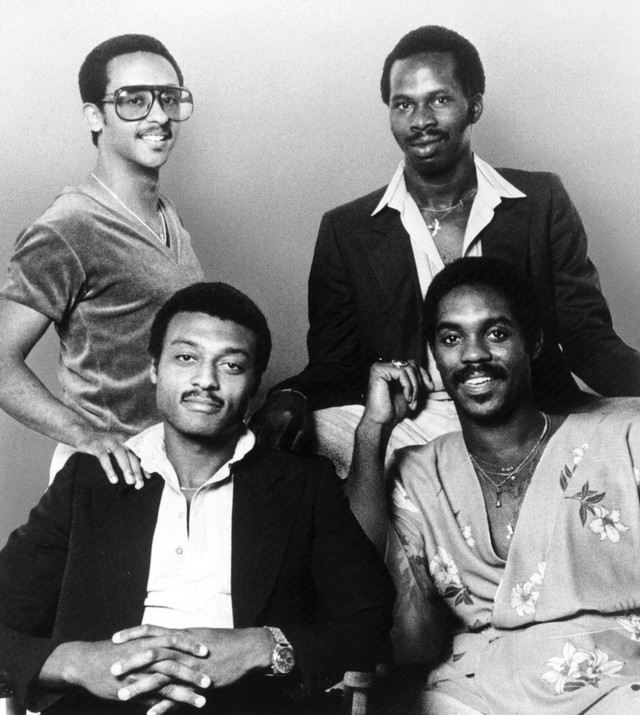
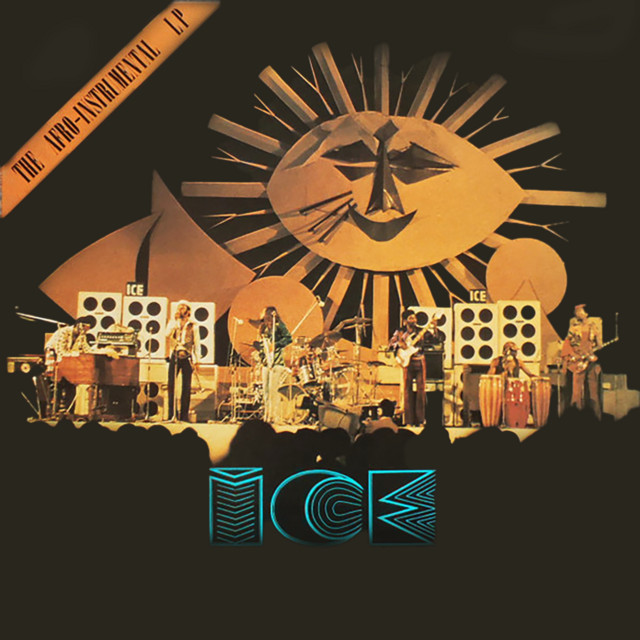
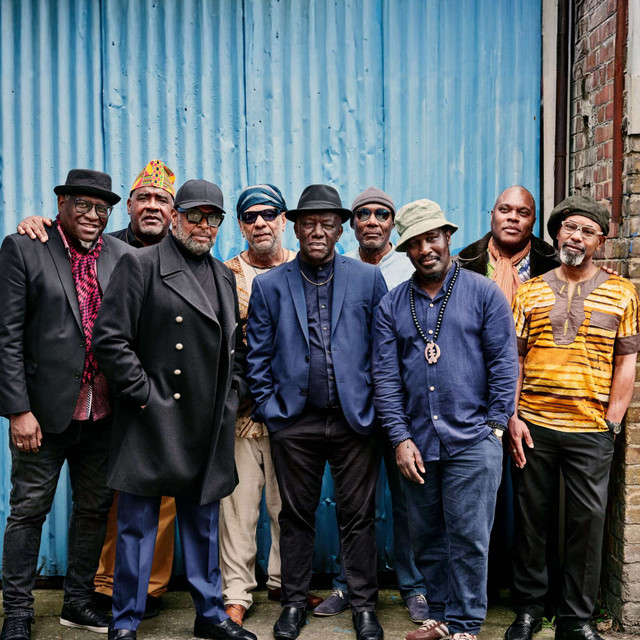
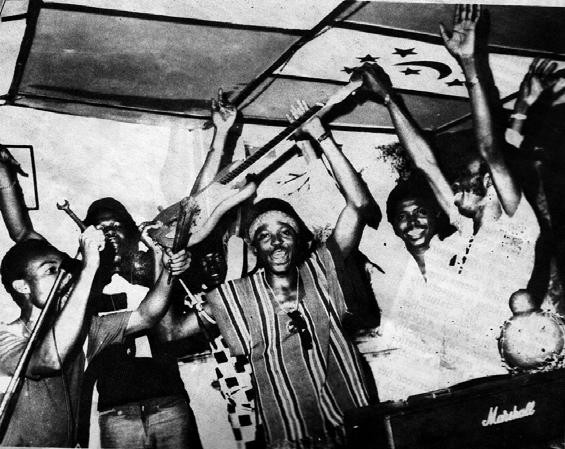
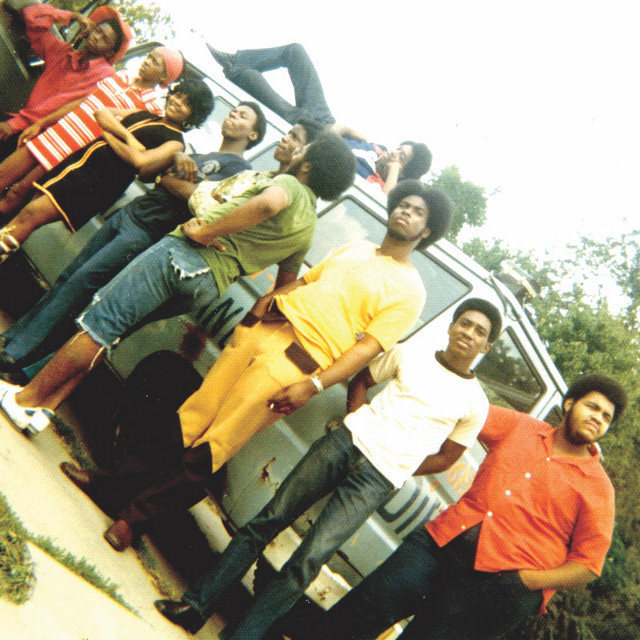
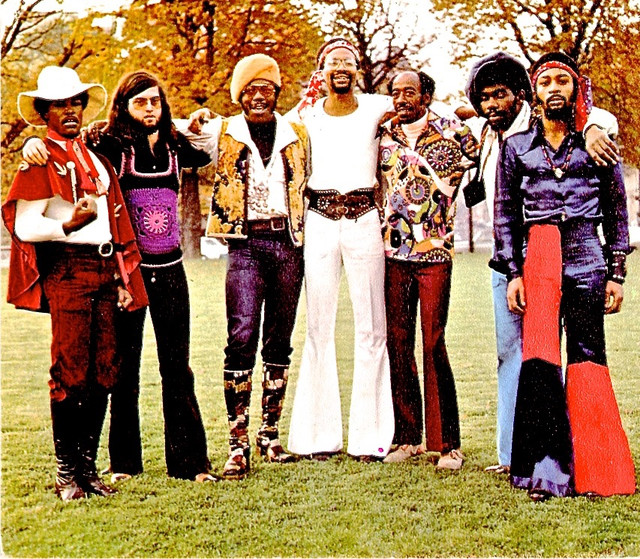
Though little known in their native U.S., the Paris-based Lafayette Afro Rock Band was among the premier funk outfits of the 1970s, later becoming a seemingly endless source of samples and breaks for artists from <a href="spotify:artist:6Mo9PoU6svvhgEum7wh2Nd">Public Enemy</a> to <a href="spotify:artist:4qwGe91Bz9K2T8jXTZ815W">Janet Jackson</a>. The group was formed on Long Island, New York as the <a href="spotify:artist:31RA1QgkLHz12a9DUjCVpo">Bobby Boyd Congress</a>; deciding America was already overloaded with funk acts, they relocated to France in 1971, but when frontman Boyd returned stateside, the remaining members -- guitarist Larry Jones, bassist Lafayette Hudson, keyboardist Frank Abel, horn players Ronnie James Buttacavoli and Arthur Young, drummer Ernest "Donny" Donable, and percussionists Keno Speller and Arthur Young -- renamed themselves <a href="spotify:artist:6w3Z5JoQkuyEHSmHl1HUcf">Ice</a> and became the house session band at producer Pierre Jaubert's Parisound studio. Regularly performing live in Paris' Barbesse district -- an area made up primarily of African immigrants -- <a href="spotify:artist:6w3Z5JoQkuyEHSmHl1HUcf">Ice</a>'s hard-edged funk became increasingly influenced by African rhythms and textures, and in the wake of their 1972 self-titled debut and 1973's Each Man Makes His Own Destiny, Jaubert changed the group's name to the Lafayette Afro Rock Band.
Guitarist Michael McEwan joined in time to record 1974's Soul Makossa (issued in the U.S. as Movin' & Groovin' minus the cover of <a href="spotify:artist:30UIjoCGuL3Fa5BOc3ayNW">Manu Dibango</a>'s signature jam), highlighted by the oft-covered and much-sampled "Hihache"; the follow-up, Malik, featured the cut "Darkest Light," its desolate saxophone intro later sampled for use by <a href="spotify:artist:6Mo9PoU6svvhgEum7wh2Nd">Public Enemy</a> for the It Takes a Nation of Millions to Hold Us Back track "Show 'Em Whatcha Got," in addition to providing the foundation for <a href="spotify:artist:6lLYZf9GpSq6Pf09g2N2xK">Wreckx 'N' Effect</a>'s "Rump Shaker" and <a href="spotify:artist:7voU3OBl973giCAvy3AT5D">Tuff Crew</a>'s "Nut." Also in 1975, the Lafayette Afro Rock Band backed jazz pianist <a href="spotify:artist:4cP0bprQSFtZdI9QEKKZA3">Mal Waldron</a> on his unreleased Candy Girl album; the year following, they collaborated with expatriate bluesman <a href="spotify:artist:5IrMTnoQ7OgoLpFfsisXX2">Sunnyland Slim</a> on his album Depression Blues. With 1976's Frisco Disco, the group reverted to the <a href="spotify:artist:6w3Z5JoQkuyEHSmHl1HUcf">Ice</a> moniker; concurrently, working under the alias Captain Dax. They scored a novelty hit in Japan with the single "Dr. Beezar, Soul Frankenstein." They cut Seven Americans in Paris for <a href="spotify:search:label%3A%22RCA%22">RCA</a> in 1977. Later that year, the label released Thumpin', a double-length set that combined tracks from their 1972 debut and Each Man Makes His Destiny on the first disc, with new cuts on the second. The band resurfaced as Crispy & Co in 1978 to issue Funky Flavored before returning to America and disbanding. ~ Jason Ankeny & Thom Jurek, Rovi
Guitarist Michael McEwan joined in time to record 1974's Soul Makossa (issued in the U.S. as Movin' & Groovin' minus the cover of <a href="spotify:artist:30UIjoCGuL3Fa5BOc3ayNW">Manu Dibango</a>'s signature jam), highlighted by the oft-covered and much-sampled "Hihache"; the follow-up, Malik, featured the cut "Darkest Light," its desolate saxophone intro later sampled for use by <a href="spotify:artist:6Mo9PoU6svvhgEum7wh2Nd">Public Enemy</a> for the It Takes a Nation of Millions to Hold Us Back track "Show 'Em Whatcha Got," in addition to providing the foundation for <a href="spotify:artist:6lLYZf9GpSq6Pf09g2N2xK">Wreckx 'N' Effect</a>'s "Rump Shaker" and <a href="spotify:artist:7voU3OBl973giCAvy3AT5D">Tuff Crew</a>'s "Nut." Also in 1975, the Lafayette Afro Rock Band backed jazz pianist <a href="spotify:artist:4cP0bprQSFtZdI9QEKKZA3">Mal Waldron</a> on his unreleased Candy Girl album; the year following, they collaborated with expatriate bluesman <a href="spotify:artist:5IrMTnoQ7OgoLpFfsisXX2">Sunnyland Slim</a> on his album Depression Blues. With 1976's Frisco Disco, the group reverted to the <a href="spotify:artist:6w3Z5JoQkuyEHSmHl1HUcf">Ice</a> moniker; concurrently, working under the alias Captain Dax. They scored a novelty hit in Japan with the single "Dr. Beezar, Soul Frankenstein." They cut Seven Americans in Paris for <a href="spotify:search:label%3A%22RCA%22">RCA</a> in 1977. Later that year, the label released Thumpin', a double-length set that combined tracks from their 1972 debut and Each Man Makes His Destiny on the first disc, with new cuts on the second. The band resurfaced as Crispy & Co in 1978 to issue Funky Flavored before returning to America and disbanding. ~ Jason Ankeny & Thom Jurek, Rovi
Monthly Listeners
194,645
Monthly Listeners History
Track the evolution of monthly listeners over the last 28 days.
Followers
62,149
Followers History
Track the evolution of followers over the last 28 days.
Top Cities
5,066 listeners

4,036 listeners

2,713 listeners
2,695 listeners
2,631 listeners
Related Artists