Data may be outdated
Last updated: 9 months ago — Click refresh to get the latest statistics.
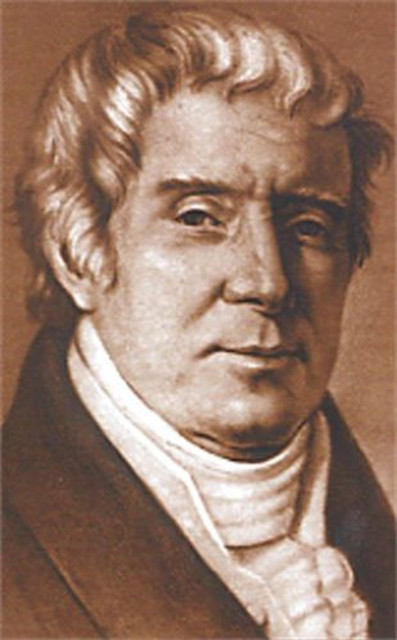
A unique and influential figure in Russian and Ukrainian music, Dimitry Bortnyansky was primarily known for his sacred choral concertos and multi-movement a cappella compositions. These works both struck out new paths for various combinations of tutti and solo voices and helped Westernize the Eastern Slavonic tradition. He also wrote many hymns, which, like his choral concertos, gained wide currency throughout late-18th and early-19th century Europe. Among his better-known works are Vskuyu priskorbna yesi, dusha moya? (Why are you mournful, O my soul?) and Kol' slaven nash Hospod (How great is our Lord). Bortnyansky wrote 55 surviving choral concertos (at least 23 others are lost) and also composed operas, keyboard sonatas, and chamber works.
His first music training came in his hometown, most likely at the Hlukhiv choir school. In 1758, he was taken into the Russian Imperial Court chapel at St. Petersburg and later sang in operas at Court productions. He studied with <a href="spotify:artist:65fAk5vQnO9gmOCk2wPkuT">Galuppi</a> during his teen years and continued instruction with the Italian master in Venice when <a href="spotify:artist:65fAk5vQnO9gmOCk2wPkuT">Galuppi</a> returned there in 1769. By 1778, Bortnyansky had written three operas -- Creonte (1776), Alcide (1778), and Quinto Fabio (1778), as well as various settings of Roman Catholic texts.
He returned to Russia in 1779 and in 1783 was appointed Kapellmeister at the lower Court of Catherine the Great's son, Paul. He also taught keyboard to members of the royal family during this period. Bortnyansky's first choral concertos date to 1780, and he composed several operas in the opera comique style in the period following his return, including La fête du seigneur and Le fauçon, both from 1786.
In 1796, Bortnyansky was appointed director of the Court chapel by Tsar Paul I, who had ascended to the throne upon the death of his mother that year. Bortnyansky expanded the Court chapel choir and improved conditions for the singers. His choral concerts quickly became one of the main musical attractions in St. Petersburg, but he composed relatively little original music from this time onward.
In 1816 a government decree gave Bortnyansky and the Court chapel musicians the exclusive right to publish sacred music in Russia. The modest Bortnyansky, however, eschewed any attempts at opportunism by not immediately seeking to publish his choral concertos. He did revise many, but they would only gain posthumous publication in the 1830s.
His first music training came in his hometown, most likely at the Hlukhiv choir school. In 1758, he was taken into the Russian Imperial Court chapel at St. Petersburg and later sang in operas at Court productions. He studied with <a href="spotify:artist:65fAk5vQnO9gmOCk2wPkuT">Galuppi</a> during his teen years and continued instruction with the Italian master in Venice when <a href="spotify:artist:65fAk5vQnO9gmOCk2wPkuT">Galuppi</a> returned there in 1769. By 1778, Bortnyansky had written three operas -- Creonte (1776), Alcide (1778), and Quinto Fabio (1778), as well as various settings of Roman Catholic texts.
He returned to Russia in 1779 and in 1783 was appointed Kapellmeister at the lower Court of Catherine the Great's son, Paul. He also taught keyboard to members of the royal family during this period. Bortnyansky's first choral concertos date to 1780, and he composed several operas in the opera comique style in the period following his return, including La fête du seigneur and Le fauçon, both from 1786.
In 1796, Bortnyansky was appointed director of the Court chapel by Tsar Paul I, who had ascended to the throne upon the death of his mother that year. Bortnyansky expanded the Court chapel choir and improved conditions for the singers. His choral concerts quickly became one of the main musical attractions in St. Petersburg, but he composed relatively little original music from this time onward.
In 1816 a government decree gave Bortnyansky and the Court chapel musicians the exclusive right to publish sacred music in Russia. The modest Bortnyansky, however, eschewed any attempts at opportunism by not immediately seeking to publish his choral concertos. He did revise many, but they would only gain posthumous publication in the 1830s.
Monthly Listeners
23,777
Monthly Listeners History
Track the evolution of monthly listeners over the last 28 days.
Followers
2,205
Followers History
Track the evolution of followers over the last 28 days.
Top Cities
567 listeners

433 listeners

287 listeners
280 listeners

268 listeners
Related Artists
Paul Andrews

Kārlis Rūtentāls

Jehan Revert

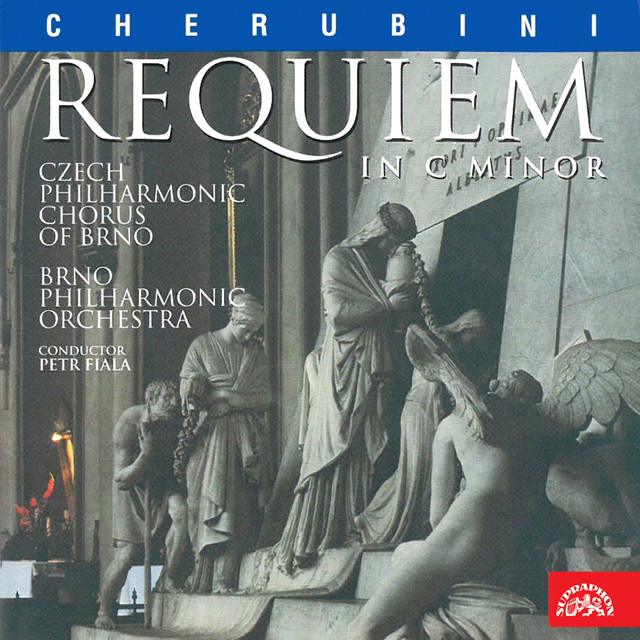
Petr Fiala
Victor Popov
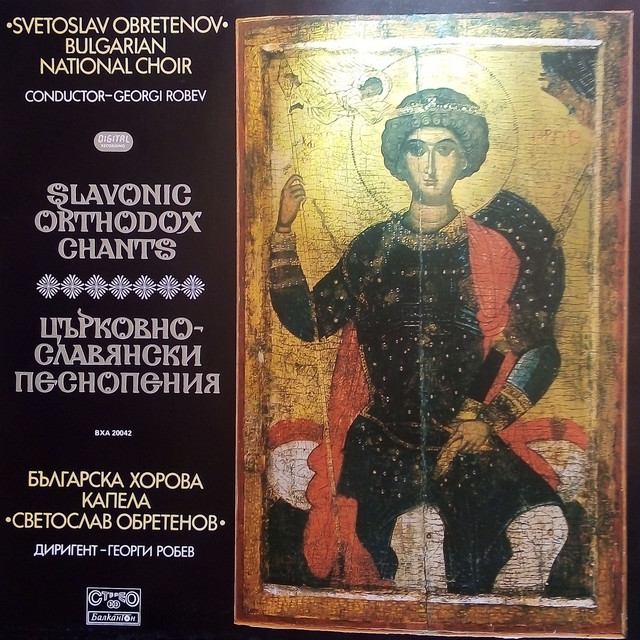

Dobri Hristov
Lorenzo Perosi
Paweł Łukaszewski
St. Peter St. Paul Cathedral Choir of Minsk

Slavisch Byzantijns Koor Zwolle


Saint Petersbourg Vocal Ensemble
Hilarion Alfeyev
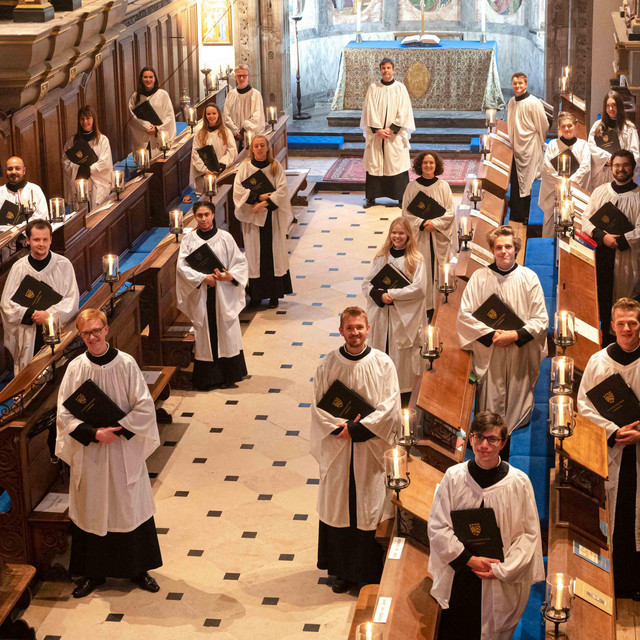
Choir of Gonville & Caius College, Cambridge
Camerata Silesia
Johann Stadlmayr
Alexander Arkhangelsky

Orazio Benevoli
Jānis Kurševs
Jacobus Gallus