Data may be outdated
Last updated: 7 months ago — Click refresh to get the latest statistics.
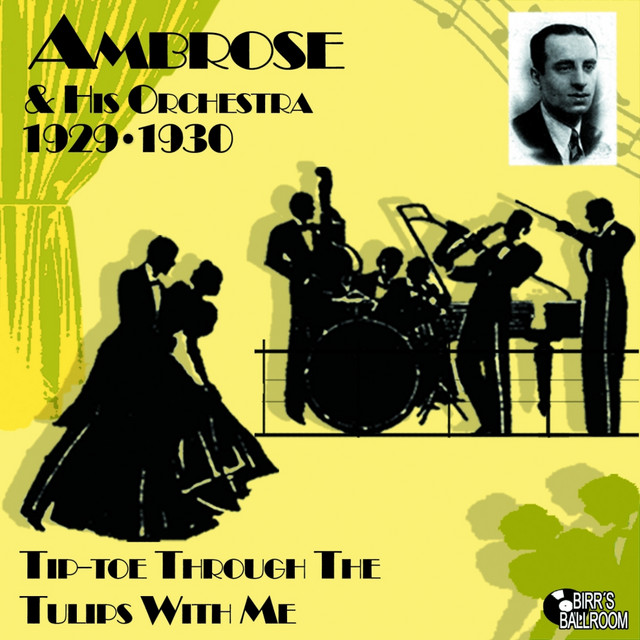
Destined to become the leader of what was perhaps the most highly acclaimed of all English dance bands during the 1930s, <a href="spotify:artist:2EcamGZpmbBz5SqPiy2ZEQ">Bert Ambrose</a> was born in London but crossed the Atlantic as a lad with his auntie to settle for a few years on U.S. soil. His very first professional engagement was as violinist for Emil Coleman at Reisenweber's restaurant in New York. He then worked in a big band at the Palais Royal. By 1917 he was directing musical entertainments at New York's Club de Vingt, and remained there through 1920. Although he led a band at Clover Gardens in 1924, <a href="spotify:artist:2EcamGZpmbBz5SqPiy2ZEQ">Ambrose</a> maintained a steady professional presence in London during the 1920s, periodically leading bands at the Embassy Club from 1920-1926 and in the Mayfair Hotel from 1927-1933.
Having waxed a handful of phonograph recordings for Columbia in April of 1923, <a href="spotify:artist:2EcamGZpmbBz5SqPiy2ZEQ">Ambrose</a> began to attract attention a bit later on with titles like "Take Your Finger Out of Your Mouth," recorded for the English Brunswick label in 1927, and "Singapore Sorrows," recorded in April of 1928 for His Master's Voice. From that point onward, the act was almost invariably billed as Bert Ambrose & His Orchestra. They were well received at the London Palladium and began to broadcast live over the BBC from the Mayfair Hotel in 1928, whereupon <a href="spotify:artist:2EcamGZpmbBz5SqPiy2ZEQ">Ambrose</a> quickly found himself in a position of resounding nationwide popularity. In addition to English players like <a href="spotify:artist:4v8G8fM1P0Nrn9nZZW0ziT">Ted Heath</a> and Dennis Ratcliffe, the band was regularly fortified with American talent (vocalist Sam Browne, reedman <a href="spotify:artist:79ogoGlrKKkmtG0yZGm90h">Danny Polo</a>, and trumpeter Sylvester Ahola). Its recording repertoire became stronger after <a href="spotify:artist:2EcamGZpmbBz5SqPiy2ZEQ">Ambrose</a> signed with Decca during the early summer of 1928.
As if embodying the sensibilities of an entire epoch, "Hittin' the Ceiling," "Makin' Whoopee," and "Singing in the Rain" materialized at the session of September 12, 1929. Highlights from 1930 included material in common with <a href="spotify:artist:0BMlIte9CqjItQ6mh2GoGi">James P. Johnson</a> ("Cryin' for the Carolines") and <a href="spotify:artist:2VvFniWMdvtZ9vCoKxZ6rC">Fess Williams</a> ("'Leven Thirty Saturday Night"). In 1931, "When Day Is Done" became the band's theme song. <a href="spotify:artist:2EcamGZpmbBz5SqPiy2ZEQ">Ambrose</a> made his most memorable recordings during the mid-'30s while presiding at the Embassy Club, beginning in November 1934 with "The Continental," then riding into 1935 with "Hors d'Oeuvres" and the excellent "Embassy Stomp." Authentic jazz material continued to surface between bursts of sweetness or novelty vocals, "Streamline Strut," "Copenhagen," and "Ambrose's Tiger Rag" serving as counterweights for entities like "Everything Is Hunky Dooly" and "My Hat's on the Side of My Head." On "Wood and Ivory," recorded in 1936, percussionist Jack Simpson was featured on timpani and xylophone. This appears to have become part of the signature sound of the <a href="spotify:artist:2EcamGZpmbBz5SqPiy2ZEQ">Ambrose</a> ensemble, for Simpson continued to knock wood with the band well into 1939.
Beginning in 1938, <a href="spotify:artist:2EcamGZpmbBz5SqPiy2ZEQ">Ambrose</a> led a notable octet in addition to the full-sized ensemble. He clearly paid close attention to what America's best jazz orchestras were playing and consistently made efforts to arm his band with solid material gleaned from their repertoires. Two glowing examples are from the <a href="spotify:artist:4F7Q5NV6h5TSwCainz8S5A">Duke Ellington</a> book; "Caravan" was recorded by the <a href="spotify:artist:2EcamGZpmbBz5SqPiy2ZEQ">Ambrose</a> band in July of 1937 and "Mood Indigo" in October of 1940. By this time, failing health made it necessary for him to partially withdraw from professional work. There were tours with the octet beginning in 1941 and he was still leading bands up until 1956, whereupon he made the decision to serve as a manager rather than acting as a leader. The most lucrative act he represented was pop singer <a href="spotify:artist:1kVx0f62SrfKxKIzXJtTUf">Kathy Kirby</a>. <a href="spotify:artist:2EcamGZpmbBz5SqPiy2ZEQ">Bert Ambrose</a> passed away in Leeds, England, on the 11th of June 1971. His band's best recordings are still prized for their fine arrangements, skilled soloists, and impeccable section work. ~ arwulf arwulf, Rovi
Having waxed a handful of phonograph recordings for Columbia in April of 1923, <a href="spotify:artist:2EcamGZpmbBz5SqPiy2ZEQ">Ambrose</a> began to attract attention a bit later on with titles like "Take Your Finger Out of Your Mouth," recorded for the English Brunswick label in 1927, and "Singapore Sorrows," recorded in April of 1928 for His Master's Voice. From that point onward, the act was almost invariably billed as Bert Ambrose & His Orchestra. They were well received at the London Palladium and began to broadcast live over the BBC from the Mayfair Hotel in 1928, whereupon <a href="spotify:artist:2EcamGZpmbBz5SqPiy2ZEQ">Ambrose</a> quickly found himself in a position of resounding nationwide popularity. In addition to English players like <a href="spotify:artist:4v8G8fM1P0Nrn9nZZW0ziT">Ted Heath</a> and Dennis Ratcliffe, the band was regularly fortified with American talent (vocalist Sam Browne, reedman <a href="spotify:artist:79ogoGlrKKkmtG0yZGm90h">Danny Polo</a>, and trumpeter Sylvester Ahola). Its recording repertoire became stronger after <a href="spotify:artist:2EcamGZpmbBz5SqPiy2ZEQ">Ambrose</a> signed with Decca during the early summer of 1928.
As if embodying the sensibilities of an entire epoch, "Hittin' the Ceiling," "Makin' Whoopee," and "Singing in the Rain" materialized at the session of September 12, 1929. Highlights from 1930 included material in common with <a href="spotify:artist:0BMlIte9CqjItQ6mh2GoGi">James P. Johnson</a> ("Cryin' for the Carolines") and <a href="spotify:artist:2VvFniWMdvtZ9vCoKxZ6rC">Fess Williams</a> ("'Leven Thirty Saturday Night"). In 1931, "When Day Is Done" became the band's theme song. <a href="spotify:artist:2EcamGZpmbBz5SqPiy2ZEQ">Ambrose</a> made his most memorable recordings during the mid-'30s while presiding at the Embassy Club, beginning in November 1934 with "The Continental," then riding into 1935 with "Hors d'Oeuvres" and the excellent "Embassy Stomp." Authentic jazz material continued to surface between bursts of sweetness or novelty vocals, "Streamline Strut," "Copenhagen," and "Ambrose's Tiger Rag" serving as counterweights for entities like "Everything Is Hunky Dooly" and "My Hat's on the Side of My Head." On "Wood and Ivory," recorded in 1936, percussionist Jack Simpson was featured on timpani and xylophone. This appears to have become part of the signature sound of the <a href="spotify:artist:2EcamGZpmbBz5SqPiy2ZEQ">Ambrose</a> ensemble, for Simpson continued to knock wood with the band well into 1939.
Beginning in 1938, <a href="spotify:artist:2EcamGZpmbBz5SqPiy2ZEQ">Ambrose</a> led a notable octet in addition to the full-sized ensemble. He clearly paid close attention to what America's best jazz orchestras were playing and consistently made efforts to arm his band with solid material gleaned from their repertoires. Two glowing examples are from the <a href="spotify:artist:4F7Q5NV6h5TSwCainz8S5A">Duke Ellington</a> book; "Caravan" was recorded by the <a href="spotify:artist:2EcamGZpmbBz5SqPiy2ZEQ">Ambrose</a> band in July of 1937 and "Mood Indigo" in October of 1940. By this time, failing health made it necessary for him to partially withdraw from professional work. There were tours with the octet beginning in 1941 and he was still leading bands up until 1956, whereupon he made the decision to serve as a manager rather than acting as a leader. The most lucrative act he represented was pop singer <a href="spotify:artist:1kVx0f62SrfKxKIzXJtTUf">Kathy Kirby</a>. <a href="spotify:artist:2EcamGZpmbBz5SqPiy2ZEQ">Bert Ambrose</a> passed away in Leeds, England, on the 11th of June 1971. His band's best recordings are still prized for their fine arrangements, skilled soloists, and impeccable section work. ~ arwulf arwulf, Rovi
Monthly Listeners
2,751
Monthly Listeners History
Track the evolution of monthly listeners over the last 28 days.
Followers
813
Followers History
Track the evolution of followers over the last 28 days.
Top Cities
100 listeners

98 listeners
80 listeners

62 listeners

50 listeners
Related Artists
Jack Buchanan

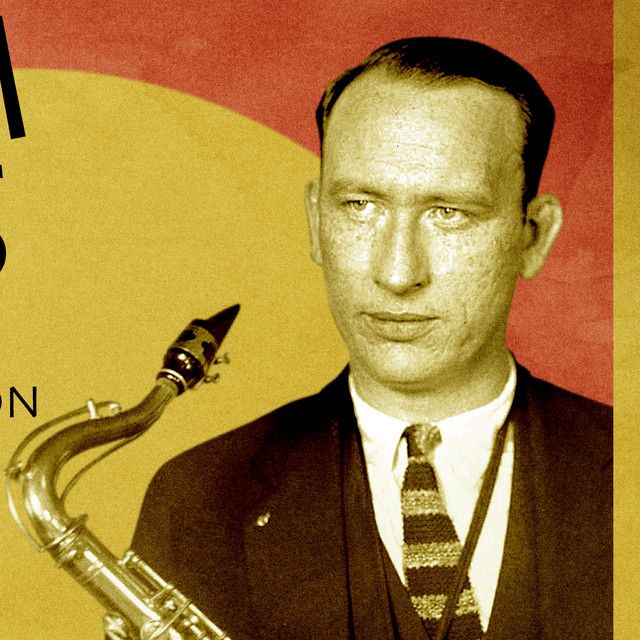

Ipana Troubadours
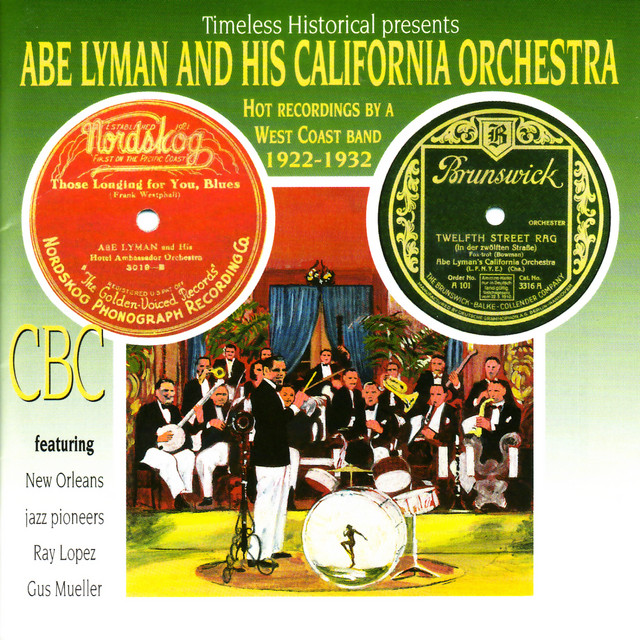
Abe Lyman
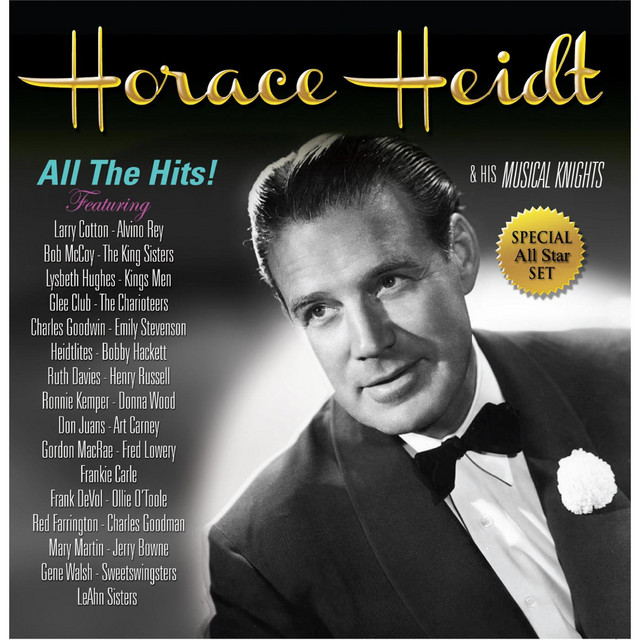

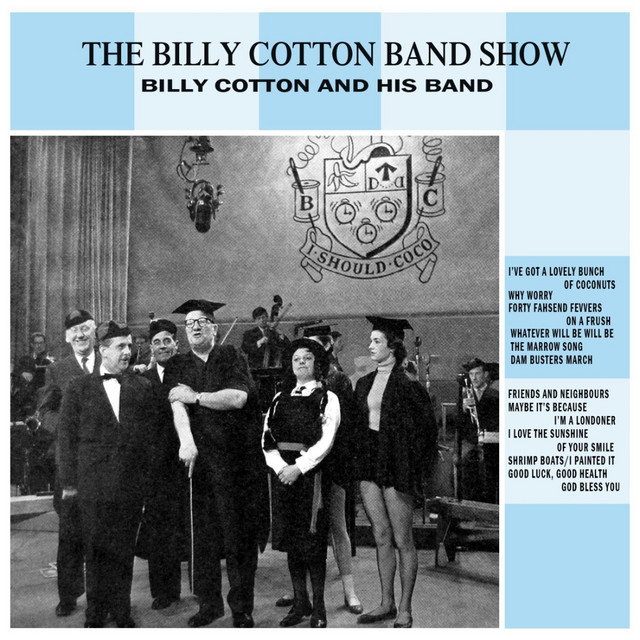
The Piccadilly Players


Ted Weems

Chester Leighton & His Sophomores
Jean Goldkette & His Orchestra

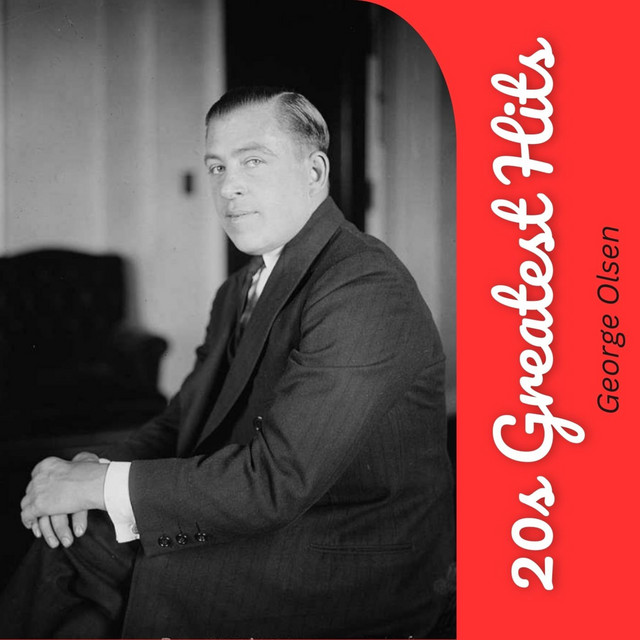
George Olsen
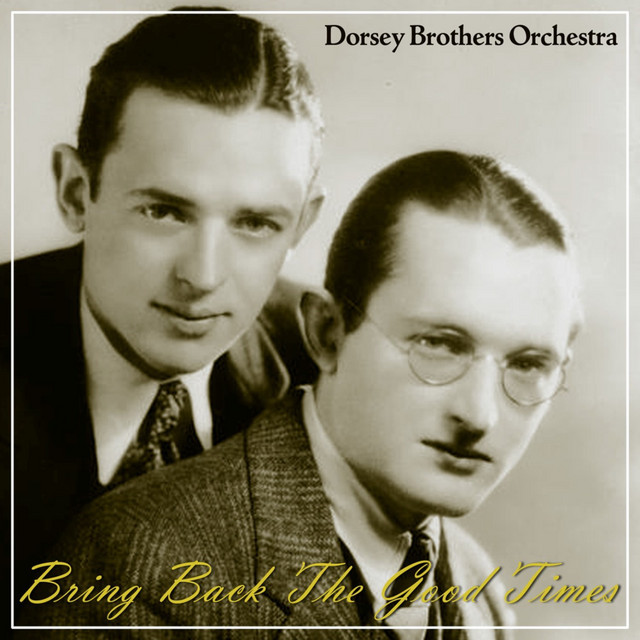
The Dorsey Brothers Orchestra
Henry Burr
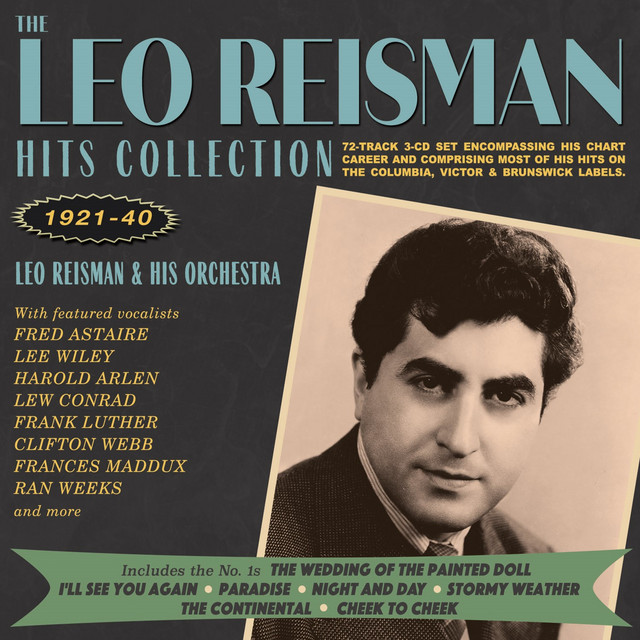

Roger Wolfe Kahn & His Orchestra
Sam Lanin & His Orchestra
Howard Lanin Orchestra

The Revelers