Data may be outdated
Last updated: 7 months ago — Click refresh to get the latest statistics.
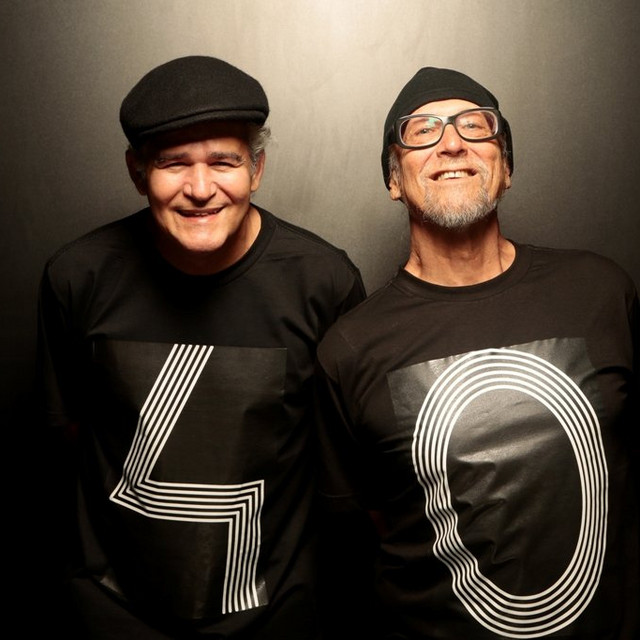
The Duofel was formed in 1977 by the instrumentalists/composers Fernando Melo and <a href="spotify:artist:1SGxk56lm8nlNxY8dBTsH7">Luiz Bueno</a>. Self-taught musicians, they became acquainted with each other in the city of São Paulo in that year, when they were playing in the prog rock band Boissucanga. Having formed the duo, they departed immediately for a trip through Pernambuco, Paraíba, and Alagoas, playing in fairs and on streets, and absorbing the folkloric and rhythmic material of Northeastern Brazil. Returning to São Paulo in 1978, they began to backup singers like Chico de Abreu and Tato Fischer, who introduced them to the singer <a href="spotify:artist:6cOiaEg6UzuxJPrMV4ceQM">Tetê Espíndola</a>, with whom the Duofel really started as a professional act. In 1985, the duo participated in the Festival dos Festivais, writing the arrangement and backing <a href="spotify:artist:6cOiaEg6UzuxJPrMV4ceQM">Espíndola</a> on the song "Escrito Nas Estrelas," which won the festival. Their partnership with <a href="spotify:artist:6cOiaEg6UzuxJPrMV4ceQM">Espíndola</a> lasted for seven years.
In 1987, the duo launched their first album, the independently released Duofel Disco Mix, in the same year in which they won the Festival of Instrumental Music of Avaré, São Paulo. In 1989, a series of shows with <a href="spotify:artist:6cOiaEg6UzuxJPrMV4ceQM">Espíndola</a> and <a href="spotify:artist:2xTGZfzr4yV7qrPZFeGilO">Arrigo Barnabé</a> in Belgium (Brussels Jazz Festival) and France yielded an invitation by the producer Rainer Skibb for the recording of the album, As Cores do Brasil, released in Europe in the next year. In 1993, touring Europe again, they met <a href="spotify:artist:2WFZ8Nkgao0Wf9LNztudDW">Sebastião Tapajós</a>, with whom they performed in the Brazilian Guitar Night in Germany, Austria, Belgium, and Liechtenstein. Upon their return to Brazil, the duo recorded their third album, Duofel, that received five nominations for the Sharp Prize and actually won the Sharp Prize for the best instrumental song, "Do Outro lado do Oceano." Also in 1993, they opened for <a href="spotify:artist:5COT5dVPZHSd0ZFyCQCm7s">Hermeto Pascoal</a>. <a href="spotify:artist:5COT5dVPZHSd0ZFyCQCm7s">Pascoal</a> liked their sound so much that he invited the duo to play with him until the end of the tour. In 1994, the live album Espelho das Águas/Ao Vivo marked their collaboration with the Indian percussionist <a href="spotify:artist:0lxIXWTQtZr2jP4oXJqaJX">Badal Roy</a> (who had worked with <a href="spotify:artist:0kbYTNQb4Pb1rPbbaF0pT4">Miles Davis</a> and <a href="spotify:artist:47odibUtrN3lnWx0p0pk2P">Ornette Coleman</a>), who became genuinely interested in the compositions by the duo. The CD Kids of Brazil (1996) had <a href="spotify:artist:5COT5dVPZHSd0ZFyCQCm7s">Hermeto Pascoal</a> as arranger, who won the Prêmio Sharp as best arranger with that work. The complex arrangements by <a href="spotify:artist:5COT5dVPZHSd0ZFyCQCm7s">Pascoal</a> forced the duo to research new and unusual tunings, for <a href="spotify:artist:5COT5dVPZHSd0ZFyCQCm7s">Pascoal</a> wrote notes that didn't exist in standard tunings. The duo followed by performing in Brazil and abroad (at the Summerstage, in New York, NY, and at the Jazz à Vienne in Lyon, France). ~ Alvaro Neder, Rovi
In 1987, the duo launched their first album, the independently released Duofel Disco Mix, in the same year in which they won the Festival of Instrumental Music of Avaré, São Paulo. In 1989, a series of shows with <a href="spotify:artist:6cOiaEg6UzuxJPrMV4ceQM">Espíndola</a> and <a href="spotify:artist:2xTGZfzr4yV7qrPZFeGilO">Arrigo Barnabé</a> in Belgium (Brussels Jazz Festival) and France yielded an invitation by the producer Rainer Skibb for the recording of the album, As Cores do Brasil, released in Europe in the next year. In 1993, touring Europe again, they met <a href="spotify:artist:2WFZ8Nkgao0Wf9LNztudDW">Sebastião Tapajós</a>, with whom they performed in the Brazilian Guitar Night in Germany, Austria, Belgium, and Liechtenstein. Upon their return to Brazil, the duo recorded their third album, Duofel, that received five nominations for the Sharp Prize and actually won the Sharp Prize for the best instrumental song, "Do Outro lado do Oceano." Also in 1993, they opened for <a href="spotify:artist:5COT5dVPZHSd0ZFyCQCm7s">Hermeto Pascoal</a>. <a href="spotify:artist:5COT5dVPZHSd0ZFyCQCm7s">Pascoal</a> liked their sound so much that he invited the duo to play with him until the end of the tour. In 1994, the live album Espelho das Águas/Ao Vivo marked their collaboration with the Indian percussionist <a href="spotify:artist:0lxIXWTQtZr2jP4oXJqaJX">Badal Roy</a> (who had worked with <a href="spotify:artist:0kbYTNQb4Pb1rPbbaF0pT4">Miles Davis</a> and <a href="spotify:artist:47odibUtrN3lnWx0p0pk2P">Ornette Coleman</a>), who became genuinely interested in the compositions by the duo. The CD Kids of Brazil (1996) had <a href="spotify:artist:5COT5dVPZHSd0ZFyCQCm7s">Hermeto Pascoal</a> as arranger, who won the Prêmio Sharp as best arranger with that work. The complex arrangements by <a href="spotify:artist:5COT5dVPZHSd0ZFyCQCm7s">Pascoal</a> forced the duo to research new and unusual tunings, for <a href="spotify:artist:5COT5dVPZHSd0ZFyCQCm7s">Pascoal</a> wrote notes that didn't exist in standard tunings. The duo followed by performing in Brazil and abroad (at the Summerstage, in New York, NY, and at the Jazz à Vienne in Lyon, France). ~ Alvaro Neder, Rovi
Monthly Listeners
1,139
Monthly Listeners History
Track the evolution of monthly listeners over the last 28 days.
Followers
3,217
Followers History
Track the evolution of followers over the last 28 days.
Top Cities
216 listeners

68 listeners
59 listeners
33 listeners
27 listeners
Related Artists
Heraldo Do Monte
Ivan Vilela
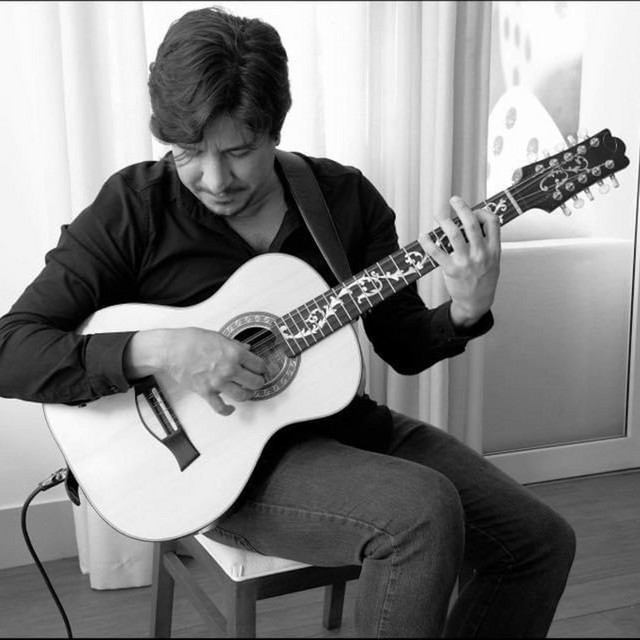


Quarteto Maogani
Marcello Gonçalves

Túlio Mourão
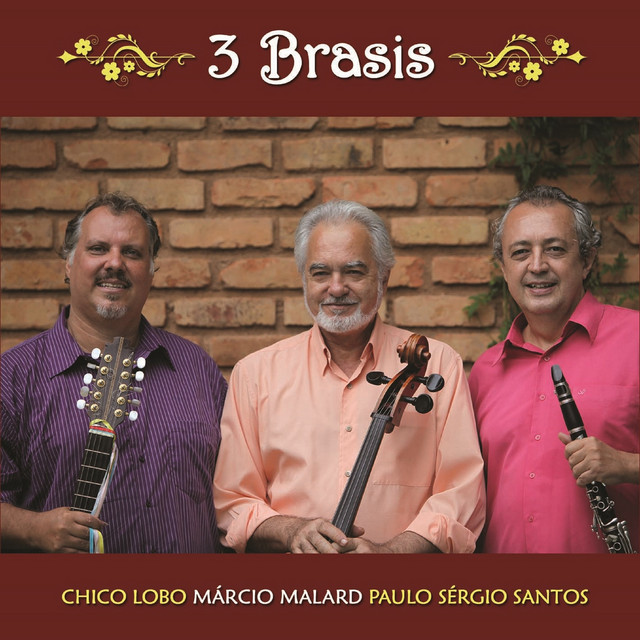
Paulo Sérgio Santos
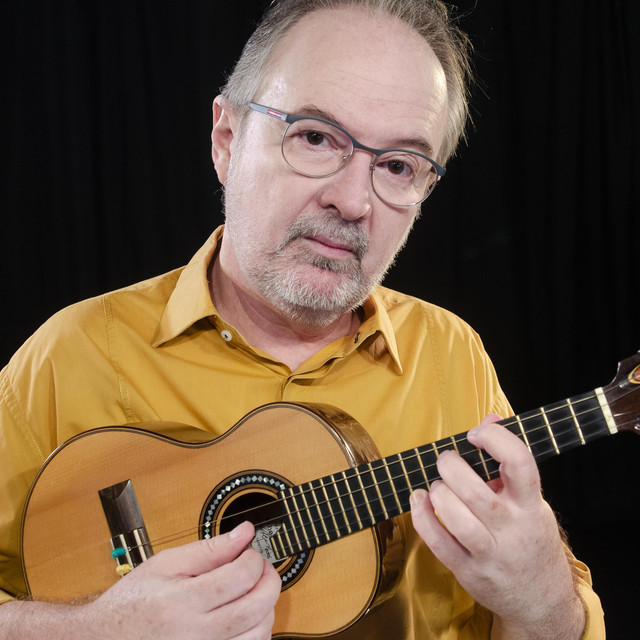
Henrique Cazes

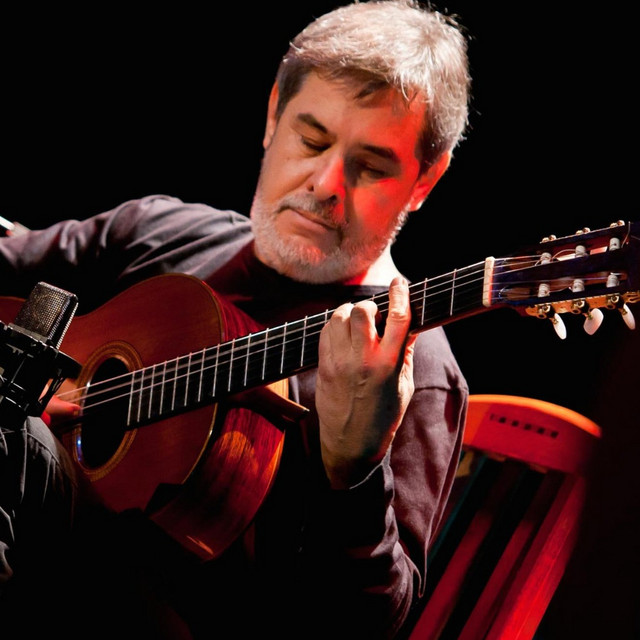

Alessandro Penezzi
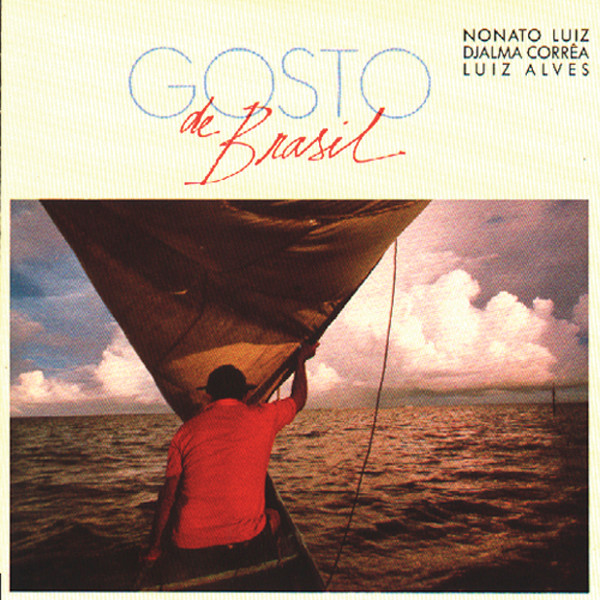
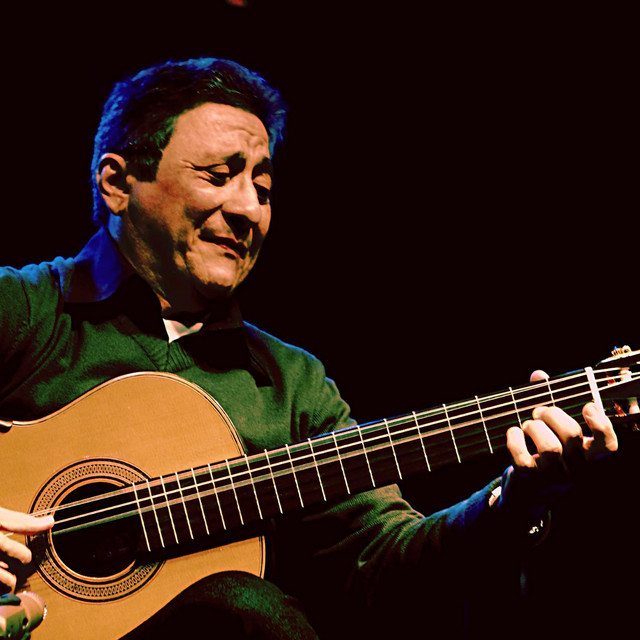
Nonato Luiz

Pau Brasil

Igor Pimenta


Beto Lopes

André Siqueira

Renato Anesi
Wilson Lopes
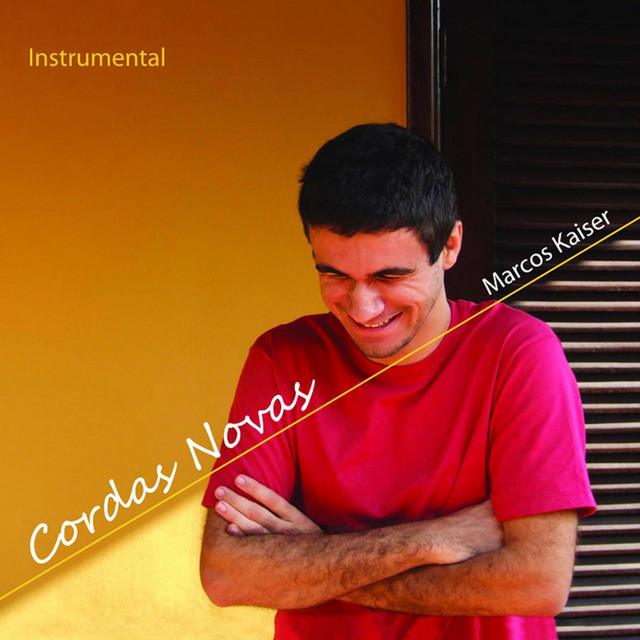
MARCOS KAISER
Michi Ruzitschka

João Ferreira

Tabajara Belo


Mateus Marques

Bruno Pimenta

Yamandu Costa & Guto Wirtti

André Geraissati
Pedro Vasconcellos