Genre
brazilian jazz
Top Brazilian jazz Artists
Showing 25 of 1,647 artists








About Brazilian jazz
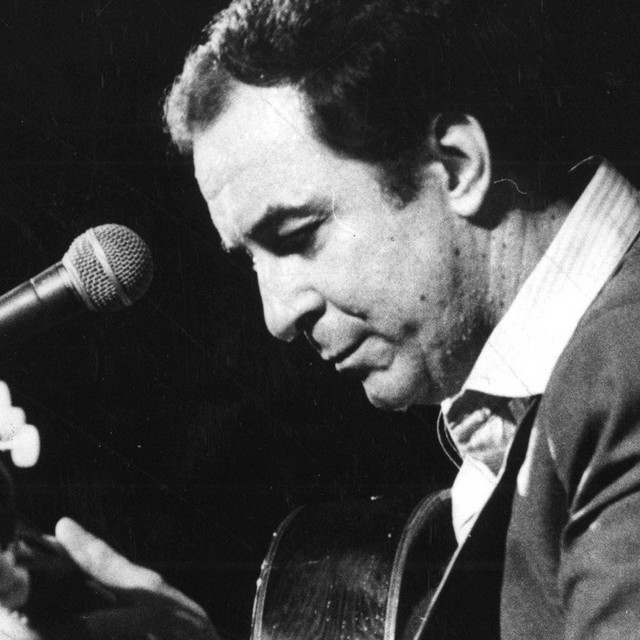
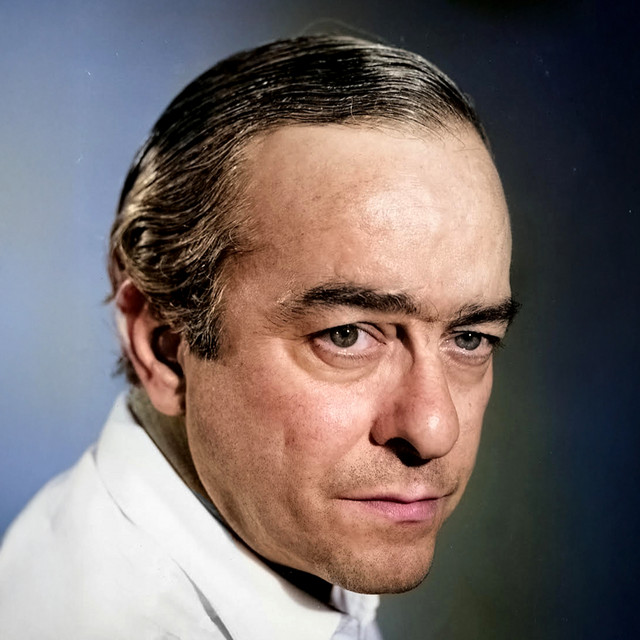
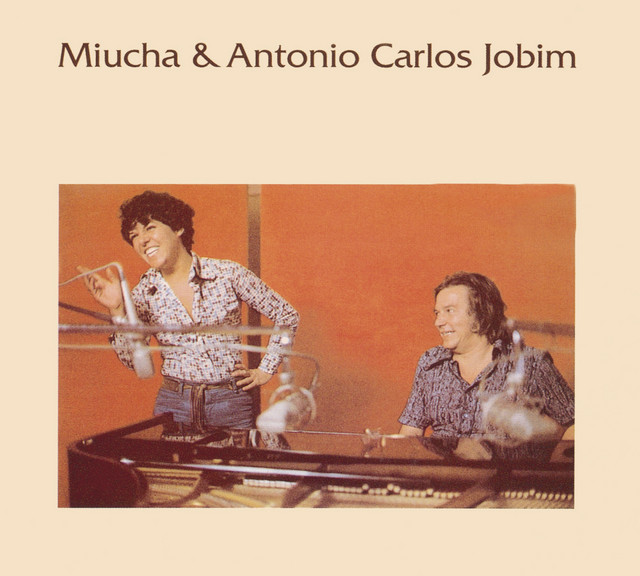
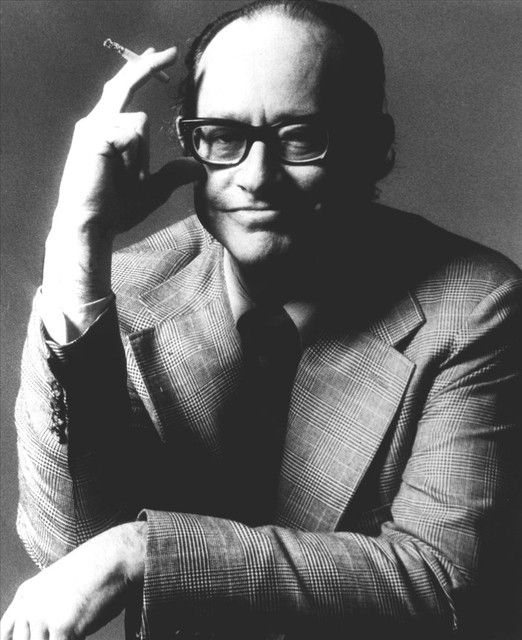
Brazilian jazz is a supple umbrella term for music that blends jazz improvisation with the rhythmic vitality and melodic richness of Brazil. It draws on samba and choro, as well as regional styles like baião and frevo, reimagined through jazz harmony, counterpoint, and swing. The most cited birthplace is Rio de Janeiro in the late 1950s, where the intimate, lace-worked guitar of João Gilberto and the sophisticated piano of Antônio Carlos Jobim helped birth a gentler, more intimate approach to jazz—bossa nova. Lyrics by Vinícius de Moraes and a cool, nocturnal mood gave the movement its emblematic aura.
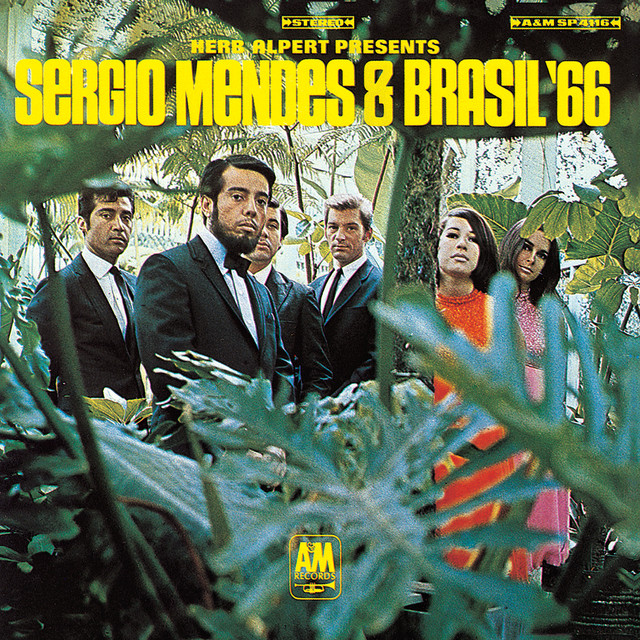
Key artists and ambassadors extend well beyond the original trio. Antônio Carlos Jobim (Tom Jobim) is a central figure: composer of The Girl from Ipanema, Desafinado, Corcovado, and a praxis of harmonic sophistication that became a touchstone for jazz players. João Gilberto defined the guitar voice and the syncopated, understated rhythm that became a blueprint for many improvisers. Vinícius de Moraes provided the lyric poetry that infused many tunes with a romantic, urban sensibility. Stan Getz, the American saxophonist, allied with Gilberto and Jobim on the 1964 album Getz/Gilberto, driving international attention and winning multiple Grammys; that collaboration is often cited as the turning point for Brazilian jazz. In later decades, artists like Milton Nascimento, Hermeto Pascoal, Egberto Gismonti, Airto Moreira and Flora Purim, and Sérgio Mendes expanded the vocabulary—melding Brazilian rhythms with jazz improvisation, funk, and pop textures. More contemporary figures include pianist/composer César Camargo Mariano, guitarist Yamandu Costa, and multi-instrumentalists such as Hermeto, showing the genre’s ongoing vitality.
Musically, Brazilian jazz favors a synthesis of groove-rich percussion, flowing melodic lines, and harmonic adventurousness. Expect guitar, piano, vibraphone, bass, drums, and a bounty of percussion—pandeiro, cuíca, surdo—woven with improvisation. The result can be airy and intimate, as in bossa nova ballads, or spirited and exuberant in samba-jazz hybrids that push a swing feel into Brazilian grooves. Chord progressions often explore extended harmonies and modal pathways, while rhythmic phrasing slides between insistently syncopated samba cadences and freer, jazz-driven improvisation. Within this spectrum, rhythms like samba, baião, and maracatu surface as driving motifs, yet the improvisational lead frequently travels through odd-meter explorations or Latin-flavored modal clashes. The tempo can be intimate and hushed, as in late-night ballads, or brisk and assertive in the swing-inflected fusions that emerged in the 60s and beyond. Instrumentally, ensembles range from small combos to larger groups; vibraphone and piano are common, guitar figures prominently, and bass and drums provide a flexible pulse that can swing or stroll.
In terms of reach, Brazilian jazz remains deeply rooted in Brazil—especially Rio and São Paulo—but its appeal is global. The United States and Europe have long embraced it, aided by the Getz-Gilberto breakthrough, while Japan has one of the most devoted followings for Brazilian jazz culture. In many markets, Brazilian jazz now sits alongside contemporary fusion and world-jazz explorations, inviting listeners to follow a conversation between samba’s heartbeat and jazz’s improvisational imagination. For enthusiasts, the genre offers a living bridge between Brazilian storytelling and improvisational listening, a doorway into a vast, evolving conversation.
Key artists and ambassadors extend well beyond the original trio. Antônio Carlos Jobim (Tom Jobim) is a central figure: composer of The Girl from Ipanema, Desafinado, Corcovado, and a praxis of harmonic sophistication that became a touchstone for jazz players. João Gilberto defined the guitar voice and the syncopated, understated rhythm that became a blueprint for many improvisers. Vinícius de Moraes provided the lyric poetry that infused many tunes with a romantic, urban sensibility. Stan Getz, the American saxophonist, allied with Gilberto and Jobim on the 1964 album Getz/Gilberto, driving international attention and winning multiple Grammys; that collaboration is often cited as the turning point for Brazilian jazz. In later decades, artists like Milton Nascimento, Hermeto Pascoal, Egberto Gismonti, Airto Moreira and Flora Purim, and Sérgio Mendes expanded the vocabulary—melding Brazilian rhythms with jazz improvisation, funk, and pop textures. More contemporary figures include pianist/composer César Camargo Mariano, guitarist Yamandu Costa, and multi-instrumentalists such as Hermeto, showing the genre’s ongoing vitality.
Musically, Brazilian jazz favors a synthesis of groove-rich percussion, flowing melodic lines, and harmonic adventurousness. Expect guitar, piano, vibraphone, bass, drums, and a bounty of percussion—pandeiro, cuíca, surdo—woven with improvisation. The result can be airy and intimate, as in bossa nova ballads, or spirited and exuberant in samba-jazz hybrids that push a swing feel into Brazilian grooves. Chord progressions often explore extended harmonies and modal pathways, while rhythmic phrasing slides between insistently syncopated samba cadences and freer, jazz-driven improvisation. Within this spectrum, rhythms like samba, baião, and maracatu surface as driving motifs, yet the improvisational lead frequently travels through odd-meter explorations or Latin-flavored modal clashes. The tempo can be intimate and hushed, as in late-night ballads, or brisk and assertive in the swing-inflected fusions that emerged in the 60s and beyond. Instrumentally, ensembles range from small combos to larger groups; vibraphone and piano are common, guitar figures prominently, and bass and drums provide a flexible pulse that can swing or stroll.
In terms of reach, Brazilian jazz remains deeply rooted in Brazil—especially Rio and São Paulo—but its appeal is global. The United States and Europe have long embraced it, aided by the Getz-Gilberto breakthrough, while Japan has one of the most devoted followings for Brazilian jazz culture. In many markets, Brazilian jazz now sits alongside contemporary fusion and world-jazz explorations, inviting listeners to follow a conversation between samba’s heartbeat and jazz’s improvisational imagination. For enthusiasts, the genre offers a living bridge between Brazilian storytelling and improvisational listening, a doorway into a vast, evolving conversation.