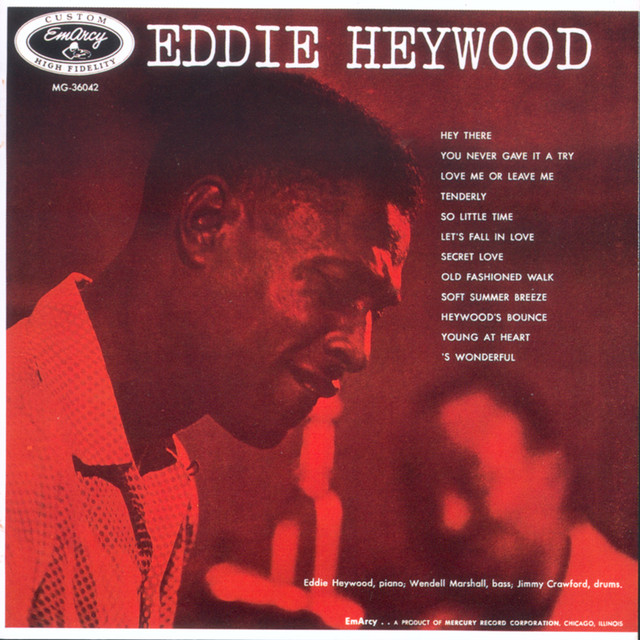
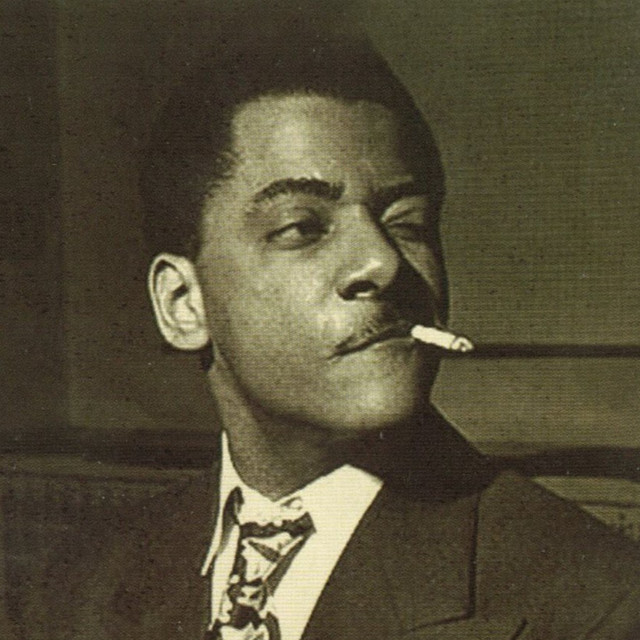
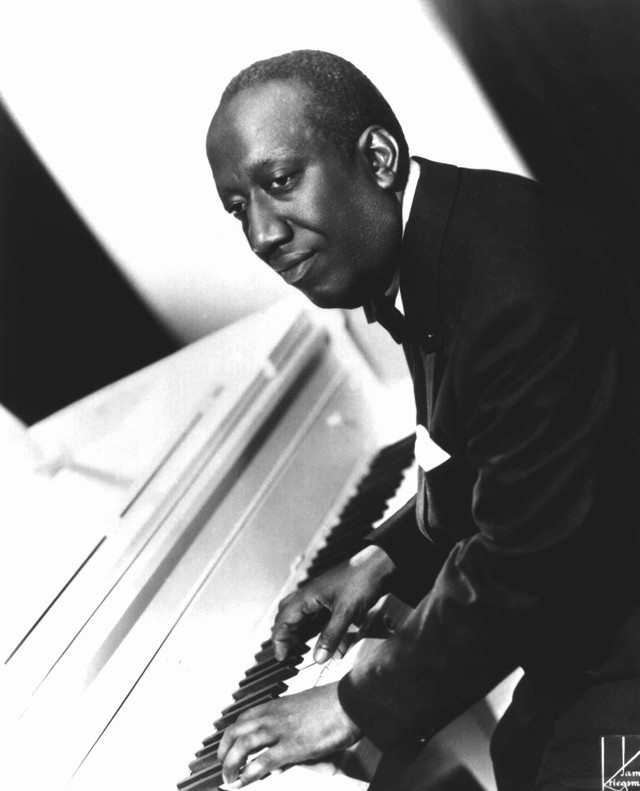
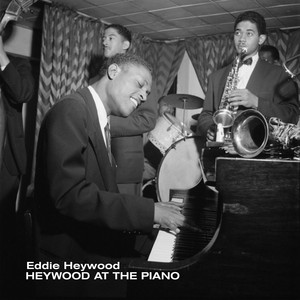
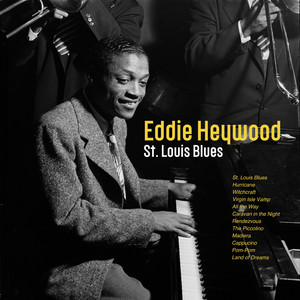
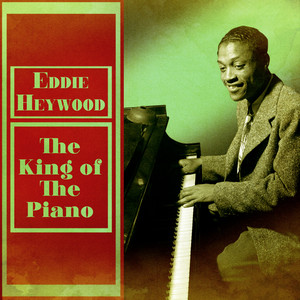
The Eddie Heywood Sextet was very popular in the mid-'40s, playing melodic and tightly arranged versions of swing standards. Heywood's father, Eddie Heywood, Sr., was a strong jazz pianist of the 1920s who often accompanied <a href="spotify:artist:7x8h8nMdamj4hpSrAuwN9I">Butterbeans and Susie</a>. He taught piano to his son, who played professionally when he was 14. Heywood Jr. performed with bands led by Wayman Carver (1932), Clarence Love (1934-1937), and, after moving to New York, <a href="spotify:artist:5dlCVmfRbWVGOJYHzGyk32">Benny Carter</a> (1939-1940). Heywood led his own group from that period on, backing <a href="spotify:artist:1YzCsTRb22dQkh9lghPIrp">Billie Holiday</a> on a few occasions starting in 1941. In 1943, Eddie Heywood took several classic solos on a <a href="spotify:artist:0JM134st8VY7Ld9T2wQiH0">Coleman Hawkins</a> quartet date (most notably "The Man I Love") and put together his first sextet, which also included <a href="spotify:artist:5IncNYeCNPQoNYU6gR1wpR">Doc Cheatham</a> and <a href="spotify:artist:3r3wpxv745YZLTjE6aqwIw">Vic Dickenson</a>. Their 1944 version of "Begin the Beguine" became a hit, and three years of strong success followed. During 1947-1950, Heywood was stricken with a partial paralysis of his hands and could not play at all. He made a gradual comeback in the 1950s, mostly performing watered-down commercial music in addition to composing the standard "Canadian Sunset." Despite a second attack of paralysis in the late '60s, Eddie Heywood continued performing into the 1980s. ~ Scott Yanow, Rovi