Data may be outdated
Last updated: 9 months ago — Click refresh to get the latest statistics.
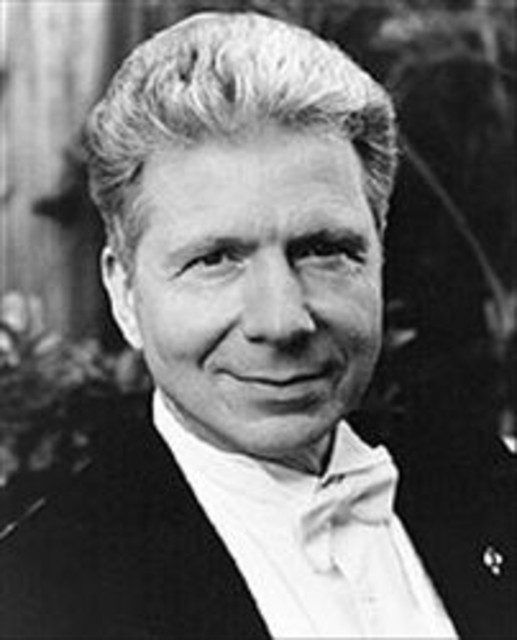
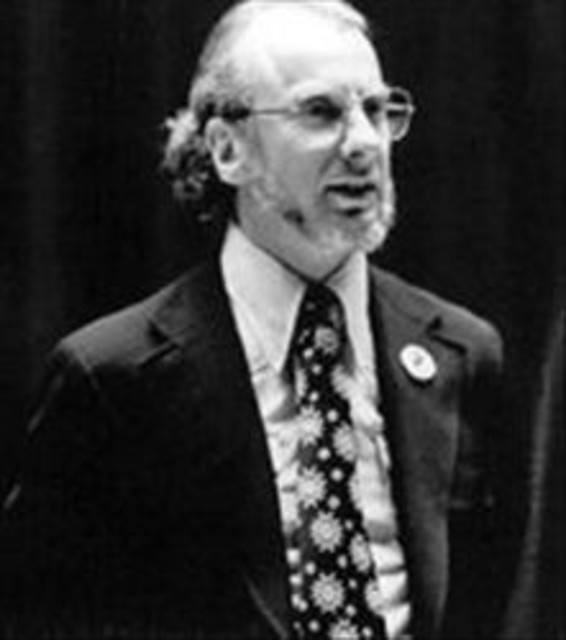
Among the most versatile musicians of modern times, keyboardist Dick Hyman performed in styles ranging from classic jazz to stride to pre-bop swing and beyond, even releasing several albums of electronic keyboard music. He once recorded an album, Themes and Variations on "A Child Is Born," on which he rendered that tune in 11 different styles. Hyman began his career as a sideman in major swing bands, and for the latter part of his career, he returned to that style and to stride piano, which he recorded prolifically. Hyman was also a composer and became well known in that capacity as the creator of soundtracks for many films by actor-director <a href="spotify:artist:7HPDGnxb8oSBQ0HuNx2xqR">Woody Allen</a>. Hyman remained active into great old age, recording the album Counterpoint in 2019 with clarinetist <a href="spotify:artist:6RMpBHKpst3s0GQju2rNyz">Ken Peplowski</a>.
Hyman was born on March 8, 1927, in New York. His mother's brother was the classical pianist Anton Rovinsky, and his first lessons were in the classical field. He also became interested in jazz through an older brother who had a jazz record collection. Hyman enlisted in the U.S. Army during World War II, but when his musical talent became clear, he was transferred to the Navy band department. He has credited his time there for rigorous training with players who were superior to himself. After the war, Hyman attended Columbia University, where he won a contest that brought a dozen lessons with pianist <a href="spotify:artist:0tg5uVI4VjzZOFzBryJZii">Teddy Wilson</a> as the prize. Setting on a career in jazz, Hyman began to record solo and trio material around 1950, issuing several solo albums and several with a trio, including the 1955 LP The Unforgettable Sound of the Dick Hyman Trio.
Hyman worked with xylophonist/vibraphonist <a href="spotify:artist:6TDBjaKrCj3BvbxhiUSbog">Red Norvo</a> (1949-1950) and clarinetist <a href="spotify:artist:1pBuKaLHJlIlqYxQQaflve">Benny Goodman</a> (1950) and then spent much of the '50s and '60s as a studio musician. He appeared on the one known sound film of <a href="spotify:artist:4Ww5mwS7BWYjoZTUIrMHfC">Charlie Parker</a> (Hot House from 1952); recorded honky tonk under pseudonyms; played organ and early synthesizers in addition to piano; was <a href="spotify:artist:2qh0WzH1j0QXhPrYriCNPU">Arthur Godfrey</a>'s music director (1959-1962); collaborated with writer <a href="spotify:artist:18JiHWhqvWBYpHQ44jMaSG">Leonard Feather</a> on some "History of Jazz" concerts (doubling on clarinet); and performed rock, pop, rhythm-and-blues, free jazz, and even country music (with vocalist <a href="spotify:artist:0io243tshqbvutIxj44rMy">Marvin Rainwater</a>); his credits include appearances on albums by <a href="spotify:artist:2lolQgalUvZDfp5vvVtTYV">Tony Bennett</a>, <a href="spotify:artist:5v8jlSmAQfrkTjAlpUfWtu">Perry Como</a>, <a href="spotify:artist:3DpdJvcq90sWYUx35Tcbea">Ivory Joe Hunter</a>, and many more. On the <a href="spotify:search:label%3A%22Command%22">Command</a> label, he released albums on which he played the Lowrey organ, including Electrodynamics, Fabulous, Keyboard Kaleidoscope, and The Man from O.R.G.A.N. He also recorded using the Moog synthesizer, including Moog: The Electric Eclectics of Dick Hyman and The Age of Electronicus. These electronic releases had some pop success.
For much of the later part of his career, Hyman was a prime force in the revival of classic jazz styles. In the '70s, Hyman played with the New York Jazz Repertory Company, formed the Perfect Jazz Repertory Quintet (1976), and started writing soundtracks for <a href="spotify:artist:7HPDGnxb8oSBQ0HuNx2xqR">Woody Allen</a> films, which often included classic jazz elements along with orchestral sounds. Hyman's scores include those for 11 <a href="spotify:artist:7HPDGnxb8oSBQ0HuNx2xqR">Allen</a> films and several by other directors, including Moonstruck (1987). He has written several dozen classical compositions, including solo piano works, chamber pieces, two piano concertos (one, "Concerto Electro," was for electric piano), and vocal and choral works. Hyman has recorded frequently during the past several decades (sometimes in duets with <a href="spotify:artist:2ZJWBoh0c53yW13f86HNuA">Ruby Braff</a>) for <a href="spotify:search:label%3A%22Concord%22">Concord</a>, <a href="spotify:search:label%3A%22Music+Masters%22">Music Masters</a>, and <a href="spotify:search:label%3A%22Reference%22">Reference</a>, among other labels, and ranks at the top of the classic jazz field. He has remained active into his nineties. In 2013, Hyman teamed with vocalist <a href="spotify:artist:4TkwOuJPLv2LKNMwvK995M">Heather Masse</a> for a set of standards on the <a href="spotify:search:label%3A%22Red+House%22">Red House</a> label called Lock My Heart. In 2019, he and <a href="spotify:artist:6RMpBHKpst3s0GQju2rNyz">Peplowski</a> issued Counterpoint, an album of music by <a href="spotify:artist:13MyebMy7X56P2P6GYtlYH">Lerner</a> & <a href="spotify:artist:6vSV6SDf1vteodhgV83AJ6">Loewe</a>, on the <a href="spotify:search:label%3A%22Arbors+Records%22">Arbors Records</a> label, which also issued the collection A Century of Jazz Piano. ~ TiVo Staff, Rovi
Hyman was born on March 8, 1927, in New York. His mother's brother was the classical pianist Anton Rovinsky, and his first lessons were in the classical field. He also became interested in jazz through an older brother who had a jazz record collection. Hyman enlisted in the U.S. Army during World War II, but when his musical talent became clear, he was transferred to the Navy band department. He has credited his time there for rigorous training with players who were superior to himself. After the war, Hyman attended Columbia University, where he won a contest that brought a dozen lessons with pianist <a href="spotify:artist:0tg5uVI4VjzZOFzBryJZii">Teddy Wilson</a> as the prize. Setting on a career in jazz, Hyman began to record solo and trio material around 1950, issuing several solo albums and several with a trio, including the 1955 LP The Unforgettable Sound of the Dick Hyman Trio.
Hyman worked with xylophonist/vibraphonist <a href="spotify:artist:6TDBjaKrCj3BvbxhiUSbog">Red Norvo</a> (1949-1950) and clarinetist <a href="spotify:artist:1pBuKaLHJlIlqYxQQaflve">Benny Goodman</a> (1950) and then spent much of the '50s and '60s as a studio musician. He appeared on the one known sound film of <a href="spotify:artist:4Ww5mwS7BWYjoZTUIrMHfC">Charlie Parker</a> (Hot House from 1952); recorded honky tonk under pseudonyms; played organ and early synthesizers in addition to piano; was <a href="spotify:artist:2qh0WzH1j0QXhPrYriCNPU">Arthur Godfrey</a>'s music director (1959-1962); collaborated with writer <a href="spotify:artist:18JiHWhqvWBYpHQ44jMaSG">Leonard Feather</a> on some "History of Jazz" concerts (doubling on clarinet); and performed rock, pop, rhythm-and-blues, free jazz, and even country music (with vocalist <a href="spotify:artist:0io243tshqbvutIxj44rMy">Marvin Rainwater</a>); his credits include appearances on albums by <a href="spotify:artist:2lolQgalUvZDfp5vvVtTYV">Tony Bennett</a>, <a href="spotify:artist:5v8jlSmAQfrkTjAlpUfWtu">Perry Como</a>, <a href="spotify:artist:3DpdJvcq90sWYUx35Tcbea">Ivory Joe Hunter</a>, and many more. On the <a href="spotify:search:label%3A%22Command%22">Command</a> label, he released albums on which he played the Lowrey organ, including Electrodynamics, Fabulous, Keyboard Kaleidoscope, and The Man from O.R.G.A.N. He also recorded using the Moog synthesizer, including Moog: The Electric Eclectics of Dick Hyman and The Age of Electronicus. These electronic releases had some pop success.
For much of the later part of his career, Hyman was a prime force in the revival of classic jazz styles. In the '70s, Hyman played with the New York Jazz Repertory Company, formed the Perfect Jazz Repertory Quintet (1976), and started writing soundtracks for <a href="spotify:artist:7HPDGnxb8oSBQ0HuNx2xqR">Woody Allen</a> films, which often included classic jazz elements along with orchestral sounds. Hyman's scores include those for 11 <a href="spotify:artist:7HPDGnxb8oSBQ0HuNx2xqR">Allen</a> films and several by other directors, including Moonstruck (1987). He has written several dozen classical compositions, including solo piano works, chamber pieces, two piano concertos (one, "Concerto Electro," was for electric piano), and vocal and choral works. Hyman has recorded frequently during the past several decades (sometimes in duets with <a href="spotify:artist:2ZJWBoh0c53yW13f86HNuA">Ruby Braff</a>) for <a href="spotify:search:label%3A%22Concord%22">Concord</a>, <a href="spotify:search:label%3A%22Music+Masters%22">Music Masters</a>, and <a href="spotify:search:label%3A%22Reference%22">Reference</a>, among other labels, and ranks at the top of the classic jazz field. He has remained active into his nineties. In 2013, Hyman teamed with vocalist <a href="spotify:artist:4TkwOuJPLv2LKNMwvK995M">Heather Masse</a> for a set of standards on the <a href="spotify:search:label%3A%22Red+House%22">Red House</a> label called Lock My Heart. In 2019, he and <a href="spotify:artist:6RMpBHKpst3s0GQju2rNyz">Peplowski</a> issued Counterpoint, an album of music by <a href="spotify:artist:13MyebMy7X56P2P6GYtlYH">Lerner</a> & <a href="spotify:artist:6vSV6SDf1vteodhgV83AJ6">Loewe</a>, on the <a href="spotify:search:label%3A%22Arbors+Records%22">Arbors Records</a> label, which also issued the collection A Century of Jazz Piano. ~ TiVo Staff, Rovi
Monthly Listeners
127,514
Monthly Listeners History
Track the evolution of monthly listeners over the last 28 days.
Followers
10,898
Followers History
Track the evolution of followers over the last 28 days.
Top Cities
1,888 listeners

1,580 listeners

1,554 listeners
1,516 listeners
1,145 listeners
Related Artists

Will Hudson
Living Strings

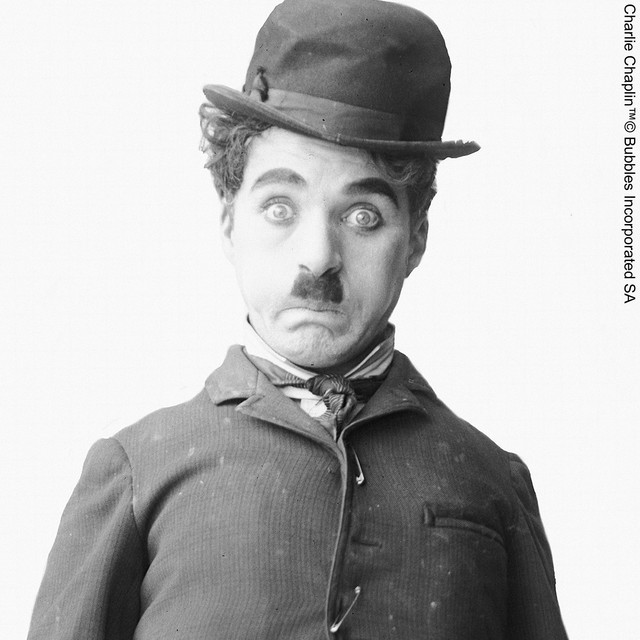

Ivor Novello