Data may be outdated
Last updated: 9 months ago — Click refresh to get the latest statistics.
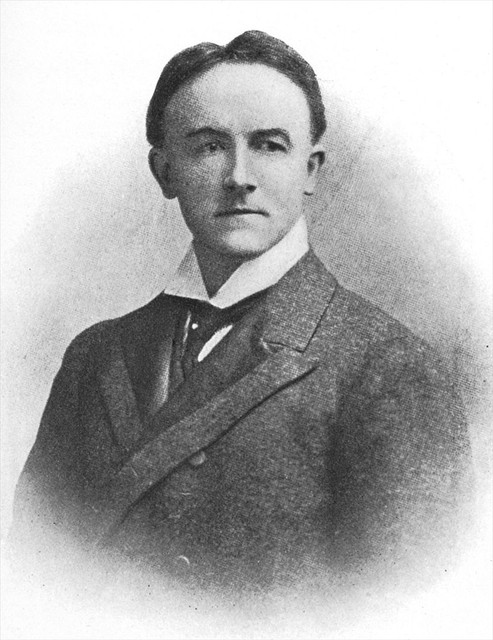
Sir Edward German was one of the most popular English composers of the first decade of the twentieth century, renowned particularly in the fields of comic opera, incidental theater music, and light classical works.
He was born Edward German Jones, the second of five children. German began learning the organ and piano at age five from his father, a church organist, and taught himself the violin. Overcoming his family's insistence that he pursue an engineering career, he entered the Royal Academy of Music at age eighteen. It was during his time at the Royal Academy that, in order to avoid confusion with another student named Edward Jones, he changed his name to J. E. German and later Edward German. He won medals both as a violinist and a composer, and showed a strong facility for writing programmatic music, as well as an operetta entitled The Two Poets. His output during the 1880s and 1890s included a good share of concert music, including a symphony, but he also played violin in theater orchestras. In 1888 became the conductor at the Globe Theater, where his music for a stage production of Richard III won over the public and critics alike. His overture to Richard III quickly took on a life of its own in the concert hall, which heralded the public acceptance of his symphony as well. The dances from a score he wrote for a production of Henry VIII also became extremely popular and established German's reputation for writing orchestral music utilizing traditional old English dance elements. German continued writing for the concert hall in the 1890s, but it was his theatrical work that attracted an ever wider following, culminating with his incidental music for English Nell, a play by Anthony Hope, the author best remembered for the novel The Prisoner of Zenda. After the death of <a href="spotify:artist:1jK7F6jheJ08CowHGDW6IN">Sir Arthur Sullivan</a> in 1900, German was commissioned to complete Sullivan's score for the operetta The Emerald Isle, which became a major hit. Soon after, he wrote his most enduring work, Merrie England, a lushly tuneful light opera. Steeped in English myth and German's deliberately archaic, old English style, Merrie England was a huge hit and seemed to establish German as the successor to Sullivan, but his follow-up work, A Princess of Kensington, wasn't nearly as well received. During a break from the theater, he wrote his one enduring concert work, the Welsh Rhapsody, and a series of settings for <a href="spotify:artist:5uNTrZ1JlKsnpTeFyKWPYO">Kipling</a>'s Just So Stories. He enjoyed one more great theatrical success, Tom Jones, which he brought to America (where he also conducted his Welsh Rhapsody with the New York Symphony Orchestra). After the failure of the operetta Fallen Faeries (co-authored with W.S. Gilbert), however, German abandoned his career as a composer, apart from pieces written for the 1911 coronation of King George V, one concert work, a set of dances, for the Royal Philharmonic Society in 1919, and one final orchestral piece, The Willow Song.
From 1911 onward, he busied himself primarily with preparing the published scores of his works, conducting concerts, walking and bicycling around the countryside, and following the cricket matches. His knighthood was awarded in 1928, and he received a medal from the Royal Philharmonic Society in 1934. German's closest peer as a composer was Sullivan, and much as the latter's concert works fell into neglect after his death, German's concert music (apart from the Welsh Rhapsody) has been forgotten, but his incidental music has its admirers. Merrie England is a staple of British amateur opera companies and was recorded by EMI in 1960.
He was born Edward German Jones, the second of five children. German began learning the organ and piano at age five from his father, a church organist, and taught himself the violin. Overcoming his family's insistence that he pursue an engineering career, he entered the Royal Academy of Music at age eighteen. It was during his time at the Royal Academy that, in order to avoid confusion with another student named Edward Jones, he changed his name to J. E. German and later Edward German. He won medals both as a violinist and a composer, and showed a strong facility for writing programmatic music, as well as an operetta entitled The Two Poets. His output during the 1880s and 1890s included a good share of concert music, including a symphony, but he also played violin in theater orchestras. In 1888 became the conductor at the Globe Theater, where his music for a stage production of Richard III won over the public and critics alike. His overture to Richard III quickly took on a life of its own in the concert hall, which heralded the public acceptance of his symphony as well. The dances from a score he wrote for a production of Henry VIII also became extremely popular and established German's reputation for writing orchestral music utilizing traditional old English dance elements. German continued writing for the concert hall in the 1890s, but it was his theatrical work that attracted an ever wider following, culminating with his incidental music for English Nell, a play by Anthony Hope, the author best remembered for the novel The Prisoner of Zenda. After the death of <a href="spotify:artist:1jK7F6jheJ08CowHGDW6IN">Sir Arthur Sullivan</a> in 1900, German was commissioned to complete Sullivan's score for the operetta The Emerald Isle, which became a major hit. Soon after, he wrote his most enduring work, Merrie England, a lushly tuneful light opera. Steeped in English myth and German's deliberately archaic, old English style, Merrie England was a huge hit and seemed to establish German as the successor to Sullivan, but his follow-up work, A Princess of Kensington, wasn't nearly as well received. During a break from the theater, he wrote his one enduring concert work, the Welsh Rhapsody, and a series of settings for <a href="spotify:artist:5uNTrZ1JlKsnpTeFyKWPYO">Kipling</a>'s Just So Stories. He enjoyed one more great theatrical success, Tom Jones, which he brought to America (where he also conducted his Welsh Rhapsody with the New York Symphony Orchestra). After the failure of the operetta Fallen Faeries (co-authored with W.S. Gilbert), however, German abandoned his career as a composer, apart from pieces written for the 1911 coronation of King George V, one concert work, a set of dances, for the Royal Philharmonic Society in 1919, and one final orchestral piece, The Willow Song.
From 1911 onward, he busied himself primarily with preparing the published scores of his works, conducting concerts, walking and bicycling around the countryside, and following the cricket matches. His knighthood was awarded in 1928, and he received a medal from the Royal Philharmonic Society in 1934. German's closest peer as a composer was Sullivan, and much as the latter's concert works fell into neglect after his death, German's concert music (apart from the Welsh Rhapsody) has been forgotten, but his incidental music has its admirers. Merrie England is a staple of British amateur opera companies and was recorded by EMI in 1960.
Monthly Listeners
2,653
Monthly Listeners History
Track the evolution of monthly listeners over the last 28 days.
Followers
423
Followers History
Track the evolution of followers over the last 28 days.
Top Cities
70 listeners

31 listeners

24 listeners

21 listeners

20 listeners
Related Artists

Moravian Philharmonic Orchestra
Granville Bantock

Alexander Walker

The Gerst Ensemble

Boris Tchaikovsky

Westphalian Symphony Orchestra
Aalborg Symphony Orchestra

USSR State Radio Symphony Orchestra

Roberta Carpenter
George Whitefield Chadwick

Bochumer Symphoniker
Pancho Vladigerov
Václav Talich

San Diego Chamber Orchestra

L. H. Thomas
Das Rundfunkorchester des Südwestfunks

Real Filharmonia de Galicia
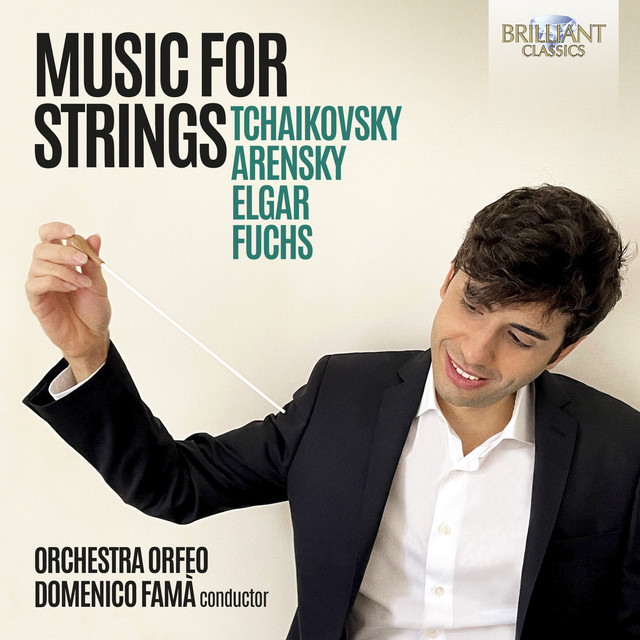
Domenico Famà
Cambridge Philharmonic Strings Quartet

Paul Graener
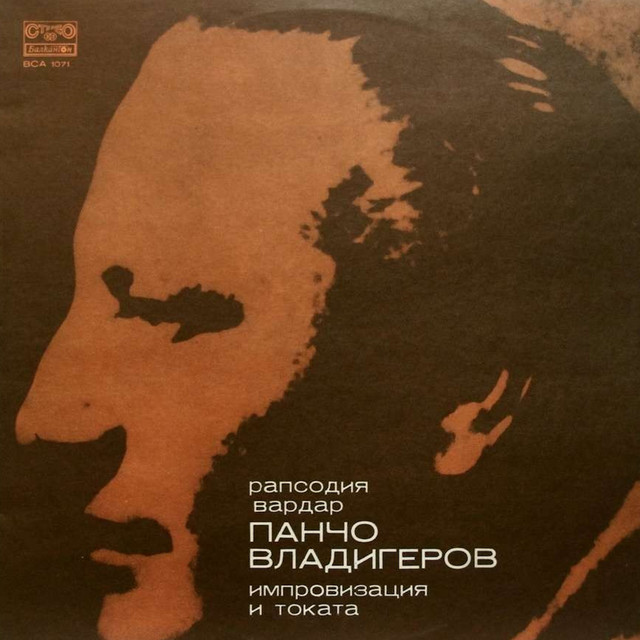
Alexander Vladigerov
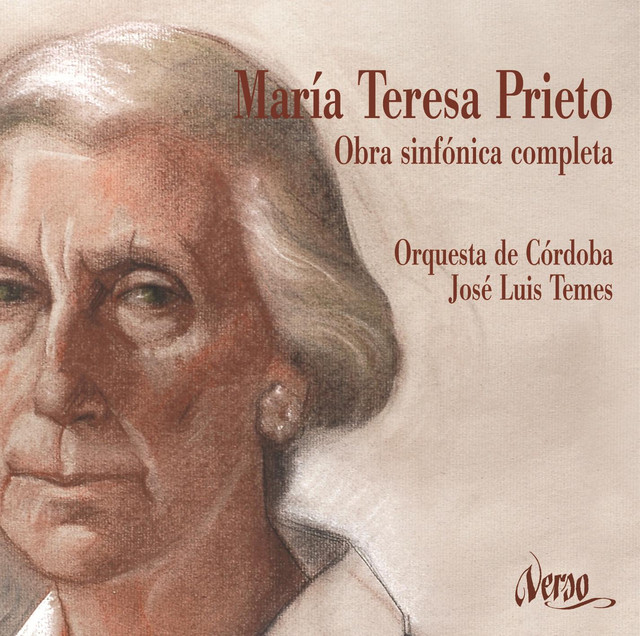
Jose Luis Temes
Desire-Emile Inghelbrecht

Charles Peebles

Edward German
Malaysian Philharmonic Orchestra



Joaquim Serra
Rome Symphony Orchestra

William Hurlstone
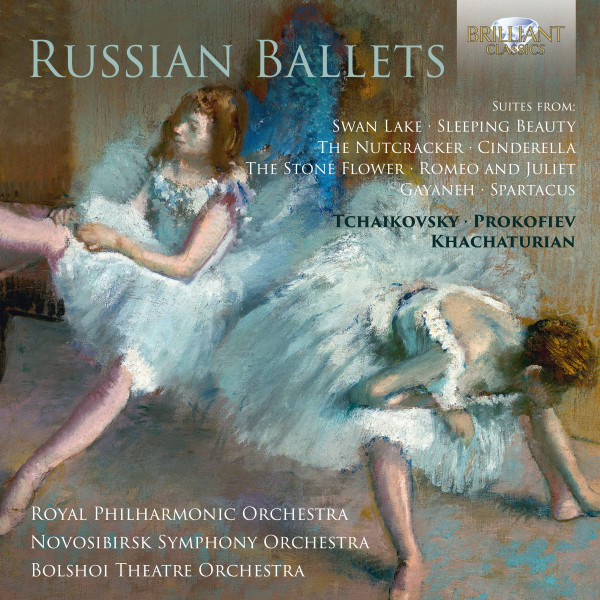
Novosibirsk Symphony Orchestra

Leopold Stokowski and his Symphony Orchestra