Data may be outdated
Last updated: 8 months ago — Click refresh to get the latest statistics.
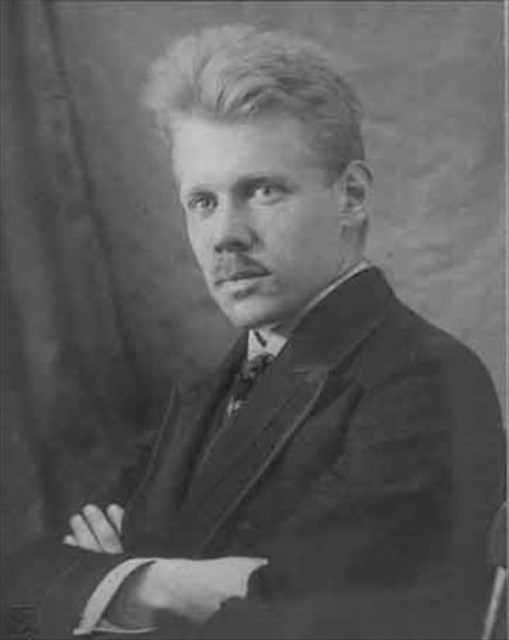
Edwin Fischer was a Swiss pianist, conductor, and educator during the first half of the 20th century. He was known for his expressive interpretations of the piano music of <a href="spotify:artist:5aIqB5nVVvmFsvSdExz408">J.S. Bach</a> and <a href="spotify:artist:4NJhFmfw43RLBLjQvxDuRS">Mozart</a>.
Fischer was born in 1886 in Basle, Switzerland, and he started playing the piano when he was four years old. Both of his parents were pianists and worked as musical instrument makers. In 1896 he enrolled at the Basle Conservatory and studied piano with <a href="spotify:artist:4aA1PTOcMbSDK1uoUPMVlb">Hans Huber</a>. After he graduated in 1904, he moved to Berlin, where he attended the Stern Academy. There he studied with Martin Krause, who was a former student of <a href="spotify:artist:1385hLNbrnbCJGokfH2ac2">Franz Liszt</a> and <a href="spotify:artist:47c9A6KfCVEBcylWs5GJYA">Eugen d'Albert</a>. As a student in Berlin, Fischer made his debut as soloist performing <a href="spotify:artist:47c9A6KfCVEBcylWs5GJYA">d'Albert</a>'s Piano Concerto No. 2. The composer, who was present in the audience, was very impressed and gave Fischer some encouraging advice. After one year of study, he joined the faculty at the Stern Academy as a piano instructor, and his reputation as an educator quickly grew. He also became known as a recitalist and soloist, and performed as the accompanist for Ludwig Wüllner, the famous German tenor. Due to the onset of World War I, Fischer was driven out of Berlin, which ended his tenure at the Stern Academy around 1914.
After moving back to Switzerland, he began a career as a performer in 1916, and in 1919 he married Leonora von Mendelssohn, the daughter of a prominent banker. This relationship also put Fischer in contact with members of the social elite, which gave his already successful career an additional push. However, the marriage was turbulent due to Mendelssohn's increasing mental health problems, and they divorced in 1925. The following year, he became the conductor of the Lübeck Musikverein, and then in 1928 he moved to Munich to conduct the Bachverein. After four years, he left Munich and began an appointment as the director of the Berlin Hochschule für Musik. From 1933 to 1936, Fischer made the first complete recording of <a href="spotify:artist:5aIqB5nVVvmFsvSdExz408">Bach</a>'s Well-Tempered Clavier. He also formed a chamber orchestra in Berlin and was one of the first practitioners of the concept of historically informed performance.
As World War II escalated, Fischer relocated back to Switzerland in 1942 and discontinued his career in music until the after the war. In 1945 he resumed performing and teaching, and he formed a piano trio with cellist <a href="spotify:artist:6utN07zqI3nGKVdykkcIhu">Enrico Mainardi</a> and violinist <a href="spotify:artist:5L2B6s0OSVglL3FaqpyVUk">Georg Kulenkampff</a>. He made several recordings of the works of <a href="spotify:artist:5aIqB5nVVvmFsvSdExz408">Bach</a> and Beethoven, and his interpretations of <a href="spotify:artist:4NJhFmfw43RLBLjQvxDuRS">Mozart</a>'s piano concertos are especially revered. Fischer also collaborated with <a href="spotify:artist:0B94ekfBARqVS2gwrTnvJ6">Elisabeth Schwarzkopf</a> on a very popular recording of <a href="spotify:artist:2p0UyoPfYfI76PCStuXfOP">Schubert</a> lieder. He stopped touring in 1954 when he began suffering from neuropathy in his fingers, but continued recording and teaching until his death in 1960. ~ RJ Lambert, Rovi
Fischer was born in 1886 in Basle, Switzerland, and he started playing the piano when he was four years old. Both of his parents were pianists and worked as musical instrument makers. In 1896 he enrolled at the Basle Conservatory and studied piano with <a href="spotify:artist:4aA1PTOcMbSDK1uoUPMVlb">Hans Huber</a>. After he graduated in 1904, he moved to Berlin, where he attended the Stern Academy. There he studied with Martin Krause, who was a former student of <a href="spotify:artist:1385hLNbrnbCJGokfH2ac2">Franz Liszt</a> and <a href="spotify:artist:47c9A6KfCVEBcylWs5GJYA">Eugen d'Albert</a>. As a student in Berlin, Fischer made his debut as soloist performing <a href="spotify:artist:47c9A6KfCVEBcylWs5GJYA">d'Albert</a>'s Piano Concerto No. 2. The composer, who was present in the audience, was very impressed and gave Fischer some encouraging advice. After one year of study, he joined the faculty at the Stern Academy as a piano instructor, and his reputation as an educator quickly grew. He also became known as a recitalist and soloist, and performed as the accompanist for Ludwig Wüllner, the famous German tenor. Due to the onset of World War I, Fischer was driven out of Berlin, which ended his tenure at the Stern Academy around 1914.
After moving back to Switzerland, he began a career as a performer in 1916, and in 1919 he married Leonora von Mendelssohn, the daughter of a prominent banker. This relationship also put Fischer in contact with members of the social elite, which gave his already successful career an additional push. However, the marriage was turbulent due to Mendelssohn's increasing mental health problems, and they divorced in 1925. The following year, he became the conductor of the Lübeck Musikverein, and then in 1928 he moved to Munich to conduct the Bachverein. After four years, he left Munich and began an appointment as the director of the Berlin Hochschule für Musik. From 1933 to 1936, Fischer made the first complete recording of <a href="spotify:artist:5aIqB5nVVvmFsvSdExz408">Bach</a>'s Well-Tempered Clavier. He also formed a chamber orchestra in Berlin and was one of the first practitioners of the concept of historically informed performance.
As World War II escalated, Fischer relocated back to Switzerland in 1942 and discontinued his career in music until the after the war. In 1945 he resumed performing and teaching, and he formed a piano trio with cellist <a href="spotify:artist:6utN07zqI3nGKVdykkcIhu">Enrico Mainardi</a> and violinist <a href="spotify:artist:5L2B6s0OSVglL3FaqpyVUk">Georg Kulenkampff</a>. He made several recordings of the works of <a href="spotify:artist:5aIqB5nVVvmFsvSdExz408">Bach</a> and Beethoven, and his interpretations of <a href="spotify:artist:4NJhFmfw43RLBLjQvxDuRS">Mozart</a>'s piano concertos are especially revered. Fischer also collaborated with <a href="spotify:artist:0B94ekfBARqVS2gwrTnvJ6">Elisabeth Schwarzkopf</a> on a very popular recording of <a href="spotify:artist:2p0UyoPfYfI76PCStuXfOP">Schubert</a> lieder. He stopped touring in 1954 when he began suffering from neuropathy in his fingers, but continued recording and teaching until his death in 1960. ~ RJ Lambert, Rovi
Monthly Listeners
6,536
Monthly Listeners History
Track the evolution of monthly listeners over the last 28 days.
Followers
6,304
Followers History
Track the evolution of followers over the last 28 days.
Top Cities
119 listeners

101 listeners

91 listeners

79 listeners

64 listeners

Related Artists

Mieczysław Horszowski
Marcelle Meyer

Maria Yudina
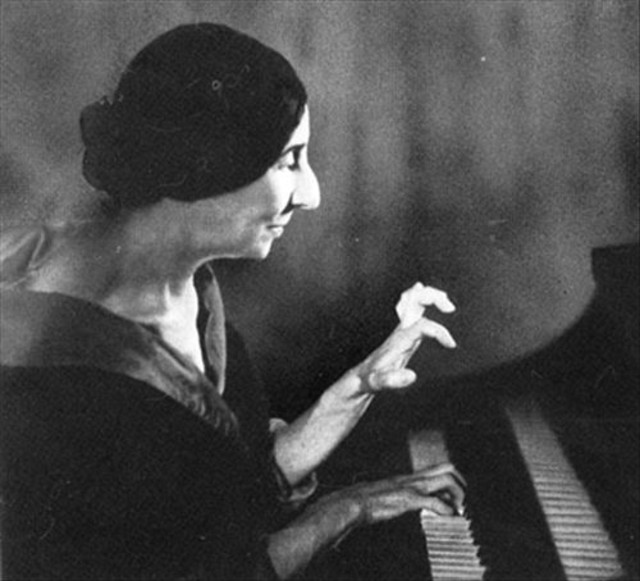
Wanda Landowska

Jan Vermeulen


Pietro Soraci

Samuel Feinberg
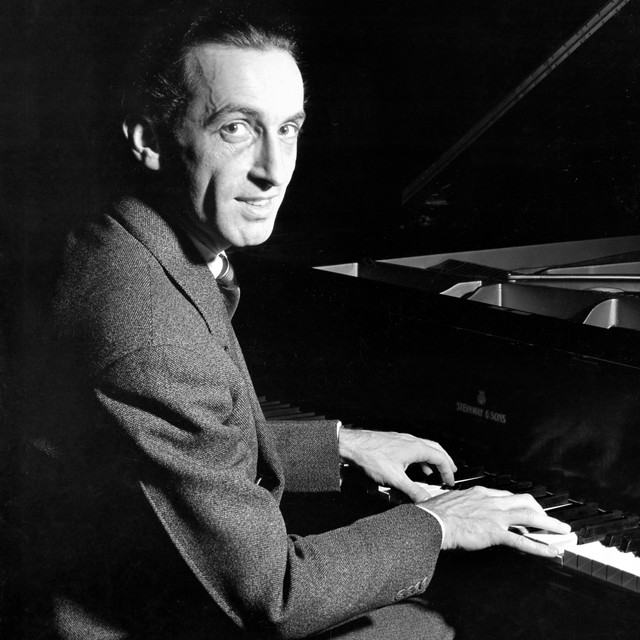
Gyorgy Sandor




Chiahu Lee
Harold Samuel
Thomas Weber

Inge Rosar

Juho Pohjonen

Ece Demirci

Carlo Grante

JIYONG

Miguel Ángel Estrella

Raoul Laparra
Anton Reicha

James Friskin

Peter Seivewright
Youra Guller
Edward Aldwell
Felix Krohn

Luca Ciammarughi
Una Bourne


Dario Candela

Duo Stephanie and Saar
Mauricio Vallina