Genre
classical piano
Top Classical piano Artists
Showing 25 of 3,106 artists
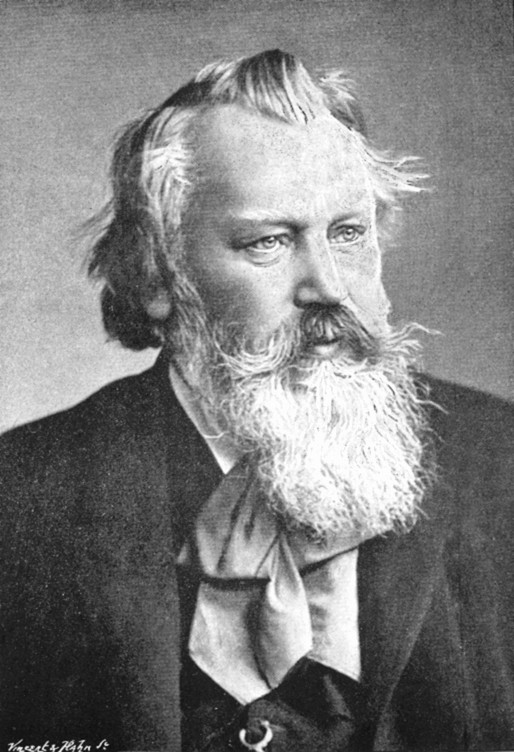
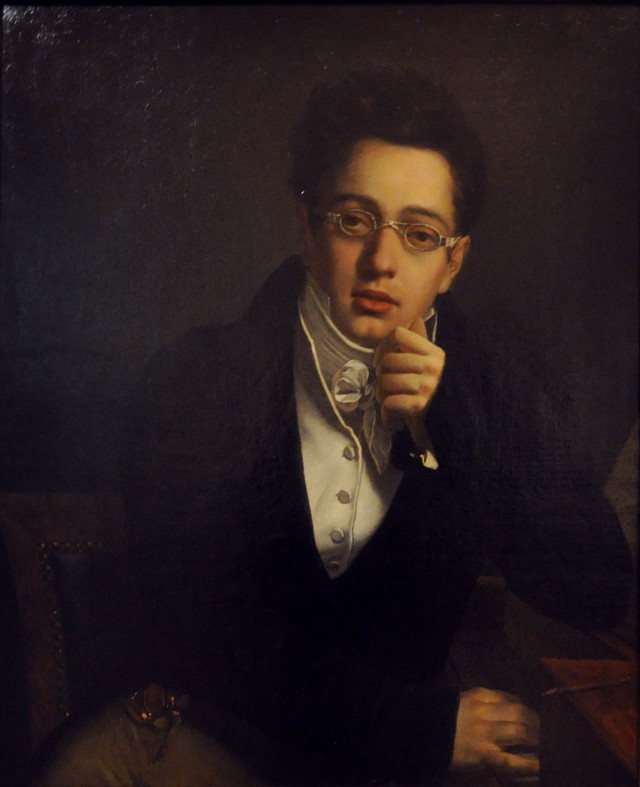
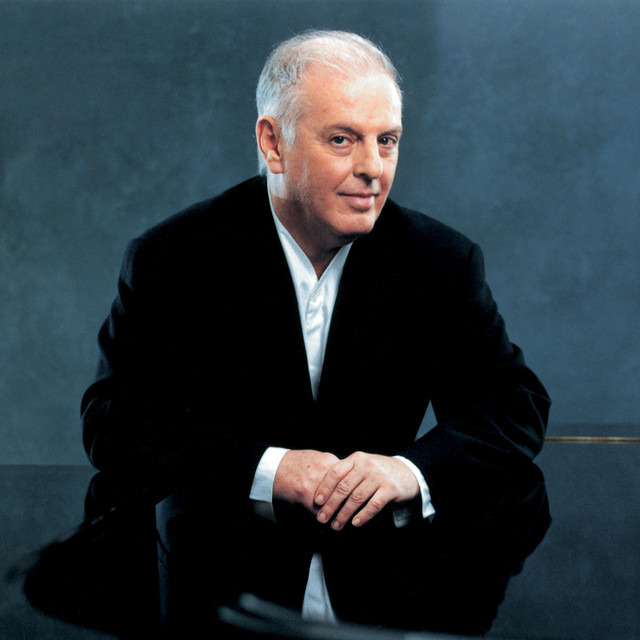
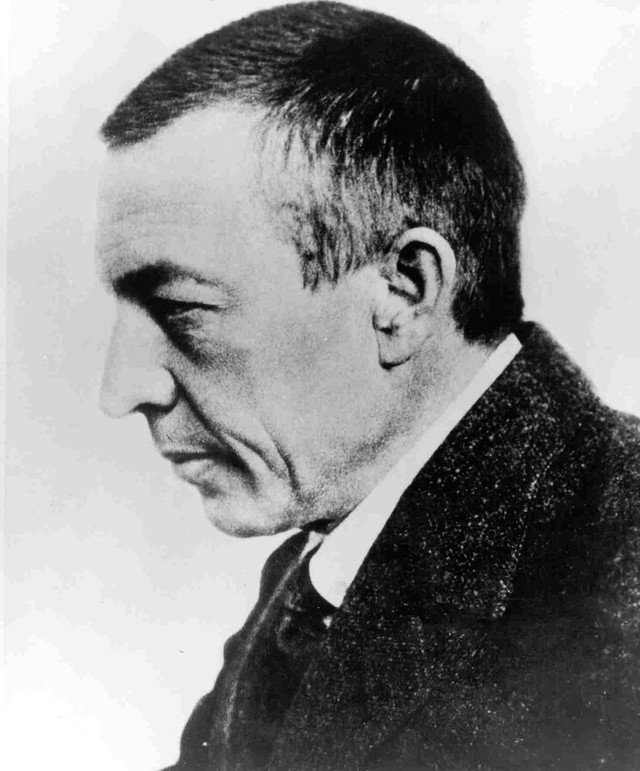



About Classical piano
Classical piano is the heart of the solo keyboard repertoire, a tradition that spans from the early keyboard era to today’s living, evolving performances. Its defining feature is the piano itself: a instrument capable of drawing a singing, singing line as well as a biting, percussive attack, all within a single instrument. The piano’s birth in the early 1700s, in Italy, is a turning point in Western music. Bartolomeo Cristofori’s invention—the piano-forte, later simply the piano—introduced dynamic contrast (soft and loud within a single phrase) that harpsichords and clavichords could not match. From there, repertoire and technique grew in tandem with the instrument’s expanding expressive range.
The classical period laid the groundwork: composers such as Mozart and Haydn wrote elegant, balanced works for the instrument within the refined salon culture of eighteenth‑century Europe. Beethoven then pushed the piano into new regions of depth and drama, expanding technique, form, and expressive reach in his sonatas and concertos. The piano became a vehicle for personal voice and architectural coherence, qualities that defined much of the repertoire for decades to come.
The nineteenth century’s Romantic era elevated the piano to the central stage of musical personality. Frédéric Chopin forged a national voice for Polish identity through poetic, ultra-sensitive lyricism and innovative piano textures; Franz Liszt redefined keyboard virtuosity, turning recital performance into a dramatic art form and expanding octave leaps, octave glissandi, and rapid passagework. Brahms, Schumann, and their contemporaries deepened musical storytelling, combining technical prowess with intimate emotional clarity. The instrument grew into a vehicle for both intimate character pieces and monumental large-scale works.
The twentieth century broadened the palette even further. Debussy and, later, Ravel in France expanded coloristic piano writing with impressionistic nuance. In Russia and beyond, Prokofiev, Shostakovich, Scriabin, and other composers fused traditional form with modern harmony and rhythm, while a generation of performers—pioneers and modernists alike—proved that the piano could be a vehicle for radical new ideas as well as timeless beauty. The rise of recording, global tours, and pedagogy transformed the piano recital into a worldwide cultural event, accessible in concert halls from Moscow to New York, from Tokyo to Toronto.
Ambassadors of the classical piano tradition include composers and performers who shaped its language and public appeal. Beethoven and Mozart established the core repertoire; Chopin created a uniquely intimate piano idiom; Liszt expanded the possibilities of technique and showmanship; later artists such as Rubinstein, Horowitz, Pollini, Mitsuko Uchida, and Lang Lang became synonymous with interpretive mastery and broad audiences. Today, the genre thrives wherever serious piano study exists: Germany, Austria, Russia, Poland, France, and the United States have long-standing legacies, while Japan, China, and Korea host vibrant scenes with world-class festivals, competitions, and prodigious young pianists.
In essence, classical piano remains a living dialogue—between composer, instrument, performer, and listener—where color, touch, and timing unlock endless musical narratives and invite fresh discoveries with every performance.
The classical period laid the groundwork: composers such as Mozart and Haydn wrote elegant, balanced works for the instrument within the refined salon culture of eighteenth‑century Europe. Beethoven then pushed the piano into new regions of depth and drama, expanding technique, form, and expressive reach in his sonatas and concertos. The piano became a vehicle for personal voice and architectural coherence, qualities that defined much of the repertoire for decades to come.
The nineteenth century’s Romantic era elevated the piano to the central stage of musical personality. Frédéric Chopin forged a national voice for Polish identity through poetic, ultra-sensitive lyricism and innovative piano textures; Franz Liszt redefined keyboard virtuosity, turning recital performance into a dramatic art form and expanding octave leaps, octave glissandi, and rapid passagework. Brahms, Schumann, and their contemporaries deepened musical storytelling, combining technical prowess with intimate emotional clarity. The instrument grew into a vehicle for both intimate character pieces and monumental large-scale works.
The twentieth century broadened the palette even further. Debussy and, later, Ravel in France expanded coloristic piano writing with impressionistic nuance. In Russia and beyond, Prokofiev, Shostakovich, Scriabin, and other composers fused traditional form with modern harmony and rhythm, while a generation of performers—pioneers and modernists alike—proved that the piano could be a vehicle for radical new ideas as well as timeless beauty. The rise of recording, global tours, and pedagogy transformed the piano recital into a worldwide cultural event, accessible in concert halls from Moscow to New York, from Tokyo to Toronto.
Ambassadors of the classical piano tradition include composers and performers who shaped its language and public appeal. Beethoven and Mozart established the core repertoire; Chopin created a uniquely intimate piano idiom; Liszt expanded the possibilities of technique and showmanship; later artists such as Rubinstein, Horowitz, Pollini, Mitsuko Uchida, and Lang Lang became synonymous with interpretive mastery and broad audiences. Today, the genre thrives wherever serious piano study exists: Germany, Austria, Russia, Poland, France, and the United States have long-standing legacies, while Japan, China, and Korea host vibrant scenes with world-class festivals, competitions, and prodigious young pianists.
In essence, classical piano remains a living dialogue—between composer, instrument, performer, and listener—where color, touch, and timing unlock endless musical narratives and invite fresh discoveries with every performance.