Data may be outdated
Last updated: 9 months ago — Click refresh to get the latest statistics.
Enrico Mainardi's talents were nurtured from an early age. He was given a small cello at the age of three, had his initial lessons a year later, and made his recital debut at the age of eight, playing a Beethoven sonata. His father put him into the bruising life of a touring child prodigy at that point, touring Europe. When he appeared in Bologna, his accompanist was the esteemed Italian composer <a href="spotify:artist:7KkUirCiJZhgRN3NbgG98L">Ottorino Respighi</a>. He debuted in London at the age of 13 at a Promenade Concert conducted by <a href="spotify:artist:6GuQzjR9GaWZhtz7ptHHs1">Sir Henry Wood</a>.
One of the most important of his early appearances was at the Bach-Reger Festival in Heidelberg, where he astonished the audience with his playing of the Cello Suite in C major by <a href="spotify:artist:5aIqB5nVVvmFsvSdExz408">Bach</a>. He was 16 at the time.
The outbreak of World War I made it impossible for Mainardi to continue touring. He set the instrument aside and took ordinary school studies; four years later, he took up the instrument again. His training had begun at such an early age that it was all a matter of instinct and muscle memory. He found that he had essentially forgotten how to play at a decent level and could no longer create a beautiful tone.
He entered the Academia di Santa Cecilia in Rome to study composition and piano. Disgusted by his lack of competence at cello, he did not attempt to study it until 1924. At that time, he went to Berlin to study with one of the leading teachers of the day, <a href="spotify:artist:18UK28XPmRGQDkn0HEKcIb">Hugo Becker</a>. He had to re-learn, on an understanding, conscious level, what he had absorbed by instinct as a child.
He was able to re-establish his concert career and this time he added performance in chamber music to his activities. He made notable solo appearances in recital and with the leading orchestras and conductors. In 1933, he was appointed professor of cello at Santa Cecilia and in 1941, succeeded his teacher <a href="spotify:artist:18UK28XPmRGQDkn0HEKcIb">Becker</a> at the Hochschule für Musik in Berlin on the latter's death.
It took him a while to re-establish his career internationally after World War II. He became especially known for his chamber music performances. He extended his fame in Germany through much of the rest of Europe, though he did not become popular in France or England. However, even in those countries he was recognized as one of the great teachers of the instrument.
He had particular insight, not surprisingly, in the problems faced by talented youngsters who had to consciously learn what they had been taught as children. He was especially adept at recognizing and curing technical problems brought on by bad habits that his pupils had picked up in their younger years.
He did not normally prescribe bowings or fingerings for any particular pieces to his students. Instead, he preferred to teach them principals of fingering and how they related to particular issues in interpretation. He insisted that his pupils learn the entire score for whatever pieces they were playing, not just their own part. This included knowing what all the instruments of the orchestra were doing at any given moment in a concerto. His pupil <a href="spotify:artist:1699gDv0hxpN6FNoEkPOcj">Joan Dickson</a> (who credits Mainardi with having saved her musical career when it was stalling at age 27) said he taught his students to recognize that proper phrasing is ruled by the harmonic progressions of a composition.
Mainardi was a charismatic performer with very handsome looks and a flair for dressing well. He said he chose his clothing for a concert with a view to what was appropriate for the particular music. Despite this, he did not indulge in platform histrionics to showcase the music or its particular difficulties. His repertoire was especially known for its high quality and intellectual content. Thus, he became known as a reserved performer lacking showmanship, which was, by all accounts, at odds with his off-stage personality. Consequently, he went into history as a musician's musician, rather than a crowd-pleasing one.
One of the most important of his early appearances was at the Bach-Reger Festival in Heidelberg, where he astonished the audience with his playing of the Cello Suite in C major by <a href="spotify:artist:5aIqB5nVVvmFsvSdExz408">Bach</a>. He was 16 at the time.
The outbreak of World War I made it impossible for Mainardi to continue touring. He set the instrument aside and took ordinary school studies; four years later, he took up the instrument again. His training had begun at such an early age that it was all a matter of instinct and muscle memory. He found that he had essentially forgotten how to play at a decent level and could no longer create a beautiful tone.
He entered the Academia di Santa Cecilia in Rome to study composition and piano. Disgusted by his lack of competence at cello, he did not attempt to study it until 1924. At that time, he went to Berlin to study with one of the leading teachers of the day, <a href="spotify:artist:18UK28XPmRGQDkn0HEKcIb">Hugo Becker</a>. He had to re-learn, on an understanding, conscious level, what he had absorbed by instinct as a child.
He was able to re-establish his concert career and this time he added performance in chamber music to his activities. He made notable solo appearances in recital and with the leading orchestras and conductors. In 1933, he was appointed professor of cello at Santa Cecilia and in 1941, succeeded his teacher <a href="spotify:artist:18UK28XPmRGQDkn0HEKcIb">Becker</a> at the Hochschule für Musik in Berlin on the latter's death.
It took him a while to re-establish his career internationally after World War II. He became especially known for his chamber music performances. He extended his fame in Germany through much of the rest of Europe, though he did not become popular in France or England. However, even in those countries he was recognized as one of the great teachers of the instrument.
He had particular insight, not surprisingly, in the problems faced by talented youngsters who had to consciously learn what they had been taught as children. He was especially adept at recognizing and curing technical problems brought on by bad habits that his pupils had picked up in their younger years.
He did not normally prescribe bowings or fingerings for any particular pieces to his students. Instead, he preferred to teach them principals of fingering and how they related to particular issues in interpretation. He insisted that his pupils learn the entire score for whatever pieces they were playing, not just their own part. This included knowing what all the instruments of the orchestra were doing at any given moment in a concerto. His pupil <a href="spotify:artist:1699gDv0hxpN6FNoEkPOcj">Joan Dickson</a> (who credits Mainardi with having saved her musical career when it was stalling at age 27) said he taught his students to recognize that proper phrasing is ruled by the harmonic progressions of a composition.
Mainardi was a charismatic performer with very handsome looks and a flair for dressing well. He said he chose his clothing for a concert with a view to what was appropriate for the particular music. Despite this, he did not indulge in platform histrionics to showcase the music or its particular difficulties. His repertoire was especially known for its high quality and intellectual content. Thus, he became known as a reserved performer lacking showmanship, which was, by all accounts, at odds with his off-stage personality. Consequently, he went into history as a musician's musician, rather than a crowd-pleasing one.
Monthly Listeners
596
Monthly Listeners History
Track the evolution of monthly listeners over the last 28 days.
Followers
349
Followers History
Track the evolution of followers over the last 28 days.
Top Cities
32 listeners

21 listeners

18 listeners
10 listeners

8 listeners
Related Artists

Natalia Khoma

Marco Ciannella
Marco Misciagna

Josep Bassal
Frank Merrick
Sebastian Lee

Esther Nyffenegger
Ling-Yi Ou Yang

Daniel Paul Horn
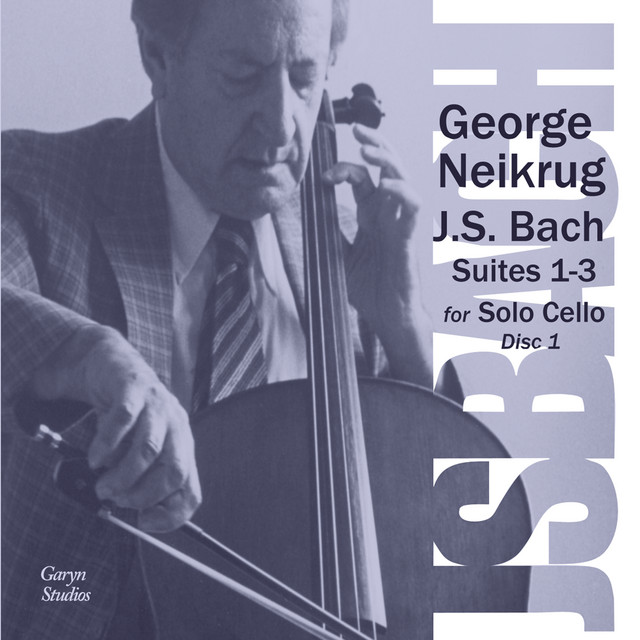
George Neikrug
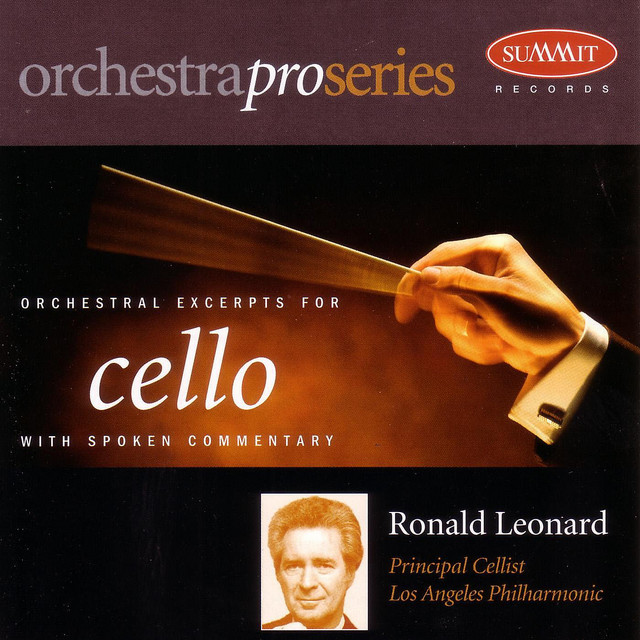
Ronald Leonard

Gianmaria Melis
Jeremy Crosmer
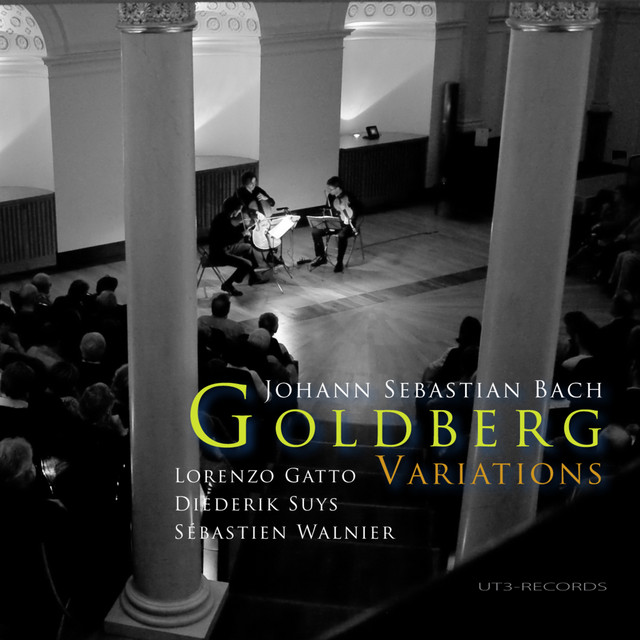
Diederik Suys
Elizabeth Hopkins

Fredrik Ehrström

Clay Ruede
Christoph Schickedanz
Francesca Lebrun

Romain Garioud
Maiko Inoué

Reinhold Johannes Buhl
Harro Ruijsenaars

Duo Di Basso
The Zurich String Trio

Quo Vadis

Johanna Martzy

Bartolomeo Campagnoli

Michel Martin

Wilhelm Hill