Data may be outdated
Last updated: 7 months ago — Click refresh to get the latest statistics.
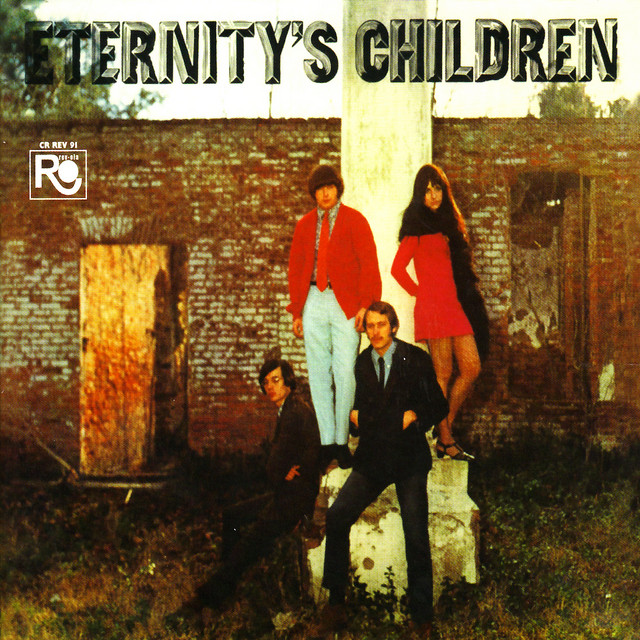
Sunshine pop cult favorites Eternity's Children were formed in Cleveland, MS, in 1965 by singer/keyboardist <a href="spotify:artist:1wGSNLvmEsVzeQQynQBvr8">Bruce Blackman</a> and drummer Roy Whittaker, fellow students at Delta College. With the addition of lead guitarist Johnny Walker, rhythm guitarist Jerry Bounds, and bassist Charlie Ross, the group (originally dubbed the Phantoms) began developing the complex, overlapping vocal harmonies that remained the hallmark of their sound throughout their career. According to Dawn Eden's comprehensive liner notes in the 2002 Rev-Ola reissue Eternity's Children, in 1966 the Phantoms relocated to Biloxi, becoming the house band in the basement nightclub of the Biloxi Hotel and backing visiting performers including <a href="spotify:artist:218kRJZ7FJs0hWIk8Ynzhz">Charlie Rich</a> and <a href="spotify:artist:0uUNzXylqsZdmFDwdxaP1V">B.J. Thomas</a>. With the addition of local folksinger <a href="spotify:artist:4L3co5WI83c3qYoYsWhFVo">Linda Lawley</a>, the fledgling band adopted the more contemporary moniker Eternity's Children, and after Baton Rouge health club magnate Ray Roy caught one of their live appearances, he convinced business partner Guy Belello to form a management company (Crocked Foxx Productions and Music), which soon signed the group to a contract.
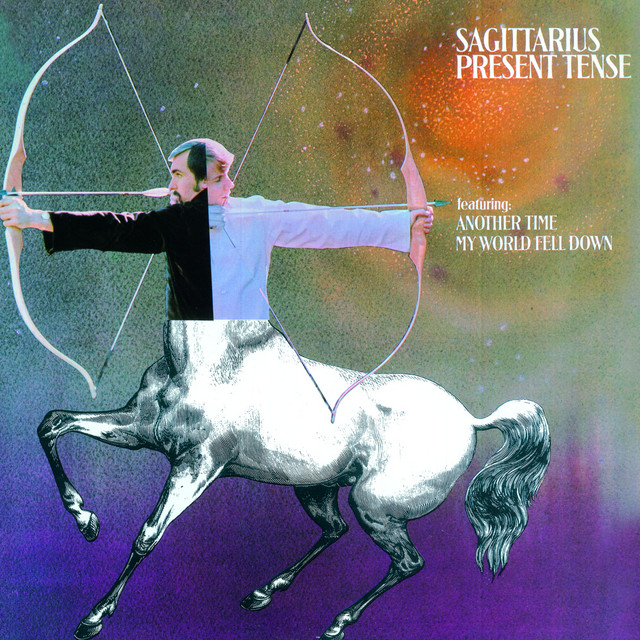
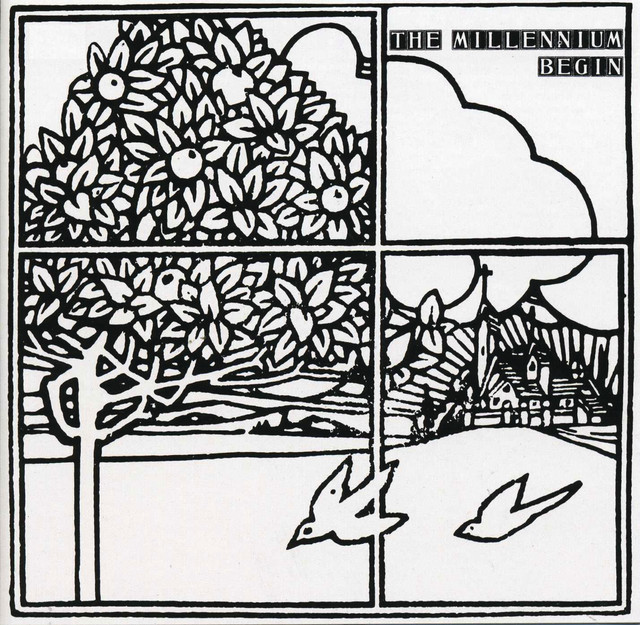
Eternity's Children quickly recorded a demo that made its way to A&M producer Allen Stanton, and in the spring of 1967 recorded their lone effort for the label, the <a href="spotify:artist:5BmXbfqAgfkuTkPlVQDKOW">David Gates</a>-penned single "Wait and See." (It was produced by <a href="spotify:artist:5tNV8b1D2iT3dQmSMaX0X2">Keith Olsen</a>, the former <a href="spotify:artist:4DP9zIr6Htbun1GgKqrUks">Music Machine</a> bassist best known as the production partner of studio wizard <a href="spotify:artist:3ZMUNnwvFihTTyI1tx5hao">Curt Boettcher</a>.) The record went nowhere, and despite touring as part of a package headlined by <a href="spotify:artist:1nyQBzKgZ2hBLr7PnyV7cI">the Strawberry Alarm Clock</a>, <a href="spotify:artist:5mcarhiatlvfCghqcn73rC">the Seeds</a>, and <a href="spotify:artist:7peASGSN6FkIFQ3XjLfBtB">the Blues Magoos</a>, Eternity's Children were quickly dropped by A&M. Crocked Foxx soon landed their charges a deal with Capitol's tax-shelter subsidiary, Tower; <a href="spotify:artist:5tNV8b1D2iT3dQmSMaX0X2">Olsen</a> again manned the boards, this time bringing <a href="spotify:artist:3ZMUNnwvFihTTyI1tx5hao">Boettcher</a>, who'd previously enjoyed massive success with vocal groups like <a href="spotify:artist:2kuNswDC82PL9xRbfaZJaS">the Association</a> as well as his own <a href="spotify:artist:2G0qagNyJSe7wZLJCKdfFA">Sagittarius</a> and <a href="spotify:artist:2C49JSiNeHN0xwLQCohpyY">the Millennium</a>. Despite some flashes of brilliance, Eternity's Children's self-titled debut does not rank among the <a href="spotify:artist:3ZMUNnwvFihTTyI1tx5hao">Boettcher</a>/<a href="spotify:artist:5tNV8b1D2iT3dQmSMaX0X2">Olsen</a> duo's crowning achievements -- both producers were distracted by other concurrent projects, and for every potential smash like the lilting first single "Mrs. Bluebird" or the beautiful "Again Again," there was a "Rupert White" (which simply added a new vocal to a backing track issued the year earlier as the Chocolate Tunnel's "The Highly Successful Rupert White") or "You Know I've Found a Way" (which doesn't even feature the group at all -- a <a href="spotify:artist:3ZMUNnwvFihTTyI1tx5hao">Boettcher</a> production demo, it later resurfaced in much more complete form on <a href="spotify:artist:2G0qagNyJSe7wZLJCKdfFA">Sagittarius</a>' Present Tense).
During production of the album, relations between the members of Eternity's Children and their management became increasingly strained, and prior to the LP's mid-1968 release, <a href="spotify:artist:1wGSNLvmEsVzeQQynQBvr8">Blackman</a>, Walker, and Bounds all exited. Only <a href="spotify:artist:1wGSNLvmEsVzeQQynQBvr8">Blackman</a> was replaced, by classically trained keyboardist Mike "Kid" McClain, previously of the Houston group the Neurotic Sheep. An appearance on American Bandstand spurred "Mrs. Bluebird" up the pop charts, but Tower did little to promote the single or the band, and after three weeks at number 69 on Billboard, both quickly plummeted out of the Hot 100. Eternity's Children nevertheless reconvened to begin work on their second album, Timeless, this time recruiting <a href="spotify:artist:3ZMUNnwvFihTTyI1tx5hao">Boettcher</a>'s longtime engineer, <a href="spotify:artist:4grlrRNDGqFFdp3IFPurHX">Gary Paxton</a>, to helm the sessions. With primary songwriter <a href="spotify:artist:1wGSNLvmEsVzeQQynQBvr8">Blackman</a> now out of the mix, Ross, <a href="spotify:artist:4L3co5WI83c3qYoYsWhFVo">Lawley</a>, and McClain all contributed original material, and <a href="spotify:artist:4grlrRNDGqFFdp3IFPurHX">Paxton</a> also wrangled songs from future <a href="spotify:artist:1PCZpxHJz7WAMF8EEq8bfc">Byrds</a> <a href="spotify:artist:6bV5tUO90I3oRIy3Gy1UOG">Clarence White</a> and <a href="spotify:artist:0rjpJb7rUMt806t6RCf8ch">Gene Parsons</a>. After Whittaker left the group sometime during the sessions, drummer Bo Wagner was brought into the studio to complete the tracks -- coincidentally, Wagner would later join <a href="spotify:artist:1wGSNLvmEsVzeQQynQBvr8">Blackman</a> and Walker in their post-Eternity's Children project, dubbed simply the Children. (<a href="spotify:artist:1wGSNLvmEsVzeQQynQBvr8">Blackman</a> and Walker finally achieved massive chart success in the mid-'70s as members of <a href="spotify:artist:0P8YAnEwTGZBkm0IudCZxl">Starbuck</a>, which scored the Top Five smash "Moonlight Feels Right.") The album, titled Timeless, wrapped in late 1968, and promo copies of the first single, "Till I Hear It from You," were soon dispatched to radio.
But when "Till I Hear It from You" caused little excitement among radio programmers, Tower abruptly scuttled Timeless' U.S. release; the album did appear on Capitol's Canadian branch ("Mrs. Bluebird" was a sizable hit north of the border). Desperate for a change in geography and approach, Eternity's Children decamped to Memphis, home of Chips Moman's legendary American Studios. Abandoning the lush, pristine production of their previous efforts for a more earthy, blue-eyed soul sound, the group teamed with Moman and ace session bassist Tommy Cogbill to record the single "The Sidewalks of the Ghetto." It went nowhere -- by now, Capitol was shuttering the entire Tower imprint, although one last Eternity's Children single, the <a href="spotify:artist:6GwM53df9UWtthcHHBiPpS">Spooner Oldham</a>-penned "Blue Horizon," slipped through the cracks, as did solo singles from <a href="spotify:artist:4L3co5WI83c3qYoYsWhFVo">Lawley</a> ("When the World Turns") and Ross ("A Railroad Trestle in California"). Remarkably, there was one last gasp -- Liberty Records, reeling from the loss of <a href="spotify:artist:1UUYAQ9LiRsZF0ZukQNWXM">the 5th Dimension</a> to rival Bell, seized upon Eternity's Children as a replacement. They signed to record a single, "Alone Again," but when Liberty was folded into parent company United Artists, the band was dropped. No subsequent recordings ever saw official release, but various Eternity's Children lineups continued performing during the 1970s. ~ Jason Ankeny, Rovi
Eternity's Children quickly recorded a demo that made its way to A&M producer Allen Stanton, and in the spring of 1967 recorded their lone effort for the label, the <a href="spotify:artist:5BmXbfqAgfkuTkPlVQDKOW">David Gates</a>-penned single "Wait and See." (It was produced by <a href="spotify:artist:5tNV8b1D2iT3dQmSMaX0X2">Keith Olsen</a>, the former <a href="spotify:artist:4DP9zIr6Htbun1GgKqrUks">Music Machine</a> bassist best known as the production partner of studio wizard <a href="spotify:artist:3ZMUNnwvFihTTyI1tx5hao">Curt Boettcher</a>.) The record went nowhere, and despite touring as part of a package headlined by <a href="spotify:artist:1nyQBzKgZ2hBLr7PnyV7cI">the Strawberry Alarm Clock</a>, <a href="spotify:artist:5mcarhiatlvfCghqcn73rC">the Seeds</a>, and <a href="spotify:artist:7peASGSN6FkIFQ3XjLfBtB">the Blues Magoos</a>, Eternity's Children were quickly dropped by A&M. Crocked Foxx soon landed their charges a deal with Capitol's tax-shelter subsidiary, Tower; <a href="spotify:artist:5tNV8b1D2iT3dQmSMaX0X2">Olsen</a> again manned the boards, this time bringing <a href="spotify:artist:3ZMUNnwvFihTTyI1tx5hao">Boettcher</a>, who'd previously enjoyed massive success with vocal groups like <a href="spotify:artist:2kuNswDC82PL9xRbfaZJaS">the Association</a> as well as his own <a href="spotify:artist:2G0qagNyJSe7wZLJCKdfFA">Sagittarius</a> and <a href="spotify:artist:2C49JSiNeHN0xwLQCohpyY">the Millennium</a>. Despite some flashes of brilliance, Eternity's Children's self-titled debut does not rank among the <a href="spotify:artist:3ZMUNnwvFihTTyI1tx5hao">Boettcher</a>/<a href="spotify:artist:5tNV8b1D2iT3dQmSMaX0X2">Olsen</a> duo's crowning achievements -- both producers were distracted by other concurrent projects, and for every potential smash like the lilting first single "Mrs. Bluebird" or the beautiful "Again Again," there was a "Rupert White" (which simply added a new vocal to a backing track issued the year earlier as the Chocolate Tunnel's "The Highly Successful Rupert White") or "You Know I've Found a Way" (which doesn't even feature the group at all -- a <a href="spotify:artist:3ZMUNnwvFihTTyI1tx5hao">Boettcher</a> production demo, it later resurfaced in much more complete form on <a href="spotify:artist:2G0qagNyJSe7wZLJCKdfFA">Sagittarius</a>' Present Tense).
During production of the album, relations between the members of Eternity's Children and their management became increasingly strained, and prior to the LP's mid-1968 release, <a href="spotify:artist:1wGSNLvmEsVzeQQynQBvr8">Blackman</a>, Walker, and Bounds all exited. Only <a href="spotify:artist:1wGSNLvmEsVzeQQynQBvr8">Blackman</a> was replaced, by classically trained keyboardist Mike "Kid" McClain, previously of the Houston group the Neurotic Sheep. An appearance on American Bandstand spurred "Mrs. Bluebird" up the pop charts, but Tower did little to promote the single or the band, and after three weeks at number 69 on Billboard, both quickly plummeted out of the Hot 100. Eternity's Children nevertheless reconvened to begin work on their second album, Timeless, this time recruiting <a href="spotify:artist:3ZMUNnwvFihTTyI1tx5hao">Boettcher</a>'s longtime engineer, <a href="spotify:artist:4grlrRNDGqFFdp3IFPurHX">Gary Paxton</a>, to helm the sessions. With primary songwriter <a href="spotify:artist:1wGSNLvmEsVzeQQynQBvr8">Blackman</a> now out of the mix, Ross, <a href="spotify:artist:4L3co5WI83c3qYoYsWhFVo">Lawley</a>, and McClain all contributed original material, and <a href="spotify:artist:4grlrRNDGqFFdp3IFPurHX">Paxton</a> also wrangled songs from future <a href="spotify:artist:1PCZpxHJz7WAMF8EEq8bfc">Byrds</a> <a href="spotify:artist:6bV5tUO90I3oRIy3Gy1UOG">Clarence White</a> and <a href="spotify:artist:0rjpJb7rUMt806t6RCf8ch">Gene Parsons</a>. After Whittaker left the group sometime during the sessions, drummer Bo Wagner was brought into the studio to complete the tracks -- coincidentally, Wagner would later join <a href="spotify:artist:1wGSNLvmEsVzeQQynQBvr8">Blackman</a> and Walker in their post-Eternity's Children project, dubbed simply the Children. (<a href="spotify:artist:1wGSNLvmEsVzeQQynQBvr8">Blackman</a> and Walker finally achieved massive chart success in the mid-'70s as members of <a href="spotify:artist:0P8YAnEwTGZBkm0IudCZxl">Starbuck</a>, which scored the Top Five smash "Moonlight Feels Right.") The album, titled Timeless, wrapped in late 1968, and promo copies of the first single, "Till I Hear It from You," were soon dispatched to radio.
But when "Till I Hear It from You" caused little excitement among radio programmers, Tower abruptly scuttled Timeless' U.S. release; the album did appear on Capitol's Canadian branch ("Mrs. Bluebird" was a sizable hit north of the border). Desperate for a change in geography and approach, Eternity's Children decamped to Memphis, home of Chips Moman's legendary American Studios. Abandoning the lush, pristine production of their previous efforts for a more earthy, blue-eyed soul sound, the group teamed with Moman and ace session bassist Tommy Cogbill to record the single "The Sidewalks of the Ghetto." It went nowhere -- by now, Capitol was shuttering the entire Tower imprint, although one last Eternity's Children single, the <a href="spotify:artist:6GwM53df9UWtthcHHBiPpS">Spooner Oldham</a>-penned "Blue Horizon," slipped through the cracks, as did solo singles from <a href="spotify:artist:4L3co5WI83c3qYoYsWhFVo">Lawley</a> ("When the World Turns") and Ross ("A Railroad Trestle in California"). Remarkably, there was one last gasp -- Liberty Records, reeling from the loss of <a href="spotify:artist:1UUYAQ9LiRsZF0ZukQNWXM">the 5th Dimension</a> to rival Bell, seized upon Eternity's Children as a replacement. They signed to record a single, "Alone Again," but when Liberty was folded into parent company United Artists, the band was dropped. No subsequent recordings ever saw official release, but various Eternity's Children lineups continued performing during the 1970s. ~ Jason Ankeny, Rovi
Monthly Listeners
11,829
Monthly Listeners History
Track the evolution of monthly listeners over the last 28 days.
Followers
6,473
Followers History
Track the evolution of followers over the last 28 days.
Top Cities
332 listeners

309 listeners

155 listeners
151 listeners
143 listeners
Related Artists




Monik

Bonnie Dobson


Chamaeleon Church

The Daisy Chain