Data may be outdated
Last updated: 9 months ago — Click refresh to get the latest statistics.
Francisco Correa de Arauxo was one of the key figures who helped introduce Baroque techniques into Spanish composition. He was generally regarded as the finest Spanish organist of his generation. All of his works were composed for organ and published, along with other of his writings, in a single volume entitled Libro de tientos y discursos de música practica, y theorica de organo, intitulado Facultad organica.
Correa was born in 1584, probably in August or early September, his baptism taking place on the 17th day of the latter month. He was largely self-taught in advanced and theoretical areas of music study. By his early teens he had become an accomplished keyboard player whose talents were widely recognized in Seville. He was appointed organist at San Salvador Church there in September 1599. His official installment in the post, however, was delayed for six years, until September 24, 1605, owing to a legal challenge by a rival.
Correa became an ordained priest while holding the post at San Salvador Church. In the period 1613-1618, he attempted to gain more prestigious or more favorable appointments at Cathedrals in other locations (Seville, Malaga, and Toledo), but with no success.
Correa's single volume of music was published in 1626. It contained 69 pieces for organ, a theoretical treatise, and other commentary on music. The organ works are grouped according to their level of difficulty and most divulge a highly imaginative character: often they show a predilection for unusual meter, as well as bold use of dissonance.
In 1629, Correa became embroiled in legal entanglements with parties at San Salvador Church, and litigated matters over the next several years, even serving a brief period of time in prison. He secured the post of organist at Jaén Cathedral in 1636, where he remained for four years. His next appointment was as prebendary (a canon having an administrative role) at the Segovia Cathedral. Here he played the organ, as well. He held this post until his death in late October or early November 1654.
Correa was born in 1584, probably in August or early September, his baptism taking place on the 17th day of the latter month. He was largely self-taught in advanced and theoretical areas of music study. By his early teens he had become an accomplished keyboard player whose talents were widely recognized in Seville. He was appointed organist at San Salvador Church there in September 1599. His official installment in the post, however, was delayed for six years, until September 24, 1605, owing to a legal challenge by a rival.
Correa became an ordained priest while holding the post at San Salvador Church. In the period 1613-1618, he attempted to gain more prestigious or more favorable appointments at Cathedrals in other locations (Seville, Malaga, and Toledo), but with no success.
Correa's single volume of music was published in 1626. It contained 69 pieces for organ, a theoretical treatise, and other commentary on music. The organ works are grouped according to their level of difficulty and most divulge a highly imaginative character: often they show a predilection for unusual meter, as well as bold use of dissonance.
In 1629, Correa became embroiled in legal entanglements with parties at San Salvador Church, and litigated matters over the next several years, even serving a brief period of time in prison. He secured the post of organist at Jaén Cathedral in 1636, where he remained for four years. His next appointment was as prebendary (a canon having an administrative role) at the Segovia Cathedral. Here he played the organ, as well. He held this post until his death in late October or early November 1654.
Monthly Listeners
3,567
Monthly Listeners History
Track the evolution of monthly listeners over the last 28 days.
Followers
528
Followers History
Track the evolution of followers over the last 28 days.
Top Cities
105 listeners
60 listeners
55 listeners
54 listeners

52 listeners

Related Artists
Liuwe Tamminga
Giovanni Maria Trabaci
Sebastián Aguilera de Heredia
Manon Papasergio

James Akers
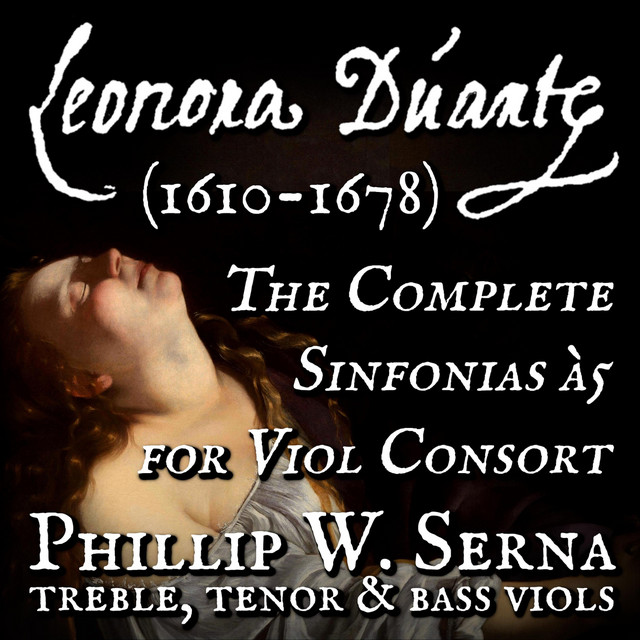
Leonora Duarte
Bettina Hoffmann

Alfonso Ferrabosco the Younger
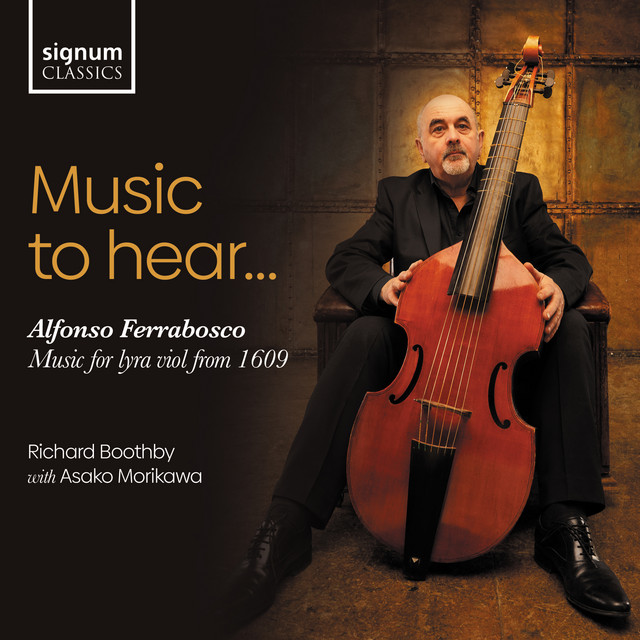
Alfonso Ferrabosco
John Ward
Pierre Francisque Caroubel

Susie Napper
Thomas Lupo
William Corkine
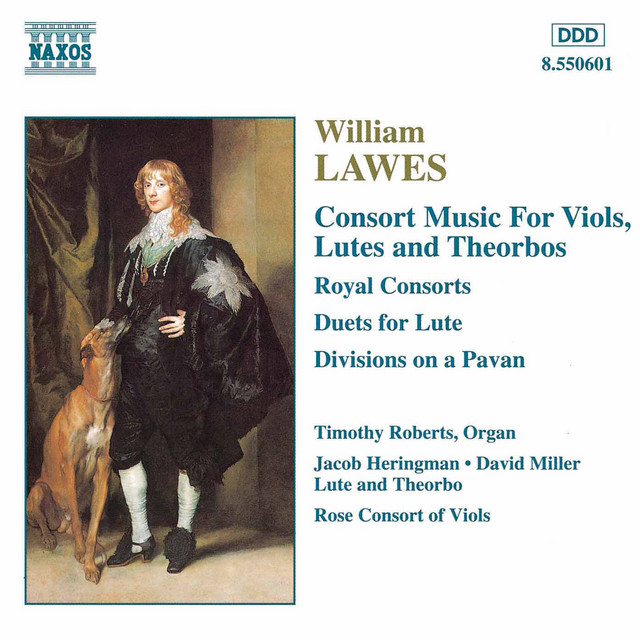
William Lawes
Alfonso Ferrabosco II
Guillermo Pérez
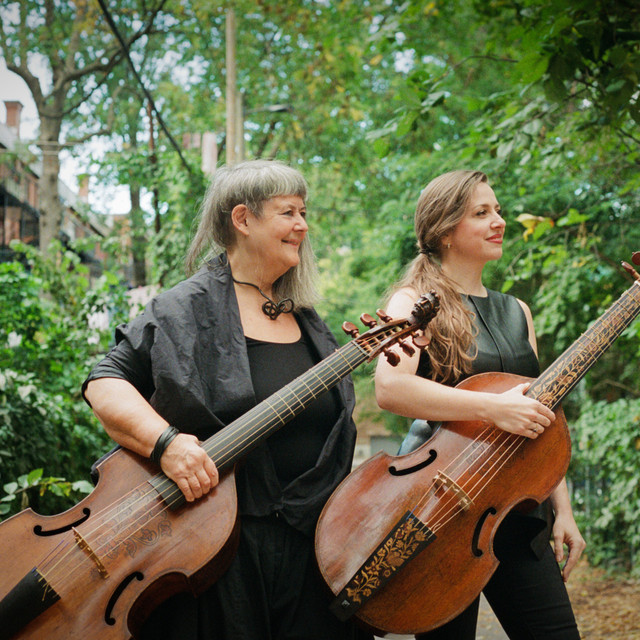
Les Voix Humaines

Ryosuke Sakamoto
Carlo Farina
Musicall Humors
ensemble feuervogel
William Dongois
Jacques Champion de Chambonnières

Ecco la musica
Giovanni Battista Buonamente

Fernando Marin
Pernelle Marzorati
Move Records
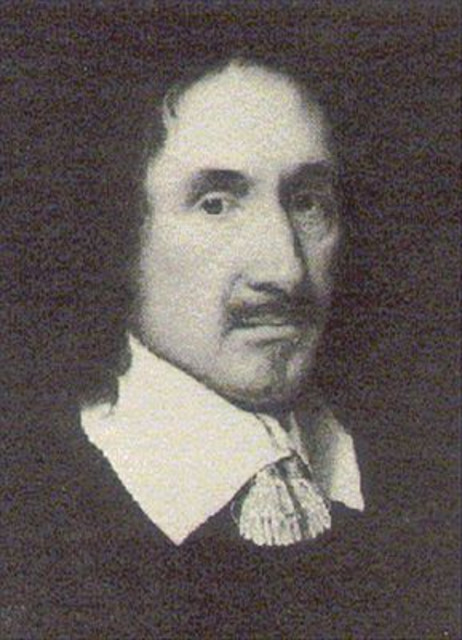
Christopher Simpson
Bartolomé de Selma y Salaverde

Sofie Vanden Eynde

John Jenkins
Louis de Caix d'Hervelois

Ronald Martin Alonso