Data may be outdated
Last updated: 9 months ago — Click refresh to get the latest statistics.
John Jenkins was one of the leading English composers of the Stuart and Commonwealth eras, particularly known for his consort music. He was the son of a carpenter named Henry Jenkins, who married Anne Jordaine in 1591. Henry was fond of music, as is shown by the inventory of his estate, which included several musical instruments.
Besides developing into a fine musician, John Jenkins evidently had a talent for getting along with upper-class people. This may have been the result of an apprenticeship while a boy. Anne Russell, Lady Warwick, left an annuity of ten pounds to a "John Jenkins" in her will after her death in 1603, and her niece wrote in her diary that she learned to "sing and play on the bass viol of Jack Jenkins, my aunt's boy."
Most of the information about his life comes from writings by his pupil Lord Roger North. According to North's Memoires of Musick Jenkins never received a position attached to any particular household, but would simply go from one to another of several estates. He would be happily received; North says several manors had a "Jenkins Room" where he would stay. North adds that he never had a contract with any of them, but while he was there they would pay him and he would accept whatever they chose to give him.
North's information must in part have come from Jenkins late in the musician's life, for it was after the Stuart Restoration that Jenkins taught him. About all that is known of Jenkins between his birth and the overthrow of the Stuarts by the Commonwealth are from the documents regarding the bequests from his father and Lady Russell and records of two prominent musical events in London: he participated in the famous and lavish masque called The Triumph of Peace given in 1634 and then was asked to perform on the lyra viol before King Charles I, where he was proclaimed "one that performed somewhat extraordinary," in North's words.
Jenkins seems to have become associated with the Royalist (or Cavalier) party and after the Puritans (Roundheads) prevailed and Oliver Cromwell set up the Commonwealth, Jenkins evidently left London and "past his time at gentlemen's houses in the country" (North, again). Two of his most frequent patrons were the L'Estrange family of Hunstanton and the Dereham family of Norfolk. Roger L'Estrange, who became known as a Royalist pamphleteer, studied viola da gamba with Jenkins.
At the time of the Restoration of the Stuarts, Jenkins was living with the family of Dudley, fourth Baron North in Cambridgeshire and taught Dudley's fifth and sixth sons, Montagu and Roger. The newly restored King Charles II appointed Jenkins as a court musician in the King's Musick. In his later years he was unable to perform his duties as a court musician, but he was so valued by the court and his fellow musicians that the King had his salary paid anyway.
North wrote that Jenkins wrote "horseloads of music," of which a few hundred instrumental works and 30 vocal works survive. They appear to have been the mainstay of home music making in England during his time and for some years after. They exhibit exceptional control of form and effect, and a fine melodic sensibility.
John Jenkins died at Sir Philip Wodehouse's estate at Kimberley and is buried there.
Besides developing into a fine musician, John Jenkins evidently had a talent for getting along with upper-class people. This may have been the result of an apprenticeship while a boy. Anne Russell, Lady Warwick, left an annuity of ten pounds to a "John Jenkins" in her will after her death in 1603, and her niece wrote in her diary that she learned to "sing and play on the bass viol of Jack Jenkins, my aunt's boy."
Most of the information about his life comes from writings by his pupil Lord Roger North. According to North's Memoires of Musick Jenkins never received a position attached to any particular household, but would simply go from one to another of several estates. He would be happily received; North says several manors had a "Jenkins Room" where he would stay. North adds that he never had a contract with any of them, but while he was there they would pay him and he would accept whatever they chose to give him.
North's information must in part have come from Jenkins late in the musician's life, for it was after the Stuart Restoration that Jenkins taught him. About all that is known of Jenkins between his birth and the overthrow of the Stuarts by the Commonwealth are from the documents regarding the bequests from his father and Lady Russell and records of two prominent musical events in London: he participated in the famous and lavish masque called The Triumph of Peace given in 1634 and then was asked to perform on the lyra viol before King Charles I, where he was proclaimed "one that performed somewhat extraordinary," in North's words.
Jenkins seems to have become associated with the Royalist (or Cavalier) party and after the Puritans (Roundheads) prevailed and Oliver Cromwell set up the Commonwealth, Jenkins evidently left London and "past his time at gentlemen's houses in the country" (North, again). Two of his most frequent patrons were the L'Estrange family of Hunstanton and the Dereham family of Norfolk. Roger L'Estrange, who became known as a Royalist pamphleteer, studied viola da gamba with Jenkins.
At the time of the Restoration of the Stuarts, Jenkins was living with the family of Dudley, fourth Baron North in Cambridgeshire and taught Dudley's fifth and sixth sons, Montagu and Roger. The newly restored King Charles II appointed Jenkins as a court musician in the King's Musick. In his later years he was unable to perform his duties as a court musician, but he was so valued by the court and his fellow musicians that the King had his salary paid anyway.
North wrote that Jenkins wrote "horseloads of music," of which a few hundred instrumental works and 30 vocal works survive. They appear to have been the mainstay of home music making in England during his time and for some years after. They exhibit exceptional control of form and effect, and a fine melodic sensibility.
John Jenkins died at Sir Philip Wodehouse's estate at Kimberley and is buried there.
Monthly Listeners
3,262
Monthly Listeners History
Track the evolution of monthly listeners over the last 28 days.
Followers
689
Followers History
Track the evolution of followers over the last 28 days.
Top Cities




Related Artists
Giovanni Battista Buonamente
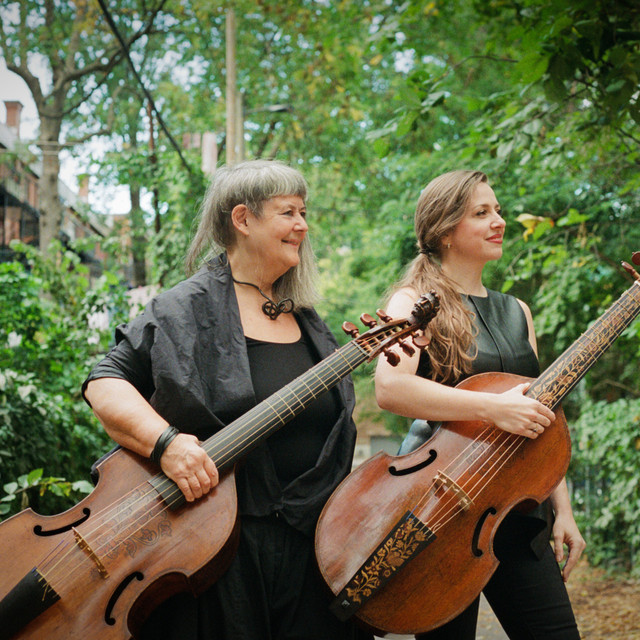
Les Voix Humaines
Giovanni Picchi


Ecco la musica
Giovanni Maria Trabaci
John Ward
William Lawes
Antonio Bertali

Susie Napper

Alfonso Ferrabosco the Younger
Alfonso Ferrabosco II
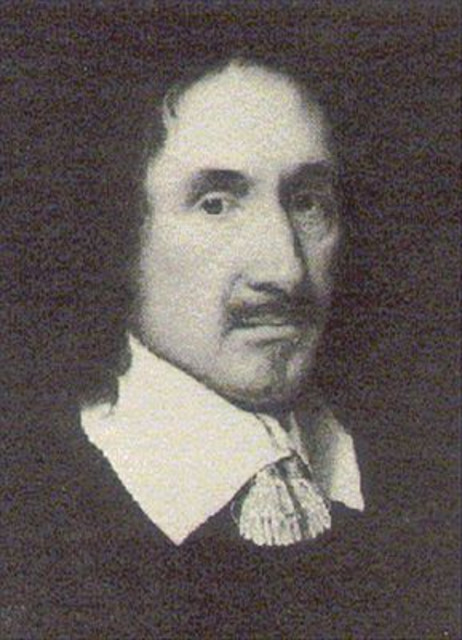
Christopher Simpson
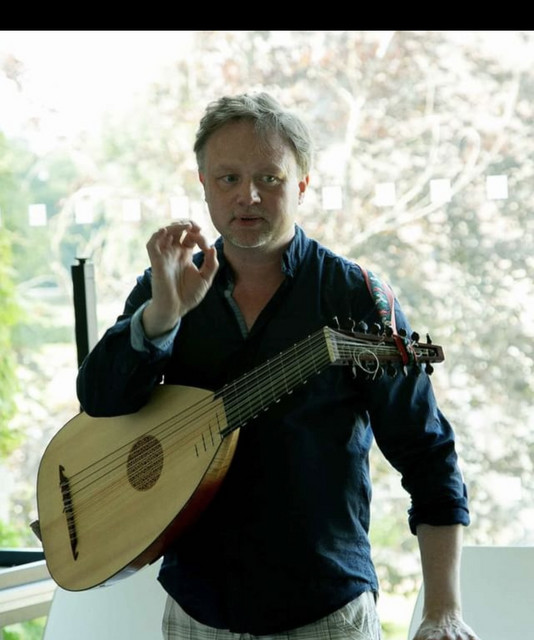
James Akers
William Dongois
Giovanni Battista Fontana
Bartolomé de Selma y Salaverde
Tragicomedia
Josetxu Obregon
Andreas Arend
Isabella Leonarda

Dietrich Becker

Louis de Caix d'Hervelois
Adam Jarzębski
Matthew Locke
Charles Dieupart

Elam Rotem
Robert Smith
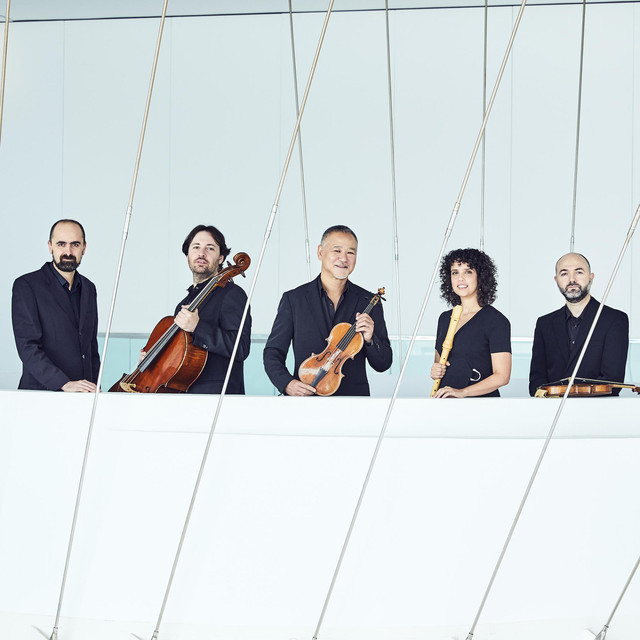
La Ritirata

Fuoco e Cenere
James Paisible
Bettina Hoffmann

Fred Jacobs
Alex McCartney
