Data may be outdated
Last updated: 9 months ago — Click refresh to get the latest statistics.
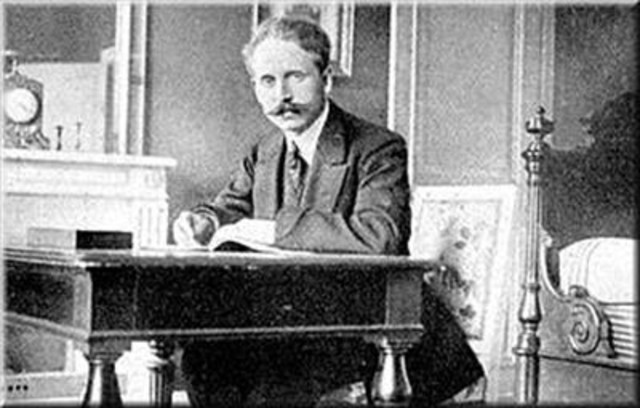
François-Adrien Boieldieu specialized in the form of opéra comique, and in Paris his operas were among the best-known and most-performed of his day. His felicitous melodic sense led his contemporaries to dub him "the French <a href="spotify:artist:4NJhFmfw43RLBLjQvxDuRS">Mozart</a>."
Boieldieu's first music teacher was Urbain Cordonnier, the children's choirmaster at Rouen Cathedral. Even before he learned to read music, Boieldieu was taking part in church music performances, learning the music by ear. Later Boieldieu studied organ and piano with Charles Broche. In 1791, he was appointed organist at the church of St. André in Rouen. At about this time he also started composing, and in 1793 his first opera La fille coupable -- with a libretto by his father -- was performed in Rouen. Before long he was also appearing as a pianist, including some of his own works in his programs.
In the summer of 1796 Boieldieu moved to Paris, where he wrote several well-received operas over the next few years, including his first great success Le Calife de Bagdad (1800). Legend has it that <a href="spotify:artist:1SXRDJxjOty2T43t4gXAnk">Luigi Cherubini</a>, one of the most influential musicians of that time, heard Le Calife de Bagdad and, thinking its composer musically ignorant, offered Boieldieu music lessons.
In 1802 Boieldieu married dancer Clotilde Mafleurai. The marriage fell apart after just a few months, and Boieldieu left Paris for Russia in 1803, taking a post as conductor of the Imperial Opera. Boieldieu remained separated from Clotilde until her death in 1827, at which point he married the singer Jeanne Phillis-Bertin, with whom he had been carrying on a long-standing affair.
Boieldieu's contract in Russia called for him to write three operas a year. He didn't quite live up to that expectation, but during his seven years in Russia he managed to produce 10 operas. On his return to France in 1811, Boieldieu composed his opera Jean de Paris (1812), which reestablished his fame with the Paris audience. Three years later he was appointed court composer and accompanist, and in 1817 he took over Étienne Nicolas Méhul's position as professor of composition at the Paris Conservatoire, a post he held until 1826.
In the late 1810s and early 1820s, Boieldieu didn't compose much due to ill health, but he was named a Chevalier of the Legion of Honor in 1821. During that time, the operas of <a href="spotify:artist:0roWUeP7Ac4yK4VN6L2gF4">Gioacchino Rossini</a> became the rage in Paris. <a href="spotify:artist:0roWUeP7Ac4yK4VN6L2gF4">Rossini</a> himself moved to Paris in 1823, and much French music of that time took on elements of the <a href="spotify:artist:0roWUeP7Ac4yK4VN6L2gF4">Rossini</a> sound. Remaining true to his own style, Boieldieu composed his masterpiece, La dame blanche (1825), as a kind of response to the <a href="spotify:artist:0roWUeP7Ac4yK4VN6L2gF4">Rossini</a> enthusiasm. La dame blanche was a massive success both in France and internationally, and remained in the European repertoire for many decades. Boieldieu's next -- and last -- opera, Les deux nuits (1829), didn't fare so well. By this time, he was much afflicted by health problems, particularly the consumptive laryngitis which led to the loss of his voice. He also had financial problems, but eventually received a pension from the French government. Unable to compose, Boieldieu turned to painting; some of his paintings still can be seen at the Rouen Museum. Five days after his death in 1834, Boieldieu was given a state funeral, and was buried in the cemetery in Rouen.
Boieldieu's first music teacher was Urbain Cordonnier, the children's choirmaster at Rouen Cathedral. Even before he learned to read music, Boieldieu was taking part in church music performances, learning the music by ear. Later Boieldieu studied organ and piano with Charles Broche. In 1791, he was appointed organist at the church of St. André in Rouen. At about this time he also started composing, and in 1793 his first opera La fille coupable -- with a libretto by his father -- was performed in Rouen. Before long he was also appearing as a pianist, including some of his own works in his programs.
In the summer of 1796 Boieldieu moved to Paris, where he wrote several well-received operas over the next few years, including his first great success Le Calife de Bagdad (1800). Legend has it that <a href="spotify:artist:1SXRDJxjOty2T43t4gXAnk">Luigi Cherubini</a>, one of the most influential musicians of that time, heard Le Calife de Bagdad and, thinking its composer musically ignorant, offered Boieldieu music lessons.
In 1802 Boieldieu married dancer Clotilde Mafleurai. The marriage fell apart after just a few months, and Boieldieu left Paris for Russia in 1803, taking a post as conductor of the Imperial Opera. Boieldieu remained separated from Clotilde until her death in 1827, at which point he married the singer Jeanne Phillis-Bertin, with whom he had been carrying on a long-standing affair.
Boieldieu's contract in Russia called for him to write three operas a year. He didn't quite live up to that expectation, but during his seven years in Russia he managed to produce 10 operas. On his return to France in 1811, Boieldieu composed his opera Jean de Paris (1812), which reestablished his fame with the Paris audience. Three years later he was appointed court composer and accompanist, and in 1817 he took over Étienne Nicolas Méhul's position as professor of composition at the Paris Conservatoire, a post he held until 1826.
In the late 1810s and early 1820s, Boieldieu didn't compose much due to ill health, but he was named a Chevalier of the Legion of Honor in 1821. During that time, the operas of <a href="spotify:artist:0roWUeP7Ac4yK4VN6L2gF4">Gioacchino Rossini</a> became the rage in Paris. <a href="spotify:artist:0roWUeP7Ac4yK4VN6L2gF4">Rossini</a> himself moved to Paris in 1823, and much French music of that time took on elements of the <a href="spotify:artist:0roWUeP7Ac4yK4VN6L2gF4">Rossini</a> sound. Remaining true to his own style, Boieldieu composed his masterpiece, La dame blanche (1825), as a kind of response to the <a href="spotify:artist:0roWUeP7Ac4yK4VN6L2gF4">Rossini</a> enthusiasm. La dame blanche was a massive success both in France and internationally, and remained in the European repertoire for many decades. Boieldieu's next -- and last -- opera, Les deux nuits (1829), didn't fare so well. By this time, he was much afflicted by health problems, particularly the consumptive laryngitis which led to the loss of his voice. He also had financial problems, but eventually received a pension from the French government. Unable to compose, Boieldieu turned to painting; some of his paintings still can be seen at the Rouen Museum. Five days after his death in 1834, Boieldieu was given a state funeral, and was buried in the cemetery in Rouen.
Monthly Listeners
9,851
Monthly Listeners History
Track the evolution of monthly listeners over the last 28 days.
Followers
1,521
Followers History
Track the evolution of followers over the last 28 days.
Top Cities
145 listeners

141 listeners

115 listeners

110 listeners
102 listeners
Related Artists

Richard Rosenberg


Patrick Strub
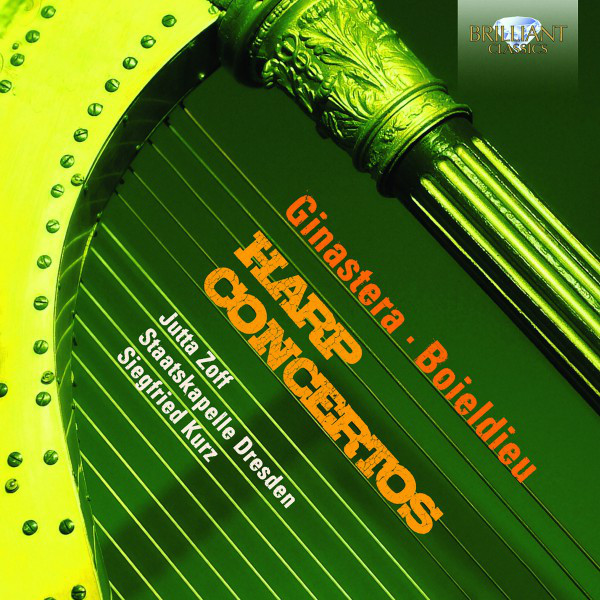
Jutta Zoff
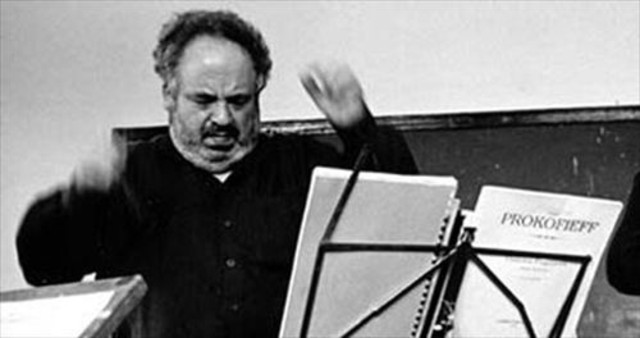
Misha Rachlevsky
Johannes Goritzki
Orchestre Philharmonique de Monte-Carlo
Jacques Zoon

William Herschel

Stuttgart Philharmonic Orchestra
Christian Ludwig

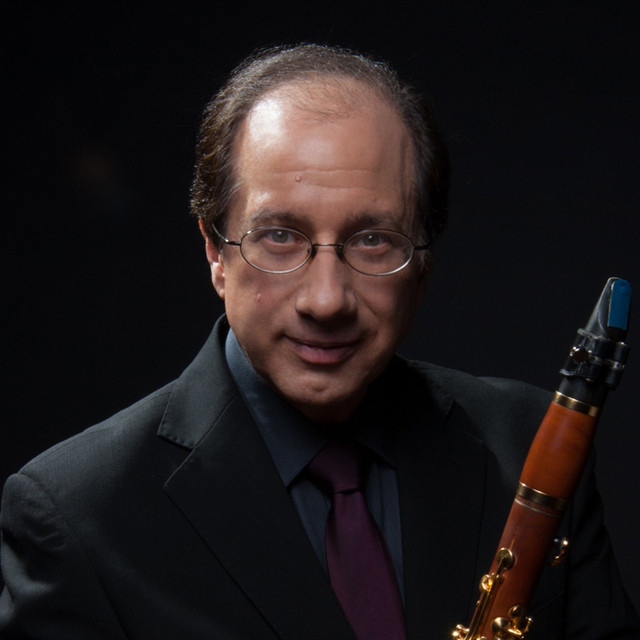
Charles Neidich
Grand Philharmonia Orchestra
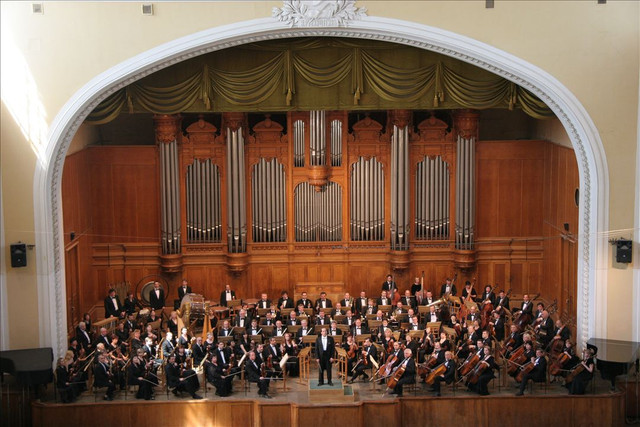
Moscow State Symphony Orchestra

Omer Meir Wellber