Data may be outdated
Last updated: 9 months ago — Click refresh to get the latest statistics.
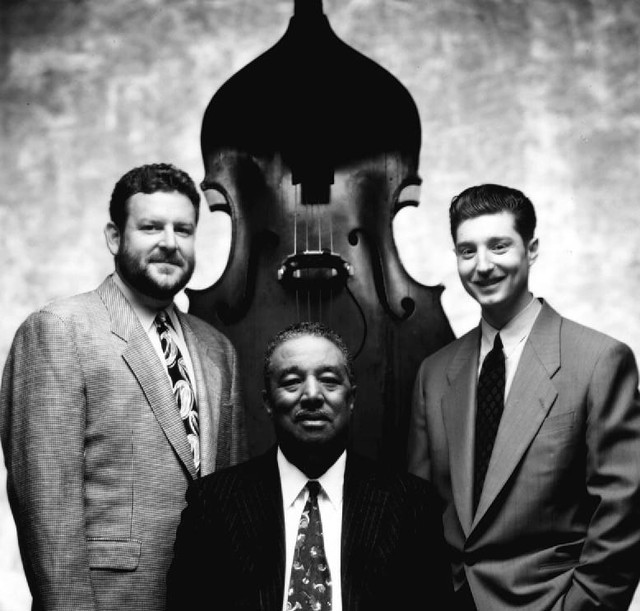
With his warm, velvety sound, singer and pianist Freddy Cole earned a reputation as an urbane performer whose music was the epitome of straight-ahead jazz and R&B. Initially breaking through with his 1953 hit "Whispering Grass," Cole drew favorable comparisons to (and spent much of his early career in the shadow of) his older brother, singer <a href="spotify:artist:7v4imS0moSyGdXyLgVTIV7">Nat King Cole</a>. However, after issuing 1990's I'm Not My Brother, I'm Me, he enjoyed a mid-career resurgence, releasing a bevy of well-regarded albums and picking up four Grammy nominations, including one for 2000's Merry Go-Round, 2010's Freddy Cole Sings Mr. B, and 2018's My Mood Is You.
Lionel Frederick Cole was born in 1931 and grew up in Chicago, Illinois where his minister father and musically inclined mother encouraged him to start playing piano around age five. As with his piano-playing older brothers, <a href="spotify:artist:4hPD7hAG9uVqApgAUI8bTb">Ike Cole</a> and <a href="spotify:artist:7v4imS0moSyGdXyLgVTIV7">Nat King Cole</a>, Freddy Cole excelled at music, and by his teens was already a gifted performer. Along with piano, he was also a talented football player. However, after sustaining a sports-related injury in high school, he decided to focus on a career in music. He honed his skills first at Chicago's Roosevelt Institute, and then at the Juilliard School of Music in New York before earning his master's degree at the New England Conservatory of Music. Following his education, he made his recorded debut with the 1952 single "The Joke's on Me" for the obscure Chicago-based Topper Records. His next single, "Whispering Grass," on <a href="spotify:search:label%3A%22Columbia%22">Columbia</a>'s <a href="spotify:search:label%3A%22OKeh%22">OKeh</a> label, was a moderate hit in 1953, after which he spent several months on the road alongside <a href="spotify:artist:0RKsF1pa3v0hhEeJbt5AxV">Johnny Coles</a> and <a href="spotify:artist:78NDaMzmcDKjt7mkXs7AuG">Benny Golson</a> in the <a href="spotify:artist:3uPH2E6G8gBlatMzfQR4lL">Earl Bostic Band</a>. In 1964, he made his full-length debut with Waiter, Ask the Man to Play the Blues on <a href="spotify:search:label%3A%22Dot%22">Dot</a>, backed by bassist <a href="spotify:artist:5tMntK802KgUTLHsIfPwk4">Milt Hinton</a> and drummer <a href="spotify:artist:2CYAlie3PicoM8mtJ5PekE">Osie Johnson</a>.
Over the next decade, Cole stayed busy issuing a run of albums, including titles like 1976's As Long as I'm Singing, 1978's One More Love Song, and 1980's Right from the Heart. He also founded his own First Shot label. In 1990, he returned to more regular recording with I'm Not My Brother, I'm Me, a sophisticated trio date featuring guitarist Ed Zad and bassist <a href="spotify:artist:5MtOUm73okis3W8HneS1Nm">Eddie Edwards</a>. The album marked a career resurgence for the singer/pianist, whose profile continued to rise over the next several years with efforts like 1993's This Is Life, 1997's To the Ends of the Earth, and 1999's Le Grand Freddy.
By 2000, Cole had signed with <a href="spotify:search:label%3A%22Telarc%22">Telarc</a> and released Merry-Go-Round, for which he earned a Grammy nomination for Best Jazz Vocal Album. He followed it up with the Latin-tinged Rio de Janeiro Blue in 2001 and In the Name of Love in 2003, the latter of which featured an approach to soft pop hits made famous by <a href="spotify:artist:0h9smro0z3HqUbD94jotU8">Smokey Robinson</a>, <a href="spotify:artist:4KDyYWR7IpxZ7xrdYbKrqY">Bonnie Raitt</a>, and <a href="spotify:artist:44NX2ffIYHr6D4n7RaZF7A">Van Morrison</a>, among others. In 2004, <a href="spotify:search:label%3A%22GRP%22">GRP</a> reissued his 1964 recording Waiter, Ask the Man to Play the Blues. Cole returned to the <a href="spotify:search:label%3A%22Highnote%22">Highnote</a> label for several well-received albums including 2005's This Love of Mine and 2006's Because of You. Also in 2006, he gained further attention as the subject of the documentary film The Cole Nobody Knows. He also earned a second Grammy nomination for 2007's Music Maestro Please.
With 2010's Freddy Cole Sings Mr. B, he paid homage to longtime friend and fellow Chicago-bred baritone <a href="spotify:artist:6htazaFMy8zs0f3sMtM2Pt">Billy Eckstine</a>. The album earned Cole his third Grammy nomination. A year later, he returned with Talk to Me, featuring guitarist <a href="spotify:artist:2RrmIuY8wPl17Q2wKV9bpv">Randy Napoleon</a>, saxophonist <a href="spotify:artist:7HEPzI1k3SXs2lJ3EixmjR">Harry Allen</a>, trumpeter <a href="spotify:artist:7rF1f3ZbidUhK24k7N8RcB">Terell Stafford</a>, and others. Two years later, he issued This and That, followed by Singing the Blues in 2014. He then paid tribute to his late brother <a href="spotify:artist:7v4imS0moSyGdXyLgVTIV7">Nat King Cole</a> with 2016's He Was the King. The Grammy-nominated My Mood Is You arrived in 2018 and featured contributions from saxophonist <a href="spotify:artist:78tGlRBjLrulJ8xqoZw83M">Joel Frahm</a>, guitarist <a href="spotify:artist:2RrmIuY8wPl17Q2wKV9bpv">Randy Napoleon</a>, and others. Freddy Cole died in Atlanta, Georgia on June 27, 2020 due to complications from cardiovascular disease; he was 88 years old. ~ Matt Collar, Rovi
Lionel Frederick Cole was born in 1931 and grew up in Chicago, Illinois where his minister father and musically inclined mother encouraged him to start playing piano around age five. As with his piano-playing older brothers, <a href="spotify:artist:4hPD7hAG9uVqApgAUI8bTb">Ike Cole</a> and <a href="spotify:artist:7v4imS0moSyGdXyLgVTIV7">Nat King Cole</a>, Freddy Cole excelled at music, and by his teens was already a gifted performer. Along with piano, he was also a talented football player. However, after sustaining a sports-related injury in high school, he decided to focus on a career in music. He honed his skills first at Chicago's Roosevelt Institute, and then at the Juilliard School of Music in New York before earning his master's degree at the New England Conservatory of Music. Following his education, he made his recorded debut with the 1952 single "The Joke's on Me" for the obscure Chicago-based Topper Records. His next single, "Whispering Grass," on <a href="spotify:search:label%3A%22Columbia%22">Columbia</a>'s <a href="spotify:search:label%3A%22OKeh%22">OKeh</a> label, was a moderate hit in 1953, after which he spent several months on the road alongside <a href="spotify:artist:0RKsF1pa3v0hhEeJbt5AxV">Johnny Coles</a> and <a href="spotify:artist:78NDaMzmcDKjt7mkXs7AuG">Benny Golson</a> in the <a href="spotify:artist:3uPH2E6G8gBlatMzfQR4lL">Earl Bostic Band</a>. In 1964, he made his full-length debut with Waiter, Ask the Man to Play the Blues on <a href="spotify:search:label%3A%22Dot%22">Dot</a>, backed by bassist <a href="spotify:artist:5tMntK802KgUTLHsIfPwk4">Milt Hinton</a> and drummer <a href="spotify:artist:2CYAlie3PicoM8mtJ5PekE">Osie Johnson</a>.
Over the next decade, Cole stayed busy issuing a run of albums, including titles like 1976's As Long as I'm Singing, 1978's One More Love Song, and 1980's Right from the Heart. He also founded his own First Shot label. In 1990, he returned to more regular recording with I'm Not My Brother, I'm Me, a sophisticated trio date featuring guitarist Ed Zad and bassist <a href="spotify:artist:5MtOUm73okis3W8HneS1Nm">Eddie Edwards</a>. The album marked a career resurgence for the singer/pianist, whose profile continued to rise over the next several years with efforts like 1993's This Is Life, 1997's To the Ends of the Earth, and 1999's Le Grand Freddy.
By 2000, Cole had signed with <a href="spotify:search:label%3A%22Telarc%22">Telarc</a> and released Merry-Go-Round, for which he earned a Grammy nomination for Best Jazz Vocal Album. He followed it up with the Latin-tinged Rio de Janeiro Blue in 2001 and In the Name of Love in 2003, the latter of which featured an approach to soft pop hits made famous by <a href="spotify:artist:0h9smro0z3HqUbD94jotU8">Smokey Robinson</a>, <a href="spotify:artist:4KDyYWR7IpxZ7xrdYbKrqY">Bonnie Raitt</a>, and <a href="spotify:artist:44NX2ffIYHr6D4n7RaZF7A">Van Morrison</a>, among others. In 2004, <a href="spotify:search:label%3A%22GRP%22">GRP</a> reissued his 1964 recording Waiter, Ask the Man to Play the Blues. Cole returned to the <a href="spotify:search:label%3A%22Highnote%22">Highnote</a> label for several well-received albums including 2005's This Love of Mine and 2006's Because of You. Also in 2006, he gained further attention as the subject of the documentary film The Cole Nobody Knows. He also earned a second Grammy nomination for 2007's Music Maestro Please.
With 2010's Freddy Cole Sings Mr. B, he paid homage to longtime friend and fellow Chicago-bred baritone <a href="spotify:artist:6htazaFMy8zs0f3sMtM2Pt">Billy Eckstine</a>. The album earned Cole his third Grammy nomination. A year later, he returned with Talk to Me, featuring guitarist <a href="spotify:artist:2RrmIuY8wPl17Q2wKV9bpv">Randy Napoleon</a>, saxophonist <a href="spotify:artist:7HEPzI1k3SXs2lJ3EixmjR">Harry Allen</a>, trumpeter <a href="spotify:artist:7rF1f3ZbidUhK24k7N8RcB">Terell Stafford</a>, and others. Two years later, he issued This and That, followed by Singing the Blues in 2014. He then paid tribute to his late brother <a href="spotify:artist:7v4imS0moSyGdXyLgVTIV7">Nat King Cole</a> with 2016's He Was the King. The Grammy-nominated My Mood Is You arrived in 2018 and featured contributions from saxophonist <a href="spotify:artist:78tGlRBjLrulJ8xqoZw83M">Joel Frahm</a>, guitarist <a href="spotify:artist:2RrmIuY8wPl17Q2wKV9bpv">Randy Napoleon</a>, and others. Freddy Cole died in Atlanta, Georgia on June 27, 2020 due to complications from cardiovascular disease; he was 88 years old. ~ Matt Collar, Rovi
Monthly Listeners
95,141
Monthly Listeners History
Track the evolution of monthly listeners over the last 28 days.
Followers
17,540
Followers History
Track the evolution of followers over the last 28 days.
Top Cities
1,856 listeners
1,304 listeners

1,001 listeners
934 listeners

916 listeners
Related Artists




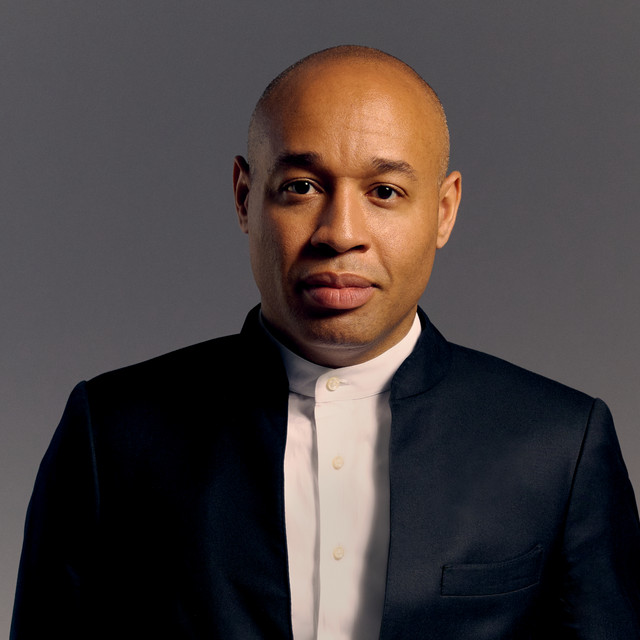
Aaron Diehl




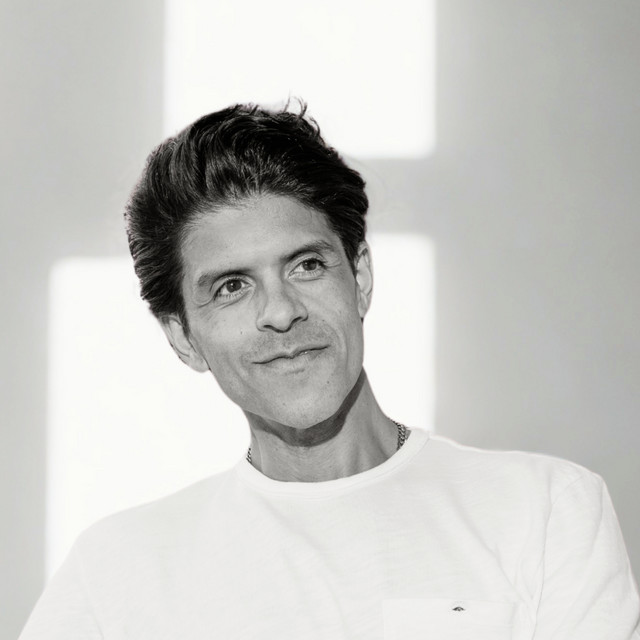
Ali Jackson