Last updated: 6 hours ago
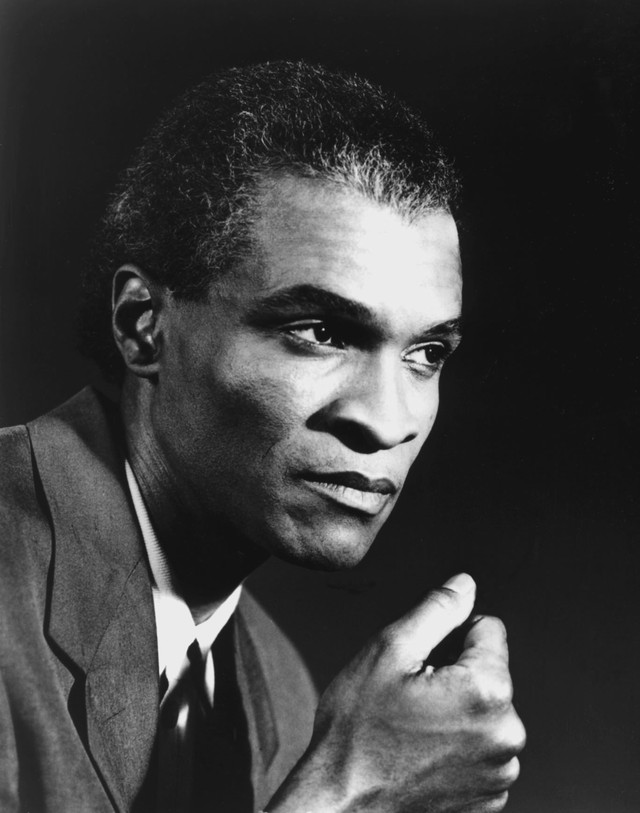
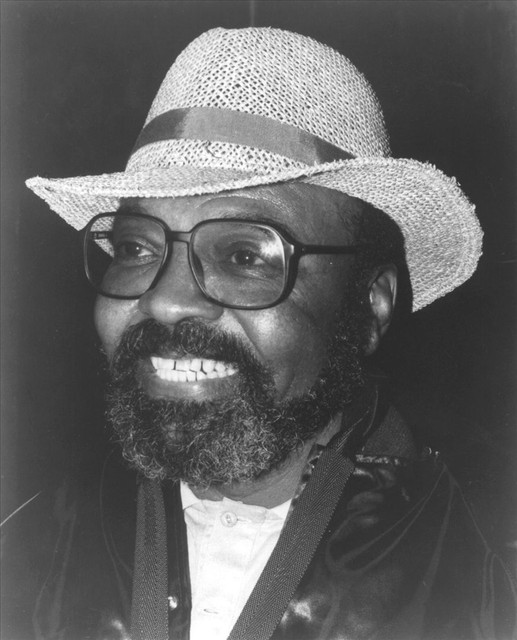
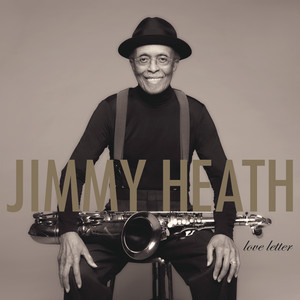
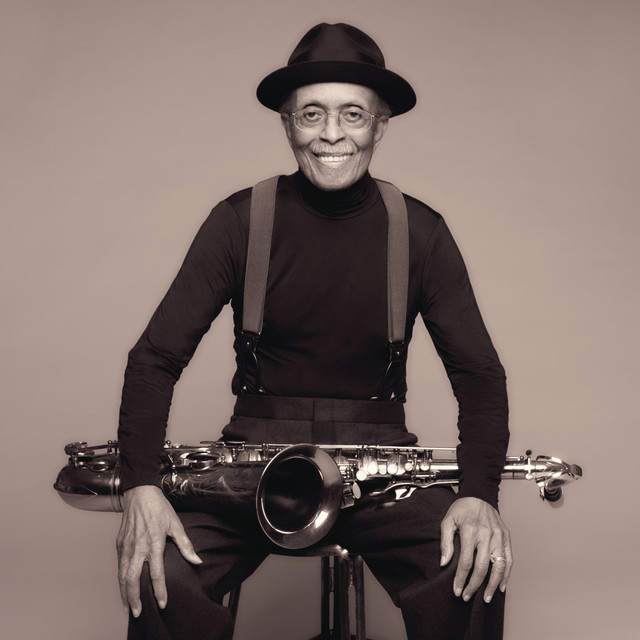
With his delicately soulful tone and refined ear for lyrical, hard-swinging bop, tenor saxophonist Jimmy Heath helped shepherd modern jazz into the 21st century. Initially emerging as a member of <a href="spotify:artist:5RzjqfPS0Bu4bUMkyNNDpn">Dizzy Gillespie</a>'s big band in the 1940s, Heath (then known as "Little Bird" after his idol <a href="spotify:artist:4Ww5mwS7BWYjoZTUIrMHfC">Charlie "Yardbird" Parker</a>) would establish his reputation as gifted improviser and composer, working with innovators like <a href="spotify:artist:0kbYTNQb4Pb1rPbbaF0pT4">Miles Davis</a>, <a href="spotify:artist:2hGh5VOeeqimQFxqXvfCUf">John Coltrane</a>, and <a href="spotify:artist:23i8EixXKG0EWGRCfHlUGN">Milt Jackson</a>. He came to his greatest acclaim in the late '50s, penning a bevy of compositions like "C.T.A.," "Gingerbread Boy," and "For Minors Only," many of which would become jazz standards. His early <a href="spotify:search:label%3A%22Riverside%22">Riverside</a> albums, including 1959's The Thumper, 1962's Triple Threat, and 1964's On the Trail, are the epitome of hard bop, and many of the albums he contributed to are classics. He recorded for such varied labels as <a href="spotify:search:label%3A%22Strata+East%22">Strata East</a>, <a href="spotify:search:label%3A%22Muse%22">Muse</a>, and <a href="spotify:search:label%3A%22Columbia%22">Columbia</a>, working with his siblings, bassist <a href="spotify:artist:0vKbTTNdtagd8xiERj6Szb">Percy Heath</a> and drummer <a href="spotify:artist:53yX28INJxLAZYpUbANw3K">Albert "Tootie" Heath</a>, as <a href="spotify:artist:4Upg1zg8csdQLH7ut8W3cO">the Heath Brothers</a>, and collaborating with boundary-pushing stylists like <a href="spotify:artist:0z1dQNcFhJxJjJPg9TQH3t">Charles Tolliver</a>, <a href="spotify:artist:08t8fsEfRI7HSt2MlW2OTX">Stanley Cowell</a>, and <a href="spotify:artist:4L9xEztn5PKQIO5WnI5W3u">Art Farmer</a>. Along with three Grammy nominations, including for 1994's Little Man, Big Band, Heath was also a 2003 NEA Jazz Master who dedicated much of his career to teaching, working at the Aaron Copland School of Music at Queens College, and helping to oversee the <a href="spotify:artist:19eLuQmk9aCobbVDHc6eek">Louis Armstrong</a> Archives. Still, performing remained his passion and he continued to work throughout his later years, often playing alongside younger musicians, including <a href="spotify:artist:49zXTngyUTielHTbbH5YKs">Roy Hargrove</a> on his 2012 85th birthday celebration Togetherness: Live at the Blue Note, and <a href="spotify:artist:375zxMmh2cSgUzFFnva0O7">Wynton Marsalis</a> and <a href="spotify:artist:6PkSULcbxFKkxdgrmPGAvn">Cecile McLorin Salvant</a> on 2020's Love Letter.
Born in Philadelphia in 1926, Heath was introduced to jazz and big-band music by his father, an auto mechanic and part-time clarinet player, and mother, a singer in their church choir. However, due to the Depression his father often found himself out of work. Subsequently, Heath and his siblings were sent to live with their grandparents who ran a grocery store in Wilmington, North Carolina. It was there, while going to high school, that Jimmy started playing the alto saxophone, participating in the concert and marching band programs. Similarly, his older brother <a href="spotify:artist:0vKbTTNdtagd8xiERj6Szb">Percy</a> played bass and his younger brother <a href="spotify:artist:53yX28INJxLAZYpUbANw3K">Albert "Tootie"</a> played drums. He also had a sister Elizabeth who played piano. They would return home to Philadelphia for the summer, during which time Jimmy took private lessons. After graduating high school in 1943, Heath started his own swing dance band. He also performed with the Nat Towles band. By 1947, he was leading his own small group, playing alongside a young <a href="spotify:artist:2hGh5VOeeqimQFxqXvfCUf">John Coltrane</a>, trumpeter <a href="spotify:artist:0RKsF1pa3v0hhEeJbt5AxV">Johnny Coles</a>, tenor saxophonist <a href="spotify:artist:78NDaMzmcDKjt7mkXs7AuG">Benny Golson</a>, bassist <a href="spotify:artist:67LvNNkbScytSJKfUrDgrj">Nelson Boyd</a>, drummer Specs Wright, and other Philadelphia natives. It was also around this time that he discovered bebop, influenced heavily by altoist <a href="spotify:artist:4Ww5mwS7BWYjoZTUIrMHfC">Charlie "Yardbird" Parker</a>. In 1948, Heath joined trumpeter <a href="spotify:artist:3z4qqrJqPWfTl9CSUNxb93">Howard McGhee</a>. He was soon joined by his brother <a href="spotify:artist:0vKbTTNdtagd8xiERj6Szb">Percy</a> and together they toured Paris, appearing at the city's first jazz festival. It was while with <a href="spotify:artist:3z4qqrJqPWfTl9CSUNxb93">McGhee</a> that Heath earned his nickname "Little Bird," due in part to his love of <a href="spotify:artist:4Ww5mwS7BWYjoZTUIrMHfC">Parker</a> and his small stature; he had been turned away for the draft during WWII for being below the minimum weight. The following year, Heath became a member of trumpeter <a href="spotify:artist:5RzjqfPS0Bu4bUMkyNNDpn">Dizzy Gillespie</a>'s band, which also featured a number of other Philadelphia regulars including <a href="spotify:artist:2hGh5VOeeqimQFxqXvfCUf">Coltrane</a>.
In the early '50s, Heath switched to tenor saxophone to better set himself apart from <a href="spotify:artist:4Ww5mwS7BWYjoZTUIrMHfC">Parker</a> and to secure more gigs. Soon after, he joined <a href="spotify:artist:0kbYTNQb4Pb1rPbbaF0pT4">Miles Davis</a>' band, appearing on the trumpeter's second album, 1952's Young Man with a Horn. There were also seminal dates with <a href="spotify:artist:3hZ5sdhYTvgrmXIwtVwqmS">J.J. Johnson</a>, <a href="spotify:artist:1HJHwWck1EY096ea2iPAHO">Clifford Brown</a>, and <a href="spotify:artist:2fMvylhnE23sAlyePKK8er">Kenny Dorham</a>. Just as his career was taking off, Heath (an admitted drug addict) was arrested and convicted twice for the sale of heroin. His first arrest came in 1954 and found him incarcerated at the Federal Medical Center in Lexington, Kentucky. Following his release, he was again arrested in 1955 and sentenced to six years in prison. Sent to Lewisburg Penitentiary in Pennsylvania, he served four years. While in prison, Heath continued to write music, arranging for the prison big band and composing songs like "For Minors Only," "C.T.A.," ''Picture of Heath," and "For Miles and Miles," most of which gained wider attention after they were included on <a href="spotify:artist:3rxeQlsv0Sc2nyYaZ5W71T">Chet Baker</a> and <a href="spotify:artist:3GpMtIOC5ZLvMBMI7IxPvA">Art Pepper</a>'s 1956 album Playboys.
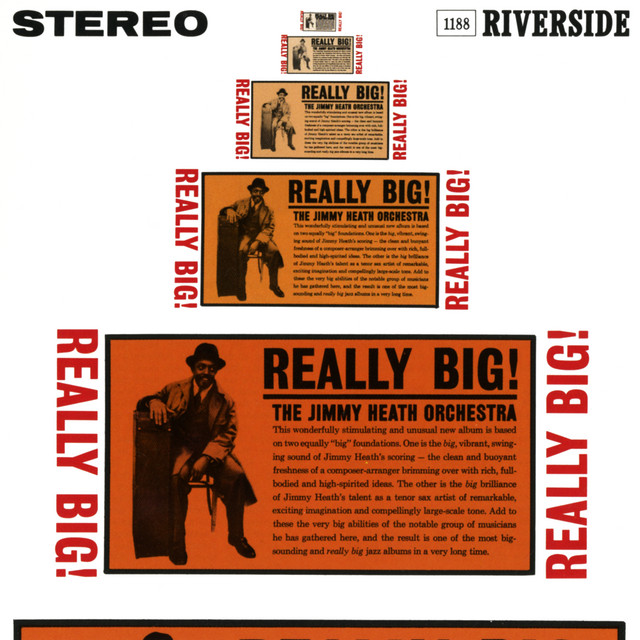
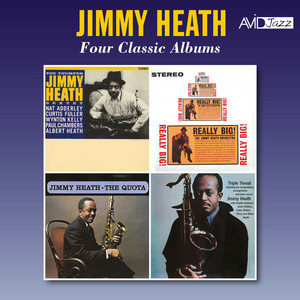
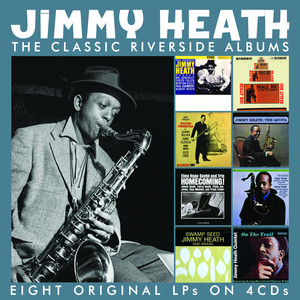
Released from prison in 1959, Heath, now sober, immediately began to rebuild his career. That same year, he made his long-awaited debut as leader with The Thumper, an all-star session for <a href="spotify:search:label%3A%22Riverside%22">Riverside</a> featuring cornetist <a href="spotify:artist:7KjjSmSX5wCE1KYOerEf6D">Nat Adderley</a>, trombonist <a href="spotify:artist:2Ma7hbsouPDXerzHHcfnVK">Curtis Fuller</a>, pianist <a href="spotify:artist:5ncBRFyyylFng7kQJaRXN0">Wynton Kelly</a>, bassist <a href="spotify:artist:0M1UOBJZ9tcKJbrbnVlHZG">Paul Chambers</a>, and his brother drummer <a href="spotify:artist:53yX28INJxLAZYpUbANw3K">Albert</a>. He also appeared on trumpeter <a href="spotify:artist:420BtT2Zyze7Eb9zqHcliW">Blue Mitchell</a>'s classic album Blue Soul and briefly re-joined <a href="spotify:artist:0kbYTNQb4Pb1rPbbaF0pT4">Miles Davis</a>' group, taking over for <a href="spotify:artist:2hGh5VOeeqimQFxqXvfCUf">Coltrane</a>. Equally well-regarded sessions followed, including albums with <a href="spotify:artist:2fMvylhnE23sAlyePKK8er">Kenny Dorham</a>, <a href="spotify:artist:1kAv08slEx0DSJkSOrKlsY">Sam Jones</a>, <a href="spotify:artist:0fTHKjepK5HWOrb2rkS5Em">Freddie Hubbard</a>, and others. He followed his debut with the 1960 large-ensemble album Really Big!, featuring cornetist <a href="spotify:artist:7KjjSmSX5wCE1KYOerEf6D">Adderley</a>, flugelhornist <a href="spotify:artist:62xdwGEOLoGQxKUqoJusyU">Clark Terry</a>, altoist <a href="spotify:artist:5v74mT11KGJqadf9sLw4dA">Cannonball Adderley</a>, and pianists <a href="spotify:artist:7DCTgrI6aDK3nBRZm5RUKT">Cedar Walton</a> and <a href="spotify:artist:6dUZplQfg5blo0h9HiJ94d">Tommy Flanagan</a>. Heath's output increased significantly throughout the early '60s with albums like 1961's The Quota, 1962's Triple Threat, and 1964's On the Trail, the latter of which introduced two more of his originals with "Gingerbread Boy" and "Project S." He also recorded albums with <a href="spotify:artist:23i8EixXKG0EWGRCfHlUGN">Milt Jackson</a>, <a href="spotify:artist:2oVwztjpHpJlAvlVVuqVa0">Mongo Santamaria</a>, and others.
Heath returned to his solo work with 1972's The Gap Sealer, a hard-hitting album that found him playing both alto and tenor saxophone, as well as flute. Along with pianists <a href="spotify:artist:3LvX4UVIfEjsQVqrbBToQ3">Kenny Barron</a> and <a href="spotify:artist:08t8fsEfRI7HSt2MlW2OTX">Stanley Cowell</a>, bassist <a href="spotify:artist:3K4JRC7kRVAJoD9py8Rup6">Bob Cranshaw</a>, and his brother drummer <a href="spotify:artist:53yX28INJxLAZYpUbANw3K">Albert</a>, the album was also his first to feature his son, percussionist <a href="spotify:artist:70BKzzU2tSfJIJiUE0h9UW">James Mtume</a>. He then recorded several albums for the <a href="spotify:search:label%3A%22Muse%22">Muse</a> label, including 1973's Love and Understanding, all of which found him further expanding his approach, embracing funk, avant-garde, and spiritual jazz influences. It was also during this period that he formed the <a href="spotify:artist:4Upg1zg8csdQLH7ut8W3cO">Heath Brothers</a> with his siblings <a href="spotify:artist:0vKbTTNdtagd8xiERj6Szb">Percy</a> and <a href="spotify:artist:53yX28INJxLAZYpUbANw3K">Albert</a>, as well as pianist <a href="spotify:artist:08t8fsEfRI7HSt2MlW2OTX">Cowell</a>. The group debuted the with 1975's Marchin' On, released on <a href="spotify:artist:08t8fsEfRI7HSt2MlW2OTX">Cowell</a> and trumpeter <a href="spotify:artist:0z1dQNcFhJxJjJPg9TQH3t">Charles Tolliver</a>'s <a href="spotify:search:label%3A%22Strata+East%22">Strata East</a> label. They gained wider visibility after signing with <a href="spotify:search:label%3A%22Columbia+Records%22">Columbia Records</a> and releasing 1978's Passin' Thru and 1979's In Motion.
In the '80s, Heath expanded into teaching, joining the faculty of the Aaron Copland School of Music at Queens College, City University of New York. Over the next 20 years, he balanced teaching and performing, helping create the school's jazz education program and attracting other jazz luminaries to campus, including <a href="spotify:artist:3ZUZYvTkSr7kJQyAXVpqaL">Donald Byrd</a>. He also served on the board of the school's <a href="spotify:artist:19eLuQmk9aCobbVDHc6eek">Louis Armstrong</a> Archives and aided in the restoration of <a href="spotify:artist:19eLuQmk9aCobbVDHc6eek">Armstrong</a>'s home in Corona, Queens. Despite his dedication to teaching, he continued to perform and record during these years, releasing albums like 1987's Peer Pressure, 1992's Grammy-nominated Little Man, Big Band, and 1994's You've Changed.
In 2006, he again showcased his big band with Turn Up the Heath. He then collaborated with the <a href="spotify:artist:1d4CAZkN9eCjajYNNJI8PT">Seattle Repertory Jazz Orchestra</a> on the commissioned Endless Search. In 2011, Heath celebrated his 85th birthday with two nights of live performances at New York's Blue Note, backed by his 18-member big band. Released in 2012 as Togetherness: Live at the Blue Note, it featured appearances by <a href="spotify:artist:49zXTngyUTielHTbbH5YKs">Roy Hargrove</a>, Peter Washington, <a href="spotify:artist:2v2TVDl1P2YDSy9jXntWFt">Lewis Nash</a>, <a href="spotify:artist:37SVnwHrnnfBR1Gb0Yq7GD">Steve Davis</a>, and others. Heath died on January 19, 2020 in Loganville, Georgia from natural causes. He was 93 years old. A posthumous album, Love Letter, arrived that August and worked as a romantic farewell from the saxophonist. It featured guest spots by <a href="spotify:artist:375zxMmh2cSgUzFFnva0O7">Wynton Marsalis</a>, <a href="spotify:artist:6PkSULcbxFKkxdgrmPGAvn">Cecile McLorin Salvant</a>, and <a href="spotify:artist:06nevPmNVfWUXyZkccahL8">Gregory Porter</a>. ~ Matt Collar, Rovi
Born in Philadelphia in 1926, Heath was introduced to jazz and big-band music by his father, an auto mechanic and part-time clarinet player, and mother, a singer in their church choir. However, due to the Depression his father often found himself out of work. Subsequently, Heath and his siblings were sent to live with their grandparents who ran a grocery store in Wilmington, North Carolina. It was there, while going to high school, that Jimmy started playing the alto saxophone, participating in the concert and marching band programs. Similarly, his older brother <a href="spotify:artist:0vKbTTNdtagd8xiERj6Szb">Percy</a> played bass and his younger brother <a href="spotify:artist:53yX28INJxLAZYpUbANw3K">Albert "Tootie"</a> played drums. He also had a sister Elizabeth who played piano. They would return home to Philadelphia for the summer, during which time Jimmy took private lessons. After graduating high school in 1943, Heath started his own swing dance band. He also performed with the Nat Towles band. By 1947, he was leading his own small group, playing alongside a young <a href="spotify:artist:2hGh5VOeeqimQFxqXvfCUf">John Coltrane</a>, trumpeter <a href="spotify:artist:0RKsF1pa3v0hhEeJbt5AxV">Johnny Coles</a>, tenor saxophonist <a href="spotify:artist:78NDaMzmcDKjt7mkXs7AuG">Benny Golson</a>, bassist <a href="spotify:artist:67LvNNkbScytSJKfUrDgrj">Nelson Boyd</a>, drummer Specs Wright, and other Philadelphia natives. It was also around this time that he discovered bebop, influenced heavily by altoist <a href="spotify:artist:4Ww5mwS7BWYjoZTUIrMHfC">Charlie "Yardbird" Parker</a>. In 1948, Heath joined trumpeter <a href="spotify:artist:3z4qqrJqPWfTl9CSUNxb93">Howard McGhee</a>. He was soon joined by his brother <a href="spotify:artist:0vKbTTNdtagd8xiERj6Szb">Percy</a> and together they toured Paris, appearing at the city's first jazz festival. It was while with <a href="spotify:artist:3z4qqrJqPWfTl9CSUNxb93">McGhee</a> that Heath earned his nickname "Little Bird," due in part to his love of <a href="spotify:artist:4Ww5mwS7BWYjoZTUIrMHfC">Parker</a> and his small stature; he had been turned away for the draft during WWII for being below the minimum weight. The following year, Heath became a member of trumpeter <a href="spotify:artist:5RzjqfPS0Bu4bUMkyNNDpn">Dizzy Gillespie</a>'s band, which also featured a number of other Philadelphia regulars including <a href="spotify:artist:2hGh5VOeeqimQFxqXvfCUf">Coltrane</a>.
In the early '50s, Heath switched to tenor saxophone to better set himself apart from <a href="spotify:artist:4Ww5mwS7BWYjoZTUIrMHfC">Parker</a> and to secure more gigs. Soon after, he joined <a href="spotify:artist:0kbYTNQb4Pb1rPbbaF0pT4">Miles Davis</a>' band, appearing on the trumpeter's second album, 1952's Young Man with a Horn. There were also seminal dates with <a href="spotify:artist:3hZ5sdhYTvgrmXIwtVwqmS">J.J. Johnson</a>, <a href="spotify:artist:1HJHwWck1EY096ea2iPAHO">Clifford Brown</a>, and <a href="spotify:artist:2fMvylhnE23sAlyePKK8er">Kenny Dorham</a>. Just as his career was taking off, Heath (an admitted drug addict) was arrested and convicted twice for the sale of heroin. His first arrest came in 1954 and found him incarcerated at the Federal Medical Center in Lexington, Kentucky. Following his release, he was again arrested in 1955 and sentenced to six years in prison. Sent to Lewisburg Penitentiary in Pennsylvania, he served four years. While in prison, Heath continued to write music, arranging for the prison big band and composing songs like "For Minors Only," "C.T.A.," ''Picture of Heath," and "For Miles and Miles," most of which gained wider attention after they were included on <a href="spotify:artist:3rxeQlsv0Sc2nyYaZ5W71T">Chet Baker</a> and <a href="spotify:artist:3GpMtIOC5ZLvMBMI7IxPvA">Art Pepper</a>'s 1956 album Playboys.
Released from prison in 1959, Heath, now sober, immediately began to rebuild his career. That same year, he made his long-awaited debut as leader with The Thumper, an all-star session for <a href="spotify:search:label%3A%22Riverside%22">Riverside</a> featuring cornetist <a href="spotify:artist:7KjjSmSX5wCE1KYOerEf6D">Nat Adderley</a>, trombonist <a href="spotify:artist:2Ma7hbsouPDXerzHHcfnVK">Curtis Fuller</a>, pianist <a href="spotify:artist:5ncBRFyyylFng7kQJaRXN0">Wynton Kelly</a>, bassist <a href="spotify:artist:0M1UOBJZ9tcKJbrbnVlHZG">Paul Chambers</a>, and his brother drummer <a href="spotify:artist:53yX28INJxLAZYpUbANw3K">Albert</a>. He also appeared on trumpeter <a href="spotify:artist:420BtT2Zyze7Eb9zqHcliW">Blue Mitchell</a>'s classic album Blue Soul and briefly re-joined <a href="spotify:artist:0kbYTNQb4Pb1rPbbaF0pT4">Miles Davis</a>' group, taking over for <a href="spotify:artist:2hGh5VOeeqimQFxqXvfCUf">Coltrane</a>. Equally well-regarded sessions followed, including albums with <a href="spotify:artist:2fMvylhnE23sAlyePKK8er">Kenny Dorham</a>, <a href="spotify:artist:1kAv08slEx0DSJkSOrKlsY">Sam Jones</a>, <a href="spotify:artist:0fTHKjepK5HWOrb2rkS5Em">Freddie Hubbard</a>, and others. He followed his debut with the 1960 large-ensemble album Really Big!, featuring cornetist <a href="spotify:artist:7KjjSmSX5wCE1KYOerEf6D">Adderley</a>, flugelhornist <a href="spotify:artist:62xdwGEOLoGQxKUqoJusyU">Clark Terry</a>, altoist <a href="spotify:artist:5v74mT11KGJqadf9sLw4dA">Cannonball Adderley</a>, and pianists <a href="spotify:artist:7DCTgrI6aDK3nBRZm5RUKT">Cedar Walton</a> and <a href="spotify:artist:6dUZplQfg5blo0h9HiJ94d">Tommy Flanagan</a>. Heath's output increased significantly throughout the early '60s with albums like 1961's The Quota, 1962's Triple Threat, and 1964's On the Trail, the latter of which introduced two more of his originals with "Gingerbread Boy" and "Project S." He also recorded albums with <a href="spotify:artist:23i8EixXKG0EWGRCfHlUGN">Milt Jackson</a>, <a href="spotify:artist:2oVwztjpHpJlAvlVVuqVa0">Mongo Santamaria</a>, and others.
Heath returned to his solo work with 1972's The Gap Sealer, a hard-hitting album that found him playing both alto and tenor saxophone, as well as flute. Along with pianists <a href="spotify:artist:3LvX4UVIfEjsQVqrbBToQ3">Kenny Barron</a> and <a href="spotify:artist:08t8fsEfRI7HSt2MlW2OTX">Stanley Cowell</a>, bassist <a href="spotify:artist:3K4JRC7kRVAJoD9py8Rup6">Bob Cranshaw</a>, and his brother drummer <a href="spotify:artist:53yX28INJxLAZYpUbANw3K">Albert</a>, the album was also his first to feature his son, percussionist <a href="spotify:artist:70BKzzU2tSfJIJiUE0h9UW">James Mtume</a>. He then recorded several albums for the <a href="spotify:search:label%3A%22Muse%22">Muse</a> label, including 1973's Love and Understanding, all of which found him further expanding his approach, embracing funk, avant-garde, and spiritual jazz influences. It was also during this period that he formed the <a href="spotify:artist:4Upg1zg8csdQLH7ut8W3cO">Heath Brothers</a> with his siblings <a href="spotify:artist:0vKbTTNdtagd8xiERj6Szb">Percy</a> and <a href="spotify:artist:53yX28INJxLAZYpUbANw3K">Albert</a>, as well as pianist <a href="spotify:artist:08t8fsEfRI7HSt2MlW2OTX">Cowell</a>. The group debuted the with 1975's Marchin' On, released on <a href="spotify:artist:08t8fsEfRI7HSt2MlW2OTX">Cowell</a> and trumpeter <a href="spotify:artist:0z1dQNcFhJxJjJPg9TQH3t">Charles Tolliver</a>'s <a href="spotify:search:label%3A%22Strata+East%22">Strata East</a> label. They gained wider visibility after signing with <a href="spotify:search:label%3A%22Columbia+Records%22">Columbia Records</a> and releasing 1978's Passin' Thru and 1979's In Motion.
In the '80s, Heath expanded into teaching, joining the faculty of the Aaron Copland School of Music at Queens College, City University of New York. Over the next 20 years, he balanced teaching and performing, helping create the school's jazz education program and attracting other jazz luminaries to campus, including <a href="spotify:artist:3ZUZYvTkSr7kJQyAXVpqaL">Donald Byrd</a>. He also served on the board of the school's <a href="spotify:artist:19eLuQmk9aCobbVDHc6eek">Louis Armstrong</a> Archives and aided in the restoration of <a href="spotify:artist:19eLuQmk9aCobbVDHc6eek">Armstrong</a>'s home in Corona, Queens. Despite his dedication to teaching, he continued to perform and record during these years, releasing albums like 1987's Peer Pressure, 1992's Grammy-nominated Little Man, Big Band, and 1994's You've Changed.
In 2006, he again showcased his big band with Turn Up the Heath. He then collaborated with the <a href="spotify:artist:1d4CAZkN9eCjajYNNJI8PT">Seattle Repertory Jazz Orchestra</a> on the commissioned Endless Search. In 2011, Heath celebrated his 85th birthday with two nights of live performances at New York's Blue Note, backed by his 18-member big band. Released in 2012 as Togetherness: Live at the Blue Note, it featured appearances by <a href="spotify:artist:49zXTngyUTielHTbbH5YKs">Roy Hargrove</a>, Peter Washington, <a href="spotify:artist:2v2TVDl1P2YDSy9jXntWFt">Lewis Nash</a>, <a href="spotify:artist:37SVnwHrnnfBR1Gb0Yq7GD">Steve Davis</a>, and others. Heath died on January 19, 2020 in Loganville, Georgia from natural causes. He was 93 years old. A posthumous album, Love Letter, arrived that August and worked as a romantic farewell from the saxophonist. It featured guest spots by <a href="spotify:artist:375zxMmh2cSgUzFFnva0O7">Wynton Marsalis</a>, <a href="spotify:artist:6PkSULcbxFKkxdgrmPGAvn">Cecile McLorin Salvant</a>, and <a href="spotify:artist:06nevPmNVfWUXyZkccahL8">Gregory Porter</a>. ~ Matt Collar, Rovi
Monthly Listeners
64,744
Monthly Listeners History
Track the evolution of monthly listeners over the last 28 days.
Followers
13,687
Followers History
Track the evolution of followers over the last 28 days.
Top Cities
1,134 listeners
588 listeners
535 listeners
500 listeners
499 listeners