Data may be outdated
Last updated: 9 months ago — Click refresh to get the latest statistics.
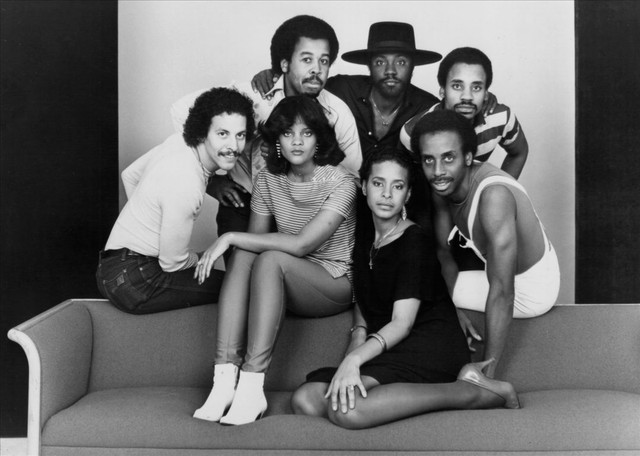
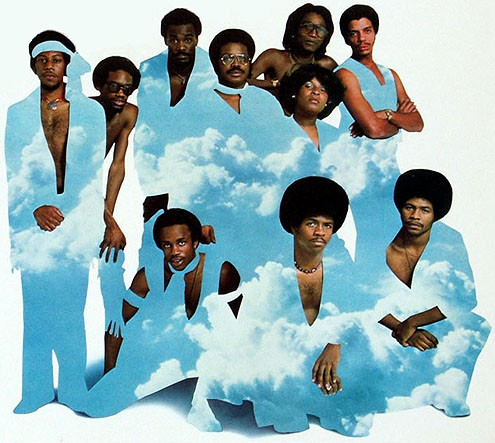
It was 1975 in Jackson, MS, when lead guitarist, Caleb Tyrone Armstrong, a student at Wingfield high school, and <a href="spotify:artist:4SGITJm1kRaIEoqEwv360I">Ray Smith</a> (bass), a student at Jackson State College, formed Freedom. The other members were Joe Leslie (lead singer and bongos), David Thigpen (sax), Victor Mason (drums), Larry Addison (keyboards & vocals), Adolph Adams (sax and vocals), and Robert Black (trumpet).
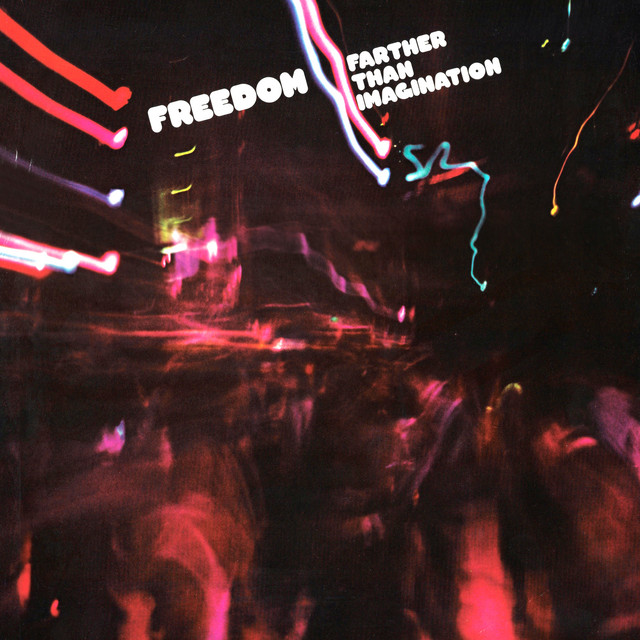
<a href="spotify:artist:04kWWhnACFsQZlReaxSqsc">Armstrong</a> started musically in his father's gospel group, Seven Star, with his brother, Leroy, who wasn't a part of Freedom. He switched to secular music in his teens and debuted with "Can't You See That I'm in Love" on Freedom Records; limited resources kept it local. They signed with Malaco Records in 1979. Their first single was "Dance and Sing Along" b/w "Set You Free," from the album Farther Than Imagination, which, like subsequent albums, consisted of group-written material.
Their second Malaco single became a virtual pot of gold, earning its writers <a href="spotify:artist:04kWWhnACFsQZlReaxSqsc">Armstrong</a> and Smith royalties that continue to check in. "Get Up and Dance" b/w "Summer Memory" was popular in the South, New York, and New Jersey. Freedom toured throughout the South with the top funk bands: the Bar Kays, <a href="spotify:artist:2hUkfSXyuDfQbUeNOShRiz">Con Funk Shun</a>, <a href="spotify:artist:545idYhdloaSlLGBY8E9u2">Cameo</a>, SOS Band, <a href="spotify:artist:1OGcRXAY9iO4egWiIBqX8F">Graham Central Station</a>, and <a href="spotify:artist:74lTWE4DqbFU3Vn8z4uH72">Lakeside</a>. Malaco didn't break the bank promoting the single or the album and both failed to register nationally, but the tune didn't escape <a href="spotify:artist:5hQCwevTf03u1rECrRMeop">Grandmaster Flash & the Furious Five</a>'s ears.
Renamed "Freedom" the revised "Get Up and Dance" scored a number 19 R&B hit for <a href="spotify:artist:5hQCwevTf03u1rECrRMeop">Grandmaster Flash & the Furious Five</a> and Sugar Hill Records. The new version listed seven names as songwriters, but not the creators' names -- <a href="spotify:artist:04kWWhnACFsQZlReaxSqsc">Armstrong</a> and Smith or the publishing companies. Malaco sued Sugar Hill for copyright infringement and received a big settlement for all the pertinent parties. Malaco and Thompson & Weakley Publishing shared the publishing income, and <a href="spotify:artist:04kWWhnACFsQZlReaxSqsc">Armstrong</a> and Smith got credit and songwriting royalties. <a href="spotify:artist:2gINJ8xw86xawPyGvx1bla">KRS-One</a> redid the same song as "You Must Learn." KRS-One's version credited <a href="spotify:artist:04kWWhnACFsQZlReaxSqsc">Armstrong</a> and Smith along with Lawrence Parker, alias <a href="spotify:artist:2gINJ8xw86xawPyGvx1bla">KRS-One</a> (Knowledge Reigns Supreme Over Nearly Everyone). <a href="spotify:artist:2NmK5FyrQ18HOPXq1UBzqa">SWV</a> later cut it as "Anything" with <a href="spotify:artist:04kWWhnACFsQZlReaxSqsc">Armstrong</a> and Smith sharing writers' credit with Brian Morgan. <a href="spotify:artist:36eSjIksD6fehqxyDUHDA3">Chris Rock</a> used it regularly on his television show; it was featured in the soundtracks: Above the Rim and New Jack City, and has been sampled by others, but few remember the original.
A second LP, Free, dropped in 1980 and included the songs "Funny Way," "Freedom Funk It Up," "Time to Get It On" and "Come on and Dance." Nothing scored until 1981 when "At the Party" b/w "I Give You Love," received a little love. The year saw the release of album number three -- Changes of Time, which featured the single, and "Stacked Back," "School Teacher," and "I Give You Love." Later in 1981, tragedy struck when lead singer Joe Leslie was killed; the group slowly disbanded.
Jesse Thompson recruited a new Freedom, but the public who knew the originals didn't fall for or appreciate the ruse. The occurrence confuses discographers who always lump the new group with the old group. This was easy to do; they both recorded for Malaco.
Tyrone Armstrong became an engineer at Chrysler and became involved in running MTL (Music Technology Lab) recording studios with his brother Leroy. He also wrote many songs for his church, Christ the King. He continued to play gigs at the Delta Blues Festival, the McCoomb Blues Festival, and other events. <a href="spotify:artist:4SGITJm1kRaIEoqEwv360I">Ray Smith</a> worked with <a href="spotify:artist:04kWWhnACFsQZlReaxSqsc">Armstrong</a> in the studio and remained active in music. David Thigpen played sax in church, occasionally hanging out at MTL. Larry Addison stayed in music and was a staff songwriter for Malaco as well as assisting at MTL. ~ Andrew Hamilton, Rovi
<a href="spotify:artist:04kWWhnACFsQZlReaxSqsc">Armstrong</a> started musically in his father's gospel group, Seven Star, with his brother, Leroy, who wasn't a part of Freedom. He switched to secular music in his teens and debuted with "Can't You See That I'm in Love" on Freedom Records; limited resources kept it local. They signed with Malaco Records in 1979. Their first single was "Dance and Sing Along" b/w "Set You Free," from the album Farther Than Imagination, which, like subsequent albums, consisted of group-written material.
Their second Malaco single became a virtual pot of gold, earning its writers <a href="spotify:artist:04kWWhnACFsQZlReaxSqsc">Armstrong</a> and Smith royalties that continue to check in. "Get Up and Dance" b/w "Summer Memory" was popular in the South, New York, and New Jersey. Freedom toured throughout the South with the top funk bands: the Bar Kays, <a href="spotify:artist:2hUkfSXyuDfQbUeNOShRiz">Con Funk Shun</a>, <a href="spotify:artist:545idYhdloaSlLGBY8E9u2">Cameo</a>, SOS Band, <a href="spotify:artist:1OGcRXAY9iO4egWiIBqX8F">Graham Central Station</a>, and <a href="spotify:artist:74lTWE4DqbFU3Vn8z4uH72">Lakeside</a>. Malaco didn't break the bank promoting the single or the album and both failed to register nationally, but the tune didn't escape <a href="spotify:artist:5hQCwevTf03u1rECrRMeop">Grandmaster Flash & the Furious Five</a>'s ears.
Renamed "Freedom" the revised "Get Up and Dance" scored a number 19 R&B hit for <a href="spotify:artist:5hQCwevTf03u1rECrRMeop">Grandmaster Flash & the Furious Five</a> and Sugar Hill Records. The new version listed seven names as songwriters, but not the creators' names -- <a href="spotify:artist:04kWWhnACFsQZlReaxSqsc">Armstrong</a> and Smith or the publishing companies. Malaco sued Sugar Hill for copyright infringement and received a big settlement for all the pertinent parties. Malaco and Thompson & Weakley Publishing shared the publishing income, and <a href="spotify:artist:04kWWhnACFsQZlReaxSqsc">Armstrong</a> and Smith got credit and songwriting royalties. <a href="spotify:artist:2gINJ8xw86xawPyGvx1bla">KRS-One</a> redid the same song as "You Must Learn." KRS-One's version credited <a href="spotify:artist:04kWWhnACFsQZlReaxSqsc">Armstrong</a> and Smith along with Lawrence Parker, alias <a href="spotify:artist:2gINJ8xw86xawPyGvx1bla">KRS-One</a> (Knowledge Reigns Supreme Over Nearly Everyone). <a href="spotify:artist:2NmK5FyrQ18HOPXq1UBzqa">SWV</a> later cut it as "Anything" with <a href="spotify:artist:04kWWhnACFsQZlReaxSqsc">Armstrong</a> and Smith sharing writers' credit with Brian Morgan. <a href="spotify:artist:36eSjIksD6fehqxyDUHDA3">Chris Rock</a> used it regularly on his television show; it was featured in the soundtracks: Above the Rim and New Jack City, and has been sampled by others, but few remember the original.
A second LP, Free, dropped in 1980 and included the songs "Funny Way," "Freedom Funk It Up," "Time to Get It On" and "Come on and Dance." Nothing scored until 1981 when "At the Party" b/w "I Give You Love," received a little love. The year saw the release of album number three -- Changes of Time, which featured the single, and "Stacked Back," "School Teacher," and "I Give You Love." Later in 1981, tragedy struck when lead singer Joe Leslie was killed; the group slowly disbanded.
Jesse Thompson recruited a new Freedom, but the public who knew the originals didn't fall for or appreciate the ruse. The occurrence confuses discographers who always lump the new group with the old group. This was easy to do; they both recorded for Malaco.
Tyrone Armstrong became an engineer at Chrysler and became involved in running MTL (Music Technology Lab) recording studios with his brother Leroy. He also wrote many songs for his church, Christ the King. He continued to play gigs at the Delta Blues Festival, the McCoomb Blues Festival, and other events. <a href="spotify:artist:4SGITJm1kRaIEoqEwv360I">Ray Smith</a> worked with <a href="spotify:artist:04kWWhnACFsQZlReaxSqsc">Armstrong</a> in the studio and remained active in music. David Thigpen played sax in church, occasionally hanging out at MTL. Larry Addison stayed in music and was a staff songwriter for Malaco as well as assisting at MTL. ~ Andrew Hamilton, Rovi
Monthly Listeners
7,215
Monthly Listeners History
Track the evolution of monthly listeners over the last 28 days.
Followers
1,664
Followers History
Track the evolution of followers over the last 28 days.
Top Cities
129 listeners

127 listeners

117 listeners
108 listeners
104 listeners