Data may be outdated
Last updated: 9 months ago — Click refresh to get the latest statistics.
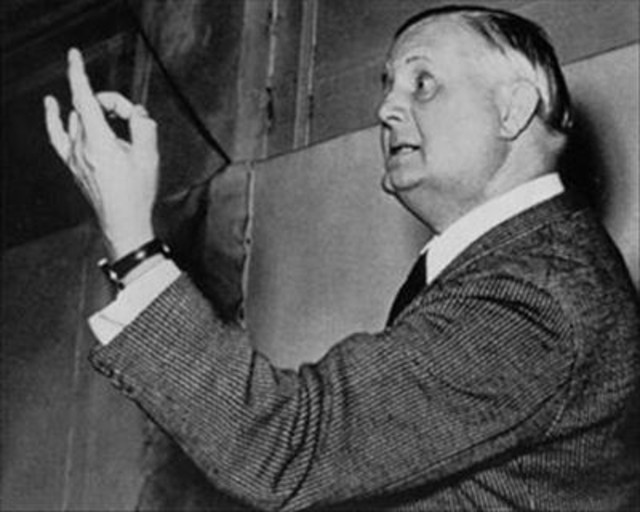
Fritz Busch was one the greatest German conductors of the first half of the twentieth century, noted for his illuminating performances and his ethical principles. His father was a former itinerant musician who became an instrument maker, and his brothers were violinist <a href="spotify:artist:5u7R8NKhXqVII6g8nNp28Y">Adolf Busch</a> and cellist Hermann Busch. Fritz Busch went to Cologne Conservatory in 1909, studying conducting with Steinbach.
The city of Aachen hired him as music director in 1912. He served there until the war began, enlisted, and returned at war's end to conducted the Municipal Opera. Six weeks later, he was appointed music director of the Stuttgart Opera. He quickly became famous for his performances and for the reforms he instituted to enlarge the repertory and discover new composers. He premiered two one-act operas of the young <a href="spotify:artist:3u1fWmwpwPOmMelTAo0Gb8">Paul Hindemith</a>, operas by <a href="spotify:artist:5fKj8IWs9IV1F2xerI6SGD">Pfitzner</a>, and shook up the <a href="spotify:artist:1C1x4MVkql8AiABuTw6DgE">Wagnerian</a> tradition by using Appia's modern approach to staging and sets for the Ring operas. Busch accepted a position with the Dresden State Opera, becoming music director in 1922. Among his premieres in the 11 years he remained there were <a href="spotify:artist:6pAwHPeExeUbMd5w7Iny6D">Strauss</a>' Intermezzo (1924) and Die Ägyptische Helena (1928), <a href="spotify:artist:3u1fWmwpwPOmMelTAo0Gb8">Hindemith</a>'s Cardillac (1926), <a href="spotify:artist:7xH3VOMwOjnqGu7NERNUx1">Busoni</a>'s Doktor Faust (1925), and <a href="spotify:artist:69a1b61a56mJlx8iAUMBsY">Weill</a>'s Der Protagonist (1926). He was credited with keeping Dresden at the highest level of German opera production with stagings that were often provocative, with some of the finest of modern artists designing sets and costumes. One of the most important was a production of <a href="spotify:artist:4NJhFmfw43RLBLjQvxDuRS">Mozart</a>'s Die Entführung aus dem Serail, designed by Carl Ebert and including a meticulously chosen cast, at the 1932 Salzburg Festival.
Busch was openly contemptuous of the new Nazi government that was appointed to power in Germany in 1933 and was fired from his Dresden post. At the Teatro Colón in Buenos Aires, he conducted the first complete performance of <a href="spotify:artist:5aIqB5nVVvmFsvSdExz408">Bach</a>'s St. Matthew Passion ever given in the Americas. He returned to Europe, appearing with the <a href="spotify:artist:1Mf0FQR3CPcg6nAd710cAG">Danish Radio Symphony Orchestra</a> and the Stockholm Philharmonic, beginning a long-standing relationship with them. Then John Christie asked Busch to become music director of a summer opera festival at Glyndebourne, England. Busch accepted, bringing Ebert as artistic director. Glyndebourne was soon among the most prestigious of summer festivals, famous for meticulous musical preparation and use of the best and most appropriate voices. <a href="spotify:artist:4NJhFmfw43RLBLjQvxDuRS">Mozart</a> has always been a mainstay of Glyndebourne, but under Busch it also staged larger-scale works, including <a href="spotify:artist:2jCGEMSZXMSOImpD8sqo56">Donizetti</a>'s Don Pasquale and <a href="spotify:artist:1JOQXgYdQV2yfrhewqx96o">Verdi</a>'s Macbetto.
With the outbreak of the war (which closed Glyndebourne for the duration and made travel to Scandinavia impossible), he withdrew mainly to South America, although he made appearances at the <a href="spotify:artist:3gacryguGmpmCvgPGt2CBI">New York Philharmonic</a>. His <a href="spotify:artist:5wn7ofJrDNHlKovbljawzS">Metropolitan Opera</a> debut was on November 26, 1945, in <a href="spotify:artist:1C1x4MVkql8AiABuTw6DgE">Wagner</a>'s Lohengrin. He remained on the <a href="spotify:artist:5wn7ofJrDNHlKovbljawzS">Met</a>'s conducting roster until 1949, but asked to be allowed to concentrate on conducting the company's annual national tours. He frequently conducted the <a href="spotify:artist:6TD08jYeuN128P2MZTbc8E">Chicago Symphony</a> from 1948 to 1950, and resumed his association with the Scandinavian orchestras in 1949 and at Glyndebourne in 1950. He returned to lead a few concerts in Austria (Vienna Staatsoper, 1950) and in Germany (Cologne and Hamburg, 1951).
He died in London, leaving several important recordings. The Busch Brothers Society private label has released several of them as part of a program to document the legacy of Busch, his two brothers, and the piano trio they often formed.
The city of Aachen hired him as music director in 1912. He served there until the war began, enlisted, and returned at war's end to conducted the Municipal Opera. Six weeks later, he was appointed music director of the Stuttgart Opera. He quickly became famous for his performances and for the reforms he instituted to enlarge the repertory and discover new composers. He premiered two one-act operas of the young <a href="spotify:artist:3u1fWmwpwPOmMelTAo0Gb8">Paul Hindemith</a>, operas by <a href="spotify:artist:5fKj8IWs9IV1F2xerI6SGD">Pfitzner</a>, and shook up the <a href="spotify:artist:1C1x4MVkql8AiABuTw6DgE">Wagnerian</a> tradition by using Appia's modern approach to staging and sets for the Ring operas. Busch accepted a position with the Dresden State Opera, becoming music director in 1922. Among his premieres in the 11 years he remained there were <a href="spotify:artist:6pAwHPeExeUbMd5w7Iny6D">Strauss</a>' Intermezzo (1924) and Die Ägyptische Helena (1928), <a href="spotify:artist:3u1fWmwpwPOmMelTAo0Gb8">Hindemith</a>'s Cardillac (1926), <a href="spotify:artist:7xH3VOMwOjnqGu7NERNUx1">Busoni</a>'s Doktor Faust (1925), and <a href="spotify:artist:69a1b61a56mJlx8iAUMBsY">Weill</a>'s Der Protagonist (1926). He was credited with keeping Dresden at the highest level of German opera production with stagings that were often provocative, with some of the finest of modern artists designing sets and costumes. One of the most important was a production of <a href="spotify:artist:4NJhFmfw43RLBLjQvxDuRS">Mozart</a>'s Die Entführung aus dem Serail, designed by Carl Ebert and including a meticulously chosen cast, at the 1932 Salzburg Festival.
Busch was openly contemptuous of the new Nazi government that was appointed to power in Germany in 1933 and was fired from his Dresden post. At the Teatro Colón in Buenos Aires, he conducted the first complete performance of <a href="spotify:artist:5aIqB5nVVvmFsvSdExz408">Bach</a>'s St. Matthew Passion ever given in the Americas. He returned to Europe, appearing with the <a href="spotify:artist:1Mf0FQR3CPcg6nAd710cAG">Danish Radio Symphony Orchestra</a> and the Stockholm Philharmonic, beginning a long-standing relationship with them. Then John Christie asked Busch to become music director of a summer opera festival at Glyndebourne, England. Busch accepted, bringing Ebert as artistic director. Glyndebourne was soon among the most prestigious of summer festivals, famous for meticulous musical preparation and use of the best and most appropriate voices. <a href="spotify:artist:4NJhFmfw43RLBLjQvxDuRS">Mozart</a> has always been a mainstay of Glyndebourne, but under Busch it also staged larger-scale works, including <a href="spotify:artist:2jCGEMSZXMSOImpD8sqo56">Donizetti</a>'s Don Pasquale and <a href="spotify:artist:1JOQXgYdQV2yfrhewqx96o">Verdi</a>'s Macbetto.
With the outbreak of the war (which closed Glyndebourne for the duration and made travel to Scandinavia impossible), he withdrew mainly to South America, although he made appearances at the <a href="spotify:artist:3gacryguGmpmCvgPGt2CBI">New York Philharmonic</a>. His <a href="spotify:artist:5wn7ofJrDNHlKovbljawzS">Metropolitan Opera</a> debut was on November 26, 1945, in <a href="spotify:artist:1C1x4MVkql8AiABuTw6DgE">Wagner</a>'s Lohengrin. He remained on the <a href="spotify:artist:5wn7ofJrDNHlKovbljawzS">Met</a>'s conducting roster until 1949, but asked to be allowed to concentrate on conducting the company's annual national tours. He frequently conducted the <a href="spotify:artist:6TD08jYeuN128P2MZTbc8E">Chicago Symphony</a> from 1948 to 1950, and resumed his association with the Scandinavian orchestras in 1949 and at Glyndebourne in 1950. He returned to lead a few concerts in Austria (Vienna Staatsoper, 1950) and in Germany (Cologne and Hamburg, 1951).
He died in London, leaving several important recordings. The Busch Brothers Society private label has released several of them as part of a program to document the legacy of Busch, his two brothers, and the piano trio they often formed.
Monthly Listeners
641
Monthly Listeners History
Track the evolution of monthly listeners over the last 28 days.
Followers
529
Followers History
Track the evolution of followers over the last 28 days.
Top Cities



Related Artists

Lisa della Casa
Suzanne Danco
Dmitry Korchak

Maria Cebotari
Margarete Teschemacher
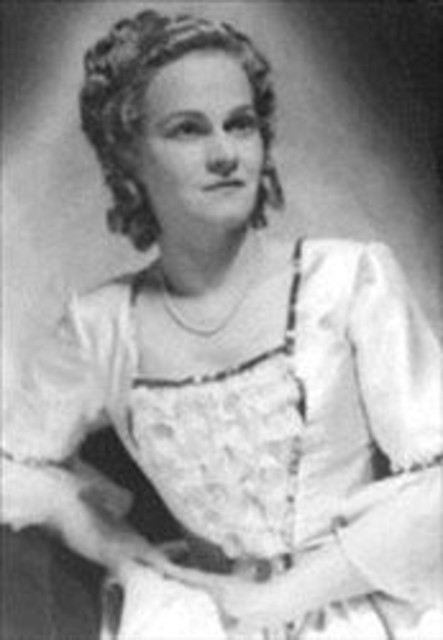
Erna Berger

Fritz Busch

Tiana Lemnitz
RAI Symphony Chorus
Paolo Bordogna
Murray Dickie
Arthur Rother

Calabrese

Monreal-e

Lazzari
Raimondi
Mario Petri



Mariana Rewerski
Colin Davis

Luise Helletsgruber

Lucia Aliberti
Elio Boncompagni
Bruno Pratico
RAI Symphony Orchestra
Harald Pröglhöf
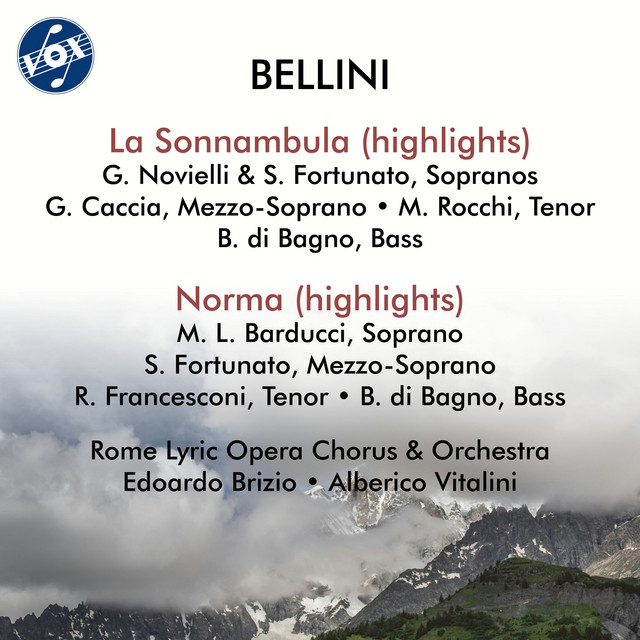
Edoardo Brizio
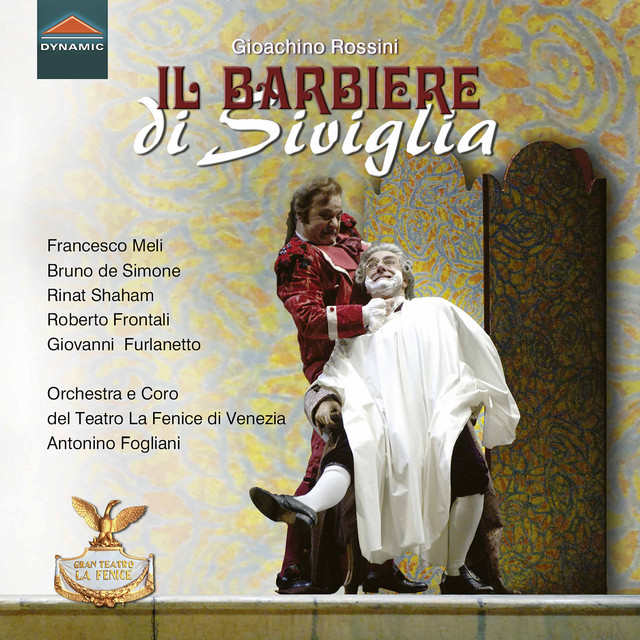
Orchestra del Teatro La Fenice di Venezia
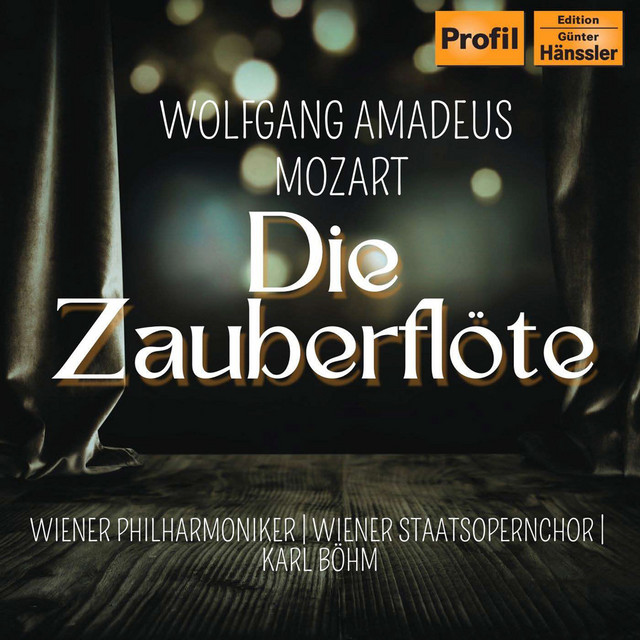
August Jaresch
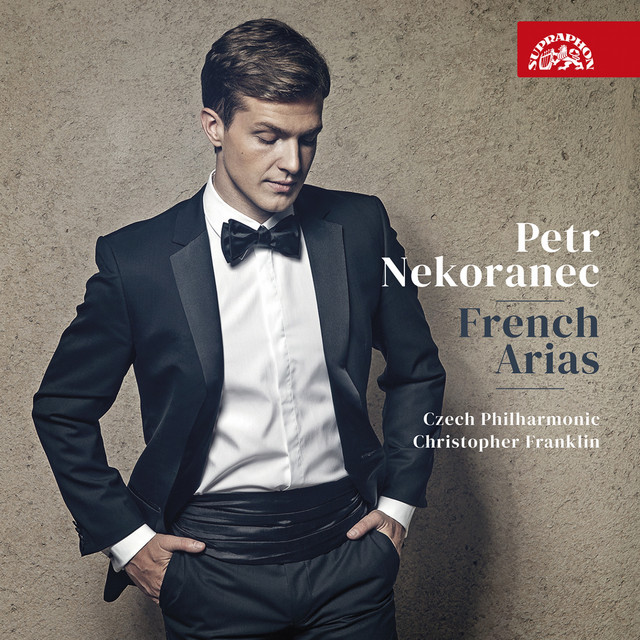
Christopher Franklin
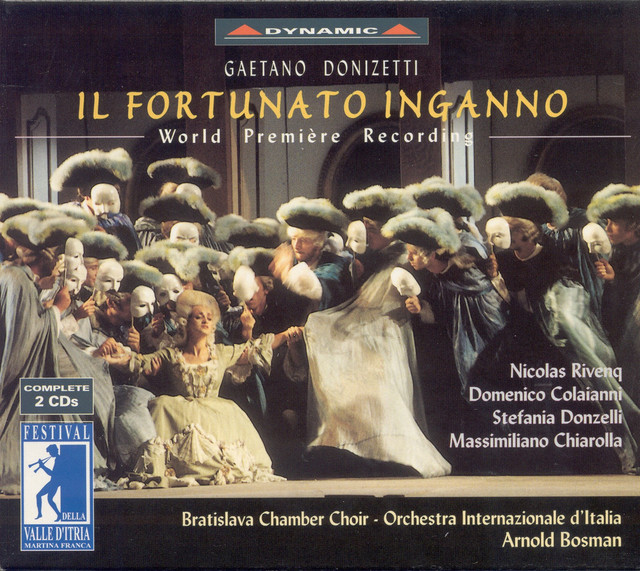
Stefania Donzelli
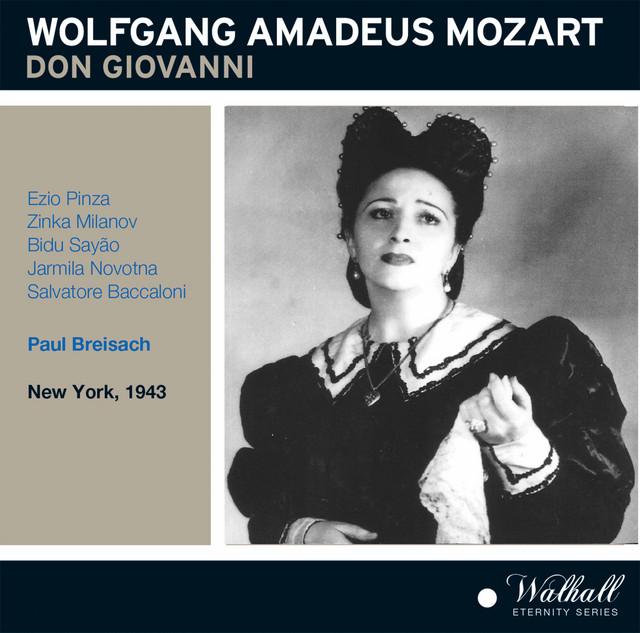
Paul Breisach

Mihály Székely
Valentina Farcas