Data may be outdated
Last updated: 9 months ago — Click refresh to get the latest statistics.
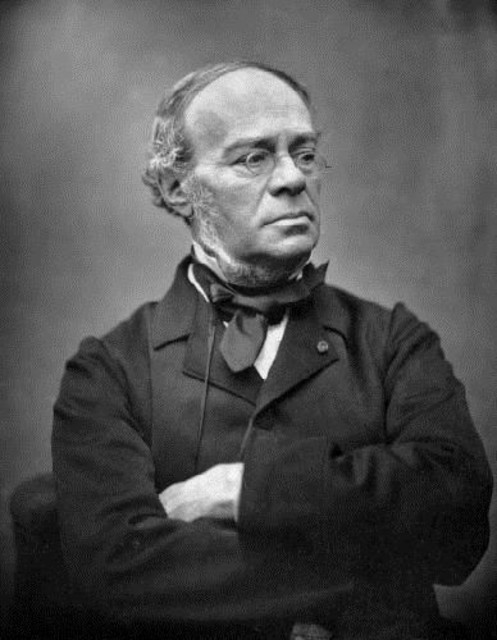
Giovanni Pacini was one of the most successful composers of opera in early 19th century Italy. He also composed sacred works, instrumental music, and was a highly respected music teacher.
Pacini was born in Sicily in 1796 to Luigi Pacini and Isabella Paulillo, who were both prominent opera singers. Luigi Pacini was very well-known for creating many of the basso buffo roles in <a href="spotify:artist:0roWUeP7Ac4yK4VN6L2gF4">Rossini</a>'s operas. Luigi began Giovanni's musical education at a young age, hoping that his son would pursue a career in sacred music. At 12 years old, Giovanni started his first formal music education in Bologna with Luigi Marchesi, the famous castrato. Here he studied singing and counterpoint, and then composition until 1812. After completing his education, Pacini composed his first operas and had some minor successes, but in 1818 his Il Barone di Dolsheim was hugely popular. It premiered at La Scala and remained in production for 47 nights. Throughout the 1820s, Pacini composed 19 operas including the successful Alessandro Nell' Indie (1824) and L'Ultimo Giorno di Pompei (1825). It was a very competitive time for opera composers, and Pacini was being affected by the stresses of the difficult profession. This stressful atmosphere in combination with a series of disastrous operas in the early 1830s led him to take a break from the opera world in 1835 so he could reinvent himself as a composer.
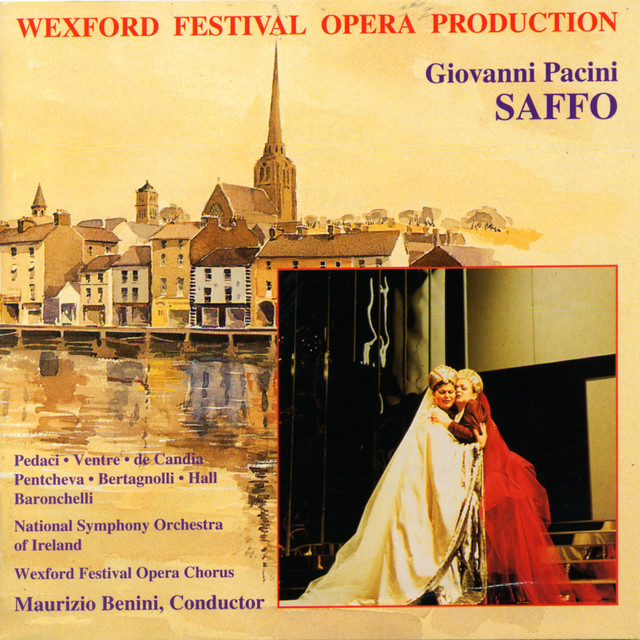
In 1837, Pacini began as the maestro di cappella for the royal court in Lucca, allowing him an outlet for teaching and composing sacred works. By 1839, he had some ideas that he knew would make his operas very successful, and he was determined to compose in a more thoughtful and dramatic style to satisfy the needs of demanding audiences. This period of intense self-analysis and musical experimentation led to the creation of what many consider to be his best work and biggest professional achievement, Saffo. The premiere in 1840 at the Teatro di San Carlo was an amazing success, eternally solidifying Pacini's position as a top-tier opera composer. However, his relatively unknown status today is due to the fact that his operas were simply overshadowed by those of <a href="spotify:artist:1JOQXgYdQV2yfrhewqx96o">Verdi</a>, <a href="spotify:artist:2jCGEMSZXMSOImpD8sqo56">Donizetti</a>, and <a href="spotify:artist:0roWUeP7Ac4yK4VN6L2gF4">Rossini</a>.
Pacini's reputation as an educator earned him the position of director of the music school in Parma in 1842. He also maintained his high popularity in the opera world through the 1840s but gradually shifted his focus to composing instrumental music and teaching. His Sinfonia Dante for piano and orchestra is his most notable composition from this period, and he also composed an octet and a set of six string quartets. His autobiography, completed in 1865, offers an interesting snapshot of his life and personality. ~ RJ Lambert, Rovi
Pacini was born in Sicily in 1796 to Luigi Pacini and Isabella Paulillo, who were both prominent opera singers. Luigi Pacini was very well-known for creating many of the basso buffo roles in <a href="spotify:artist:0roWUeP7Ac4yK4VN6L2gF4">Rossini</a>'s operas. Luigi began Giovanni's musical education at a young age, hoping that his son would pursue a career in sacred music. At 12 years old, Giovanni started his first formal music education in Bologna with Luigi Marchesi, the famous castrato. Here he studied singing and counterpoint, and then composition until 1812. After completing his education, Pacini composed his first operas and had some minor successes, but in 1818 his Il Barone di Dolsheim was hugely popular. It premiered at La Scala and remained in production for 47 nights. Throughout the 1820s, Pacini composed 19 operas including the successful Alessandro Nell' Indie (1824) and L'Ultimo Giorno di Pompei (1825). It was a very competitive time for opera composers, and Pacini was being affected by the stresses of the difficult profession. This stressful atmosphere in combination with a series of disastrous operas in the early 1830s led him to take a break from the opera world in 1835 so he could reinvent himself as a composer.
In 1837, Pacini began as the maestro di cappella for the royal court in Lucca, allowing him an outlet for teaching and composing sacred works. By 1839, he had some ideas that he knew would make his operas very successful, and he was determined to compose in a more thoughtful and dramatic style to satisfy the needs of demanding audiences. This period of intense self-analysis and musical experimentation led to the creation of what many consider to be his best work and biggest professional achievement, Saffo. The premiere in 1840 at the Teatro di San Carlo was an amazing success, eternally solidifying Pacini's position as a top-tier opera composer. However, his relatively unknown status today is due to the fact that his operas were simply overshadowed by those of <a href="spotify:artist:1JOQXgYdQV2yfrhewqx96o">Verdi</a>, <a href="spotify:artist:2jCGEMSZXMSOImpD8sqo56">Donizetti</a>, and <a href="spotify:artist:0roWUeP7Ac4yK4VN6L2gF4">Rossini</a>.
Pacini's reputation as an educator earned him the position of director of the music school in Parma in 1842. He also maintained his high popularity in the opera world through the 1840s but gradually shifted his focus to composing instrumental music and teaching. His Sinfonia Dante for piano and orchestra is his most notable composition from this period, and he also composed an octet and a set of six string quartets. His autobiography, completed in 1865, offers an interesting snapshot of his life and personality. ~ RJ Lambert, Rovi
Monthly Listeners
753
Monthly Listeners History
Track the evolution of monthly listeners over the last 28 days.
Followers
633
Followers History
Track the evolution of followers over the last 28 days.
Top Cities
23 listeners
14 listeners
11 listeners

11 listeners

9 listeners
Related Artists
Cecilia Gasdia
Ilona Tokody
Silvia Dalla Benetta

Mariella Devia

Ernesto Palacio

Lucia Aliberti

Raina Kabaivanska
Dimitra Theodossiou
Riccardo Zanellato
John Osborn

Federico Sacchi
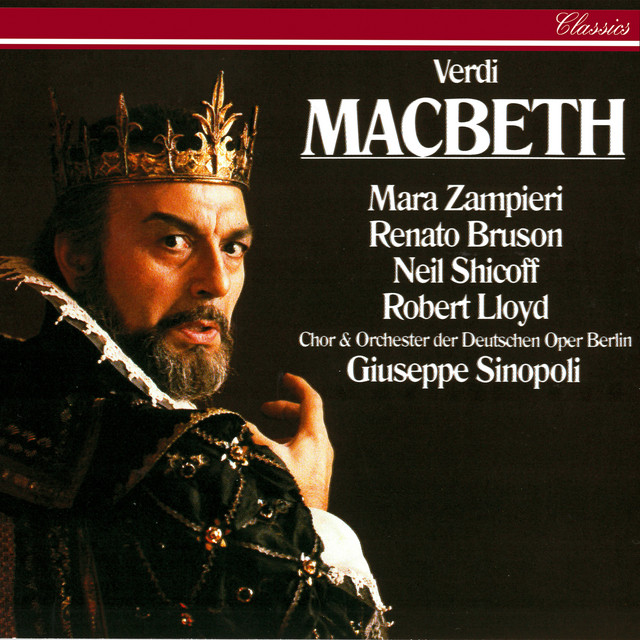
Mara Zampieri