Data may be outdated
Last updated: 9 months ago — Click refresh to get the latest statistics.
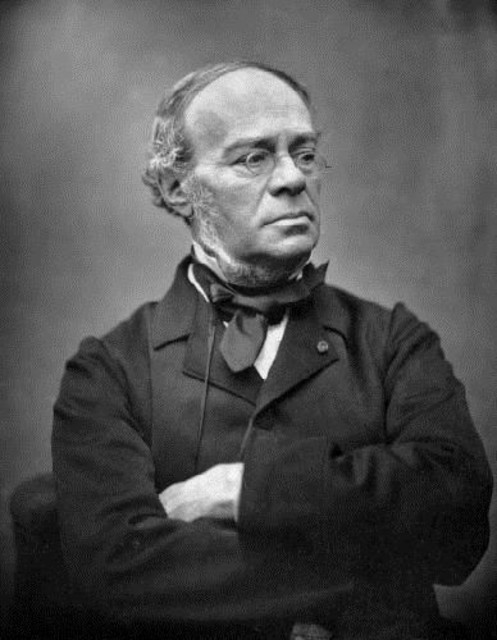
Jacques Fromental Halévy was an accomplished composer, teacher and essayist on music. A pupil of <a href="spotify:artist:1SXRDJxjOty2T43t4gXAnk">Cherubini</a>, Halévy also studied in Italy. His best known opera, La juive, is a primary example of French grand opera. He composed over 30 operas, as well as cantatas, ballets, and songs.
In 1807, Elias Levy and his wife, Julie Meyer, changed the family name from Levy to Halévy. The next year, their precocious son, Jacques-François-Fromental, entered the Paris Conservatoire. By 1811, the young Halévy had become a composition student of <a href="spotify:artist:1SXRDJxjOty2T43t4gXAnk">Luigi Cherubini</a> (1760-1842), who would champion his young pupil's work. Halévy also studied with H.M. Berton (1767-1844) and Étienne Méhul (1763-1817), but it was his contact with <a href="spotify:artist:1SXRDJxjOty2T43t4gXAnk">Cherubini</a> that would have the most profound affect on his life and music.
Halévy won the Prix de Rome in 1819, allowing him to study in Rome for a year. While in Italy, Halévy experimented with Italian genres, including opera; in 1822 he traveled to Vienna, where he conversed with Beethoven on a number of occasions. After his return to Paris, Halévy was primarily concerned with achieving success in the theater. He did, however, channel his energy into other activities, such as teaching: in 1827 he was appointed professor of harmony at the Conservatoire, and later of counterpoint and composition. Among his students were <a href="spotify:artist:42Vmza0WYHdhsgxFmf9Tui">Gounod</a>, Massé, <a href="spotify:artist:2D7RkvtKKb6E5UmbjQM1Jd">Bizet</a>, and <a href="spotify:artist:436sYg6CZhNefQJogaXeK0">Saint-Saëns</a>. Halévy became chef du chant at the Théâtre-Italien in 1826 and held the same position at the Opéra in 1829-1845.
By 1825, Halévy had completed four operas, plus the finale of a fifth -- none of which would ever be performed. L'artisan was his first work to reach the stage, receiving its premiere on January 30, 1827, at the Opéra-Comique; reviews were mixed, but it was not a total failure. In 1829 Halévy achieved significant success at the Opéra-Comique with Le dilettante d'Avignon, which remained in the house's repertory for several years. After becoming chef du chant at the Opéra, Halévy composed two ballets for that venue; in the meantime, he continued writing comic operas and garnering moderate praise.
Halévy's first attempt at grand opera, the five-act La juive (The Jewish Woman) of 1835, was a huge popular success. <a href="spotify:artist:6Qvj7A9zDM4CnZ5B44saGO">Eugène Scribe</a> (1791-1861), who -- along with <a href="spotify:artist:6aItH4tJHWc4wKwlDXkJrc">Giacomo Meyerbeer</a> (1791-1864) -- invented the spectacular genre, supplied the libretto. La juive provided exactly the kind of grandeur sought by Louis Véron, director of the Paris Opéra, and became as much a central part of the French opera repertory as the works of <a href="spotify:artist:6aItH4tJHWc4wKwlDXkJrc">Meyerbeer</a>. In the same year, Halévy achieved another success, this time at the Opéra-Comique with L'éclair. Throughout the rest of his career, Halévy alternated between comic and grand opera composition.
Although not as popular as La juive, Halévy's Le reine di Chypre (1841) and Charles VI (1843) are equally great musical achievements, if not greater. Halévy's versatility comes to the fore in Le reine di Chypre, for which Saint-Georges' libretto required music befitting numerous exotic locales and strange characters; <a href="spotify:artist:1C1x4MVkql8AiABuTw6DgE">Wagner</a> praised the work, writing of Halévy's work in general, "I have never heard dramatic music that has transported me so completely to a particular historical epoch."
In 1807, Elias Levy and his wife, Julie Meyer, changed the family name from Levy to Halévy. The next year, their precocious son, Jacques-François-Fromental, entered the Paris Conservatoire. By 1811, the young Halévy had become a composition student of <a href="spotify:artist:1SXRDJxjOty2T43t4gXAnk">Luigi Cherubini</a> (1760-1842), who would champion his young pupil's work. Halévy also studied with H.M. Berton (1767-1844) and Étienne Méhul (1763-1817), but it was his contact with <a href="spotify:artist:1SXRDJxjOty2T43t4gXAnk">Cherubini</a> that would have the most profound affect on his life and music.
Halévy won the Prix de Rome in 1819, allowing him to study in Rome for a year. While in Italy, Halévy experimented with Italian genres, including opera; in 1822 he traveled to Vienna, where he conversed with Beethoven on a number of occasions. After his return to Paris, Halévy was primarily concerned with achieving success in the theater. He did, however, channel his energy into other activities, such as teaching: in 1827 he was appointed professor of harmony at the Conservatoire, and later of counterpoint and composition. Among his students were <a href="spotify:artist:42Vmza0WYHdhsgxFmf9Tui">Gounod</a>, Massé, <a href="spotify:artist:2D7RkvtKKb6E5UmbjQM1Jd">Bizet</a>, and <a href="spotify:artist:436sYg6CZhNefQJogaXeK0">Saint-Saëns</a>. Halévy became chef du chant at the Théâtre-Italien in 1826 and held the same position at the Opéra in 1829-1845.
By 1825, Halévy had completed four operas, plus the finale of a fifth -- none of which would ever be performed. L'artisan was his first work to reach the stage, receiving its premiere on January 30, 1827, at the Opéra-Comique; reviews were mixed, but it was not a total failure. In 1829 Halévy achieved significant success at the Opéra-Comique with Le dilettante d'Avignon, which remained in the house's repertory for several years. After becoming chef du chant at the Opéra, Halévy composed two ballets for that venue; in the meantime, he continued writing comic operas and garnering moderate praise.
Halévy's first attempt at grand opera, the five-act La juive (The Jewish Woman) of 1835, was a huge popular success. <a href="spotify:artist:6Qvj7A9zDM4CnZ5B44saGO">Eugène Scribe</a> (1791-1861), who -- along with <a href="spotify:artist:6aItH4tJHWc4wKwlDXkJrc">Giacomo Meyerbeer</a> (1791-1864) -- invented the spectacular genre, supplied the libretto. La juive provided exactly the kind of grandeur sought by Louis Véron, director of the Paris Opéra, and became as much a central part of the French opera repertory as the works of <a href="spotify:artist:6aItH4tJHWc4wKwlDXkJrc">Meyerbeer</a>. In the same year, Halévy achieved another success, this time at the Opéra-Comique with L'éclair. Throughout the rest of his career, Halévy alternated between comic and grand opera composition.
Although not as popular as La juive, Halévy's Le reine di Chypre (1841) and Charles VI (1843) are equally great musical achievements, if not greater. Halévy's versatility comes to the fore in Le reine di Chypre, for which Saint-Georges' libretto required music befitting numerous exotic locales and strange characters; <a href="spotify:artist:1C1x4MVkql8AiABuTw6DgE">Wagner</a> praised the work, writing of Halévy's work in general, "I have never heard dramatic music that has transported me so completely to a particular historical epoch."
Monthly Listeners
1,794
Monthly Listeners History
Track the evolution of monthly listeners over the last 28 days.
Followers
803
Followers History
Track the evolution of followers over the last 28 days.
Top Cities
47 listeners

35 listeners

35 listeners

22 listeners

22 listeners

Related Artists

Ernesto Palacio

Mariella Devia
Ilona Tokody
Heinrich Weber
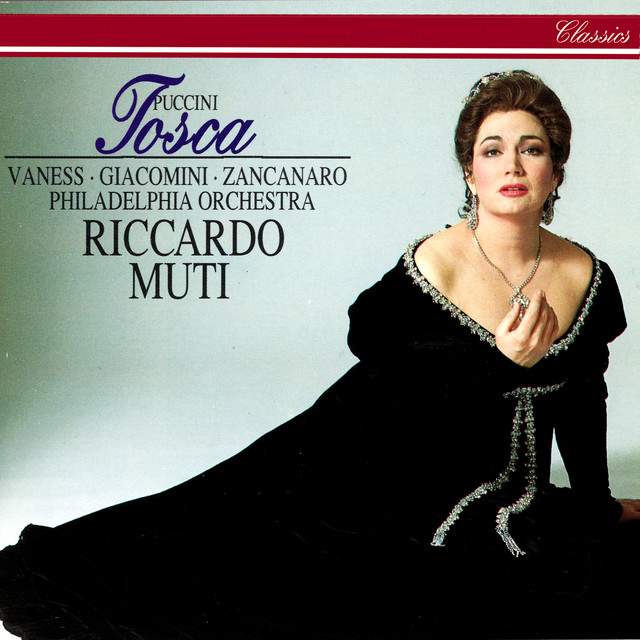
Giuseppe Giacomini
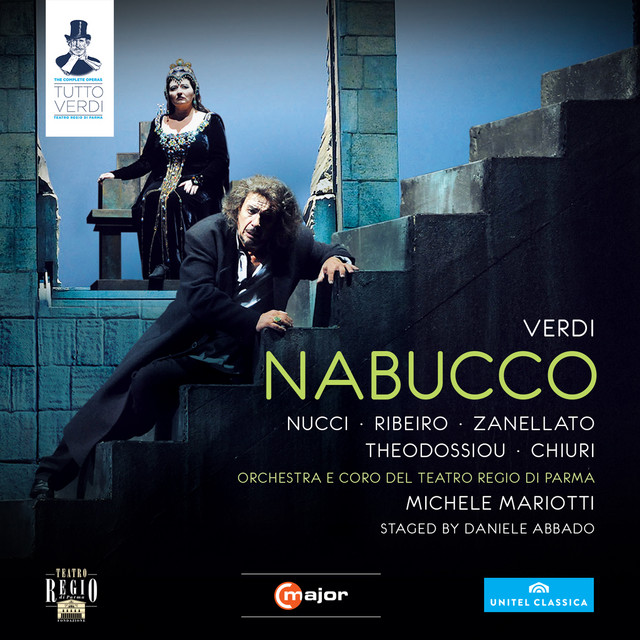
Dimitra Theodossiou

Francesco Meli
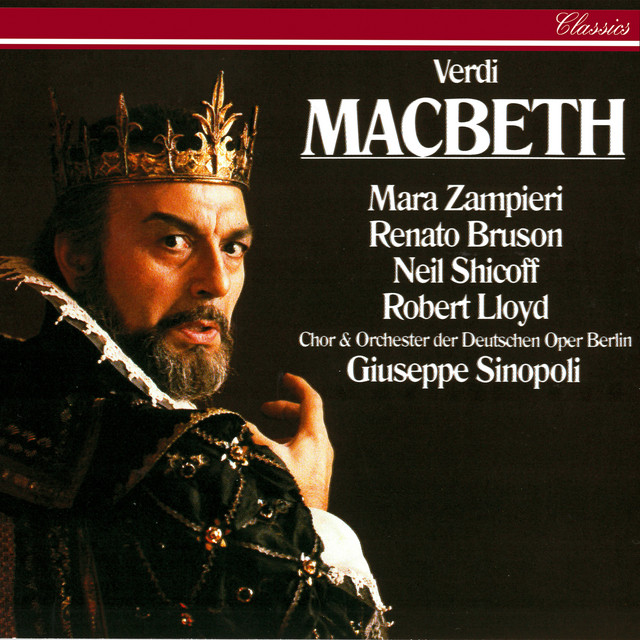
Mara Zampieri
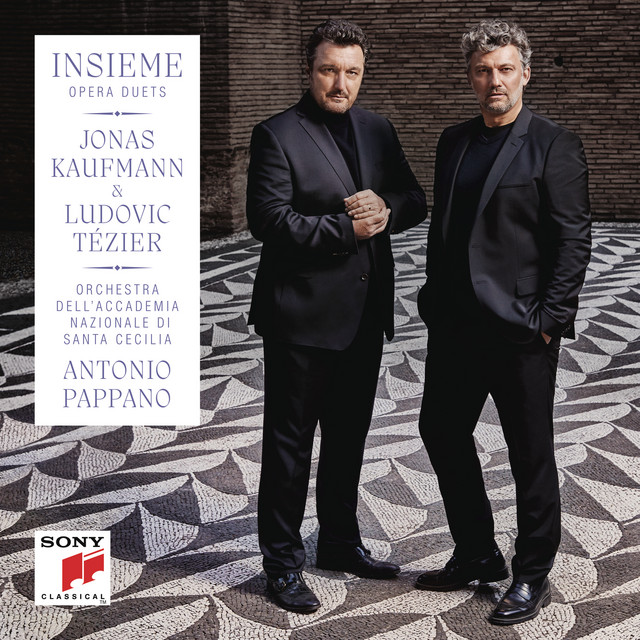
Riccardo Zanellato
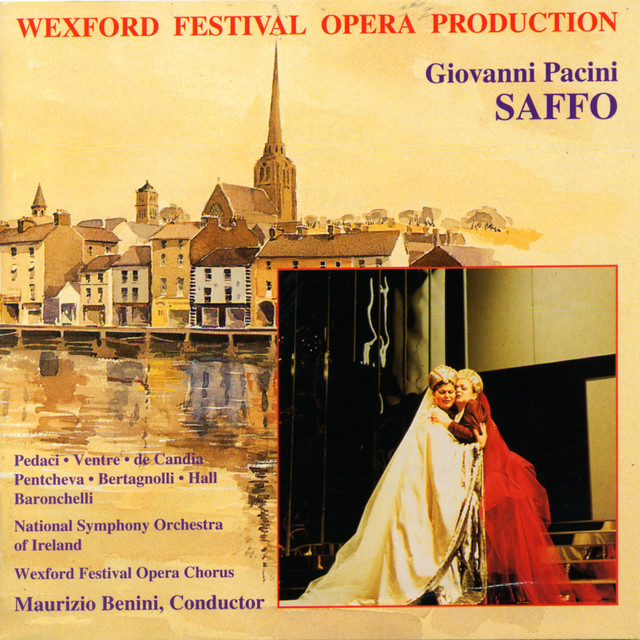
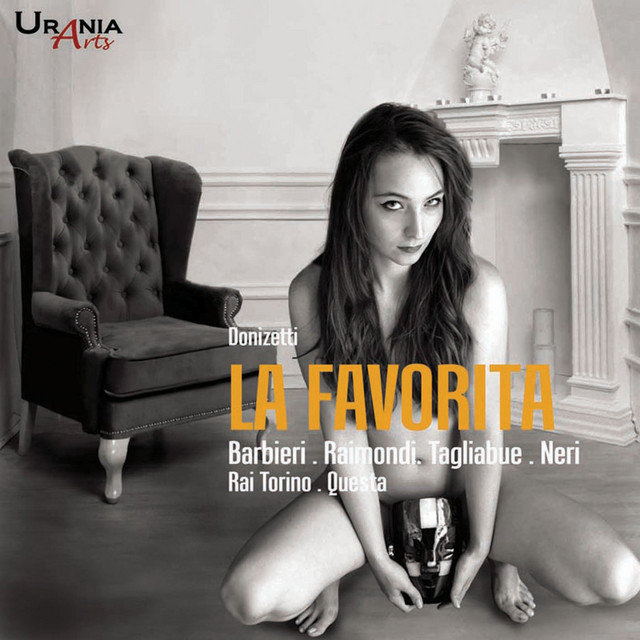
Angelo Questa

Gabriel Bacquier

Charles Castronovo
Lucine Amara

Herva Nelli
Paolo Battaglia
Christopher Franklin
Riccardo Zandonai
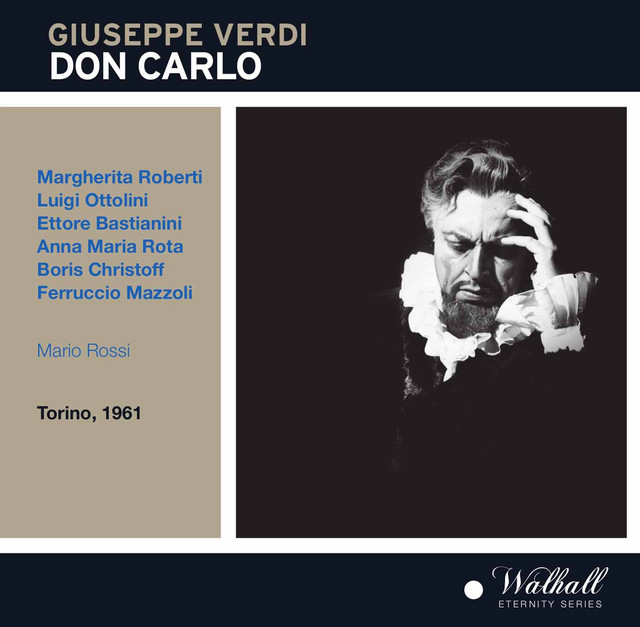
Ferruccio Mazzoli
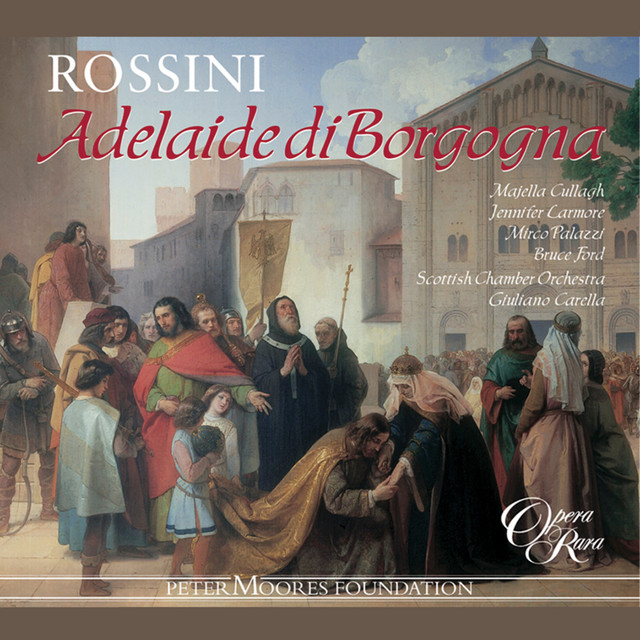
Giuliano Carella
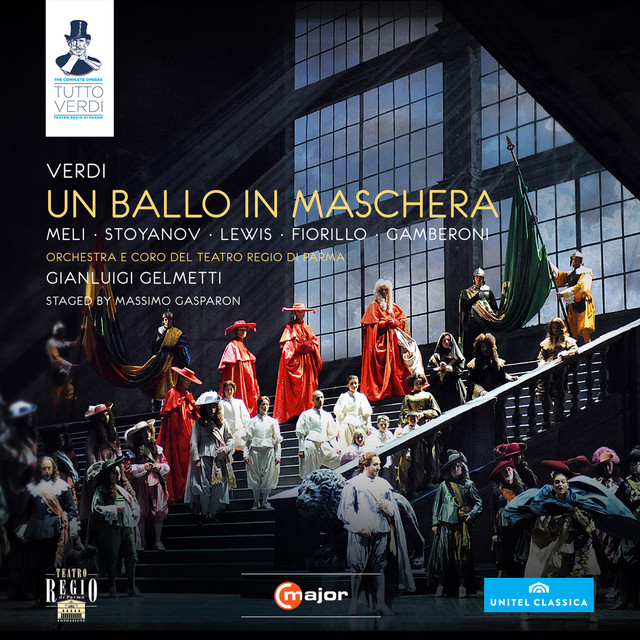
Vladimir Stoyanov
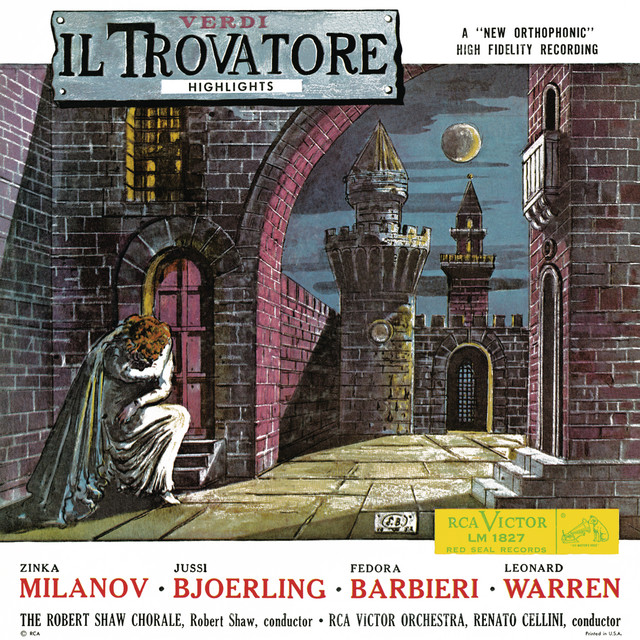
Nicola Moscona
Ottavio Garaventa
Ugo Savarese

Virgilio Carbonari


Raina Kabaivanska
Rosanna Carteri
Hugues Cuénod
Guido Mazzini