Data may be outdated
Last updated: 7 months ago — Click refresh to get the latest statistics.
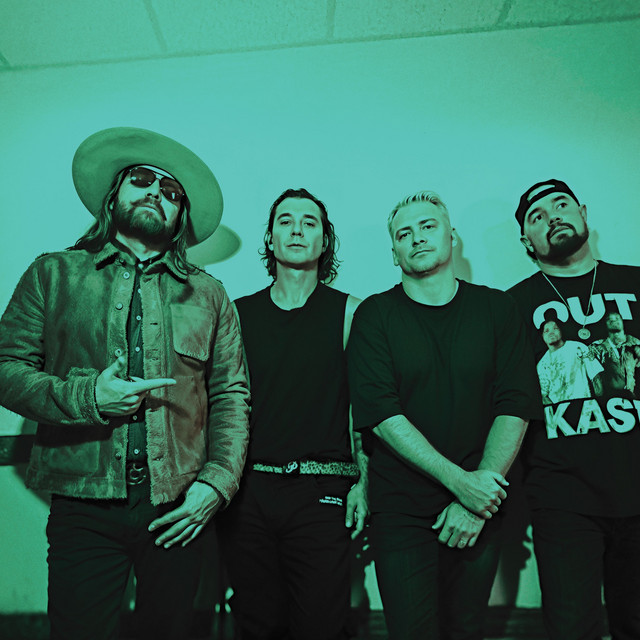
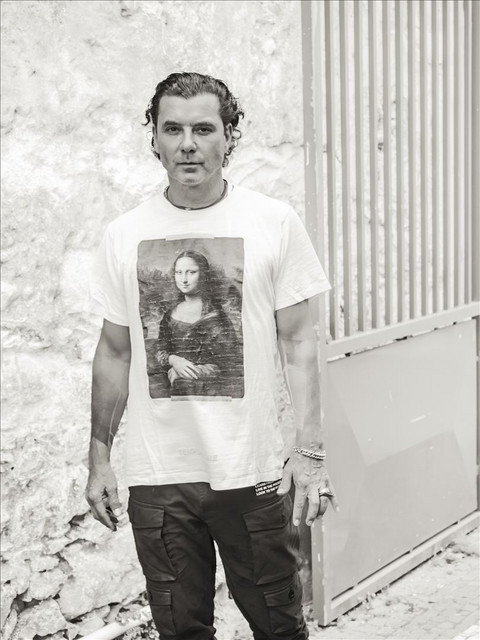
Although grunge was primarily an American phenomenon, London native Gavin Rossdale left his mark on the genre by leading <a href="spotify:artist:78SHxLdtysAXgywQ4vE0Oa">Bush</a> to the forefront of modern rock radio in the mid-'90s. <a href="spotify:artist:78SHxLdtysAXgywQ4vE0Oa">Bush</a> enjoyed considerable popularity in the U.S., where the band's gravelly melodies and rhythmic crunch drove its debut album, Sixteen Stone, to multi-platinum status. Although Rossdale would never match that commercial peak again, he continued to create music throughout the subsequent decade, staying with <a href="spotify:artist:78SHxLdtysAXgywQ4vE0Oa">Bush</a> until their 2002 disbandment and launching additional projects thereafter.
Rossdale was born in London, England, on October 30, 1967. With the help of his older sister's boyfriend, he learned to play bass and later picked up the guitar. Midnight, his first band, saw little success, but Rossdale's luck changed when he met King Blank guitarist <a href="spotify:artist:2CeuAbHRU0uAhUuqEDHdUd">Nigel Pulsford</a> at a bar in 1992. The two shared similar tastes and struck up a quick friendship; later, they began recording demos with bassist <a href="spotify:artist:2htMBuGJyjU0yvAi23rMvr">Dave Parsons</a> and drummer Robin Goodridge. Naming themselves after the Shepherd's Bush area of London, <a href="spotify:artist:78SHxLdtysAXgywQ4vE0Oa">Bush</a> emerged with a grunge-influenced sound that was greeted with a lukewarm response in England. However, after <a href="spotify:artist:78SHxLdtysAXgywQ4vE0Oa">Bush</a>'s demo was sent to L.A.'s alternative radio station KROQ in 1994, the track "Everything Zen" roused the request lines.
The band was quickly signed to a U.S. major label, and Rossdale became an iconic figure in grunge's post-<a href="spotify:artist:6olE6TJLqED3rqDCT0FyPh">Nirvana</a> landscape. <a href="spotify:artist:52ZFTGbQ9miWMX8JYBvtOO">Steve Albini</a> signed up to produce <a href="spotify:artist:78SHxLdtysAXgywQ4vE0Oa">Bush</a>'s second album, Razorblade Suitcase, which was followed by a remix album in 1997 and a third batch of original material, The Science of Things, in 1999. On New Year's Eve 2001, Rossdale and longtime girlfriend <a href="spotify:artist:4yiQZ8tQPux8cPriYMWUFP">Gwen Stefani</a> (whose band, <a href="spotify:artist:0cQbJU1aAzvbEmTuljWLlF">No Doubt</a>, had toured with <a href="spotify:artist:78SHxLdtysAXgywQ4vE0Oa">Bush</a> during the previous decade) became engaged, and <a href="spotify:artist:78SHxLdtysAXgywQ4vE0Oa">Bush</a> took an indefinite hiatus soon after. While his wife embarked on a solo career, Rossdale accepted several film roles and returned to music with <a href="spotify:artist:5dw20y4c03uTJPC7rKoDtS">Institute</a>. The alternative rock band issued one album, 2005's Distort Yourself, before quietly disbanding. Rossdale remained with Interscope Records, the same label that issued his work with <a href="spotify:artist:78SHxLdtysAXgywQ4vE0Oa">Bush</a> and <a href="spotify:artist:5dw20y4c03uTJPC7rKoDtS">Institute</a>, for the release of his first solo effort, Wanderlust. ~ Andrew Leahey, Rovi
Rossdale was born in London, England, on October 30, 1967. With the help of his older sister's boyfriend, he learned to play bass and later picked up the guitar. Midnight, his first band, saw little success, but Rossdale's luck changed when he met King Blank guitarist <a href="spotify:artist:2CeuAbHRU0uAhUuqEDHdUd">Nigel Pulsford</a> at a bar in 1992. The two shared similar tastes and struck up a quick friendship; later, they began recording demos with bassist <a href="spotify:artist:2htMBuGJyjU0yvAi23rMvr">Dave Parsons</a> and drummer Robin Goodridge. Naming themselves after the Shepherd's Bush area of London, <a href="spotify:artist:78SHxLdtysAXgywQ4vE0Oa">Bush</a> emerged with a grunge-influenced sound that was greeted with a lukewarm response in England. However, after <a href="spotify:artist:78SHxLdtysAXgywQ4vE0Oa">Bush</a>'s demo was sent to L.A.'s alternative radio station KROQ in 1994, the track "Everything Zen" roused the request lines.
The band was quickly signed to a U.S. major label, and Rossdale became an iconic figure in grunge's post-<a href="spotify:artist:6olE6TJLqED3rqDCT0FyPh">Nirvana</a> landscape. <a href="spotify:artist:52ZFTGbQ9miWMX8JYBvtOO">Steve Albini</a> signed up to produce <a href="spotify:artist:78SHxLdtysAXgywQ4vE0Oa">Bush</a>'s second album, Razorblade Suitcase, which was followed by a remix album in 1997 and a third batch of original material, The Science of Things, in 1999. On New Year's Eve 2001, Rossdale and longtime girlfriend <a href="spotify:artist:4yiQZ8tQPux8cPriYMWUFP">Gwen Stefani</a> (whose band, <a href="spotify:artist:0cQbJU1aAzvbEmTuljWLlF">No Doubt</a>, had toured with <a href="spotify:artist:78SHxLdtysAXgywQ4vE0Oa">Bush</a> during the previous decade) became engaged, and <a href="spotify:artist:78SHxLdtysAXgywQ4vE0Oa">Bush</a> took an indefinite hiatus soon after. While his wife embarked on a solo career, Rossdale accepted several film roles and returned to music with <a href="spotify:artist:5dw20y4c03uTJPC7rKoDtS">Institute</a>. The alternative rock band issued one album, 2005's Distort Yourself, before quietly disbanding. Rossdale remained with Interscope Records, the same label that issued his work with <a href="spotify:artist:78SHxLdtysAXgywQ4vE0Oa">Bush</a> and <a href="spotify:artist:5dw20y4c03uTJPC7rKoDtS">Institute</a>, for the release of his first solo effort, Wanderlust. ~ Andrew Leahey, Rovi
Monthly Listeners
108,471
Monthly Listeners History
Track the evolution of monthly listeners over the last 28 days.
Followers
24,898
Followers History
Track the evolution of followers over the last 28 days.
Top Cities


Related Artists
Tonic

Vertical Horizon
Our Lady Peace

The Verve Pipe
Eve 6