Data may be outdated
Last updated: 8 months ago — Click refresh to get the latest statistics.
Gian Carlo Menotti was one of the most influential composers of American opera in the twentieth century. He created a large body of work, and seven of his operas and one operatic ballet are secure in the canon of contemporary opera. He wrote all of his own librettos, as well as librettos for <a href="spotify:artist:4XDJurjQCnWLlE7KLZCT9x">Samuel Barber</a> and <a href="spotify:artist:0bck9rRONERZXLhgSWSU4y">Lukas Foss</a>. Starting with The Medium in 1946, he directed the premieres of all his operas and went on to become an internationally acclaimed opera director. One of his most substantial achievements was the creation of the Festival of Two Worlds in Spoleto, Italy, in 1958, and he later initiated extensions of the festival in Charleston, SC, and Melbourne, Australia. Although he is best known for his operas, his works include ballets, concerti, orchestral, and chamber music and a large body of choral music. Critical opinion of his significance as a composer and librettist is divided; his is credited with single-handedly reviving interest in opera among the American public in the mid-twentieth century, but his work also has detractors, who characterize his music as derivative and sentimental, and his dramaturgy as manipulative. The strengths of his music include the deft psychological illumination of the drama on-stage, transparent orchestration, fluent and idiomatic vocal writing, genuinely expressive recitative, and a gift for memorable melody.
Menotti was born into an affluent family in Cadegliano, Italy, in 1911. His mother Ines was a good musician who often hosted small concerts and recitals at the family villa. Gian Carlo was a musical prodigy, and by the age of 11 he had written an opera (The Death of Pierrot). When he was 14, he entered the Milan Conservatory. At 17, he departed for the United States with his mother, who, with support from family friend <a href="spotify:artist:4xpgBZSojKNEQqQHXrwSXA">Arturo Toscanini</a>, saw to his enrollment at the Curtis Institute of Music in Philadelphia. There he began composition studies with Rosario Scalero and met composer <a href="spotify:artist:4XDJurjQCnWLlE7KLZCT9x">Samuel Barber</a>, who became his lover and with whom he shared a home for over 40 years. As a student, Menotti spent much of his time with the <a href="spotify:artist:4XDJurjQCnWLlE7KLZCT9x">Barber</a> family in Westchester, PA.
He graduated from Curtis in 1933 and soon began work on his first mature opera: Amelia al Ballo. It was premiered at Curtis in 1937 with such success that it was taken up by the Metropolitan Opera the following year. In 1939, NBC commissioned The Old Maid and the Thief, his first opera in English and the first opera written specifically for radio broadcast.
The only failure of Menotti's early career was The Island God (1942), commissioned by the Metropolitan Opera. During the war years, he wrote his Piano Concerto in F and a full-length ballet Sebastian. His chamber opera The Medium was premiered in May 1946 and had a run of 212 performances on Broadway during the following season, paired with his one-act comedy The Telephone. The Consul (1950), the composer's first full-length opera, considered by many to be his masterpiece, also had a long Broadway run, and it won the Pulitzer Prize and the New York Drama Critic's Circle Award. The story, inspired by the plight of individuals trapped in European totalitarian states after the Second World War, was originally intended for a Hollywood film, one of several unproduced scripts the composer wrote for MGM.
NBC commissioned Menotti to write Amahl and the Night Visitors, the first opera created especially for television, for live broadcast on Christmas Eve 1951. It became his most popular work, has received thousands of productions, and is the most frequently performed American opera. He wrote his most ambitious opera, The Saint of Bleecker Street (1954), for Broadway, and it brought him his second New York Drama Critics' Circle Award, his second Pulitzer Prize, and a New York Music Critics' Award. His choral ballet The Unicorn, the Gorgon and the Manticore, which he described as a madrigal fable, received its premiere in 1956. His third full-length opera, Maria Golovin, was written for the 1958 Brussels World's Fair. It had a very brief run on Broadway and has not enjoyed the popularity of his earlier operas.
In 1958, Menotti and conductor <a href="spotify:artist:0TkoOjNIk8vInQWrtkhvW4">Thomas Schippers</a> established the renowned Festival of Two Worlds in Spoleto, Italy. The festival consumed much of his creative energy, and although he wrote 16 more operas and many orchestral and choral works, little of the music he wrote since its founding has had critical or popular success. He stepped down as Spoleto's director in 1967, though he remained its president. In 1977 he established Spoleto USA in Charleston, SC, and served as its director until 1993. He was briefly director of the Rome Opera beginning in 1993. Menotti received the Kennedy Center Honor for lifetime achievement in the arts in 1984, and he was Musical America's Musician of the Year in 1991.
Menotti was born into an affluent family in Cadegliano, Italy, in 1911. His mother Ines was a good musician who often hosted small concerts and recitals at the family villa. Gian Carlo was a musical prodigy, and by the age of 11 he had written an opera (The Death of Pierrot). When he was 14, he entered the Milan Conservatory. At 17, he departed for the United States with his mother, who, with support from family friend <a href="spotify:artist:4xpgBZSojKNEQqQHXrwSXA">Arturo Toscanini</a>, saw to his enrollment at the Curtis Institute of Music in Philadelphia. There he began composition studies with Rosario Scalero and met composer <a href="spotify:artist:4XDJurjQCnWLlE7KLZCT9x">Samuel Barber</a>, who became his lover and with whom he shared a home for over 40 years. As a student, Menotti spent much of his time with the <a href="spotify:artist:4XDJurjQCnWLlE7KLZCT9x">Barber</a> family in Westchester, PA.
He graduated from Curtis in 1933 and soon began work on his first mature opera: Amelia al Ballo. It was premiered at Curtis in 1937 with such success that it was taken up by the Metropolitan Opera the following year. In 1939, NBC commissioned The Old Maid and the Thief, his first opera in English and the first opera written specifically for radio broadcast.
The only failure of Menotti's early career was The Island God (1942), commissioned by the Metropolitan Opera. During the war years, he wrote his Piano Concerto in F and a full-length ballet Sebastian. His chamber opera The Medium was premiered in May 1946 and had a run of 212 performances on Broadway during the following season, paired with his one-act comedy The Telephone. The Consul (1950), the composer's first full-length opera, considered by many to be his masterpiece, also had a long Broadway run, and it won the Pulitzer Prize and the New York Drama Critic's Circle Award. The story, inspired by the plight of individuals trapped in European totalitarian states after the Second World War, was originally intended for a Hollywood film, one of several unproduced scripts the composer wrote for MGM.
NBC commissioned Menotti to write Amahl and the Night Visitors, the first opera created especially for television, for live broadcast on Christmas Eve 1951. It became his most popular work, has received thousands of productions, and is the most frequently performed American opera. He wrote his most ambitious opera, The Saint of Bleecker Street (1954), for Broadway, and it brought him his second New York Drama Critics' Circle Award, his second Pulitzer Prize, and a New York Music Critics' Award. His choral ballet The Unicorn, the Gorgon and the Manticore, which he described as a madrigal fable, received its premiere in 1956. His third full-length opera, Maria Golovin, was written for the 1958 Brussels World's Fair. It had a very brief run on Broadway and has not enjoyed the popularity of his earlier operas.
In 1958, Menotti and conductor <a href="spotify:artist:0TkoOjNIk8vInQWrtkhvW4">Thomas Schippers</a> established the renowned Festival of Two Worlds in Spoleto, Italy. The festival consumed much of his creative energy, and although he wrote 16 more operas and many orchestral and choral works, little of the music he wrote since its founding has had critical or popular success. He stepped down as Spoleto's director in 1967, though he remained its president. In 1977 he established Spoleto USA in Charleston, SC, and served as its director until 1993. He was briefly director of the Rome Opera beginning in 1993. Menotti received the Kennedy Center Honor for lifetime achievement in the arts in 1984, and he was Musical America's Musician of the Year in 1991.
Monthly Listeners
7,772
Monthly Listeners History
Track the evolution of monthly listeners over the last 28 days.
Followers
1,549
Followers History
Track the evolution of followers over the last 28 days.
Top Cities
184 listeners

129 listeners

122 listeners
111 listeners
107 listeners
Related Artists
Glyndebourne Festival Chorus
Jill Pert
New D'Oyly Carte Opera


James Rainbird
David Syrus
Kevin Short

Philip Brunelle
John Dobson
The Royal Opera House Orchestra
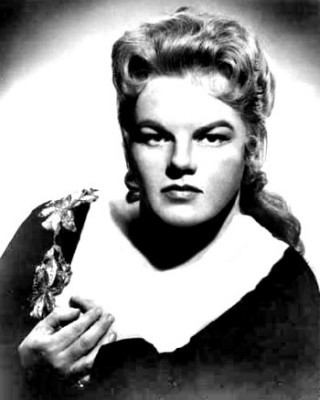
Curtis Watson
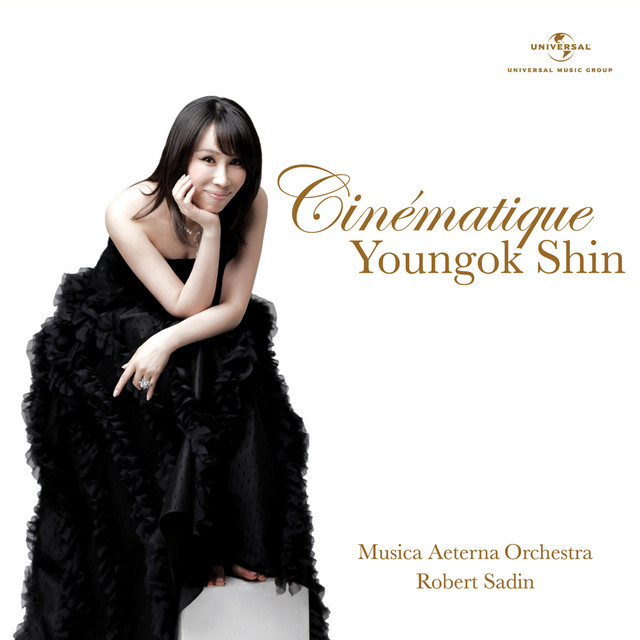

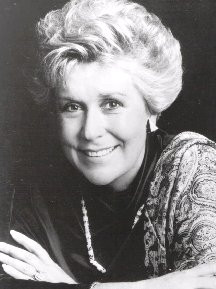


Marilyn Hill Smith
Ohio Light Opera
Christopher Painter
Frances McCafferty

Lamplighters Music Theatre
Benjamin Luxon
Jean Rigby

Craig Terry

Nerys Jones

Nathan Gunn
Mary Hegarty
Craig Smith
David Rendall

Lawrence Rapchak