Data may be outdated
Last updated: 1 month ago — Click refresh to get the latest statistics.
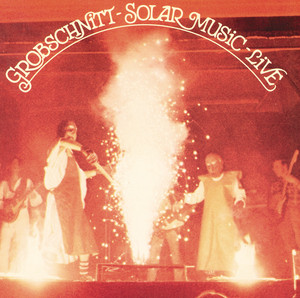
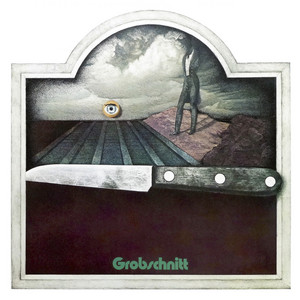
Grobschnitt were formed in 1970 by several members of a band called Crew, including Stefan Daneliak (vocals, guitar), <a href="spotify:artist:7cRkblZrsjG5oxg9JKwZC4">Eroc</a>, and Gerd Otto Kuhn (guitars, vocals). This nucleus later added Axel Harlos (drums), Bernard Uhlemann (bass), and Hermann Quetting (keyboards). The band's first record, Grobschnitt (1972), found the band playing fairly straightforward progressive rock that was rather unsuccessful with critics and record buyers. After the release, both Harlos and Quetting left the group. Deciding to carry on, the band adapted a new state persona, filled with bizarre costumes and theatrical performances that even featured their roadies. Meanwhile the group added Volker Kahr on keyboards. The band focused more on their space rock sound on their second album, Ballermann (1974), which originally consisted of two LP's, one filled with symphonic progressive rock, the other was given all to a space rock suite, "Solar Music." Their third album, Jumbo (1975), was released in both English and German versions and found Grobschnitt moving closer to symphonic progressive rock in the manner of <a href="spotify:artist:7AC976RDJzL2asmZuz7qil">Yes</a> and <a href="spotify:artist:3CkvROUTQ6nRi9yQOcsB50">Genesis</a> with a series of epic tracks. That sound was the focus of Rockpommel's Land (1977), which even featured a cover that was reminiscent of Roger Dean. A concept album, the record told the story of a boy's adventures in a strange land. Solar Music Live (1978) was a live recreation of the "Solar Music" suite off their second album. The band moved towards a harder rocking psychedelic feel with Merry Go Round in 1979 and Illegal (1981). By Razzia (1982), the group had abandoned many of their more progressive tendencies as drummer <a href="spotify:artist:7cRkblZrsjG5oxg9JKwZC4">Eroc</a> had left the group. Their late-'80s records were far more conventional keyboard-dominated pop records. ~ Geoff Orens, Rovi
Monthly Listeners
7,536
Monthly Listeners History
Track the evolution of monthly listeners over the last 28 days.
Followers
17,936
Followers History
Track the evolution of followers over the last 28 days.
Total Streams
2.7 million
Total Streams History
Track the evolution of total streams over the last 28 days. This data is calculated from all tracks listed in the artist's discography.
Top Cities

Related Artists


Anyone's Daughter

Frumpy

Kin Ping Meh
Epitaph
Novalis

BröselMaschine


Satin Whale
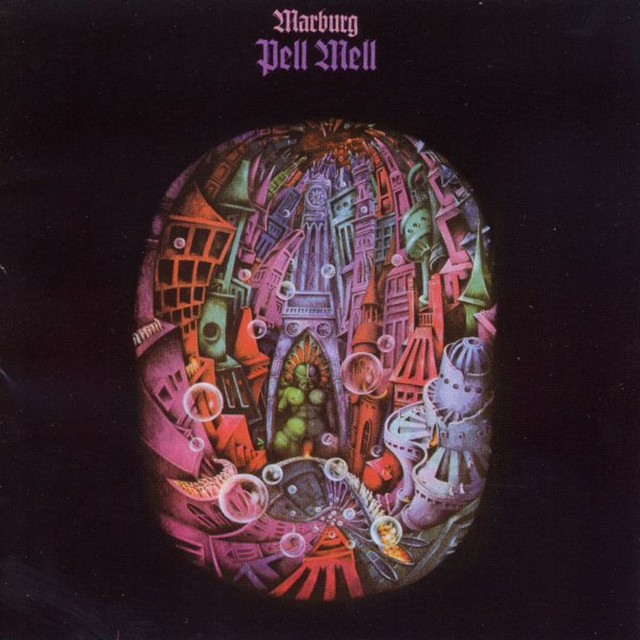
Pell Mell
Karthago
Janus

New Triumvirat
Kingdom Come
Trace


The Greatest Show On Earth

Aera

Home