Data may be outdated
Last updated: 7 months ago — Click refresh to get the latest statistics.
After playing in the Brylho and <a href="spotify:artist:1POsQml4E21Ku75BirHFMQ">Blitz</a> and in the bands of <a href="spotify:artist:7jrRQZg4FZq6dwpi3baKcu">Raul Seixas</a>, <a href="spotify:artist:6IyBL2HQ7NB6V6xqgl3jBg">Jorge Mautner</a>, <a href="spotify:artist:1zZjt7cDeeJSLWZYK34r7W">Luiz Melodia</a>, <a href="spotify:artist:1b8kpp4DUwt1hWaxTiWQhD">Gal Costa</a>, and <a href="spotify:artist:7HGNYPmbDrMkylWqeFCOIQ">Caetano Veloso</a>'s, the former A Bolha <a href="spotify:artist:31tPxXZRs26Tcw8o4xYclY">Arnaldo Brandão</a> (bass) formed the Hanoi-Hanoi with the poet Tavinho Paes. The first LP, released in 1986 (Hanoi-Hanoi), sold only 30,000 copies, but had the popular "Blá-blá-blá... Eu Te Amo" and "Totalmente Demais," the latter being re-recorded later by Caetano Veloso -- with Veloso's album christened after this song -- and the former re-recorded by Lobão, among others. In 1987, the group performed in the festival organized by label Plug together with Nenhum de Nós and Hojerizah at the Canecão (Rio). 1988's Fanzine had "Plic Plic" and "O Tempo Não Pára" (Brandão/Cazuza). Jean-Paul Sartre's existentialism is the core of the third album, O Ser E O Nada (EMI). Coração Geiger (1992) came after the performance in the Rock in Rio II Festival (1991). The 1993 tour was recorded live and released as the CD Credus in 1995. ~ Alvaro Neder, Rovi
Monthly Listeners
115,501
Monthly Listeners History
Track the evolution of monthly listeners over the last 28 days.
Followers
55,463
Followers History
Track the evolution of followers over the last 28 days.
Top Cities
17,907 listeners

9,992 listeners
9,550 listeners
4,317 listeners
4,189 listeners
Related Artists








Magazine


Gang 90 e as Absurdetes








Banda 365


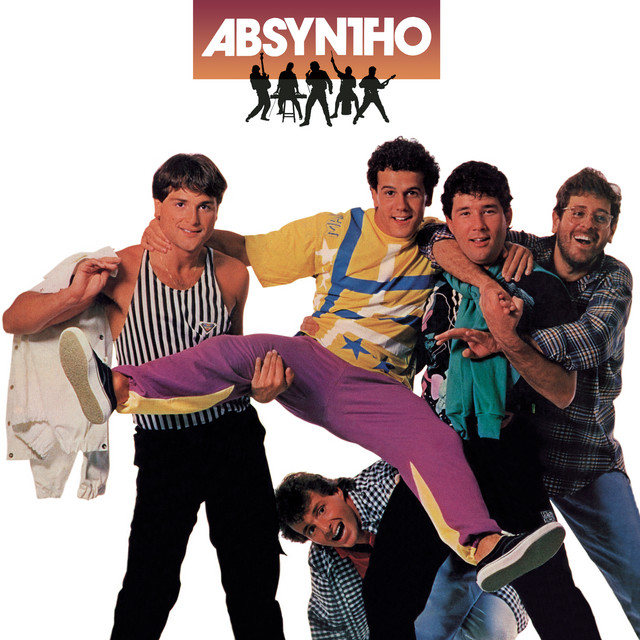
Absyntho